Do Air Purifiers Create Dust? Proven Essential Answer

No, air purifiers do not create dust; they are designed to remove it from your air. Any dust observed near an air purifier is typically due to its airflow patterns or a need for filter maintenance, not the device itself generating dust.
Do Air Purifiers Create Dust? The Essential Answer You Need
It’s a common question that pops up when you’re considering an air purifier for your home: “Do air purifiers create dust?” You want cleaner air, but the thought of a device adding to your dusting woes can be concerning. I understand this concern completely. Let’s clear the air on this topic and get you the definitive answer you need. We’ll explore how air purifiers actually work to combat dust and what might be causing that misconception. Get ready to understand the science behind cleaner air and say goodbye to dust worries.
Understanding How Air Purifiers Work
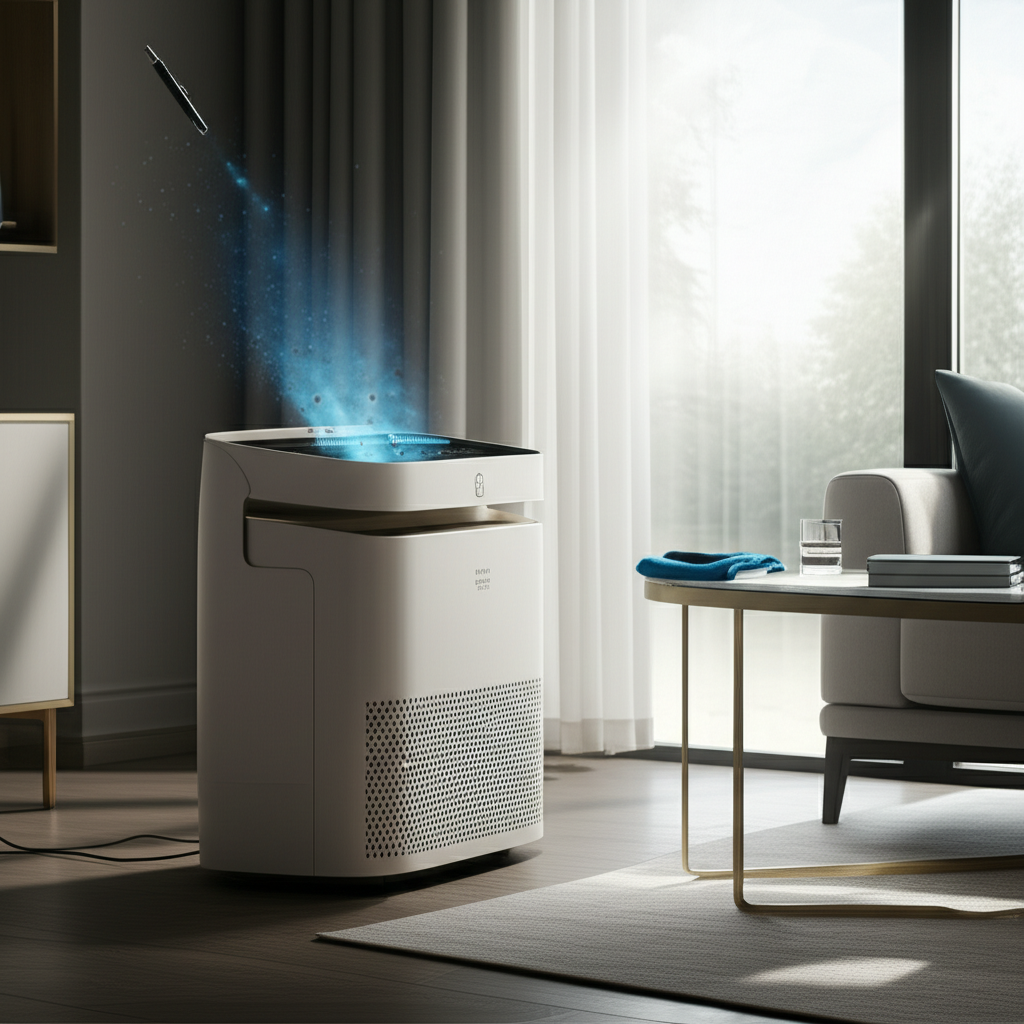
Air purifiers are designed with a singular purpose: to clean the air. They achieve this by drawing in surrounding air, passing it through a series of filters, and then releasing cleaner air back into the room. This process effectively captures airborne particles, including dust, pollen, pet dander, and smoke. They are essentially sophisticated vacuum cleaners for your air, not dust generators.
The primary mechanism involves fans that pull air into the unit. Inside, specialized filters trap contaminants. HEPA filters, for example, are designed to capture at least 99.97% of airborne particles as small as 0.3 microns. This means they are highly effective at removing the very dust you’re trying to eliminate.
The Role of Airflow and Dust Accumulation
While air purifiers don’t create dust, their operation can sometimes make existing dust more noticeable. The constant circulation of air can subtly move dust particles around, especially in the immediate vicinity of the unit. This is not an increase in dust, but rather a redistribution of what’s already present.
Think of it like a gentle breeze. A breeze doesn’t create new leaves, but it can blow fallen leaves from one spot to another. Similarly, an air purifier’s fan can stir up settled dust, making it appear as though more dust is present. This effect is usually temporary and a sign the purifier is actively working.
Filter Types and Their Impact on Dust
Different types of filters within an air purifier play a crucial role in how effectively dust is removed. A good air purifier will typically feature multiple stages of filtration. These stages work in tandem to capture a wide range of particle sizes.
Pre-filters are often the first line of defense, designed to catch larger particles like visible dust bunnies and pet hair. This protects the more sensitive filters that follow. HEPA filters are the workhorses for fine dust, allergens, and microscopic particles. Activated carbon filters are excellent for removing odors and gases, which can sometimes be associated with dust.
Addressing the “Dusting Near the Unit” Myth
You might notice dust accumulating on or around your air purifier. This is a common observation, but it doesn’t mean the device is producing dust. Instead, it’s a sign that the air purifier is doing its job by capturing airborne dust. The surfaces of the unit can act as a collection point for these particles.
This dust accumulation is a visual indicator of the purifier’s effectiveness. It shows that particles are being drawn towards and trapped by the unit, rather than circulating freely in your living space. Regular cleaning of the air purifier itself is key to managing this.
When Your Air Purifier Seems to Be Attracting Dust
If you observe a significant amount of dust building up on the exterior of your air purifier, it’s often a testament to its efficiency. The unit’s intake vents are actively pulling in air, and with it, any dust particles that are floating around. This concentrated dust on the exterior means less dust is settling on your furniture and floors.
This phenomenon is not a flaw but a feature. It highlights the need for consistent maintenance. Cleaning the exterior and ensuring the filters are not clogged will maintain optimal performance and prevent any perceived dust “creation.”
The Importance of Regular Air Purifier Maintenance
Regular maintenance is the single most crucial factor in ensuring your air purifier works as intended and doesn’t contribute to dust visibility. This includes cleaning or replacing filters according to the manufacturer’s recommendations. Clogged filters can reduce airflow and efficiency.
A dirty pre-filter can become overloaded with larger dust particles, potentially shedding some back into the air or becoming visually unappealing. Similarly, a full HEPA filter means less air can pass through, diminishing the purifier’s overall effectiveness. Think of it like changing the bag in your vacuum cleaner.
DIY: Cleaning Your Air Purifier for Optimal Performance
Cleaning your air purifier is a straightforward process that can significantly improve its performance and address any concerns about dust. Start by unplugging the unit. Most air purifiers have a removable cover that allows access to the filters.
Gently vacuum the exterior of the unit, paying close attention to the intake vents. For washable pre-filters, rinse them under cool water and allow them to dry completely before reinserting. This simple step ensures your purifier continues to capture dust efficiently.
When to Replace Your Air Purifier Filters
Filters are the heart of an air purifier, and their lifespan varies depending on the model, usage, and the air quality in your home. Most manufacturers provide guidelines for filter replacement, typically ranging from six months to two years for HEPA filters. Pre-filters often need more frequent cleaning or replacement.
Ignoring filter replacement can lead to reduced airflow, decreased purification effectiveness, and even potential strain on the unit’s motor. It’s a critical step in maintaining the clean air you desire. You can find detailed information on filter replacement for popular brands like Coway and Blueair on their respective websites.
Signs Your Air Purifier Needs Attention
Several signs indicate that your air purifier might need attention, including a noticeable increase in dust on surfaces despite its use, or a decrease in the overall air freshness. If you hear unusual noises coming from the unit, it could signify a problem with the fan or motor, or a filter that’s improperly seated.
Another indicator is a drop in airflow from the unit. If the air coming out feels weaker than before, it’s a strong signal that the filters are clogged and need cleaning or replacement. Regularly checking these signs ensures your purifier remains an asset, not a concern.
Frequently Asked Questions About Air Purifiers and Dust
What is the lifespan of an air purifier filter?
The lifespan of an air purifier filter varies, but HEPA filters typically last 6 months to 2 years, while pre-filters may need cleaning or replacement more often. Always check your manufacturer’s recommendations.
Can air purifiers help with allergies caused by dust?
Absolutely. Air purifiers are highly effective at removing airborne dust particles, which are a common trigger for allergies, significantly improving indoor air quality for allergy sufferers.
How often should I run my air purifier?
For optimal results, it’s generally recommended to run your air purifier continuously, especially in rooms where you spend the most time, like bedrooms and living areas.
What does a “dust sensor” on an air purifier do?
A dust sensor detects the level of particulate matter in the air and automatically adjusts the fan speed to effectively capture the dust. This ensures efficient operation and cleaner air.
Can air purifiers make a room feel colder?
Some air purifiers can create a slight cooling effect due to the constant circulation of air, similar to a fan. However, they are not designed to be air conditioners.
Conclusion: Air Purifiers Are Dust Removers, Not Creators
To definitively answer the question: do air purifiers create dust? No, they absolutely do not. Air purifiers are sophisticated devices engineered to capture and remove dust and other airborne pollutants from your environment. The dust you might observe near your unit is a result of its efficient airflow redistributing existing particles or a clear indication that its filters are working hard and require attention. By understanding how they function and committing to regular maintenance, you can ensure your air purifier remains your ally in achieving a cleaner, healthier home. Embrace the clean air they provide!