Do Air Purifiers Contain Lead: Essential Safety

Do air purifiers contain lead? Generally, no. Reputable air purifiers are designed with safety as a top priority, and lead is not a typical component. However, understanding materials and certifications is crucial for peace of mind.
Do Air Purifiers Contain Lead? Essential Safety for Your Home
It’s a question that might cross your mind when you’re investing in a healthier home environment: “Do air purifiers contain lead?” You’re looking for cleaner air, not introducing new concerns. I understand that worry completely. Many people wonder about the safety of the devices they bring into their living spaces. Rest assured, leading manufacturers prioritize your well-being by avoiding hazardous materials like lead in their air purifiers. This guide will demystify the materials used, explain safety standards, and help you choose an air purifier you can trust.
Understanding Air Purifier Components and Materials
Air purifiers are complex devices, but their core function relies on a few key components. These include fans, filters, and the outer casing. Manufacturers carefully select materials for each part, focusing on performance, durability, and, most importantly, safety. The goal is always to improve indoor air quality without posing a risk to occupants.
The Role of Filters in Air Purification
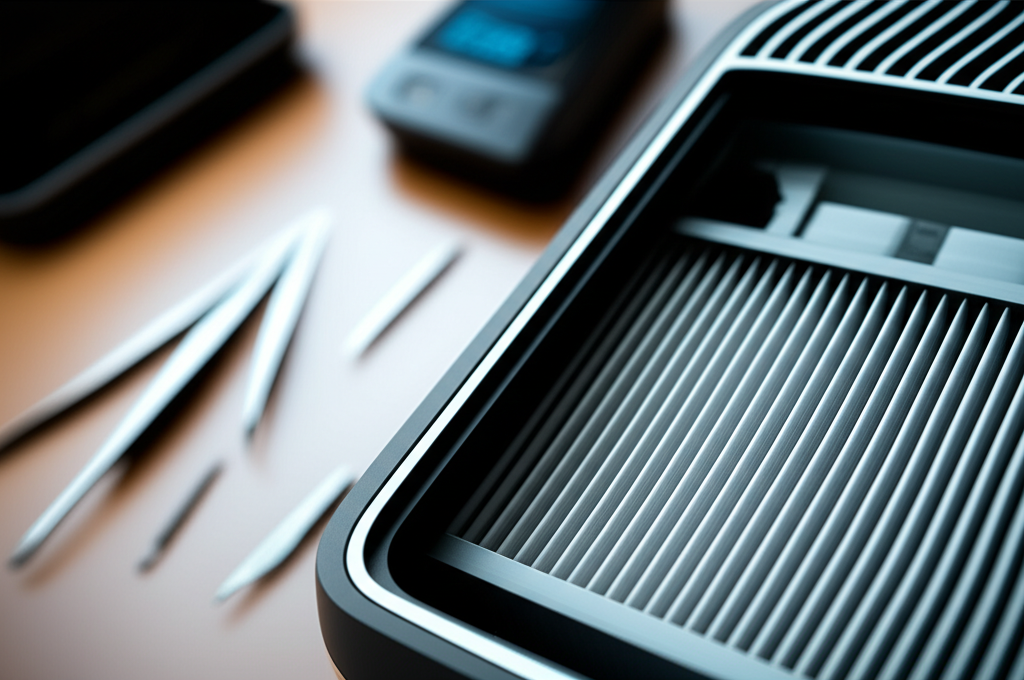
Filters are the heart of any air purifier, capturing airborne particles. The most common types are HEPA filters, activated carbon filters, and pre-filters. HEPA filters are designed to trap 99.97% of particles as small as 0.3 microns. Activated carbon filters excel at absorbing gases, odors, and VOCs. Pre-filters catch larger particles like dust and pet hair, extending the life of the main filters.
HEPA Filters: What They Are and Why They’re Safe
High-Efficiency Particulate Air (HEPA) filters are a standard in air purification for a reason. They are made from a dense mat of fine fibers, typically fiberglass or synthetic materials, that physically trap contaminants. These filters are rigorously tested to meet specific standards and do not contain lead or other heavy metals. Their effectiveness in removing allergens, dust, mold spores, and even some bacteria makes them indispensable for allergy and asthma sufferers.
Activated Carbon Filters: Odor and Gas Absorption
Activated carbon filters are created by heating carbon-rich materials like charcoal or coconut shells to very high temperatures. This process creates millions of tiny pores, vastly increasing the surface area available for adsorption. This large surface area allows the carbon to effectively trap volatile organic compounds (VOCs), smoke, and odors. The carbon itself is inert and safe, making it an excellent material for improving air quality.
The Housing and Casing: Materials Used
The exterior of an air purifier, its housing or casing, is typically made from durable plastics like ABS (acrylonitrile butadiene styrene) or polypropylene. These materials are chosen for their strength, affordability, and ease of molding into various shapes. They are rigorously tested for safety and compliance with consumer product regulations, ensuring they do not off-gas harmful chemicals or contain lead.
Are There Any Risks of Lead in Air Purifiers?
The risk of lead in modern, certified air purifiers from reputable brands is extremely low, bordering on non-existent. Lead is a toxic heavy metal, and its use in consumer electronics and home appliances is heavily regulated in most developed countries. Manufacturers are acutely aware of these regulations and the health implications of lead exposure.
Regulatory Standards and Certifications for Safety
Safety standards are in place to protect consumers. Organizations like the EPA (Environmental Protection Agency) in the United States and similar bodies globally set guidelines for product safety. Furthermore, certifications from independent bodies like UL (Underwriters Laboratories) or ETL (Intertek) indicate that a product has undergone rigorous testing for electrical safety and material integrity. These certifications provide a strong assurance that the product is free from hazardous substances like lead.
Understanding UL and ETL Certifications
When you see a UL or ETL mark on an air purifier, it means the product has been tested and meets established safety standards. These tests cover electrical safety, fire hazards, and material composition. While they don’t specifically test for lead in every single component for every product, the general safety requirements and material scrutiny inherent in these certifications make the presence of lead highly unlikely in compliant devices.
Why Lead is Not Used in Air Purifier Construction
Lead is a toxic substance with well-documented health risks, particularly for children. Its use in consumer products, especially those intended for indoor environments and for improving health, would be counterproductive and illegal in many applications. Modern manufacturing processes and material science have provided safe and effective alternatives for all components of an air purifier.
How to Ensure Your Air Purifier is Safe
Choosing a safe air purifier involves looking for specific indicators and understanding what to avoid. By focusing on reputable brands, certifications, and transparent manufacturing practices, you can be confident in your purchase.
Purchasing from Reputable Brands and Retailers
The first line of defense is to buy from well-known brands that have a track record of quality and safety. Companies that invest in research and development, adhere to manufacturing standards, and offer clear product information are more likely to produce safe appliances. Similarly, purchasing from established retailers, whether online or in brick-and-mortar stores, ensures you are getting genuine products with proper warranties.
Examples of Trusted Air Purifier Brands
Brands like Coway, Blueair, Dyson, Molekule, and Levoit are widely recognized for their commitment to air purification technology and consumer safety. These companies often provide detailed information about their product materials and testing procedures on their websites, offering transparency to consumers.
Checking for Safety Certifications
Always look for prominent safety certifications on the product packaging or the manufacturer’s website. Certifications like UL, ETL, Energy Star, and CARB (California Air Resources Board) compliance are strong indicators of a product’s safety and performance. CARB certification, in particular, ensures that air purifiers do not emit harmful levels of ozone.
Reading Product Reviews and Specifications
Thoroughly read product reviews from various sources, paying attention to comments about build quality, odor, and any potential issues. Also, examine the product specifications carefully. Reputable manufacturers will often list the materials used in their filters and casings.
Potential Misconceptions About Air Purifier Materials
Sometimes, concerns about materials in air purifiers can arise from misunderstandings or outdated information. It’s important to distinguish between common, safe materials and genuinely hazardous substances.
The Difference Between Filter Media and Toxic Materials
The materials used in filters, like the fine fibers in HEPA filters or the porous structure of activated carbon, are designed for trapping particles and gases. These are inert and safe when handled normally. They are fundamentally different from toxic heavy metals like lead, which are never intentionally added to air purifier components by responsible manufacturers.
Outdated Information and “Lead Paint” Scares
Concerns about lead in consumer products often stem from historical issues, such as the use of lead in paints or older electronic components. Modern manufacturing and stringent regulations have largely eliminated lead from these applications. Air purifiers manufactured today adhere to these current safety standards.
The Importance of Ozone Emission Standards
While lead is not a concern, another potential hazard from some air purification technologies is ozone. Ozone is a lung irritant, and some older or poorly designed air purifiers, particularly those using ionization or electrostatic precipitation without proper controls, could emit ozone.
CARB Certification: A Key Indicator for Ozone Safety
The California Air Resources Board (CARB) has established strict ozone emission limits for air purifiers sold in California, which is a de facto standard for the entire US market. Air purifiers that are CARB-certified have been tested and proven to emit ozone below the safe threshold. This certification is a crucial indicator of an ozone-safe device.
Ionizers and Ozone Production
Some air purifiers use ionizers to charge particles, causing them to stick to surfaces or collection plates. While effective, certain ionizer technologies can also produce ozone as a byproduct. If you are considering an ionizer, ensure the unit is CARB-certified or has an option to turn off the ionizer function.
What About Recycled or Refurbished Air Purifiers?
When considering recycled or refurbished air purifiers, the safety considerations are similar to new units, but with an added layer of scrutiny. It’s essential to ensure these units have been properly inspected and refurbished by certified technicians.
Inspection and Refurbishment Processes
Reputable sellers of refurbished air purifiers will have thorough inspection and cleaning processes. They should replace worn-out filters and check all components for functionality and safety. If purchasing a refurbished unit, inquire about the refurbishment process and any warranties offered.
Potential for Older Components in Refurbished Units
While unlikely in modern refurbished units from major brands, older refurbished models could potentially contain components from an era with less stringent material regulations. However, the primary concern would typically be electrical safety or material degradation rather than intentional lead inclusion. Stick to refurbished units from trusted sources.
How to Maintain Your Air Purifier for Optimal Safety and Performance
Proper maintenance is key to ensuring your air purifier continues to operate safely and effectively. This mainly involves regular filter replacement and cleaning.
Regular Filter Replacement Schedule
Filters have a limited lifespan and will become saturated with trapped pollutants over time. Always follow the manufacturer’s recommended replacement schedule, which can typically be found in the user manual. This ensures the purifier continues to capture contaminants efficiently and prevents potential backflow of trapped particles.
Why Filter Replacement is Crucial
Clogged filters restrict airflow, reducing the unit’s efficiency and potentially straining the fan motor. Furthermore, old filters can become breeding grounds for bacteria and mold, which could then be released back into the air. Replacing filters on time is a simple yet vital step for maintaining air purity and device longevity.
Cleaning the Exterior and Interior Components
Beyond filter changes, periodically clean the exterior casing of your air purifier with a damp cloth. You can also use a vacuum cleaner with a brush attachment to gently clean the pre-filter (if it’s washable) and the air intake grills. This helps maintain optimal airflow and prevents dust buildup.
Key Takeaways: Ensuring a Lead-Free Air Purifier
In summary, you can be confident that a new air purifier from a reputable brand, purchased from a trusted retailer, and bearing relevant safety certifications is free from lead. The industry has evolved significantly, prioritizing consumer health and safety above all else.
Focus on Certifications and Brand Reputation
The most reliable way to ensure your air purifier is safe is to look for recognized safety certifications like UL, ETL, and CARB compliance. Pairing this with a purchase from a well-regarded brand provides excellent assurance. These measures are far more critical than worrying about lead.
When in Doubt, Ask the Manufacturer
If you have any specific concerns about the materials used in a particular air purifier model, don’t hesitate to contact the manufacturer directly. Most companies are happy to provide detailed information about their product’s composition and safety testing.
Frequently Asked Questions About Air Purifier Safety
Do all air purifiers use HEPA filters?
Not all air purifiers use HEPA filters, but it is a highly recommended feature. Many high-quality units do, as HEPA filters are the gold standard for capturing fine particulate matter. Other types of filters, like activated carbon, serve different but equally important functions.
Can air purifiers emit harmful chemicals?
Reputable air purifiers are designed not to emit harmful chemicals. However, some technologies, like certain ionizers, can produce ozone, which is a lung irritant. Always look for CARB certification to ensure ozone emissions are within safe limits.
What should I do if my air purifier smells weird?
A strange smell from a new air purifier might indicate off-gassing from new plastic components, which should dissipate within a few days. If the smell persists or is strong, it could indicate a problem with the filters or the unit itself. Contact the manufacturer or retailer.
Are cheaper air purifiers less safe?
Cheaper air purifiers may not perform as effectively or might use less durable materials, but they are not inherently less safe in terms of containing lead. Safety certifications are more important than price. However, extremely cheap, unbranded units from unknown sources might pose a higher risk due to a lack of oversight.
How often should I replace air purifier filters?
The frequency of filter replacement varies by model and usage. Generally, HEPA and carbon filters need replacement every 6 to 12 months. Always consult your air purifier’s user manual for the manufacturer’s specific recommendations.
Can I clean my HEPA filter?
Most true HEPA filters are not washable and should be replaced according to the manufacturer’s guidelines. Washing a HEPA filter can damage its delicate structure and compromise its ability to filter effectively. Some pre-filters, however, may be washable.
Conclusion
When it comes to your health and home environment, I understand wanting to be absolutely sure about the products you use. Regarding the question, “Do air purifiers contain lead?”, the answer for modern, certified units from reputable manufacturers is a resounding no. The air purification industry is well-regulated, and safety is paramount. By choosing products with recognized certifications like UL, ETL, and CARB, and by purchasing from trusted brands, you can confidently bring an air purifier into your home, knowing it’s designed to enhance your air quality safely and effectively, without introducing harmful substances like lead. Enjoy cleaner, healthier air!