
Do Air Purifier Stop Dust? Essential Guide

Do Air Purifiers Actually Stop Dust? Your Essential Guide
Yes, air purifiers can significantly reduce dust in your home by capturing airborne particles. While they don’t eliminate the source of dust, they effectively trap dust mites, pet dander, pollen, and other allergens that contribute to dust accumulation, leading to cleaner air and less frequent dusting.
Dusting is a never-ending chore for many of us. You clean one day, and by the next, a fine layer has already settled on your furniture. It’s a common frustration that makes your home feel less clean than you’d like. But what if there was a way to significantly reduce this airborne nuisance? Many people wonder, “Do air purifiers stop dust?” The answer is a resounding yes, but understanding how they work is key. This guide will walk you through everything you need to know to make an informed decision and breathe easier.
The Science Behind Air Purifiers and Dust Reduction
Air purifiers are designed to clean the air circulating within a room. They achieve this by drawing in air, passing it through a series of filters, and then releasing the cleaner air back into the environment. This process is highly effective at capturing tiny particles that often go unnoticed until they settle as dust.
How Air Purifiers Capture Dust Particles
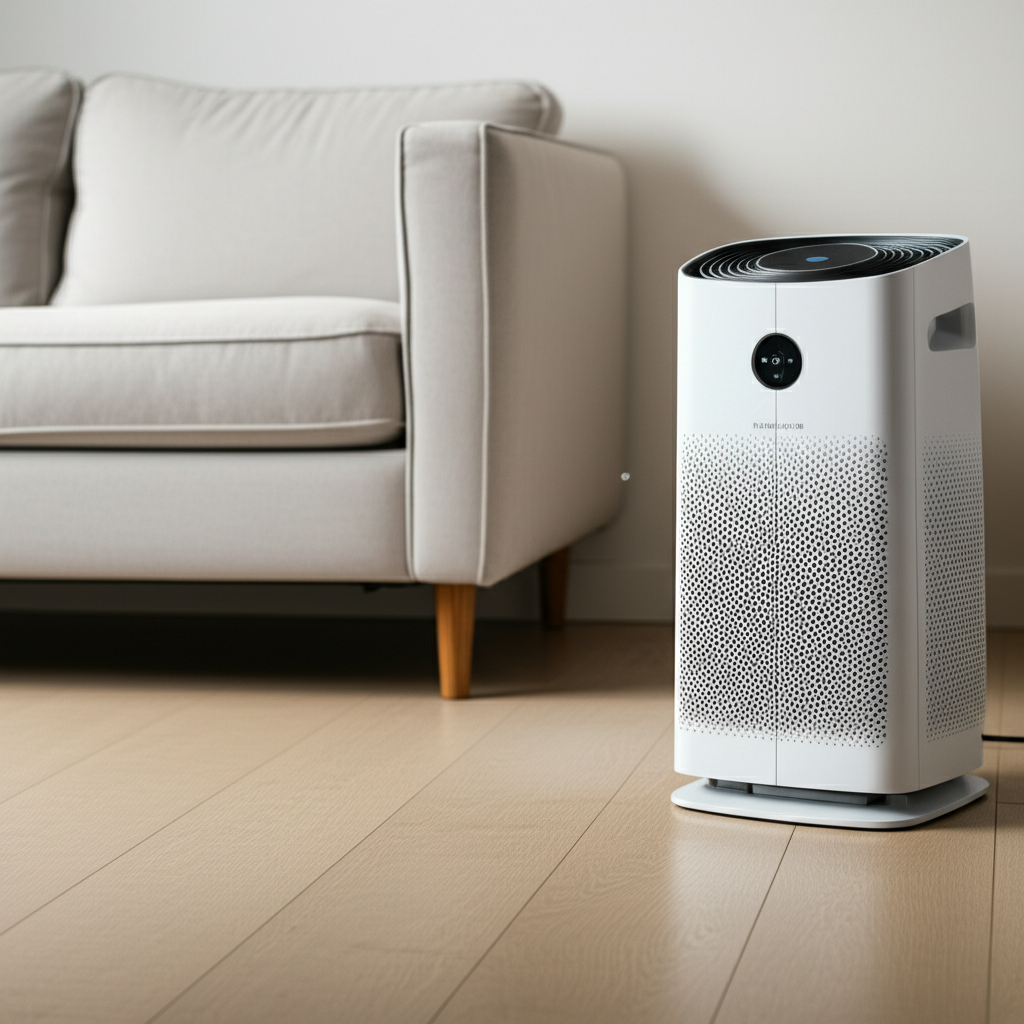
The primary mechanism air purifiers use to combat dust is their filtration system. Most modern air purifiers employ High-Efficiency Particulate Air (HEPA) filters, which are certified to capture at least 99.97% of airborne particles 0.3 microns in size. Dust is composed of various particles, including skin cells, fabric fibers, pet dander, pollen, and dust mite debris, many of which fall within this size range or are even larger.
The Role of HEPA Filters in Dust Removal
HEPA filters are the heroes in the fight against dust. These dense, finely woven filters act like a microscopic sieve. As air is pulled through the purifier, dust particles, no matter how small, get trapped in the filter’s intricate mesh. This prevents them from recirculating and settling on your surfaces, directly answering the question of whether air purifiers stop dust.
Beyond HEPA: Other Filtration Technologies
While HEPA filters are crucial, some air purifiers incorporate additional technologies. Activated carbon filters, for instance, excel at absorbing odors and gases, which can often accompany dust. Some units may also use pre-filters to catch larger particles like hair and visible dust bunnies, extending the life of the HEPA filter.
Understanding What Constitutes Household Dust
Before we delve deeper into how air purifiers tackle dust, it’s helpful to understand what exactly makes up this pervasive household irritant. Dust isn’t just dirt; it’s a complex mixture of microscopic particles that accumulate over time.
The Common Components of Household Dust
Household dust is a blend of various materials. These include dead skin cells shed by humans and pets, tiny fragments of fabric from clothing and upholstery, microscopic fibers from carpets and curtains, outdoor pollutants like pollen and soil, and even microscopic insect parts and droppings. Understanding these components helps explain why air purifiers are so effective.
Dust Mites and Their Contribution to Dust
Dust mites are microscopic creatures that thrive in warm, humid environments, often found in bedding, carpets, and upholstery. They feed on dead skin cells, and their waste products are a significant allergen and a major component of household dust. While air purifiers don’t kill dust mites, they effectively capture their microscopic waste particles from the air.
The Impact of Pets and Allergens on Dust Levels
Pet dander – tiny flecks of skin shed by animals – is a common and potent allergen that contributes significantly to household dust. Air purifiers with HEPA filters are particularly adept at capturing these dander particles, offering relief to allergy sufferers and reducing overall dust load.
How Air Purifiers Actively Reduce Airborne Dust
Air purifiers work continuously to clean your indoor air, directly impacting the amount of dust that circulates and settles. Their effectiveness depends on several factors, including the unit’s design, filter quality, and placement.
The Air Circulation Process
An air purifier works by drawing in the ambient air of a room through an intake vent. This air is then passed through its filtration system. After being filtered, the purified air is expelled back into the room, typically through an outlet vent, creating a continuous cycle of air cleaning.
Capturing Dust Before It Settles
By trapping dust particles before they have a chance to settle on surfaces, air purifiers significantly reduce the visible dust accumulation. This means less frequent dusting and a cleaner-looking home, providing a tangible benefit for anyone asking if air purifiers stop dust.
Improving Air Quality for Allergy Sufferers
For individuals with allergies or respiratory sensitivities, the reduction in airborne dust provided by an air purifier can be life-changing. Fewer allergens in the air mean fewer triggers for sneezing, coughing, itchy eyes, and asthma symptoms, contributing to a healthier living environment.
Factors Influencing an Air Purifier’s Effectiveness Against Dust
Not all air purifiers are created equal, and their ability to combat dust depends on several key features and how you use them. Ensuring you have the right unit and operate it correctly is crucial for optimal dust reduction.
The Importance of HEPA Filter Certification
Always look for air purifiers with True HEPA filters. This certification ensures the filter meets stringent standards for particle capture. Non-HEPA filters or those labeled “HEPA-type” may not be as effective and will likely not capture the fine particles that contribute most to dust.
Room Size and CADR Ratings
The Clean Air Delivery Rate (CADR) indicates how quickly an air purifier can clean a room of specific pollutants, including dust. Ensure the CADR rating is appropriate for the size of the room you intend to use it in. A unit too small for the space will struggle to make a noticeable difference.
Placement and Airflow Considerations
Proper placement is vital for maximizing an air purifier’s effectiveness. It should be placed in a location where it can draw in air freely without obstruction, ideally in the room where dust accumulation is most noticeable or where you spend the most time. Avoid placing it in corners or behind furniture.
Maintaining Your Air Purifier for Peak Dust-Stopping Performance
To ensure your air purifier continues to effectively stop dust, regular maintenance is essential. This primarily involves keeping the filters clean and replacing them as needed.
Regular Cleaning of Pre-Filters
Most air purifiers have a washable pre-filter designed to catch larger particles like hair and visible dust. Cleaning this pre-filter regularly, often with a vacuum cleaner or by rinsing it, prevents it from becoming clogged and allows the HEPA filter to work more efficiently.
When to Replace HEPA and Carbon Filters
HEPA filters cannot be washed and must be replaced periodically. The lifespan of a HEPA filter typically ranges from 6 months to 2 years, depending on usage and the level of pollutants in your air. Activated carbon filters also need replacement, often more frequently than HEPA filters. Always follow the manufacturer’s recommendations.
Monitoring Filter Indicator Lights
Many modern air purifiers come equipped with filter indicator lights that alert you when it’s time to check or replace the filters. These are convenient reminders to keep your unit performing optimally and ensure it continues to stop dust effectively.
Do Air Purifiers Stop ALL Dust? Limitations to Consider
While air purifiers are excellent at reducing airborne dust, it’s important to understand their limitations. They are a powerful tool, but not a magical solution that eliminates all dust entirely.
Air Purifiers Target Airborne Particles
Air purifiers work by filtering the air that passes through them. They are highly effective at capturing dust particles that are currently suspended in the air. However, they cannot reach dust that has already settled on surfaces like floors, shelves, and furniture.
The Need for Traditional Cleaning Methods
To truly combat dust, air purifiers should be used in conjunction with regular dusting and vacuuming. These traditional cleaning methods remove the settled dust, preventing it from becoming airborne again and being recirculated. Think of air purifiers as a supplement to, not a replacement for, your cleaning routine.
Sources of Dust Generation
Air purifiers do not eliminate the sources that generate dust. For example, they won’t stop your pet from shedding or prevent fibers from your carpet from breaking down. Continuous generation means a continuous need for air purification and cleaning.
Choosing the Right Air Purifier for Dust Control
Selecting the best air purifier for your needs involves considering several features specifically relevant to dust reduction. Making the right choice will maximize your investment and ensure you get the most out of your unit.
Key Features to Look For
When shopping for an air purifier to tackle dust, prioritize models with True HEPA filters, high CADR ratings suitable for your room size, and a robust pre-filter system. Some units offer specialized dust modes or sensors that automatically adjust fan speed based on detected dust levels.
Top Air Purifier Brands for Dust Management
Several reputable brands consistently offer high-performing air purifiers known for their dust-capturing capabilities. Brands like Coway, Levoit, Blueair, and Winix are frequently recommended for their effectiveness and reliability. Researching specific models from these brands can help you find the best fit.
Understanding Different Types of Air Purifiers
While HEPA filtration is standard for dust, some purifiers use other technologies like ionizers or UV-C light. Be cautious with ionizers, as they can sometimes produce ozone, which may be an irritant. For most dust concerns, a HEPA-based system is the most reliable and safest choice.
Integrating Air Purifiers into Your Cleaning Routine
An air purifier is most effective when it’s part of a holistic approach to home cleanliness. Understanding how to best integrate it will amplify its benefits and contribute to a healthier living space.
Synergy with Vacuuming and Dusting
Use your air purifier continuously to capture newly airborne particles. Then, follow up with regular vacuuming (preferably with a HEPA-filter vacuum) and dusting to remove settled dust. This two-pronged approach ensures that dust is both captured from the air and removed from surfaces.
Optimal Placement for Maximum Impact
Place your air purifier in the room where you spend the most time or where dust seems to accumulate fastest. For example, in a bedroom, placing it near your bed can help reduce allergens while you sleep. In a living room, position it where air circulation is good.
Running Your Air Purifier: Continuous vs. Intermittent Use
For maximum dust reduction, running your air purifier continuously, especially on a lower setting, is recommended. This ensures that the air is constantly being cleaned. Smart features or timers can help manage energy consumption while maintaining effectiveness.
Frequently Asked Questions About Air Purifiers and Dust
Here are some common questions people have when considering air purifiers for dust control.
Will an air purifier eliminate the need for dusting?
No, an air purifier significantly reduces airborne dust, but it won’t eliminate the need for dusting entirely. You’ll still need to dust surfaces regularly to remove settled dust.
How often should I run my air purifier for dust?
For best results, run your air purifier continuously, especially in rooms where dust is a significant issue or where you spend a lot of time.
Can air purifiers help with dust allergies?
Yes, by capturing airborne allergens like dust mite debris, pet dander, and pollen, air purifiers can greatly help reduce symptoms for those with dust allergies.
What is the best type of air purifier for dust?
Air purifiers with True HEPA filters are considered the most effective for capturing fine dust particles. Look for high CADR ratings suitable for your room size.
How long do air purifier filters last when dealing with dust?
Filter life varies by model and usage, but HEPA filters typically last 6 months to 2 years. Pre-filters may need cleaning every few weeks.
Do air purifiers make noise?
Most air purifiers produce some level of noise, similar to a fan. Higher settings are typically louder. Many models offer quiet or sleep modes for nighttime use.
Conclusion: Air Purifiers Are a Powerful Ally Against Dust
So, do air purifiers stop dust? Yes, they are an incredibly effective tool for reducing the amount of dust circulating in your home. By capturing microscopic particles before they settle, they contribute to a cleaner environment and can provide significant relief for allergy sufferers. However, remember that they are part of a larger strategy. Combining the continuous cleaning power of an air purifier with regular vacuuming and dusting will give you the best defense against pervasive household dust. Investing in a quality air purifier with a True HEPA filter and maintaining it properly will ensure you can breathe easier and enjoy a cleaner home with less effort.
