
Do Air Purifier Remove VOCs? Essential Health Guide

Yes, many air purifiers can effectively remove VOCs, but the type of filter is crucial. Understanding how VOCs work and selecting an air purifier with the right technology is essential for improving your indoor air quality and protecting your health.
The air in our homes might seem clean, but it can be filled with invisible pollutants. Volatile Organic Compounds, or VOCs, are a major concern for indoor air quality, contributing to headaches, respiratory issues, and long-term health problems. You might be wondering, “Do air purifiers remove VOCs?” The answer is a resounding yes, but it depends heavily on the air purifier’s filtration system. This guide will break down how VOCs affect you and how to choose an air purifier that truly tackles them, ensuring a healthier living space for you and your family.
What Are Volatile Organic Compounds (VOCs)?
Volatile Organic Compounds, or VOCs, are gases emitted from various everyday products. They are called “volatile” because they easily turn into vapor or gas at room temperature. These compounds can significantly impact the air quality inside your home, often without you realizing it.
Common sources of VOCs include paints, cleaning supplies, furniture, and even air fresheners. Exposure to these chemicals can lead to a range of health issues, making it important to understand and mitigate their presence in your environment.
How Do VOCs Affect Your Health?
The impact of VOCs on your health can vary widely, from mild discomfort to serious chronic conditions. Short-term exposure can cause headaches, nausea, and irritation to the eyes, nose, and throat.
Longer-term or high-level exposure to certain VOCs has been linked to more severe problems, including damage to the liver, kidneys, and central nervous system. Some VOCs are also known or suspected carcinogens, increasing the risk of cancer.
Do Air Purifiers Remove VOCs? The Filtration Factor
When asking, “Do air purifiers remove VOCs?”, the answer hinges on their filtration technology. Not all air purifiers are created equal when it comes to tackling these specific airborne pollutants.
Standard HEPA filters are excellent at capturing particulate matter like dust and pollen but are generally ineffective against VOCs. For VOC removal, activated carbon filters are the key players, adsorbing these gaseous pollutants.
The Power of Activated Carbon Filters for VOCs
Activated carbon is a porous material that has been treated to be extremely absorbent. Its vast surface area, riddled with tiny pores, acts like a magnet for VOCs, trapping them as air passes through.
The effectiveness of an activated carbon filter depends on the amount of carbon it contains and its quality. More carbon generally means better and longer-lasting VOC removal. This is why many high-quality air purifiers designed for odor and chemical removal feature substantial carbon filters.
Beyond Carbon: Other Technologies for VOC Removal
While activated carbon is the most common and effective method, some air purifiers incorporate other technologies that can contribute to VOC reduction. These can include specialized photocatalytic oxidation (PCO) or UV-C light, though their effectiveness against VOCs can be debated and sometimes they produce byproducts.
It’s important to research these technologies thoroughly, as some may be less effective or even introduce new concerns. For reliable VOC removal, a substantial activated carbon filter remains the gold standard.
How to Choose an Air Purifier for VOCs
When selecting an air purifier to address VOCs, look for specific features that indicate its capability. The most crucial factor is the presence and size of an activated carbon filter.
Seek out models that clearly state they are designed for odor control, smoke, or chemical removal. A larger, thicker activated carbon filter is generally more effective and will last longer than a thin, carbon-coated pre-filter.
Key Features to Look For:
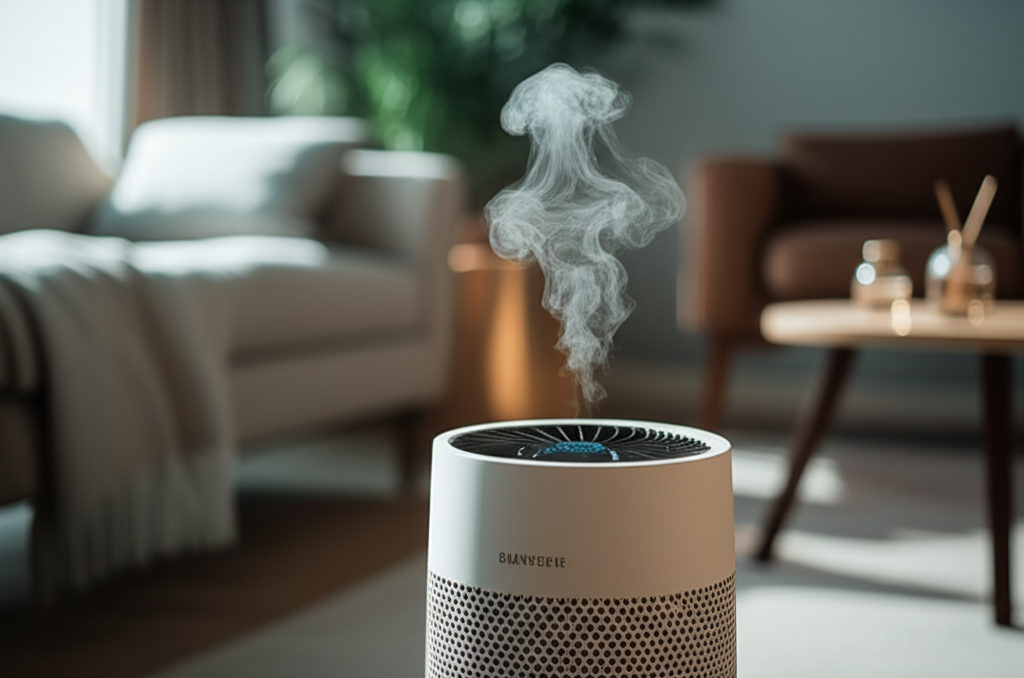
- Substantial Activated Carbon Filter: This is non-negotiable for effective VOC removal. Look for specifications detailing the amount of activated carbon used.
- HEPA Filter: While not for VOCs, a HEPA filter is essential for capturing fine particulate matter, offering comprehensive air purification.
- Pre-filter: This captures larger particles like dust and hair, extending the life of your main filters.
- CADR Ratings: Ensure the Clean Air Delivery Rate (CADR) is appropriate for your room size, indicating how quickly the unit can clean the air.
- Low Noise Levels: Especially important for bedrooms or living areas.
Understanding Air Purifier Ratings and Certifications
When evaluating air purifiers, certain certifications and ratings can provide valuable insight into their performance, especially concerning VOCs. Look for independent testing and verified claims to make an informed decision.
Organizations like the Association of Home Appliance Manufacturers (AHAM) provide CADR ratings, which measure how effectively an air purifier removes specific pollutants. While CADR primarily focuses on smoke, dust, and pollen, it’s a good indicator of overall air cleaning power.
Common Household VOC Sources and How Air Purifiers Help
Many common items in our homes release VOCs into the air. Understanding these sources can help you identify potential problem areas and appreciate the role an air purifier plays.
Cleaning products, new furniture (off-gassing), paints, varnishes, air fresheners, and even some cosmetics are significant contributors. An air purifier with a robust activated carbon filter can significantly reduce the concentration of these emitted VOCs, improving your indoor environment.
Maintaining Your Air Purifier for Optimal VOC Removal
To ensure your air purifier continues to effectively remove VOCs, regular maintenance is essential. Filters become saturated over time and lose their effectiveness, especially the activated carbon component.
Follow the manufacturer’s recommendations for filter replacement diligently. For activated carbon filters, this typically means replacing them every 6-12 months, depending on the level of VOCs and usage. Cleaning the pre-filter regularly also helps maintain airflow and prolongs the life of the main filters.
Table: Comparing Air Purifier Filter Types for VOCs
Understanding the different filter types helps in making the right choice for VOC removal.
| Filter Type | Effectiveness Against VOCs | Primary Function |
|---|---|---|
| HEPA Filter | None | Particulate matter (dust, pollen, pet dander) |
| Activated Carbon Filter | High | Gases, odors, chemicals (VOCs) |
| Pre-filter | None | Large particles (hair, lint) |
| UV-C Light | Limited/Indirect | Microorganisms (bacteria, viruses) |
| PCO (Photocatalytic Oxidation) | Variable/Potential Byproducts | Chemicals, odors |
This table highlights that for direct VOC removal, activated carbon is the standout technology.
Are There Any Downsides to Air Purifiers for VOCs?
While air purifiers offer significant benefits for VOC removal, it’s important to be aware of potential downsides or limitations. Some technologies can be less effective or even introduce new concerns if not properly utilized.
One common concern is the cost of replacement filters, which can add up over time. Additionally, some older or poorly designed PCO or ionizer units have been found to produce ozone, which itself is a lung irritant and a VOC. Always choose reputable brands that prioritize safety and transparency.
Frequently Asked Questions About Air Purifiers and VOCs
Do all air purifiers remove VOCs?
No, not all air purifiers are designed to remove VOCs. Those with only HEPA filters will not effectively capture these gaseous pollutants. You need an air purifier with a substantial activated carbon filter.
How do I know if an air purifier has enough activated carbon?
Look for specifications that detail the amount of activated carbon. A thicker, heavier filter usually indicates more capacity for adsorbing VOCs compared to a thin layer or carbon-impregnated pre-filter.
How often do I need to replace the activated carbon filter?
Replacement frequency varies by model and usage, but typically ranges from 6 to 12 months. Check your air purifier’s manual for specific recommendations.
Can an air purifier completely eliminate VOCs from my home?
While an air purifier can significantly reduce VOC levels, complete elimination is difficult. Source reduction (reducing the use of products that emit VOCs) is also crucial.
Are there any health risks associated with air purifiers themselves?
Some older or poorly designed air purifiers, particularly those using ionizers or PCO technology without proper safeguards, can produce ozone, which is harmful. Opt for ozone-free certified models.
What are the best air purifiers for removing VOCs?
Look for air purifiers from reputable brands that emphasize large activated carbon filters. Models specifically marketed for smoke, chemical removal, or strong odors are usually good candidates.
Conclusion: Breathe Easier with the Right Air Purifier
So, do air purifiers remove VOCs? Absolutely, when equipped with the right technology, primarily a substantial activated carbon filter. These invisible pollutants can impact your health and comfort, but you have the power to mitigate them. By understanding what VOCs are, where they come from, and how to choose an air purifier with a robust activated carbon component, you can significantly improve your indoor air quality.
Investing in a quality air purifier with ample activated carbon, combined with mindful choices about the products you bring into your home, is a proactive step towards a healthier living environment. Breathe easier knowing you’re taking effective measures to protect yourself and your loved ones from harmful VOCs.
