Can You Use Air Purifier Without Oil? Essential Guide

Yes, you can absolutely use an air purifier without oil. Most modern air purifiers do not require oil and rely on advanced filtration systems like HEPA and activated carbon to clean your air effectively. This guide will explain why oil isn’t typically needed and what to look for in an oil-free air purifier.
Can You Use Air Purifier Without Oil? An Essential Guide
Navigating the world of air purifiers can sometimes feel confusing, especially when you encounter terms or requirements that seem unusual. A common question that pops up is, “Can you use an air purifier without oil?” Many people worry they might need to add oil, like with some older appliances or humidifiers, and fear causing damage or making a mess. Rest assured, the vast majority of modern air purifiers are designed to operate efficiently without any need for oil. This guide will demystify the role of oil in air purification and show you exactly what to expect from an oil-free system.
Understanding Air Purifier Technology
Air purifiers work by drawing in air from a room and passing it through a series of filters to remove pollutants. These filters capture particles like dust, pollen, pet dander, mold spores, and even microscopic bacteria and viruses. The clean air is then recirculated back into the room, improving overall air quality.
Why the Confusion About Oil?
The idea of needing oil for an air purifier likely stems from older technologies or different types of home appliances. For instance, some humidifiers or older fan motors might require periodic oiling to keep them running smoothly. However, contemporary air purification technology has advanced significantly, moving away from such maintenance requirements for their core function.
Do Air Purifiers Need Oil for Their Motors?
No, most modern air purifiers do not need oil for their motors. Manufacturers design the motors in these devices with sealed bearings or other lubrication methods that do not require user intervention. Adding oil to a motor that doesn’t need it could actually cause damage or create a mess.
The Role of Filters in Air Purification
The primary components responsible for cleaning your air are the filters themselves. A typical air purifier will feature multiple stages of filtration. These often include a pre-filter for larger particles, a HEPA (High-Efficiency Particulate Air) filter for fine particles, and an activated carbon filter for odors and gases.
HEPA Filters: The Heart of Clean Air
HEPA filters are a critical component in most air purifiers. They are designed to capture at least 99.97% of airborne particles 0.3 microns in size. This includes common allergens and irritants, ensuring that the air you breathe is significantly cleaner and healthier.
Activated Carbon Filters for Odors and VOCs
Activated carbon filters are excellent at adsorbing, or trapping, odors, smoke, and Volatile Organic Compounds (VOCs). VOCs are gases emitted from everyday household products like paints, cleaning supplies, and furniture. These filters work chemically by trapping the molecules responsible for unpleasant smells and harmful gases.
Other Filtration Technologies
Beyond HEPA and carbon, some air purifiers incorporate other technologies like UV-C light to kill germs or ionizers to charge particles, making them easier to capture. It’s important to note that these additional technologies also do not require oil for their operation.
Maintenance of an Oil-Free Air Purifier
While you don’t need to worry about oil, air purifiers do require regular maintenance to function optimally. This primarily involves cleaning or replacing the filters. Always refer to your specific air purifier’s manual for recommended maintenance schedules and procedures.
Filter Replacement Schedule
The lifespan of filters varies depending on the model, usage, and the air quality in your home. Generally, HEPA and activated carbon filters need replacement every 6 to 12 months. Pre-filters can often be cleaned and reused, extending the life of the main filters.
Benefits of Using an Oil-Free Air Purifier
Opting for an air purifier that doesn’t require oil offers several advantages. It simplifies maintenance, reduces the risk of spills or messes, and ensures you’re using a device designed for modern, efficient air cleaning. You can enjoy peace of mind knowing your device is working effectively without needing extra, potentially messy, upkeep.
Choosing the Right Air Purifier
When selecting an air purifier, focus on its filtration capabilities, room coverage (CADR rating), noise level, and energy efficiency. Look for models with certified HEPA and activated carbon filters. Reading reviews and checking for certifications from organizations like AHAM (Association of Home Appliance Manufacturers) can also guide your decision.
Can You Use Essential Oils with an Air Purifier?
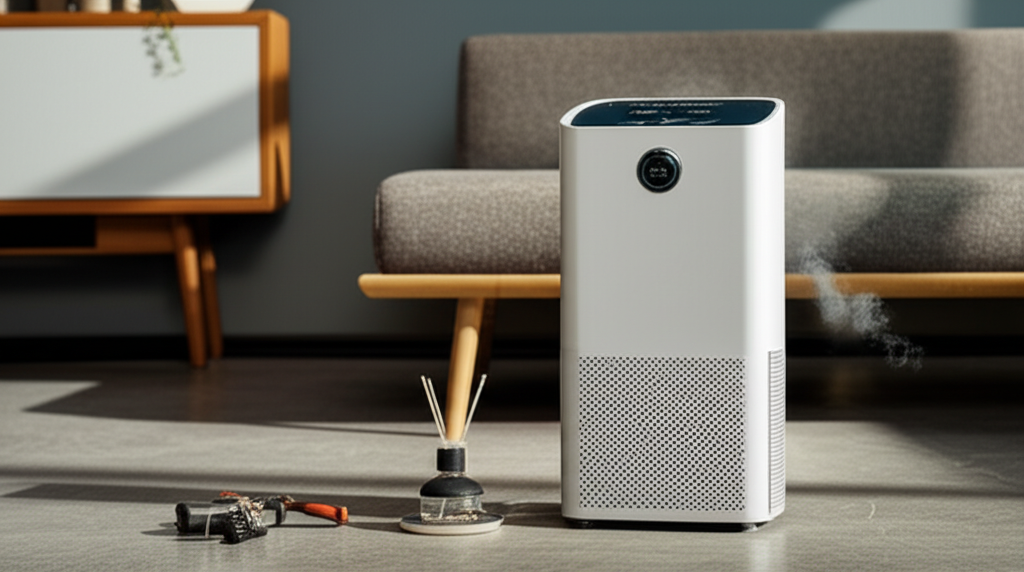
This is another common point of confusion. While you don’t use oil in the air purifier, some people wonder if they can add essential oils to the air. Generally, it’s not recommended to add essential oils directly to most air purifiers. The oils can potentially damage the filters, especially the HEPA and carbon filters, and may void your warranty. If you wish to enjoy aromatherapy, consider using a separate diffuser designed for essential oils.
Air Purifier Brands and Oil-Free Operation
Leading air purifier brands such as Coway, Blueair, Dyson, and Levoit all manufacture models that operate without the need for oil. Their designs prioritize advanced filtration and user convenience, ensuring a hassle-free experience. These brands focus on the effectiveness of their multi-stage filtration systems rather than oil-based mechanisms.
Troubleshooting Common Air Purifier Issues (Oil-Free)
If your air purifier isn’t working as expected, the issue is rarely related to oil. Common problems include clogged filters, which reduce airflow and efficiency. Ensure filters are clean or replaced according to the manufacturer’s instructions. Other issues might involve power supply problems or sensor malfunctions.
Frequently Asked Questions
What is the main function of an air purifier?
An air purifier’s main function is to remove airborne pollutants like dust, pollen, pet dander, smoke, and mold spores from your indoor air, thus improving its quality and making it healthier to breathe.
Do I need to lubricate my air purifier?
No, you do not need to lubricate most modern air purifiers. Their motors are designed for oil-free operation, and adding lubricant could cause damage.
How often should I replace my air purifier filters?
Filter replacement frequency depends on the model and usage, but typically HEPA and carbon filters need changing every 6 to 12 months. Always check your user manual for specific recommendations.
Can I add essential oils to my air purifier?
It is generally not recommended to add essential oils directly to your air purifier, as they can damage the filters and potentially void the warranty. Use a dedicated essential oil diffuser instead.
What does a HEPA filter do?
A HEPA filter is designed to capture at least 99.97% of airborne particles as small as 0.3 microns, including allergens, dust mites, and fine dust.
How do I know if my air purifier needs maintenance?
Signs your air purifier needs maintenance include reduced airflow, unusual noises, or a decrease in air quality. Many models also have filter replacement indicator lights.
Are there any air purifiers that do use oil?
It is extremely rare for modern residential air purifiers to use oil for their primary function. This requirement is more commonly associated with older humidifiers or specific types of industrial equipment, not standard air purifiers.
Conclusion
To answer the question definitively: can you use an air purifier without oil? Absolutely, and you should expect to do so. Modern air purifiers are engineered for convenience and efficiency, relying on sophisticated filtration systems rather than oil for their operation. By understanding how these devices work and prioritizing regular filter maintenance, you can ensure your home environment is filled with clean, healthy air. Enjoy the benefits of a purified home, free from the worry of oil-related upkeep.