
Can You Keep an Air Purifier on 24/7? Essential Guide

“`html
Can You Keep an Air Purifier on 24/7? Essential Guide
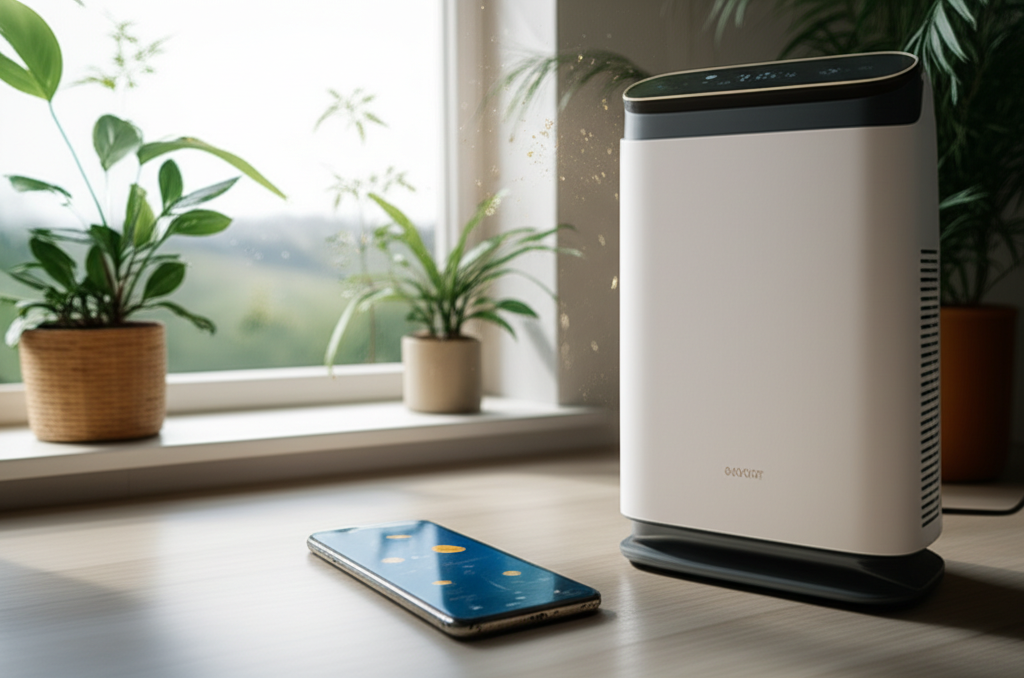
Yes, you can generally keep an air purifier on 24/7. Running your air purifier continuously is often recommended for optimal air quality, especially if you have allergies, asthma, pets, or live in an area with poor outdoor air. Modern air purifiers are designed for constant operation, offering benefits like consistent air cleaning and energy efficiency when used on lower settings.
Breathing cleaner air at home is a top priority for many, but a common question arises: can you keep an air purifier on 24/7? It’s a valid concern, as you want to ensure your home environment is healthy without unnecessary energy costs or wear and tear on your appliance. The good news is that for most modern air purifiers, the answer is a resounding yes. We’ll explore the benefits, considerations, and best practices to help you make the most of your air purifier, ensuring you and your family breathe easier every day.
Understanding Air Purifier Operation
Air purifiers work by drawing in air, filtering out pollutants, and releasing cleaner air back into the room. This continuous circulation is key to maintaining healthy indoor air quality. They are designed to be robust and efficient, making them suitable for constant use.
Most air purifiers are built with durable components that can withstand continuous operation. This design philosophy ensures they can effectively tackle airborne contaminants around the clock.
Is It Safe to Run an Air Purifier 24/7?
Absolutely. Running an air purifier 24/7 is not only safe but often the most effective way to ensure consistently clean air. This continuous operation is particularly beneficial for individuals with respiratory issues or those living in areas prone to high pollution levels.
Continuous use helps to constantly remove allergens, dust, smoke, and other irritants from your living space. This consistent filtering can significantly improve the air you breathe day in and day out.
Benefits of Running an Air Purifier Constantly
Keeping your air purifier on all the time provides a steady stream of purified air, significantly reducing the concentration of airborne pollutants. This constant cleaning is especially advantageous for people suffering from allergies or asthma, as it minimizes exposure to triggers.
Here are some key benefits of 24/7 operation:
- Consistent Air Quality: Maintains a low level of airborne contaminants at all times.
- Reduced Allergy Symptoms: Continuously removes allergens like pollen, pet dander, and dust mites.
- Odor Elimination: Helps to neutralize and remove lingering odors from cooking, pets, or smoke.
- Healthier Environment: Particularly beneficial for children, the elderly, and those with respiratory conditions.
- Peace of Mind: Ensures your home’s air is always being cleaned.
These advantages highlight why many users opt for continuous operation to maximize the health benefits of their air purification system.
Energy Consumption and Cost Considerations
While running an air purifier 24/7 might seem like it would significantly increase your electricity bill, modern units are surprisingly energy-efficient, especially on lower settings. Many units use as little electricity as a light bulb when operating on their most basic fan speed.
To manage energy costs, consider using the unit on its lowest setting when air quality is good or when you are away from home. Many advanced air purifiers also feature auto modes that adjust fan speed based on detected air quality, optimizing energy use.
Here’s a look at typical energy consumption:
| Air Purifier Setting | Typical Wattage | Estimated Daily Cost (at $0.15/kWh) |
|---|---|---|
| Low/Sleep Mode | 5-15W | $0.02 – $0.05 |
| Medium Setting | 20-40W | $0.07 – $0.14 |
| High Setting | 50-100W | $0.18 – $0.36 |
As you can see, running your air purifier on lower settings for extended periods is quite economical, making 24/7 operation a feasible choice for many households.
When to Run Your Air Purifier 24/7
There are specific scenarios where continuous operation is highly recommended to maintain optimal indoor air quality. These situations often involve persistent sources of pollution or individuals with heightened sensitivities to airborne particles.
Consider 24/7 operation if you:
- Have allergies or asthma.
- Own pets that shed dander.
- Live in an area with high outdoor pollution or during wildfire season.
- Frequently cook or have cooking odors linger.
- Live with young children or elderly individuals.
- Are concerned about VOCs (Volatile Organic Compounds) from new furniture or cleaning products.
These conditions create a constant need for air purification, making 24/7 operation a beneficial strategy.
Optimizing Air Purifier Placement for 24/7 Use
Proper placement of your air purifier is crucial for maximizing its effectiveness, especially when running it continuously. Ensure the unit has adequate space around it to draw in air and circulate purified air efficiently throughout the room.
Avoid placing the purifier directly against walls or furniture, as this can obstruct airflow and reduce its performance. Ideally, position it in a central location or where air circulation is most needed, such as near a primary living area or bedroom.
Key placement tips include:
- Keep it at least a foot away from walls and large furniture.
- Place it in the room where you spend the most time.
- Avoid areas with excessive humidity or direct sunlight.
- Ensure air inlets and outlets are unobstructed.
Thoughtful placement ensures your air purifier operates at peak efficiency around the clock.
Maintenance for Continuous Operation
To ensure your air purifier continues to operate effectively and efficiently when running 24/7, regular maintenance is essential. This primarily involves cleaning and replacing the filters according to the manufacturer’s recommendations.
A clogged filter will reduce airflow, decrease purification efficiency, and can even cause the unit to work harder, potentially shortening its lifespan. Cleaning pre-filters regularly and replacing HEPA and activated carbon filters on schedule are vital steps.
Essential maintenance tasks include:
- Clean Pre-filters: Wash or vacuum pre-filters every 2-4 weeks to catch larger particles.
- Replace HEPA Filters: Typically every 6-12 months, depending on usage and air quality.
- Replace Activated Carbon Filters: Usually every 6-12 months, as they absorb odors and VOCs.
- Clean the Unit: Wipe down the exterior and interior fan components periodically.
Following a consistent maintenance schedule ensures your air purifier performs optimally, even with continuous operation.
Choosing the Right Air Purifier for 24/7 Use
When selecting an air purifier intended for continuous operation, several factors should guide your decision. Prioritize models known for their energy efficiency, quiet operation, and robust build quality to ensure both performance and cost-effectiveness.
Look for units with features like automatic modes, energy-saving certifications (e.g., Energy Star), and durable filter systems. The size of the unit should also match the room it will be used in, ensuring it can effectively purify the entire space.
Consider these features when choosing:
- HEPA Filtration: Essential for capturing fine particles.
- Activated Carbon Filters: Crucial for removing odors and VOCs.
- CADR (Clean Air Delivery Rate): Ensure it’s appropriate for your room size.
- Noise Level: Look for models with low decibel ratings for bedrooms or living areas.
- Energy Efficiency: Energy Star certification is a good indicator.
- Smart Features: Auto modes and air quality sensors can optimize performance and energy use.
A well-chosen air purifier will serve your needs effectively for years to come with 24/7 operation.
Potential Downsides of 24/7 Operation
While running an air purifier 24/7 offers many advantages, there are a few potential downsides to consider. The most common concerns revolve around filter replacement costs and the possibility of over-drying the air in certain conditions.
Continuously running the unit means filters will need replacement more frequently, adding to the ongoing operational cost. Also, in very dry climates, constant air circulation might slightly reduce indoor humidity, which could be a concern for some individuals.
Here are some points to keep in mind:
- Ongoing Filter Costs: Regular replacement of HEPA and carbon filters is necessary.
- Slightly Drier Air: In arid environments, continuous operation might subtly lower humidity.
- Potential for Noise: Even quiet units can become noticeable over extended periods.
These potential drawbacks are generally manageable with proper planning and selection of the right unit.
Air Purifier Settings for 24/7 Use
When you decide to keep your air purifier on 24/7, selecting the appropriate settings can optimize performance and energy efficiency. Most units offer multiple fan speeds, and using the lower settings is generally recommended for continuous operation.
Lower settings provide sufficient air purification for most daily situations while consuming less energy and operating more quietly. Many modern air purifiers also feature an “auto” mode, which automatically adjusts the fan speed based on real-time air quality readings.
Optimal settings for 24/7 use:
- Auto Mode: Allows the purifier to adapt to changing air quality.
- Low Fan Speed: Ideal for maintaining clean air quietly and efficiently when pollution levels are moderate.
- Sleep Mode: Offers the quietest operation and lowest energy consumption, perfect for bedrooms.
By intelligently using these settings, you can ensure a healthy environment without excessive energy expenditure.
Frequently Asked Questions
Do air purifiers need to be turned off at night?
No, it is generally not necessary to turn off your air purifier at night. Many people find that running it continuously, especially on a lower or sleep setting, provides the best air quality throughout the night, which is crucial for restful sleep and overall health.
Will running an air purifier 24/7 wear it out faster?
Modern air purifiers are designed for continuous operation. While any electronic device experiences wear over time, running one 24/7 on appropriate settings is unlikely to significantly shorten its lifespan compared to frequent on-off cycles. Regular maintenance is more critical for longevity.
Can I leave my air purifier on when I’m not home?
Yes, you can leave your air purifier on when you’re not home. This is an excellent way to ensure that your home’s air is being continuously cleaned, especially if you have pets or live in an area with poor outdoor air quality. Using a lower setting or auto mode can help conserve energy.
How often should I replace the filters if I run my air purifier 24/7?
If you run your air purifier 24/7, you may need to replace the filters slightly more frequently than if you used it intermittently. Always follow the manufacturer’s specific recommendations, but expect HEPA and carbon filters to potentially last between 6 to 12 months depending on usage and your home’s air quality.
Is it bad to run an air purifier in an empty room?
It’s not inherently bad to run an air purifier in an empty room, but it might be less efficient in terms of energy use if there are no occupants or significant pollutant sources. However, if the goal is to continuously clean the air in anticipation of use or to maintain a baseline air quality, it can be beneficial.
What’s the difference between an air purifier and an air filter?
An air purifier is a complete appliance that actively cleans the air using filters (like HEPA and activated carbon) and a fan. An air filter, often referred to as a furnace filter or HVAC filter, is a component that is typically installed within your home’s central heating, ventilation, and air conditioning (HVAC) system to trap particles as air circulates through it.
Can an air purifier make the air too dry?
While air purifiers primarily focus on particle removal, very continuous operation in extremely dry climates might slightly reduce indoor humidity. However, this effect is usually minimal and not a primary concern for most users. If dry air is an issue, consider using a humidifier in conjunction with your air purifier.
Conclusion
In conclusion, the question of can you keep an air purifier on 24/7 is answered with a confident yes for most modern units. Running your air purifier continuously is not only safe but often the most effective strategy for maintaining superior indoor air quality, particularly for those with allergies, respiratory conditions, or pets. By understanding the benefits of constant operation, managing energy consumption through appropriate settings and placement, and adhering to a regular maintenance schedule, you can ensure your air purifier consistently delivers cleaner, healthier air.
Embracing 24/7 use allows you to maximize the health advantages of your air purifier, creating a more comfortable and breathable living environment for everyone in your home. It’s a simple yet powerful step towards a healthier lifestyle.
“`


