
Can Humidifier Be Used With Air Purifier? Essential Guide

Yes, you can often use a humidifier and an air purifier together, but there are crucial factors to consider for optimal performance and to avoid potential issues like mold growth or reduced effectiveness.
Can Humidifier Be Used With Air Purifier? Your Essential Guide
Many of us strive for the perfect indoor environment, a sanctuary of clean, comfortable air. You might already own an air purifier to tackle allergens and pollutants, and perhaps you’re considering a humidifier to combat dry air, especially during winter months. This naturally leads to a common question: can you use a humidifier with an air purifier? The short answer is yes, but it’s not as simple as just placing them side-by-side. Understanding how these devices interact is key to maximizing their benefits and ensuring your air quality is truly optimal.
The Synergy of Humidifiers and Air Purifiers
Combining a humidifier and an air purifier can create a remarkably balanced indoor atmosphere, tackling both airborne contaminants and uncomfortable dryness. When used correctly, these devices work in harmony to improve your overall respiratory health and comfort. Air purifiers capture microscopic particles like dust, pollen, and pet dander, while humidifiers add moisture to the air, preventing dry throat, skin, and nasal passages.
How They Complement Each Other
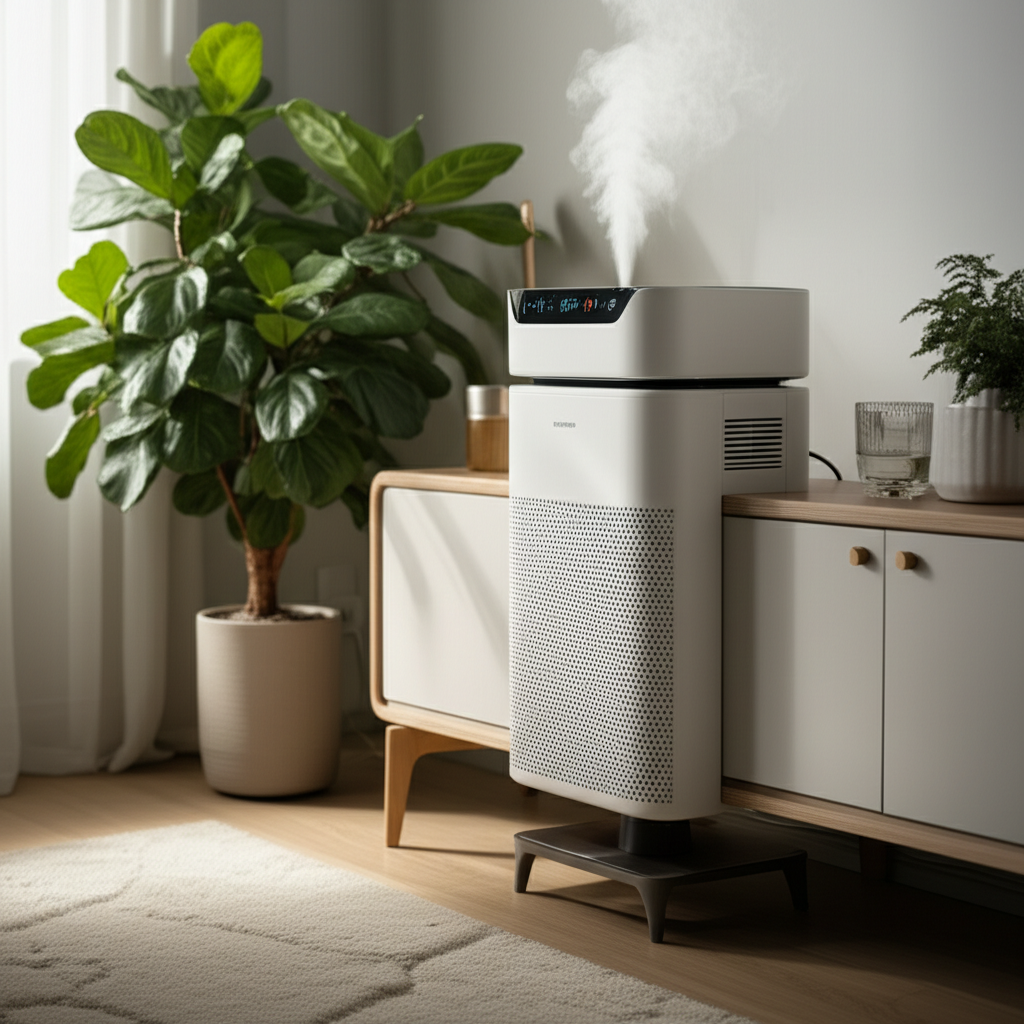
Improved Respiratory Comfort: By maintaining optimal humidity levels, humidifiers can soothe irritated airways, making it easier to breathe, especially for those with allergies or asthma.
Reduced Static Electricity: Dry air often leads to static shocks. Adding moisture can significantly reduce this annoyance.
Healthier Skin and Hair: Adequate humidity prevents skin from drying out and can improve hair health.
Protection for Furnishings: Extremely dry air can damage wooden furniture, musical instruments, and even paint.
Understanding the Potential Challenges
While the benefits are clear, there are potential downsides to using these devices together if not managed properly. The primary concern is creating an environment where mold and bacteria can thrive, or where the effectiveness of one or both devices is compromised. It’s crucial to be aware of these challenges to prevent them.
The Risk of Over-Humidification
Excessive humidity, often above 60%, can create a breeding ground for mold, mildew, dust mites, and bacteria. These microscopic organisms can then be circulated by your air purifier, ironically worsening air quality. It’s essential to monitor humidity levels closely.
Potential for Mineral Dust
Ultrasonic and impeller humidifiers, especially those using tap water, can release fine mineral dust into the air. If you’re running an air purifier simultaneously, especially one with a HEPA filter, this mineral dust can clog the filter prematurely, reducing its lifespan and effectiveness.
Can Humidifier Be Used With Air Purifier? The Verdict
The definitive answer to can humidifier be used with air purifier is yes, with important caveats. The key lies in strategic placement, proper maintenance, and understanding the types of humidifiers and air purifiers you are using. By following best practices, you can enjoy the combined benefits without the drawbacks.
Optimal Placement Strategies
Where you place your humidifier and air purifier relative to each other significantly impacts their performance and prevents potential issues. Incorrect placement can lead to reduced efficiency and even damage. Careful consideration of airflow and distance is vital.
Maintaining Distance
It’s generally recommended to keep your humidifier and air purifier at least a few feet apart. Placing them too close can cause the humidifier’s moisture to be immediately drawn into the air purifier’s intake, potentially overwhelming its filters or causing condensation. A good rule of thumb is to position them in opposite corners of the room or with at least one piece of furniture between them.
Airflow Considerations
Ensure both devices have unobstructed airflow to operate efficiently. The air purifier needs to draw in air from all directions, and the humidifier needs to disperse moisture evenly. Avoid placing them directly next to each other or in enclosed spaces where air circulation is poor.
Choosing the Right Humidifier Type
Not all humidifiers are created equal, and some are better suited for use with air purifiers than others. Understanding the technology behind your humidifier can help you avoid common pitfalls like mineral dust.
Evaporative Humidifiers: A Safer Bet
Evaporative humidifiers use a fan to blow air through a wet wick or filter, causing the water to evaporate naturally into the air. This process is self-regulating; as humidity rises, evaporation slows down. Crucially, they don’t produce the mineral dust associated with ultrasonic models, making them a more compatible choice with air purifiers.
Ultrasonic Humidifiers: Use with Caution
Ultrasonic humidifiers use high-frequency vibrations to create a cool mist. While effective, they can disperse minerals present in tap water into the air as a fine white dust. If you use an ultrasonic humidifier, it’s highly recommended to use distilled or demineralized water to prevent this dust from affecting your air purifier’s filter and potentially being redistributed.
Selecting the Ideal Air Purifier
The type of air purifier you choose also plays a role in how well it interacts with a humidifier. Air purifiers with robust filtration systems are generally more resilient.
HEPA Filters and Humidifiers
True HEPA filters are designed to capture 99.97% of particles as small as 0.3 microns. While they are excellent at trapping pollutants, they can also trap the mineral dust from ultrasonic humidifiers. This can lead to premature filter clogging and reduced air purification efficiency. Regular cleaning and replacement of HEPA filters are essential when using them with humidifiers.
Activated Carbon Filters
Many air purifiers also feature activated carbon filters, which are excellent at absorbing odors and VOCs (Volatile Organic Compounds). These filters are less susceptible to clogging from mineral dust compared to HEPA filters. However, excessive moisture can degrade the carbon’s effectiveness over time.
Maintaining Optimal Humidity Levels
The most critical aspect of using a humidifier and air purifier together is maintaining the correct humidity level. Too dry is uncomfortable, but too humid can be detrimental to health and your home.
Using a Hygrometer
A hygrometer is a small, inexpensive device that measures the humidity level in your room. It’s an essential tool when using a humidifier. Aim for a relative humidity level between 40% and 50%. This range is comfortable for most people and discourages the growth of mold and dust mites.
Monitoring and Adjustment
Regularly check your hygrometer readings and adjust your humidifier’s output accordingly. If the humidity is too high, reduce the humidifier’s setting or turn it off temporarily. If it’s too low, increase the output. Your air purifier will then work to clean the air at these optimal levels.
Water Quality Matters: Distilled vs. Tap Water
The type of water you use in your humidifier directly impacts the potential for mineral dust and the longevity of your air purifier’s filters. This is a crucial consideration for anyone asking can humidifier be used with air purifier.
The Benefits of Distilled Water
Using distilled or demineralized water in your humidifier is the best way to prevent mineral dust from being released into the air. This protects your air purifier’s HEPA filter from premature clogging and ensures that only clean, purified air is circulated. While it requires more effort and cost, it’s a worthwhile investment for cleaner air and better device performance.
Tap Water and Its Consequences
Tap water contains minerals that, when dispersed by ultrasonic or impeller humidifiers, can settle on surfaces as a fine white residue. This dust can be inhaled and can also be drawn into your air purifier, reducing its filter efficiency and potentially causing damage over time. If you must use tap water, consider a different type of humidifier or be prepared for more frequent filter replacements.
Cleaning and Maintenance Regimen
Proper and regular cleaning of both your humidifier and air purifier is paramount, especially when they are used in tandem. Neglecting maintenance can lead to the very problems you’re trying to avoid.
Humidifier Cleaning Schedule
Daily: Empty, rinse, and dry the water tank and basin.
Weekly: Disinfect the humidifier components according to the manufacturer’s instructions. Use a mild bleach solution or vinegar for thorough cleaning to kill bacteria and mold.
Monthly: Descale the unit if mineral buildup is visible, especially if using tap water.
Air Purifier Filter Care
Pre-filters: Clean regularly (often weekly or bi-weekly) by vacuuming or rinsing, depending on the material.
* HEPA and Activated Carbon Filters: These are typically not washable and need replacement according to the manufacturer’s recommendations, usually every 6-12 months. Using a humidifier might necessitate more frequent replacements.
Can Humidifier Be Used With Air Purifier in the Same Room?
Yes, they can absolutely be used in the same room, provided you follow the placement and maintenance guidelines outlined above. The goal is to create a balanced environment, not to create conditions that hinder either device. Think of it as a team effort for optimal air quality.
Room Size Considerations
For smaller rooms, be extra vigilant about monitoring humidity levels. In larger spaces, the moisture from the humidifier may disperse more naturally, but the principles of distance and airflow still apply. Ensure both devices are appropriately sized for the room they are in.
Best Practices Summary Table
| Device Component | Best Practice with Humidifier Use | Potential Issue if Ignored |
| :——————— | :————————————————————– | :—————————————————————– |
| Humidifier Water | Use distilled or demineralized water. | Mineral dust clogs air purifier filters, can be inhaled. |
| Humidifier Placement | At least 3-5 feet away from air purifier, with clear airflow. | Moisture overwhelms air purifier, condensation, reduced efficiency. |
| Humidity Level | Maintain 40-50% relative humidity using a hygrometer. | >60% promotes mold/bacteria; <30% causes dryness and discomfort. |
| Air Purifier Filter | Clean pre-filters regularly; replace HEPA/carbon filters as needed. | Premature clogging, reduced air purification, potential damage. |
| Humidifier Cleaning | Daily rinsing, weekly disinfection, monthly descaling. | Bacteria/mold growth, which air purifier can circulate. |
Frequently Asked Questions
Q1: Will my air purifier damage my humidifier?
No, your air purifier will not damage your humidifier. The concern is the other way around: the humidifier’s output (especially mineral dust) can potentially impact the air purifier’s filter efficiency and lifespan.
Q2: Can I use a humidifier and air purifier in a small bedroom?
Yes, but you must be extra careful with placement and humidity monitoring. Keep them several feet apart and use a hygrometer to ensure humidity stays within the ideal 40-50% range.
Q3: Do I need to clean my air purifier filter more often if I use a humidifier?
Potentially, yes. If your humidifier releases mineral dust or if the increased humidity leads to more airborne particles, your air purifier’s filters may need more frequent cleaning or replacement.
Q4: What type of humidifier is best to use with an air purifier?
Evaporative humidifiers are generally considered safer for use with air purifiers because they don’t produce mineral dust. If using an ultrasonic humidifier, always opt for distilled or demineralized water.
Q5: Can I put my humidifier and air purifier right next to each other?
It’s not recommended. Placing them at least a few feet apart allows for better air circulation and prevents the humidifier’s mist from being immediately drawn into the air purifier, which can reduce the effectiveness of both.
Q6: How do I know if my humidity level is too high?
Look for signs like condensation on windows, a musty smell, or a feeling of clamminess in the air. Using a hygrometer is the most accurate way to monitor humidity levels.
Conclusion
So, to circle back to our primary question: can humidifier be used with air purifier? Absolutely, and it can be a fantastic combination for creating a truly comfortable and healthy indoor environment. By understanding the potential challenges and implementing best practices for placement, water quality, and regular maintenance, you can harness the dual benefits of purified air and optimal humidity. Always monitor your humidity levels with a hygrometer, opt for distilled water in ultrasonic humidifiers, and keep both devices clean. This diligent approach ensures you’re breathing easier, healthier air every day.
