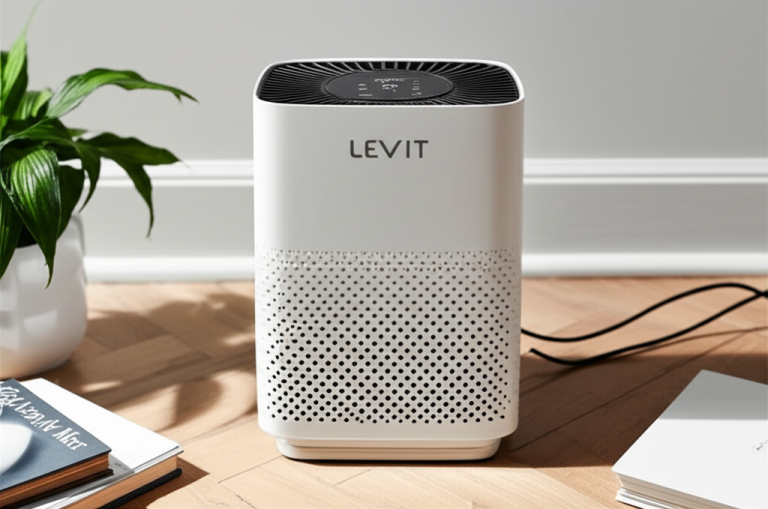
Can An Air Purifier Help With Eczema? Proven Relief

Yes, an air purifier can significantly help manage eczema symptoms by removing common airborne irritants that trigger flare-ups, offering proven relief for sensitive skin.
Eczema, also known as atopic dermatitis, is a chronic skin condition that causes red, itchy, and inflamed skin. For many, flare-ups are frustratingly unpredictable, often linked to environmental triggers. If you’re struggling with persistent eczema, you might be wondering if improving your indoor air quality could make a difference. The good news is that it absolutely can. This article will explore how air purifiers work, what specific pollutants they target, and how they can provide much-needed relief for your sensitive skin. We’ll delve into the science and offer practical advice to help you find the best solution for your eczema.
Understanding Eczema Triggers in Your Home
Eczema flare-ups can be triggered by a variety of factors, and many of these reside in the air we breathe indoors. Common culprits include dust mites, pet dander, mold spores, pollen that has infiltrated your home, and even volatile organic compounds (VOCs) released from everyday products. When these microscopic particles become airborne, they can land on your skin or be inhaled, leading to inflammatory responses that worsen eczema. Identifying and mitigating these airborne triggers is a crucial step in managing your condition effectively.
Dust Mites: The Tiny, Itchy Culprits
Dust mites are microscopic creatures that thrive in warm, humid environments like bedding, carpets, and upholstery. Their waste products are a common allergen that can significantly irritate eczema-prone skin. While you can’t eliminate them entirely, reducing their population and airborne presence is key. Air purifiers equipped with HEPA filters are highly effective at capturing these tiny particles, preventing them from circulating in your home.
Pet Dander: More Than Just Fur
Pet dander consists of tiny flakes of skin shed by animals with fur or feathers. These microscopic particles are notorious for triggering allergic reactions and worsening eczema symptoms. Even if you don’t have pets, dander can be tracked into your home from outside. A good air purifier can trap pet dander before it settles on surfaces or irritates your skin, offering a breath of fresh air for pet owners with eczema.
Mold Spores: The Hidden Menace
Mold thrives in damp areas and releases spores into the air, which can be potent allergens for individuals with eczema. Common sources include bathrooms, kitchens, basements, and even leaky pipes. Mold spores can cause allergic reactions and respiratory issues, often exacerbating skin inflammation. Air purifiers with activated carbon filters can help capture these spores, along with other odors and gases.
Pollen and Other Outdoor Allergens
While pollen is an outdoor allergen, it easily finds its way indoors through open windows, doors, and even on clothing and pets. Once inside, it can remain airborne for extended periods, triggering hay fever and eczema flare-ups. Air purifiers with high-quality filters can significantly reduce the amount of pollen circulating in your home, providing a sanctuary from seasonal allergies.
Volatile Organic Compounds (VOCs): The Invisible Irritants
VOCs are gases emitted from various household products, including paints, cleaning supplies, air fresheners, and furniture. These invisible chemicals can irritate the respiratory system and skin, potentially triggering eczema. Activated carbon filters in air purifiers are designed to absorb these gases and odors, improving overall indoor air quality. Understanding the sources of VOCs can help you make informed choices about the products you use in your home.
How Air Purifiers Combat Eczema Triggers
Air purifiers work by drawing in the air from a room, passing it through a series of filters, and then releasing cleaner air back into the environment. The effectiveness of an air purifier for eczema relief hinges on the types of filters it uses and its ability to circulate air efficiently in your space. By removing airborne irritants before they can contact your skin or be inhaled, these devices create a less reactive environment. This can lead to a noticeable reduction in itching, redness, and inflammation.
The Power of HEPA Filters
High-Efficiency Particulate Air (HEPA) filters are the gold standard for air purification. A true HEPA filter is certified to capture at least 99.97% of airborne particles 0.3 microns in size. This includes microscopic irritants like dust mite allergens, pet dander, mold spores, and even some bacteria and viruses. For eczema sufferers, a HEPA filter is essential for trapping the very particles that can cause skin reactions.
Activated Carbon Filters for Odors and Gases
While HEPA filters excel at capturing particulate matter, activated carbon filters are crucial for removing gases, odors, and VOCs from the air. Activated carbon is a porous material that adsorbs chemical pollutants. Many air purifiers combine HEPA and activated carbon filters to provide comprehensive air cleaning, addressing both particle and gas-phase irritants that can affect eczema.
The Role of Pre-filters
Most air purifiers also feature a pre-filter, which is typically washable. The pre-filter’s primary job is to capture larger particles like hair and lint, preventing them from reaching and clogging the more sensitive HEPA and carbon filters. This not only extends the lifespan of the main filters but also ensures the purifier operates at peak efficiency for longer periods.
Air Circulation and Room Size
The effectiveness of an air purifier also depends on its ability to circulate the air in a given room. Look for the Clean Air Delivery Rate (CADR) to understand how quickly a unit can clean the air. A higher CADR means faster and more effective purification. It’s also important to choose a purifier rated for the size of the room you intend to use it in to ensure optimal performance.
Proven Relief: How Air Purifiers Can Help Your Eczema
The direct impact of cleaner indoor air on eczema symptoms can be profound. By reducing exposure to common allergens and irritants, air purifiers help to calm the inflammatory responses that characterize eczema. Many individuals report a significant decrease in itching, redness, and the frequency of flare-ups after consistently using an air purifier. This creates a more comfortable living environment and can improve overall quality of life.
Reducing Itching and Inflammation
When airborne allergens like dust mite feces or pet dander are removed from the air, they are less likely to trigger an allergic reaction on your skin. This reduction in exposure can directly translate to less itching and inflammation, allowing your skin to heal and recover. Consistent use is key to maintaining these benefits and preventing new irritants from accumulating.
Improving Sleep Quality
Eczema symptoms, particularly itching, can be significantly worse at night, disrupting sleep. By purifying the air in your bedroom, you can create a more conducive environment for restful sleep. Less airborne irritation means less nighttime scratching and more uninterrupted sleep, which is crucial for skin repair and overall well-being.
Creating a Sanctuary at Home
For individuals with eczema, their home should be a safe haven from environmental triggers. An air purifier helps transform your living space into such a sanctuary by actively removing allergens and pollutants. This peace of mind, knowing your indoor environment is cleaner, can itself contribute to a reduction in stress, which is another known eczema trigger.
Choosing the Right Air Purifier for Eczema
Selecting the best air purifier for your eczema requires careful consideration of several factors. Not all purifiers are created equal, and some features are more beneficial for allergy and eczema sufferers than others. Prioritizing true HEPA filtration and appropriate coverage for your space are the most critical steps.
Key Features to Look For
True HEPA Filter: Essential for capturing 99.97% of particles down to 0.3 microns.
Activated Carbon Filter: Crucial for adsorbing odors, VOCs, and gases.
Appropriate CADR: Ensure the CADR is suitable for your room size for effective air cleaning.
Low Noise Levels: Particularly important for bedroom use to avoid sleep disruption.
Energy Efficiency: Look for ENERGY STAR certified models to save on electricity costs.
Filter Replacement Indicators: Helpful for knowing when to replace filters for optimal performance.
Understanding CADR and Room Size
The Clean Air Delivery Rate (CADR) indicates how quickly an air purifier can filter specific pollutants. You’ll often see ratings for dust, pollen, and smoke. For eczema, focusing on dust and pollen CADR is particularly relevant. A general rule of thumb is to choose a purifier with a CADR rating that is at least two-thirds of the room’s square footage. For example, for a 150 sq ft room, aim for a CADR of at least 100 for dust and pollen.
Comparing Popular Air Purifier Brands and Models
Several reputable brands offer air purifiers well-suited for eczema relief. While specific models change, understanding what to look for in brands like Coway, Levoit, Blueair, and Austin Air can guide your decision. Always check for independent lab certifications like AHAM Verifide for CADR ratings.
| Brand | Key Strengths for Eczema | Considerations |
| :———– | :———————————————————– | :————————————————- |
| Coway | Excellent HEPA and carbon filtration, quiet operation. | Filter replacement costs can be moderate. |
| Levoit | Affordable, often includes multiple stages of filtration. | May be less powerful for very large rooms. |
| Blueair | High CADR, efficient particle capture (HEPASilent technology). | Some models can be pricier, carbon filter is optional. |
| Austin Air | Medical-grade HEPA and large carbon beds, very durable. | Larger footprint, higher initial cost, can be louder. |
The Importance of Filter Maintenance
To ensure your air purifier continues to effectively combat eczema triggers, regular filter maintenance is crucial. Pre-filters should be cleaned or replaced according to the manufacturer’s instructions, typically monthly. HEPA and activated carbon filters have a limited lifespan and will need to be replaced periodically, usually every 6-12 months, depending on usage and air quality. Failing to replace filters can reduce the purifier’s efficiency and even lead to the recirculation of trapped pollutants.
Integrating Air Purifiers into Your Eczema Management Plan
An air purifier is a valuable tool, but it’s most effective when integrated into a comprehensive eczema management strategy. This means continuing with your dermatologist’s recommended treatments, maintaining a healthy lifestyle, and being mindful of other environmental factors that can affect your skin. Think of the air purifier as a powerful ally in creating a healthier living environment.
Complementing Other Eczema Treatments
Using an air purifier should not replace medical advice or prescribed treatments from your doctor. It works best alongside topical treatments, proper hydration, and identifying other personal triggers. By reducing airborne irritants, you can help your skin respond better to treatments and potentially reduce the need for stronger medications.
Lifestyle Habits for Cleaner Air
Beyond using an air purifier, certain lifestyle habits can further improve your indoor air quality. Regularly vacuuming with a HEPA-filter vacuum, dusting with a damp cloth, washing bedding in hot water to kill dust mites, and keeping pets groomed can all contribute to reducing airborne allergens. Minimizing the use of harsh chemicals and air fresheners also helps reduce VOCs.
When to Consider Multiple Units
If you have a larger home or spend time in different areas, you might consider placing air purifiers in multiple rooms where you spend the most time, such as the bedroom, living room, and home office. This ensures consistent protection from airborne triggers throughout your daily routine.
Frequently Asked Questions About Air Purifiers and Eczema
Can an air purifier cure eczema?
No, an air purifier cannot cure eczema, as it is a chronic condition. However, it can significantly help manage symptoms by removing airborne triggers that exacerbate flare-ups, leading to proven relief.
How often should I run my air purifier for eczema?
For best results, it’s recommended to run your air purifier continuously, especially in the rooms where you spend the most time, like your bedroom and living area.
What type of air purifier is best for eczema?
The best air purifiers for eczema typically feature a True HEPA filter to capture fine particles and an activated carbon filter to remove odors and gases.
Will an air purifier help with dust allergies that worsen my eczema?
Yes, air purifiers with HEPA filters are highly effective at capturing dust mites and their allergens, which are common triggers for dust allergies and eczema flare-ups.
Can air purifiers help with mold-related eczema triggers?
Yes, air purifiers can help by capturing airborne mold spores. However, it’s also crucial to address the source of mold growth with proper ventilation and moisture control.
Are air purifiers noisy?
Many modern air purifiers are designed to operate quietly, especially on lower fan speeds. Look for models with low decibel ratings if noise is a concern, particularly for bedroom use.
How do I know if my air purifier is working for my eczema?
You’ll likely notice a reduction in itching, redness, and the frequency of flare-ups over time with consistent use. Keeping a symptom diary can help track improvements.
Conclusion: Breathe Easier, Live Better with Cleaner Air
Living with eczema can be challenging, but taking proactive steps to control your environment can make a significant difference. By understanding how airborne irritants contribute to flare-ups and by leveraging the power of air purifiers, you can create a healthier, more comfortable living space. A true HEPA filter, combined with activated carbon, is your best defense against dust mites, pet dander, mold spores, and VOCs. Investing in a quality air purifier is an investment in your well-being, offering a pathway to clearer skin and a better quality of life. If you’re wondering can an air purifier help with eczema, the evidence suggests a resounding yes, providing proven relief and a breath of fresh air for your sensitive skin.