
Can You Add Scent To Air Purifier? Essential Guide

Yes, you can add scent to an air purifier, but it’s crucial to do it correctly to avoid damaging the device or compromising its effectiveness. This guide explores safe methods and alternatives for a fragrant, clean home.
The gentle hum of an air purifier is a welcome sound for many, promising cleaner air. But what if you’d also like a touch of pleasant fragrance? It’s a common desire: to enjoy both purified air and a lovely scent. Many wonder, “Can you add scent to air purifier systems?” The answer isn’t a simple yes or no, as doing so improperly can harm your device. This guide will demystify the process, offering safe and effective ways to achieve a beautifully scented and purified atmosphere in your home.
Understanding: Can You Add Scent To Air Purifier
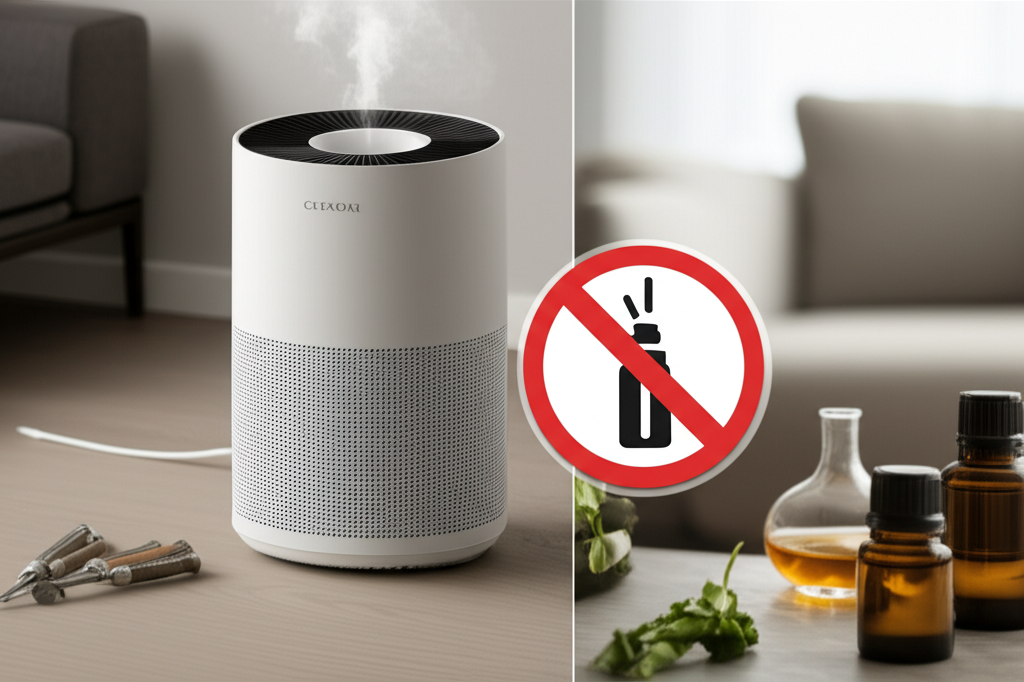
Air purifiers are designed to capture airborne particles like dust, pollen, and smoke. They typically use filters, often including activated carbon, to trap these pollutants. Introducing essential oils or fragrance oils directly into the filter system can clog these delicate components, reducing the purifier’s efficiency and potentially causing permanent damage. It’s essential to understand that most air purifiers are not designed to diffuse scents.
Why Adding Scent Directly to Your Air Purifier is Risky
Directly adding oils or scented liquids to an air purifier’s filters can have detrimental effects. These substances are not designed to be filtered and can coat the filter media, hindering its ability to capture pollutants. This can lead to reduced airflow, increased strain on the motor, and a compromised purification process. Furthermore, some oils can degrade plastic components over time, leading to costly repairs.
Safe Methods for Scenting Your Air (Without Harming Your Purifier)
While directly adding scent isn’t recommended, there are several effective and safe alternatives. These methods allow you to enjoy a fragrant home alongside the benefits of air purification. They focus on scent diffusion separate from the purification mechanism, ensuring both systems work optimally.
Method 1: Using a Separate Diffuser
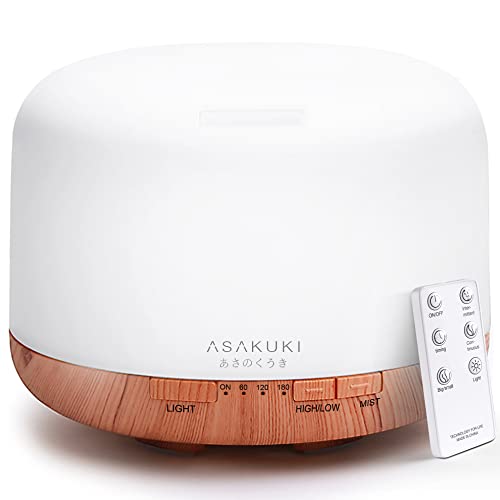
The most straightforward and safest method is to use a dedicated essential oil diffuser. These devices are specifically designed to disperse essential oils into the air, creating a pleasant aroma. Place your diffuser in the same room as your air purifier, but not so close that the mist directly enters the purifier’s intake. This allows both devices to perform their intended functions without interference.
Method 2: Scented Sachets or Cotton Balls
For a more subtle approach, consider using scented sachets or cotton balls. Place a few drops of your favorite essential oil onto a cotton ball or a small sachet. Then, strategically place these in areas around the room, away from the air purifier itself. This method provides a gentle, localized scent that won’t impact your air purifier’s performance.

Method 3: DIY Scented Air Fresheners
You can also create your own natural air fresheners. Simple solutions like simmering potpourri on the stove or using baking soda mixed with essential oils in a bowl can effectively scent a room. These methods are gentle and do not involve introducing liquids or oils into your air purification system. They offer a customizable way to enjoy natural fragrances.
Method 4: Scented Room Sprays
High-quality, natural room sprays can also be used to add fragrance to your living space. Opt for sprays made with essential oils and water or alcohol bases. A light mist sprayed into the air, allowing it to dissipate naturally, can refresh your room without coming into contact with your air purifier. Ensure the spray is not directed towards the appliance.

What NOT to Do When Scenting Your Air
It’s crucial to understand what actions to avoid to protect your air purifier. These include never pouring liquids into the water tank (if applicable), never placing oils on the filters, and avoiding any DIY modifications that involve the internal components of the purifier. Sticking to external and separate scenting methods is key.
Avoid Filter Modifications
Never attempt to add essential oils or any scented liquids directly onto the air purifier’s filters. The filters are designed to capture particles, not to absorb and diffuse oils. This will clog the filters, reduce their lifespan, and compromise their ability to clean your air.
Do Not Pour Liquids into the Unit
If your air purifier has a water tank, such as some humidifying air purifiers, never add essential oils or scented liquids to it. These tanks are for water only. Adding oils can damage the internal mechanisms and the tank itself, potentially leading to leaks or electrical issues.
Steer Clear of DIY “Hacks”
Be wary of online “hacks” suggesting you can add scent directly to your air purifier. These often lead to device damage and void warranties. Always prioritize the manufacturer’s guidelines and opt for methods that keep scent diffusion separate from the air purification process.
Air Purifier Brands and Scent Considerations
While most major air purifier brands, such as Levoit, Coway, and Blueair, do not endorse adding scents directly to their units, some newer models are emerging with integrated scent diffusion features. It’s always best to consult your specific model’s manual to understand its capabilities and limitations.
Models Designed for Scent Diffusion
A small but growing number of air purifiers are being released with dedicated compartments for essential oil pads or trays. These are specifically engineered to allow for safe scent diffusion without compromising the air purification function. Brands like some newer models might incorporate this feature. Always check the product specifications carefully.
Standard Air Purifiers: Stick to Separate Methods
For the vast majority of air purifiers on the market, including most models from established brands, you must use separate devices for scenting. This ensures the longevity and effectiveness of your air purification investment. Relying on external diffusers or other methods is the safest bet for standard units.
Choosing the Right Essential Oils for Your Home
When using essential oils, quality matters. Opt for pure, therapeutic-grade essential oils from reputable brands. Avoid synthetic fragrance oils, which can contain harmful chemicals and may not offer the same natural benefits. Consider the mood you wish to create: lavender for relaxation, citrus for energy, or eucalyptus for a refreshing feel.
Popular Essential Oils for Home Fragrance
Lavender: Known for its calming and relaxing properties, ideal for bedrooms.
Lemon/Orange: Uplifting and energizing, perfect for living areas or kitchens.
Peppermint: Invigorating and can help clear the senses, good for studies or bathrooms.
Eucalyptus: Refreshing and can aid in creating a clean-smelling environment.
Tea Tree Oil: Known for its purifying properties and fresh scent.
🌿 Pros and Cons of Adding Scent to Air Purification
Integrating scent can enhance your home’s ambiance, but it’s important to weigh the benefits against the risks. Understanding these can help you make informed decisions about how to best scent your home.
| Feature | Pros | Cons |
|---|---|---|
| Ambiance | Creates a pleasant and inviting atmosphere. | Overpowering scents can be irritating or trigger allergies. |
| Aromatherapy | Offers potential therapeutic benefits from essential oils. | Some essential oils may be unsafe for pets or children; requires careful research. |
| Masking Odors | Effectively masks unpleasant smells and freshens the space. | Does not remove the root cause of the odor; air purification is still needed. |
| Device Safety | Using separate scenting methods helps preserve purifier longevity and function. | Directly applying oils or scents to purifiers can cause damage or void warranties. |
| Cost | Diffusers and oils offer flexibility in scent options and intensity. | Ongoing costs for oils or devices; DIY scenting can be cheaper but less consistent. |
Frequently Asked Questions (FAQ)
Can I put essential oils directly on my air purifier filter?
No, you should never put essential oils directly on your air purifier filter. This can clog the filter, reduce its effectiveness, and potentially damage the unit.
Are there air purifiers that can diffuse scents?
Yes, some newer air purifier models are designed with specific compartments or features for diffusing essential oils safely. Always check the product specifications.
What happens if I add essential oil to my air purifier’s water tank?
Adding essential oils to a water tank designed only for water can damage the internal components, lead to leaks, and potentially cause electrical hazards.
Can I use fragrance oils instead of essential oils?
While you can use fragrance oils in separate diffusers, be cautious. Pure essential oils are generally preferred for their natural properties and aromatherapy benefits. Synthetic fragrance oils can sometimes contain harsh chemicals.
How can I safely add scent to a room with an air purifier?
The safest ways include using a separate essential oil diffuser, placing scented sachets or cotton balls strategically, using natural room sprays, or employing other DIY scenting methods away from the air purifier.
Conclusion: Scenting Your Space Safely
So, can you add scent to air purifier systems? The answer, for most standard models, is a resounding no, not directly. However, this doesn’t mean you have to sacrifice a beautifully fragranced home for clean air. By understanding the limitations of your air purifier and opting for separate, safe scenting methods, you can enjoy the best of both worlds. Invest in a dedicated diffuser, explore simple DIY solutions, and always prioritize your air purifier’s integrity. This approach ensures your device continues to deliver pure, clean air while your home remains wonderfully fragrant.
