Which Air Purifier Is Best For Cigarette Smoke: Essential Guide

The best air purifier for cigarette smoke uses a robust HEPA filter and activated carbon to capture tiny particles and neutralize odors. Look for a high CADR, especially for smoke, and a large coverage area. Consider models with multiple filtration stages for maximum effectiveness against the complex pollutants in secondhand smoke.
The smell of cigarette smoke can linger in your home, making it unpleasant. It’s not just the smell; smoke particles can be bad for your health. Finding the right air purifier can make a big difference. This guide will help you understand what to look for. We will explore the best air purifiers to tackle cigarette smoke. You’ll learn how they work and which features matter most. Let’s make your home fresh and healthy again.
Why Cigarette Smoke is Tough to Remove from Air
Cigarette smoke is more than just a bad smell. It contains thousands of tiny particles and harmful chemicals. These particles are very small, often less than 1 micron in size. They can easily get into your lungs. The smoke also releases gases that cause strong, persistent odors. Regular air fresheners only mask the smell. They don’t remove the harmful particles. This is why a specialized air purifier is needed.
Understanding Air Purifier Technology for Smoke
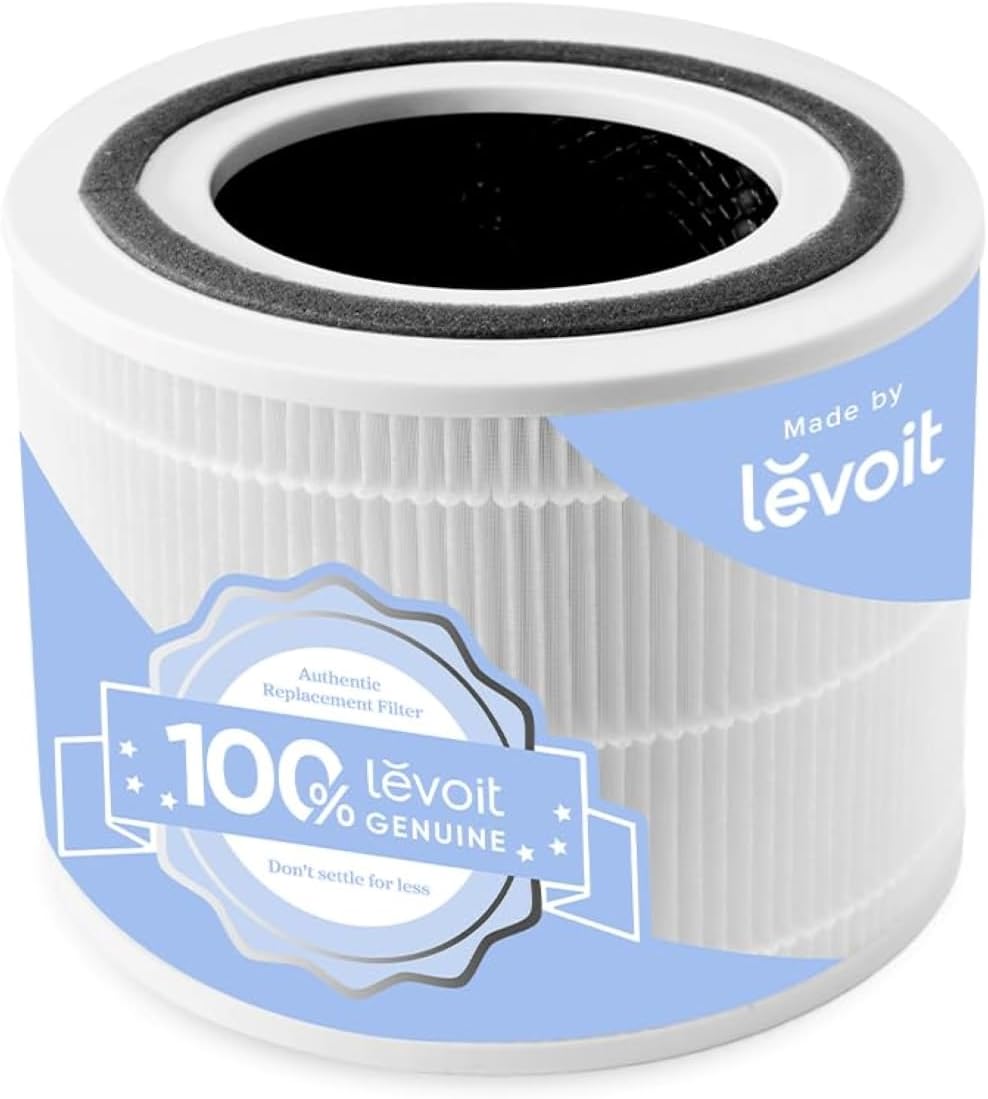
Air purifiers use different filters to clean the air. For cigarette smoke, two types are most important. A True HEPA filter captures at least 99.97% of airborne particles as small as 0.3 microns. This includes smoke particles. An activated carbon filter is crucial for absorbing odors and gases. These filters work together to clean the air effectively. Some purifiers also use pre-filters to catch larger dust and pet hair.
Key Features to Look for in a Smoke-Fighting Air Purifier
When choosing an air purifier for cigarette smoke, several features are vital. The Clean Air Delivery Rate (CADR) is a key metric. It measures how quickly an air purifier cleans a room of smoke, dust, and pollen. Higher CADR ratings mean faster cleaning. You also need to consider the room size the purifier can handle. Always match the purifier’s capacity to your room’s square footage. Look for units with substantial activated carbon filters, as smoke odors are a major concern.
HEPA vs. Activated Carbon: The Dynamic Duo for Smoke
A True HEPA filter is the first line of defense against smoke particles. It traps the tiny bits of tar and other solids. However, HEPA filters don’t remove odors. That’s where activated carbon comes in. Activated carbon is a highly porous material. It acts like a sponge, absorbing the gases and volatile organic compounds (VOCs) that cause smoke smell. The more activated carbon a purifier has, the better it will be at eliminating odors.
What is CADR and Why It Matters for Smoke
The CADR rating tells you how effective an air purifier is. It’s rated for smoke, dust, and pollen. For cigarette smoke, you want a high smoke CADR. This number shows how much smoke-free air the unit produces per minute. For example, a CADR of 100 means it can clean 100 cubic feet of air in one minute. The U.S. Environmental Protection Agency (EPA) recommends choosing a purifier with a CADR rating at least two-thirds of the room’s square footage. This ensures it can handle the air volume effectively.
Activated Carbon Filter: The Odor Eliminator
The activated carbon filter is your best friend against the persistent smell of cigarette smoke. It’s not just a thin layer; for serious smoke issues, look for purifiers with a thick, high-quality carbon filter. Some brands use granular activated carbon, which offers more surface area for absorption than a thin carbon-infused mesh. A good carbon filter can last for months, but it will eventually become saturated and need replacement.
Pre-Filters and Other Filtration Layers
While HEPA and activated carbon are the stars, other layers help. A pre-filter is usually the first stage. It catches larger particles like hair and dust. This protects the more expensive HEPA and carbon filters. It extends their lifespan. Some purifiers also include other technologies like UV-C light or ionizers. While these can kill germs, ionizers can sometimes produce ozone, which is a lung irritant. For smoke, focus on HEPA and carbon first.
Room Size and Air Changes Per Hour (ACH)
Choosing the right size purifier is critical. A purifier too small for your room will struggle to keep up. It won’t effectively remove smoke particles and odors. Look at the manufacturer’s recommended room size. Also, consider Air Changes Per Hour (ACH). This is how many times the purifier can circulate and clean all the air in the room each hour. For smoke, aim for at least 4-5 ACH. This means the air is cleaned that many times every hour.
Top Air Purifiers for Cigarette Smoke: Our Recommendations
After reviewing many models, here are some of the best air purifiers for tackling cigarette smoke. These models combine strong HEPA and carbon filtration with good CADR ratings.
| Air Purifier Model | True HEPA Filter | Activated Carbon | CADR (Smoke) | Room Size (sq ft) | Key Features |
| :—————– | :————— | :————— | :———– | :—————- | :———– |
| Blueair Classic 405 | Yes | High-performance filter | 180 | 279 | HEPASilent technology, energy-efficient |
| Coway Airmega 200M | Yes | Large activated carbon filter | 140 | 361 | Smart sensor, filter replacement indicator |
| Winix 5500-2 | True HEPA | High-grade activated carbon | 120 | 360 | PlasmaWave technology (optional), washable pre-filter |
| Levoit Core 300S | True HEPA | Custom activated carbon | 141 | 219 | Smart control via VeSync app, quiet operation |
These are just a few examples. Always check the latest specifications. A strong filtration system is your main goal.
How to Maximize Your Air Purifier’s Effectiveness
To get the most out of your air purifier, place it strategically. Put it in the room where smoking occurs most often. Keep windows and doors closed while the purifier is running. This prevents fresh smoke from entering. Regularly clean or replace the filters as recommended by the manufacturer. A dirty filter can’t clean the air effectively. Consider running the purifier on a higher setting when someone is smoking.
What About Ozone and Ionizers?
Some air purifiers use ionizers or UV-C light. Ionizers release negative ions that help particles clump together and fall out of the air. However, some ionizers can produce ozone as a byproduct. Ozone is a lung irritant and can worsen respiratory problems. The EPA advises caution with ozone-generating devices. For cigarette smoke, prioritizing True HEPA and substantial activated carbon is generally safer and more effective. Always check if a purifier is CARB (California Air Resources Board) certified for ozone safety.
User Experiences and Real-World Results
Many users have found relief from cigarette smoke with dedicated air purifiers. Sarah K. from California shared, “We had a persistent smoky smell from a previous tenant. The Coway Airmega 200M made a huge difference within days. The air feels so much cleaner, and the smell is gone.” John D. in Texas noted, “The Levoit Core 300S is surprisingly powerful for its size. It handles the smoke from my occasional cigars much better than anything else I’ve tried.” These real-world results highlight the impact of a good unit.
Maintenance and Filter Replacement Costs
Air purifiers require ongoing maintenance. The biggest cost is usually filter replacement. HEPA filters typically last 6-12 months, while activated carbon filters may need replacement every 3-6 months, depending on usage and smoke levels. Pre-filters can often be washed. Check the manufacturer’s guidelines for specific replacement schedules. Factor these ongoing costs into your budget when choosing a model.
Conclusion: Breathe Easier with the Right Air Purifier
Choosing which air purifier is best for cigarette smoke involves looking beyond basic air cleaning. You need a robust system with both True HEPA and ample activated carbon filtration. A high CADR rating for smoke and suitability for your room size are also essential. By understanding these features and investing in a quality unit, you can significantly reduce smoke particles and eliminate lingering odors. This will help create a healthier and more pleasant living environment for everyone.
Frequently Asked Questions About Air Purifiers for Smoke
Q1: How often should I run my air purifier for cigarette smoke?
You should run your air purifier as often as possible, especially when someone is smoking or shortly after. Continuous operation is best for maintaining clean air.
Q2: Can an air purifier completely remove cigarette smoke smell?
A good air purifier with a strong activated carbon filter can significantly reduce and often eliminate cigarette smoke smell. It works by absorbing odor-causing particles.
Q3: How long do air purifier filters last when used for smoke?
Filters used for heavy smoke may need replacement sooner than stated. HEPA filters might last 6-12 months, and carbon filters 3-6 months. Check manufacturer recommendations.
Q4: Is it safe to use an air purifier with an ionizer for smoke?
Be cautious. Some ionizers produce ozone, which can be harmful. Look for CARB-certified models if you choose one with an ionizer. Focus on HEPA and carbon filters first.
Q5: Do I need a different air purifier for electronic cigarettes (vapes)?
While vape aerosols are different from cigarette smoke, they still contain particles and chemicals. An air purifier with HEPA and carbon filters is still beneficial for vaping.
Q6: Where is the best place to put an air purifier for smoke?
Place the air purifier in the room where smoking happens most. Keep it away from corners and furniture so air can circulate freely.
Q7: Can an air purifier prevent smoke damage to furniture and walls?
Air purifiers help reduce the amount of smoke residue that settles on surfaces. This can lessen staining and the need for deep cleaning over time.