What Are The Best Air Purifiers For Smoke: Proven Solutions

Looking for the best air purifiers for smoke? This guide reveals proven solutions to clear your air, focusing on HEPA filters, activated carbon, and CADR ratings to tackle wildfire smoke, cooking fumes, and more. Find the right purifier for a healthier home.
Breathing in smoke, whether from wildfires, cooking, or fireplaces, can be really unpleasant and even harmful. It irritates your throat and lungs. You might notice that smoky smell lingering for days. Many people worry about the tiny particles in smoke that you can’t see. Fortunately, there are effective ways to clean your indoor air. We’ll explore what makes an air purifier great for smoke and highlight some top choices. Let’s get your home smelling fresh and feeling healthy again.
What Are The Best Air Purifiers For Smoke?
The best air purifiers for smoke are units that effectively capture fine particulate matter and neutralize odors. They typically feature a True HEPA filter to trap smoke particles and an activated carbon filter to absorb smells and gases. Look for a high Clean Air Delivery Rate (CADR) for smoke, indicating how quickly it can clean a room. These purifiers are essential for homes affected by wildfire smoke, heavy cooking, or smoking indoors.
Understanding Smoke Particles and Their Impact
Smoke is made of tiny solid and liquid particles. These particles are incredibly small, some as tiny as 0.1 microns. Wildfire smoke can contain ash, soot, and various chemicals. When you breathe these in, they can reach deep into your lungs. This can cause coughing, wheezing, and make breathing difficult, especially for those with asthma or other lung conditions. Even without existing health issues, prolonged exposure can be a concern.
Why True HEPA Filters Are Crucial for Smoke
True HEPA filters are a game-changer for smoke. HEPA stands for High-Efficiency Particulate Air. These filters are designed to capture at least 99.97% of airborne particles that are 0.3 microns in size. Smoke particles are often within this size range, or even smaller. A True HEPA filter acts like a super-fine sieve, trapping these harmful particles before they can be recirculated in your home. This significantly reduces the amount of smoke you inhale.
The Power of Activated Carbon for Smoke Odors
While HEPA filters tackle the particles, activated carbon filters are vital for smoke odors. Activated carbon is a highly porous material that has been treated to be extremely absorbent. It works by a process called adsorption, where smoke-related gases and volatile organic compounds (VOCs) stick to its surface. This means it effectively removes that lingering smoky smell from your home, leaving the air fresh.
What is CADR and Why Does It Matter for Smoke?
CADR stands for Clean Air Delivery Rate. It’s a measure of how quickly an air purifier can clean the air in a room. For smoke, you want a high CADR rating specifically for smoke. The higher the CADR for smoke, the faster the purifier can remove smoke particles and odors from your space. Manufacturers test CADR for different pollutants like dust, pollen, and smoke. Always check the smoke CADR when choosing a unit for smoke issues.
Key Features to Look For in a Smoke Air Purifier
When selecting an air purifier for smoke, several features stand out. A robust pre-filter can catch larger particles like pet hair, extending the life of your HEPA filter. Some purifiers offer specialized filters for smoke, which might contain more activated carbon. Smart features like air quality sensors that automatically adjust fan speed are also very useful. Look for units with a high ACH (Air Changes per Hour) rating, meaning they can cycle the air in a room multiple times per hour.
Top Air Purifier Recommendations for Smoke
Based on expert reviews and user feedback, several air purifiers consistently perform well for smoke. These models combine effective filtration, strong performance, and reliable design. I’ve found these brands often deliver excellent results in real-world smoke events.
Here are some of the best air purifiers for smoke:
Coway Airmega 200M: Known for its strong HEPA and carbon filtration, it’s great for medium to large rooms. It’s also relatively quiet.
Blueair Blue Pure 211+ Auto: This model excels with its large filter surface area and ability to handle large spaces. Its simple design is also a plus.
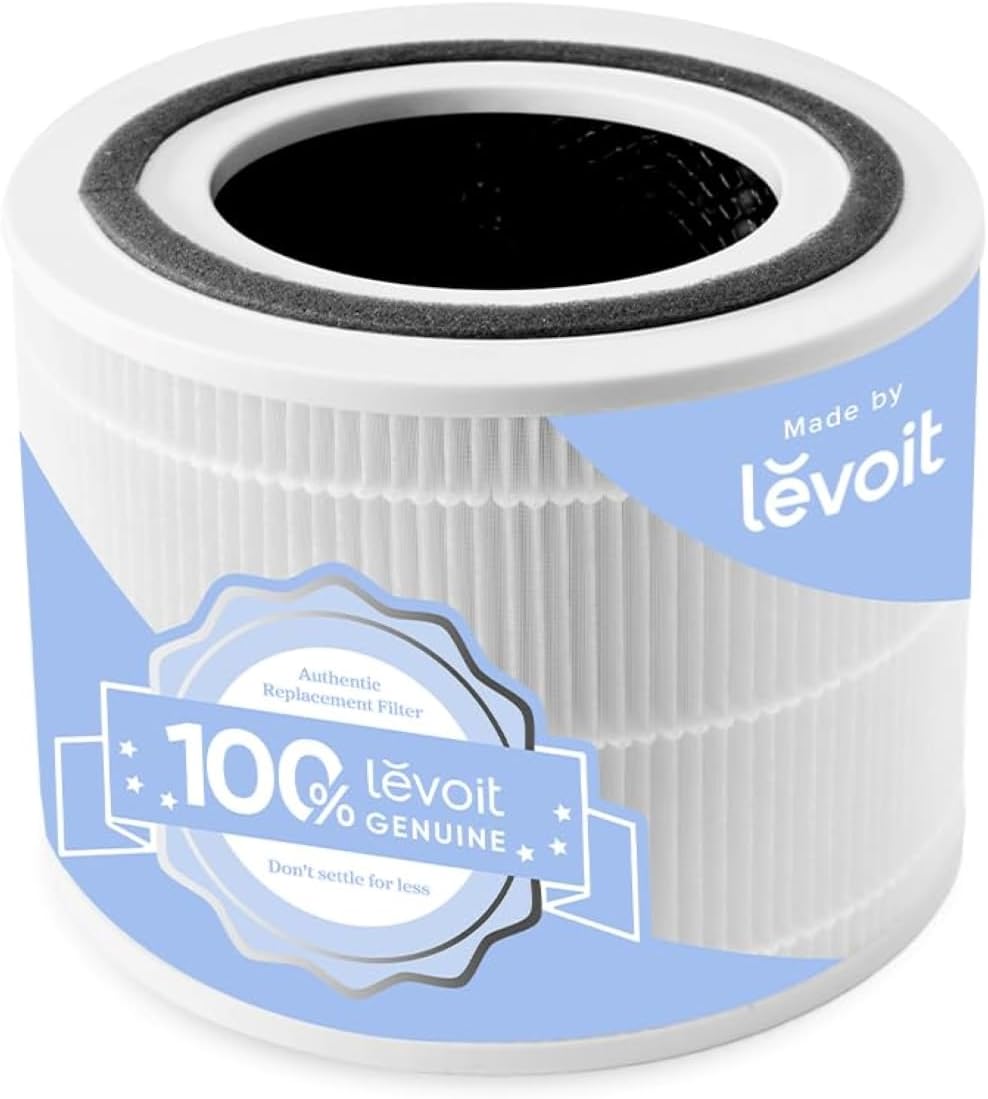
Levoit Core 300S: A more budget-friendly option that’s effective for smaller rooms. It features a three-stage filtration system.
Winix 5500-2: This purifier offers a True HEPA filter, an activated carbon filter, and PlasmaWave technology, which can be turned off if preferred. It’s a solid all-around performer.
Coway Airmega 200M: A Reliable Choice
The Coway Airmega 200M is a popular choice for good reason. It uses a multi-stage filtration system that includes a washable pre-filter, an activated carbon filter, and a True HEPA filter. This combination effectively captures smoke particles and neutralizes odors. Its design is sleek, and it operates at a reasonable noise level, making it suitable for bedrooms or living areas.
Key Takeaway: The Coway Airmega 200M offers a balanced performance for smoke with effective multi-stage filtration.
Blueair Blue Pure 211+ Auto: Large Room Powerhouse
For larger spaces, the Blueair Blue Pure 211+ Auto is an excellent option. It features a unique combination of electrostatic and mechanical filtration, along with a large activated carbon filter. This allows it to capture a wide range of smoke particles and odors efficiently. The “Auto” version includes an air quality sensor that adjusts the fan speed automatically, ensuring optimal performance.
Key Takeaway: The Blueair Blue Pure 211+ Auto is ideal for tackling smoke in larger rooms with its advanced filtration.
Levoit Core 300S: Budget-Friendly Effectiveness
If you need a capable air purifier for a smaller room without breaking the bank, the Levoit Core 300S is a great pick. It employs a three-stage filtration system: a pre-filter, a True HEPA filter, and an activated carbon filter. This setup is effective at removing smoke particles and common odors. Its compact size makes it easy to place almost anywhere.
Key Takeaway: The Levoit Core 300S provides effective smoke filtration for smaller spaces at an accessible price point.
Winix 5500-2: Feature-Rich Performance
The Winix 5500-2 is a well-rounded air purifier that offers excellent value. It includes a True HEPA filter, an AOC (Advanced Odor Control) carbon filter, and the PlasmaWave feature. While PlasmaWave can help break down airborne pollutants, it’s good to know it can be switched off if you have concerns. This purifier is highly effective against smoke and is often recommended for its overall performance.
Key Takeaway: The Winix 5500-2 delivers strong smoke purification with multiple filtration stages and an optional ionizer.
How to Size Your Air Purifier for Smoke
Sizing an air purifier correctly is crucial for effective smoke removal. You need to match the purifier’s capacity to the size of your room. Manufacturers often provide a “room coverage” area or a CADR rating. For smoke, it’s best to choose a purifier rated for a slightly larger room than you have. This ensures it can effectively clean the air even during heavy smoke events. A good rule of thumb is to aim for an air purifier that can achieve at least 4-5 Air Changes per Hour (ACH) for the room size.
Placement and Maintenance for Optimal Smoke Filtration
Where you place your air purifier and how you maintain it significantly impact its performance against smoke. Place the purifier in the room where you spend the most time, or where the smoke is most concentrated. Avoid blocking the air intake or outlet vents, as this reduces airflow and efficiency. Regularly clean or replace the pre-filter to catch larger particles and extend the life of the HEPA and carbon filters. Follow the manufacturer’s recommendations for replacing the HEPA and carbon filters, typically every 6-12 months, depending on usage and smoke levels.
What About Ionizers and Ozone?
Some air purifiers use ionizers or produce ozone to help clean the air. Ionizers release charged ions into the air, which can cause particles to clump together and fall out of the air. Ozone is a gas that can neutralize odors and pollutants. However, ozone can be harmful to your health, especially for those with respiratory issues. If you are sensitive to ozone or concerned about its effects, it’s best to choose an air purifier that does not produce ozone or has an option to turn off the ionizer feature. Many reputable sources, like the U.S. Environmental Protection Agency (EPA), advise caution with ozone-generating air cleaners.
When to Consider a Commercial-Grade Air Purifier
For extreme smoke situations, such as prolonged wildfire smoke or heavy industrial pollution, a commercial-grade air purifier might be necessary. These units are built for heavy-duty use and often have much higher CADR ratings and more robust filtration systems. They can handle larger spaces and more intense pollution levels than typical home units. However, they are also more expensive and can be quite noisy. For most home users, a high-quality residential unit will suffice.
Frequently Asked Questions About Air Purifiers for Smoke
What is the most important filter type for smoke?
The most important filter types for smoke are a True HEPA filter to capture fine smoke particles and an activated carbon filter to absorb smoke odors and gases.
How often should I replace filters for smoke?
You should replace HEPA and activated carbon filters for smoke every 6 to 12 months, or sooner if they appear visibly dirty or the purifier’s performance decreases.
Can air purifiers completely remove smoke smell?
Yes, air purifiers with sufficient activated carbon can significantly reduce or completely remove smoke smell by adsorbing odor-causing molecules.
Do air purifiers work for wildfire smoke?
Yes, air purifiers with True HEPA filters are very effective at removing fine particulate matter from wildfire smoke, helping to improve indoor air quality.
How large of a room can an air purifier clean from smoke?
This depends on the purifier’s CADR rating and the room size. Always choose a purifier rated for a room slightly larger than yours for effective smoke removal.
Is it safe to run an air purifier 24/7 for smoke?
Yes, it is generally safe and recommended to run an air purifier 24/7 when dealing with smoke to maintain continuous air cleaning.
Conclusion: Breathe Easier with the Right Air Purifier
Dealing with smoke in your home can be stressful, but choosing the right air purifier offers a proven solution for cleaner, healthier air. By focusing on units with True HEPA filters for particle capture and activated carbon filters for odor removal, you can effectively tackle smoke from wildfires, cooking, and more. Always consider the CADR rating and room size to ensure optimal performance. Investing in a quality air purifier is an investment in your family’s well-being, allowing you to breathe easier and enjoy a fresher home environment.
If you found this guide helpful, consider subscribing for more tips on creating a healthy home.