What Is The Best Air Purifier For VOCs: Proven Solution

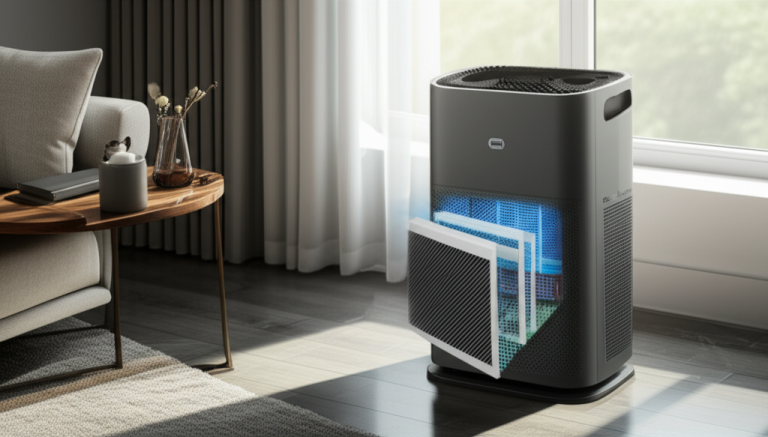
The best air purifier for VOCs uses a combination of activated carbon and HEPA filtration to effectively capture these harmful gases. Look for models with substantial carbon filters and high CADR ratings for a proven solution to indoor air quality issues.
Are you worried about the invisible gases in your home? Many common household items release Volatile Organic Compounds (VOCs). These can affect your health. Finding the right air purifier can feel overwhelming. This guide will help you understand VOCs and choose the best air purifier for your needs. We’ll walk you through what to look for and why.
Understanding Volatile Organic Compounds (VOCs)
VOCs are chemicals that can easily turn into gases at room temperature. They come from many things we use every day. Paints, cleaning supplies, furniture, and even air fresheners can release VOCs. Breathing these in can cause headaches, dizziness, and long-term health problems. Knowing where they come from is the first step to a cleaner home.
The U.S. Environmental Protection Agency (EPA) provides extensive information on VOCs and their sources. They highlight that indoor air can be much more polluted than outdoor air. This is largely due to VOCs emitted from common household products.
Why Are VOCs a Problem in Your Home?
VOCs can make your home environment unhealthy. They contribute to poor indoor air quality. Symptoms of exposure can range from mild to severe. These include eye, nose, and throat irritation. Some VOCs are even linked to serious illnesses like cancer. Protecting your family from these invisible threats is crucial for well-being.
What Makes an Air Purifier Effective Against VOCs?
Not all air purifiers are created equal when it comes to VOCs. Standard HEPA filters capture particles like dust and pollen. They do not effectively remove gases. For VOCs, you need a purifier with a strong activated carbon filter. This special filter acts like a sponge, trapping gas molecules. The more carbon a purifier has, the better it will be at removing VOCs.
The Power of Activated Carbon Filtration
Activated carbon is a highly porous material. It’s treated to be extremely absorbent. When air passes through it, VOC molecules stick to the carbon’s surface. This process is called adsorption. A larger amount of activated carbon means more surface area to capture these gases. This makes it a critical component for tackling VOCs effectively.
HEPA Filters: Still Important for Overall Air Quality
While activated carbon targets VOCs, a High-Efficiency Particulate Air (HEPA) filter is still essential. HEPA filters capture tiny particles that carbon filters miss. These include dust, mold spores, pet dander, and bacteria. A good air purifier for VOCs will combine both activated carbon and a HEPA filter. This ensures comprehensive air cleaning for a healthier home.
Key Features to Look for in a VOC Air Purifier
When selecting an air purifier for VOCs, consider several features. The size of the activated carbon filter is paramount. Look for units with a substantial amount of carbon. Also, check the Clean Air Delivery Rate (CADR) for the room size. A higher CADR means faster air cleaning. Consider noise levels and energy efficiency too.
Here’s a quick look at important features:
Activated Carbon Filter: The more, the better for VOCs.
HEPA Filter: Captures fine particulate matter.
CADR Rating: Match this to your room size.
Pre-filter: Captures larger particles, extending the life of other filters.
Coverage Area: Ensure it’s suitable for your room dimensions.
Noise Level: Important for bedrooms or quiet spaces.
* Filter Replacement Indicator: Helps you know when to change filters.
Top Air Purifier Technologies for VOC Removal
Several air purifier technologies work well for VOCs. The most proven is the combination of activated carbon and HEPA. Some purifiers also use photocatalytic oxidation (PCO) or UV light. However, these can sometimes create ozone, which is another lung irritant. Always choose purifiers certified as ozone-free.
The Association of Home Appliance Manufacturers (AHAM) provides CADR ratings for many air purifiers. These ratings help consumers compare performance. They certify that the manufacturer’s claims are accurate.
How to Choose the Right Size and Capacity
Choosing the correct size air purifier is vital for effective VOC removal. A unit too small for your room will run constantly without fully cleaning the air. Check the manufacturer’s recommended room size. This is usually based on the CADR rating. A higher CADR for smoke, dust, or pollen generally means better airflow. This airflow is what pulls air through the carbon filter.
Consider the number of air changes per hour (ACH). For optimal VOC reduction, aim for at least 4-5 ACH. This means the purifier cycles all the air in the room at least 4-5 times every hour.
Understanding Filter Lifespan and Replacement Costs
Activated carbon filters have a limited lifespan. They become saturated with VOCs over time. This means they can no longer trap new gases. The lifespan varies by model and the level of VOCs in your home. Typically, carbon filters need replacement every 3-6 months. HEPA filters usually last longer, often 6-12 months. Factor these replacement costs into your decision.
Here’s a general comparison of filter lifespans:
| Filter Type | Typical Lifespan | Purpose |
| :————– | :————— | :————————————— |
| Activated Carbon | 3–6 months | Captures VOCs and odors |
| HEPA Filter | 6–12 months | Captures fine particulate matter |
| Pre-filter | Washable/Monthly | Captures larger particles (dust, hair) |
Proven Solutions: Recommended Air Purifier Brands for VOCs
Based on performance and user reviews, certain brands stand out for VOC removal. Coway, Blueair, and Austin Air are often recommended. These brands use substantial activated carbon filters. They also offer robust HEPA filtration. Always check specific model details for carbon filter size and type.
For example, Coway’s Airmega series often features large carbon filters. Blueair’s HEPASilent technology combines filtration methods. Austin Air purifiers are known for their very large carbon beds. I have personally found that models with a significant amount of granular activated carbon perform best.
What is the Best Air Purifier for VOCs: Expert Recommendations
The “best” air purifier for VOCs depends on your specific needs. However, a unit with a thick, granular activated carbon filter is non-negotiable. Look for reputable brands that clearly state the amount of carbon used. A CADR of at least 200-300 for a medium-sized room is a good starting point. Prioritize models that are certified ozone-free by the California Air Resources Board (CARB).
A unit like the Coway Airmega 200M is a popular choice. It has a substantial carbon pre-filter and a True HEPA filter. Another excellent option is the Blueair Classic 405. It uses a combination of electrostatic and mechanical filtration, with an activated carbon sheet available. For larger spaces, consider Austin Air HealthMate Plus. It boasts an impressive 15 lbs of activated carbon.
Frequently Asked Questions About VOC Air Purifiers
Q1: Can any air purifier remove VOCs?
No, not all air purifiers can effectively remove VOCs. Standard HEPA filters only capture particles. You need an air purifier with a substantial activated carbon filter for VOCs.
Q2: How much activated carbon do I need?
More activated carbon is generally better. Look for purifiers with a thick bed of granular carbon. Avoid models with thin, mere carbon-coated pre-filters.
Q3: How often do I need to replace the carbon filter?
Carbon filters typically need replacement every 3 to 6 months. This depends on the VOC levels in your home and the purifier’s design.
Q4: Are ozone-generating air purifiers bad for VOCs?
Yes, ozone generators are not recommended for VOC removal. Ozone can be harmful to your lungs and may not effectively break down all VOCs. Always choose ozone-free purifiers.
Q5: What does CADR mean for VOCs?
CADR (Clean Air Delivery Rate) primarily measures particle removal. While not directly for gases, a high CADR indicates good airflow. This airflow is essential for pulling air through the activated carbon filter to remove VOCs.
Q6: Can air purifiers remove formaldehyde?
Yes, air purifiers with a significant amount of activated carbon can help remove formaldehyde. Formaldehyde is a common VOC. The effectiveness depends on the carbon amount and filter design.
Conclusion: Breathe Easier with the Right Air Purifier
Choosing the best air purifier for VOCs is about understanding filtration technology. Activated carbon is your key weapon against these invisible indoor pollutants. By selecting a unit with a robust carbon filter, a HEPA filter, and the right capacity for your space, you can significantly improve your home’s air quality. Invest in a proven solution for a healthier living environment. Your lungs will thank you.