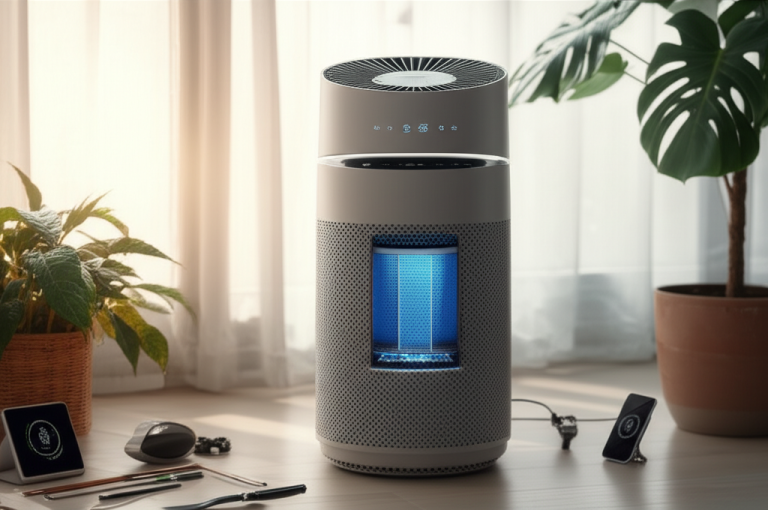
Top 10 Indoor Air Purifying Plants: Essential for Education

Breathe easier and learn better with the top 10 indoor air purifying plants, essential for creating healthier educational spaces and homes. These natural filters help remove common toxins, improving focus and well-being for students and educators alike.
It’s a common frustration: feeling stuffy or unwell indoors, especially in places where we spend a lot of time learning. You might notice headaches, fatigue, or allergies acting up. These issues can often be linked to the air we breathe inside our homes and classrooms. But what if a simple, beautiful solution was right at your fingertips? We’re going to explore the amazing power of plants to clean your indoor air. Get ready to discover the top 10 indoor air purifying plants that can transform your environment and boost your well-being.
Why Indoor Air Quality Matters for Learning
Clean air is crucial for everyone, but it’s especially important for students and educators. Poor indoor air quality can lead to health problems. These can include headaches, fatigue, and difficulty concentrating. Studies show that better air can significantly improve cognitive function and academic performance. For instance, research from the Harvard T.H. Chan School of Public Health has highlighted the link between indoor air quality and cognitive abilities. This means that creating a healthier indoor environment isn’t just about comfort; it’s about supporting learning and productivity.
A healthy classroom or study space helps everyone feel better and think clearer.
Understanding the Science: How Plants Clean Air
Plants are like nature’s tiny air filters. They absorb carbon dioxide and release oxygen, which is essential for us. But they also do more. Through a process called phytoremediation, certain plants can absorb harmful pollutants from the air. These pollutants, often found in common household items, can negatively impact our health. NASA’s groundbreaking study on indoor plants confirmed their ability to remove volatile organic compounds (VOCs). These VOCs can come from paints, furniture, and cleaning products.
These green helpers work by taking in toxins through their leaves and roots.
The Top 10 Indoor Air Purifying Plants for Educational Spaces
We’ve researched and gathered the best plants known for their air-purifying qualities. These plants are effective, relatively easy to care for, and can add a touch of natural beauty to any room. Whether you’re setting up a classroom, a home study area, or just want to improve your living space, this list will guide you. We’ll look at their specific benefits and how to keep them thriving. Let’s start uncovering these natural wonders.
Here are the top 10 indoor air purifying plants that are essential for education and well-being:
1. Spider Plant (Chlorophytum comosum)

The spider plant is a favorite for many reasons. It’s incredibly easy to grow and produces little “spiderettes” that you can easily propagate. This plant is a champ at removing formaldehyde and xylene from the air. These chemicals are often found in common household items and industrial solvents. Its fast-growing nature and resilience make it perfect for busy environments.
Spider plants are hardy and great for beginners. They are also safe for pets and children.
2. Snake Plant (Sansevieria trifasciata)
Also known as Mother-in-Law’s Tongue, the snake plant is a real powerhouse. It’s famous for its ability to convert carbon dioxide into oxygen at night. This is unique among most plants. It also effectively filters out formaldehyde, benzene, xylene, and trichloroethylene. Snake plants are drought-tolerant and can thrive in low-light conditions, making them ideal for any space.
This plant is a low-maintenance air purifier. It brings a modern look to any room.
3. Peace Lily (Spathiphyllum)
The elegant peace lily is not only beautiful with its white blooms but also a strong air purifier. It excels at removing ammonia, benzene, formaldehyde, and trichloroethylene. Peace lilies prefer moist soil and indirect light. They will often droop when they need water, giving you a clear signal. Their ability to thrive in shadier spots is a bonus.
Peace lilies add a touch of calm and beauty while cleaning the air. They are a popular choice for living rooms and bedrooms.
4. Areca Palm (Dypsis lutescens)
The Areca palm is a lush, tropical plant that acts as a natural humidifier. It releases a significant amount of moisture into the air. This helps combat dry skin and respiratory issues. It’s also effective at removing formaldehyde, xylene, and toluene. Areca palms need bright, indirect light and regular watering to stay healthy and vibrant.
This palm brings a tropical feel and improves air moisture. It’s a large plant that makes a statement.
5. Boston Fern (Nephrolepis exaltata)
Known for its feathery fronds, the Boston fern is a fantastic humidifier. It’s excellent at removing formaldehyde and xylene. Boston ferns thrive in humid environments and need consistent moisture. They prefer indirect sunlight. Placing them in bathrooms or kitchens can be ideal. Their lush appearance adds a refreshing feel to any space.
Boston ferns are great for adding humidity and freshness. They require a bit more attention to moisture levels.
6. Rubber Plant (Ficus elastica)
The rubber plant is a sturdy and attractive option. Its large, dark leaves are efficient at absorbing airborne toxins. It’s particularly good at removing formaldehyde. Rubber plants prefer bright, indirect light but can tolerate lower light conditions. They are relatively low-maintenance, needing watering only when the soil feels dry.
This plant is a resilient air cleaner with striking foliage. It adds a bold green element to your decor.
7. Chrysanthemum (Chrysanthemum morifolium)
Often seen as a beautiful flowering plant, chrysanthemums are more than just pretty faces. They are highly effective at removing a wide range of toxins, including ammonia, formaldehyde, benzene, and xylene. These plants prefer bright light and need regular watering. Their vibrant blooms can bring cheer to any educational setting.
Chrysanthemums offer vibrant color and powerful air purification. They are best enjoyed indoors for a limited time due to their flowering cycle.
8. English Ivy (Hedera helix)
English ivy is a versatile plant that can be grown in hanging baskets or as a climber. It’s exceptionally good at filtering formaldehyde and benzene. Studies have shown it can be very effective in reducing airborne mold. English ivy prefers moderate temperatures and indirect light. It can be toxic if ingested, so keep it away from pets and small children.
This climbing plant is a strong toxin remover. It requires careful placement if pets or young children are present.
9. Aloe Vera (Aloe barbadensis miller)
Famous for its medicinal gel, Aloe Vera also cleans the air. It’s particularly good at removing formaldehyde and benzene. This succulent plant needs plenty of bright light and well-draining soil. It’s also a useful plant to have on hand for minor burns and skin irritations. Its unique look adds a modern touch.
Aloe Vera is a dual-purpose plant for air quality and first aid. It thrives in sunny spots.
10. Golden Pothos (Epipremnum aureum)
Also known as Devil’s Ivy, Golden Pothos is incredibly hardy and easy to care for. It’s a trailing vine that can grow in various light conditions. This plant is effective at removing formaldehyde, benzene, xylene, and toluene. Its forgiving nature makes it perfect for busy environments or for those new to plant care.
Golden Pothos is an easy-to-grow vine that purifies air. It’s a great choice for hanging baskets.
Comparing Air Purifying Plants: A Quick Guide
Choosing the right plant can depend on your space and needs. Here’s a quick look at how some of these top performers stack up.
| Plant Name | Key Toxins Removed | Light Needs | Watering Needs | Ease of Care |
| :————— | :————————————————- | :————— | :—————– | :———– |
| Spider Plant | Formaldehyde, Xylene | Bright, indirect | Moderate | Very Easy |
| Snake Plant | Formaldehyde, Benzene, Xylene, Trichloroethylene | Low to Bright | Infrequent | Very Easy |
| Peace Lily | Ammonia, Benzene, Formaldehyde, Trichloroethylene | Low to Moderate | Moderate | Easy |
| Areca Palm | Formaldehyde, Xylene, Toluene | Bright, indirect | Regular | Moderate |
| Boston Fern | Formaldehyde, Xylene | Indirect | Consistent | Moderate |
| Rubber Plant | Formaldehyde | Bright, indirect | When dry | Easy |
| Chrysanthemum | Ammonia, Formaldehyde, Benzene, Xylene | Bright | Regular | Moderate |
| English Ivy | Formaldehyde, Benzene, Mold | Moderate, indirect | Moderate | Easy |
| Aloe Vera | Formaldehyde, Benzene | Bright | When dry | Easy |
| Golden Pothos | Formaldehyde, Benzene, Xylene, Toluene | Low to Bright | When dry | Very Easy |
This table helps you see at a glance which plant might best fit your situation. Consider the available light and how much time you have for watering.
Tips for Caring for Your Air Purifying Plants
Keeping your air purifying plants healthy is key to maximizing their benefits. Most of these plants are quite forgiving, but a few tips can help them thrive.
Light: Most air purifying plants prefer bright, indirect light. Avoid direct sunlight, which can scorch their leaves.
Watering: Overwatering is a common mistake. Let the soil dry out slightly between waterings for most plants. Check the soil with your finger before watering.
Soil: Use a well-draining potting mix. This prevents roots from sitting in water, which can cause rot.
Humidity: Some plants, like ferns, love humidity. You can increase humidity by misting them or placing them on a pebble tray with water.
* Pest Control: Keep an eye out for common pests like spider mites or mealybugs. Treat them promptly with natural solutions if possible.
Proper care ensures your plants continue to be effective air cleaners.
Beyond the Top 10: Other Beneficial Plants
While these top 10 indoor air purifying plants are excellent choices, many other houseplants can contribute to cleaner air. Plants like the Chinese Evergreen (Aglaonema) and the Dracaena family are also known for their air-purifying abilities. Even a simple Fiddle Leaf Fig (Ficus lyrata) can help improve your indoor environment. The key is to choose plants that suit your home’s conditions.
Adding more greenery can only enhance your indoor air quality.
Frequently Asked Questions about Air Purifying Plants
Q1: Can plants really clean indoor air effectively?
Yes, studies like the NASA Clean Air Study show that certain plants can remove common indoor air pollutants. While you might need many plants for significant impact in a large space, they definitely contribute to a healthier environment.
Q2: How many plants do I need to purify my air?
For noticeable effects in a standard room, you might need anywhere from 10 to 20 plants. The exact number depends on the plant type and the size of the room. Even a few plants can make a difference in air quality and well-being.
Q3: Are air purifying plants safe for pets and children?
Some air purifying plants can be toxic if ingested. For example, English Ivy and Peace Lilies can cause problems. Always research a plant’s toxicity before bringing it into a home with pets or young children. Spider Plants and Snake Plants are generally considered safer options.
Q4: Do air purifiers work better than plants?
Air purifiers are very effective at removing particulate matter and certain gases. Plants offer a natural, aesthetically pleasing way to filter air and also have other benefits like increasing humidity and reducing stress. Many people choose to use both plants and air purifiers for optimal indoor air quality.
Q5: How often should I water my air purifying plants?
Watering frequency varies greatly by plant type, light, and humidity. As a general rule, check the soil moisture with your finger. Water thoroughly when the top inch or two of soil feels dry. Avoid letting plants sit in waterlogged soil.
Q6: Can air purifying plants help with allergies?
Yes, by removing pollutants like mold spores and dust, some air purifying plants can indirectly help reduce allergy symptoms. They can also increase humidity, which can soothe dry nasal passages. However, if you are allergic to pollen, be mindful of flowering plants.
Conclusion: Greener Spaces, Brighter Minds
Creating a healthier learning and living environment is within reach, and the top 10 indoor air purifying plants are your allies. These beautiful, natural filters work diligently to remove toxins, improve air quality, and boost overall well-being. From the resilient snake plant to the elegant peace lily, each plant brings unique benefits to your space. By incorporating these green wonders, you’re not just decorating; you’re actively investing in better health, sharper focus, and a more vibrant atmosphere for everyone. Start your indoor garden today and experience the difference clean air can make.
Follow HomeHygia for more tips on creating a healthy and comfortable living space.