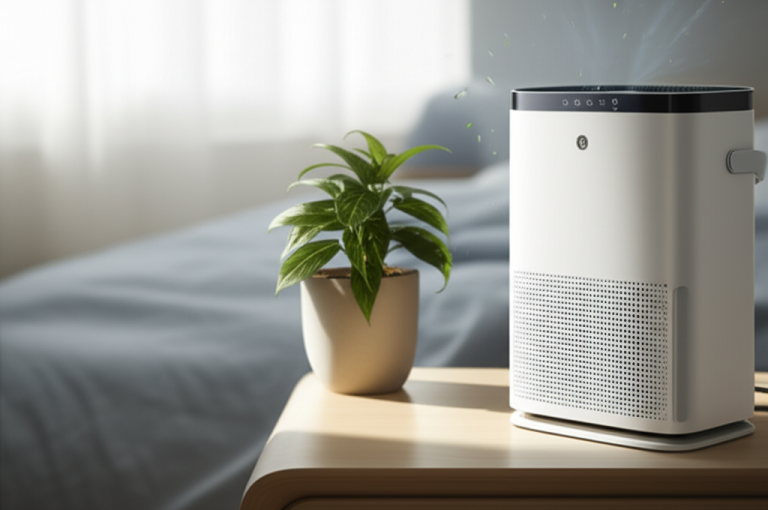
Table Top Air Purifiers For Allergies: Essential Relief

Table top air purifiers for allergies offer essential relief by capturing airborne allergens like pollen, dust, and pet dander. These compact devices improve indoor air quality, reducing allergy symptoms and creating a healthier living space. Discover how they work and what to look for.
Breathing freely indoors can feel like a dream when allergies strike. Pollen sneaks in, dust bunnies gather, and pet dander seems to multiply. These tiny invaders can make your home feel less like a sanctuary and more like a trigger zone. But what if there was a simple, effective way to fight back right where you spend most of your time? This guide will show you how table top air purifiers for allergies can bring you much-needed relief, making your personal space a haven from sniffles and sneezes.
Why Table Top Air Purifiers are a Game Changer for Allergy Sufferers
Table top air purifiers are specifically designed to tackle airborne irritants in smaller spaces. They are perfect for your desk, bedside table, or any area where you spend a lot of time. These units work by drawing in air, filtering out allergens, and releasing cleaner air back into the room. This continuous cycle helps reduce the concentration of allergy triggers like dust mites, pollen, pet dander, and even mold spores.
A clean personal environment is crucial for managing allergy symptoms. When allergens are constantly present, your body’s immune system overreacts, leading to discomfort. Table top units offer a targeted solution, creating a zone of cleaner air around you. This can significantly decrease exposure to the very things making you feel unwell.
Understanding How Table Top Air Purifiers Work for Allergies
At their core, table top air purifiers use a fan to pull air through a series of filters. The most important filter for allergy sufferers is the HEPA (High-Efficiency Particulate Air) filter. A true HEPA filter is certified to capture at least 99.97% of airborne particles that are 0.3 microns in size. This includes most common allergens.
These filters trap particles like pollen, pet dander, dust mite debris, and mold spores. Some purifiers also include an activated carbon filter. This filter helps remove odors, smoke, and volatile organic compounds (VOCs) that can irritate your respiratory system. By removing these irritants, the purifier helps you breathe easier.
Key Features to Look For in Table Top Air Purifiers for Allergies
When choosing a table top air purifier for allergy relief, several features stand out. Look for units with a true HEPA filter. This is non-negotiable for effective allergen capture. Consider the size of the room the purifier is designed for, often referred to as the CADR (Clean Air Delivery Rate). Ensure it matches your space.
Other important features include noise level, energy efficiency, and filter replacement indicators. A quiet unit is essential for bedrooms or offices. Easy-to-replace filters save you time and hassle. Some models offer additional features like UV-C light or ionizers, but always research their effectiveness and potential for ozone production.
HEPA Filters: The Gold Standard for Allergy Relief
HEPA filters are the backbone of effective air purification for allergies. They are designed with a dense mesh that physically traps microscopic particles. Think of it like a super-fine sieve for the air. For allergy sufferers, this means that common culprits like pollen, pet dander, and dust mite fragments are captured before they can be inhaled.
The effectiveness of a HEPA filter is measured by its ability to capture particles of a specific size. A true HEPA filter meets the U.S. Department of Energy standard, meaning it captures 99.97% of particles 0.3 micrometers in diameter. This is a critical benchmark for providing genuine relief from airborne allergens.
Activated Carbon Filters: Tackling Odors and Irritants
While HEPA filters focus on particulate matter, activated carbon filters address gases and odors. These filters are made from carbon that has been treated to be extremely porous. This porosity allows it to adsorb, or attract and hold, molecules from the air. For allergy sufferers, this can be beneficial in several ways.
Activated carbon can help remove odors from pets, cooking, or smoke. It can also capture VOCs released from household products. These gases, while not always direct allergens, can exacerbate respiratory sensitivity and discomfort. Combining a HEPA filter with an activated carbon filter provides a more comprehensive approach to improving indoor air quality.
Choosing the Right Size and CADR for Your Space
The size of the room and the Clean Air Delivery Rate (CADR) are crucial for effective air purification. CADR ratings indicate how quickly an air purifier can filter specific pollutants, such as smoke, dust, and pollen. Higher CADR numbers mean faster purification. For table top units, you’ll want a CADR appropriate for the smaller space you intend to use it in, like a bedroom or home office.
A general rule of thumb is to choose a purifier with a CADR that is at least two-thirds of the room’s square footage. For example, a 100-square-foot room might benefit from a purifier with a dust and pollen CADR of around 67. Always check the manufacturer’s recommended room size for the specific model. Using a unit that is too small will not provide adequate relief.
Noise Levels and Placement: Maximizing Comfort and Effectiveness
The noise level of an air purifier can significantly impact your comfort, especially if you plan to use it in a bedroom or quiet workspace. Look for models that specify their decibel (dB) rating on the lowest setting. Many table top units operate at a whisper-quiet level, often comparable to a soft fan. This ensures it won’t disturb your sleep or concentration.
Proper placement is also key to maximizing effectiveness. Position the air purifier in a location where air can circulate freely around it. Avoid placing it directly against walls or furniture, as this can obstruct airflow and reduce its efficiency. Placing it near your desk or bedside table ensures you are breathing the cleanest air in your immediate vicinity.
Filter Replacement and Maintenance: Keeping Your Purifier Working
To ensure your table top air purifier continues to provide essential relief, regular filter replacement and maintenance are vital. HEPA filters and activated carbon filters have a limited lifespan. They become saturated with trapped particles and odors over time, reducing their effectiveness. Most manufacturers recommend replacing HEPA filters every 6 to 12 months and carbon filters similarly, though this can vary.
Many modern purifiers feature filter replacement indicators that alert you when it’s time for a change. This takes the guesswork out of maintenance. Keeping the pre-filter clean, if your unit has one, by vacuuming or rinsing it can also extend the life of the main filters. Neglecting filter maintenance means your purifier will stop effectively removing allergens.
Are Table Top Air Purifiers Effective for All Allergies?
Table top air purifiers are highly effective for allergies caused by airborne particles such as pollen, pet dander, dust mites, and mold spores. They work by capturing these irritants from the air you breathe in your immediate surroundings. For individuals sensitive to these specific triggers, a well-chosen and maintained table top unit can provide significant symptom relief.
However, they are less effective for allergies triggered by things not airborne, like certain food allergies or skin contact with irritants. They also do not cure allergies but rather manage symptoms by reducing exposure to airborne allergens. For severe or persistent allergies, consulting with an allergist is always recommended for a comprehensive treatment plan.
Top Table Top Air Purifiers for Allergy Sufferers: A Quick Look
Here’s a look at some highly-rated table top air purifiers known for their allergy-fighting capabilities. Keep in mind that specific models and features can change. Always check current reviews and specifications.
| Brand & Model (Example) | True HEPA Filter | Activated Carbon | Room Size (Sq. Ft.) | Noise Level (dB) | Key Feature |
| :———————- | :—————- | :————— | :—————— | :————— | :———- |
| Levoit Core 300 | Yes | Yes | Up to 219 | 24-50 | Compact, quiet |
| Coway AP-1012GH | Yes | Yes | Up to 330 | 24-54 | Smart features |
| Winix 5500-2 | Yes | Yes | Up to 360 | 28-55 | PlasmaWave tech |
Note: This table provides example models and features. Actual performance may vary.
This table highlights how different units offer a balance of features. For instance, the Levoit Core 300 is often praised for its compact size and quiet operation, making it ideal for bedrooms. The Coway AP-1012GH offers smart capabilities for those who like app control. The Winix 5500-2 includes additional purification technology.
Frequently Asked Questions About Table Top Air Purifiers for Allergies
Q1: How quickly can I expect to feel relief from my allergies?
You might start noticing a difference within a few hours of using the purifier. However, for significant relief, it often takes a few days of consistent use. This allows the purifier to reduce the overall allergen levels in your personal space.
Q2: Do air purifiers with ionizers or UV-C light work better for allergies?
Some people find these features helpful, but they can also produce ozone, which can irritate the lungs. True HEPA filters are the most proven and safest method for capturing allergens. Always check for ozone-free certification if considering these technologies.
Q3: How often do I need to replace the filters in a table top air purifier?
Most HEPA filters need replacing every 6 to 12 months. Activated carbon filters often have a similar lifespan. It’s best to check the manufacturer’s recommendations for your specific model. Many units have indicators to remind you.
Q4: Can a table top air purifier help with my asthma symptoms?
Yes, by removing airborne triggers like dust and dander, table top air purifiers can help reduce asthma symptoms for many individuals. However, it’s crucial to consult with your doctor to ensure it’s part of a broader asthma management plan.
Q5: Are table top air purifiers noisy?
Many table top air purifiers are designed to be quiet, especially on their lower settings. They often operate at noise levels similar to a gentle fan. Check the decibel (dB) rating before purchasing if noise is a concern for you.
Q6: Can one small table top air purifier clean an entire room?
A table top air purifier is best for personal spaces or small to medium-sized rooms. It creates a zone of cleaner air around it. For larger rooms, you would need a larger unit or multiple purifiers to achieve widespread air quality improvement.
Conclusion: Breathe Easier with a Table Top Air Purifier
Living with allergies can be a daily challenge, but table top air purifiers for allergies offer a practical and effective solution for creating a healthier personal environment. By understanding how these compact devices work, focusing on essential features like true HEPA filters, and choosing the right unit for your space, you can significantly reduce your exposure to common allergens. I’ve found that a good table top purifier on my desk or nightstand makes a noticeable difference in my comfort. Investing in a quality table top air purifier is an investment in your well-being, helping you breathe easier and enjoy your home more fully.
Ready to reclaim your comfort? Explore our other guides on improving indoor air quality for lasting allergy relief.