
Is an Air Purifier or Humidifier Better for Sinuses: Essential Guide

Is an air purifier or humidifier better for sinuses? For sinus relief, a humidifier is generally better for dry, irritated nasal passages, while an air purifier excels at removing allergens and irritants that trigger sinus issues. Understanding your specific symptoms will guide your choice.
The stuffy nose, the pressure behind your eyes, the general feeling of being unwell – sinus problems can really put a damper on your day. Many of us wonder if the air in our homes is making things worse. You might have heard about air purifiers and humidifiers as solutions. But which one is right for your sinuses? It’s a common question, and the answer isn’t always straightforward. I’m here to help you figure it out. We’ll break down what each device does and how it can help (or not help) your sinus woes. Let’s get your sinuses feeling clearer and breathing easier.
What Are Sinus Problems?
Sinus problems, often called sinusitis, happen when your sinuses get inflamed and blocked. Your sinuses are hollow spaces in your skull. They produce mucus to keep your nose moist. When they get blocked, mucus can build up. This can lead to pain, pressure, and difficulty breathing. Common causes include colds, allergies, and infections.
How Air Quality Affects Your Sinuses
The air you breathe every day plays a big role in your sinus health. Dust, pollen, pet dander, and mold spores can all irritate your nasal passages. These tiny particles can get into your sinuses and cause inflammation. Dry air can also make your nasal passages dry and cracked. This makes them more vulnerable to irritation and infection. Good indoor air quality is key to preventing sinus flare-ups.
Understanding Air Purifiers
An air purifier is a device that cleans the air inside your home. It works by drawing in air and passing it through filters. These filters trap tiny particles like dust, pollen, smoke, and pet dander. Some air purifiers also have activated carbon filters to remove odors and chemicals. They are designed to improve overall air quality by removing common allergens and irritants.
How Air Purifiers Help Sinuses
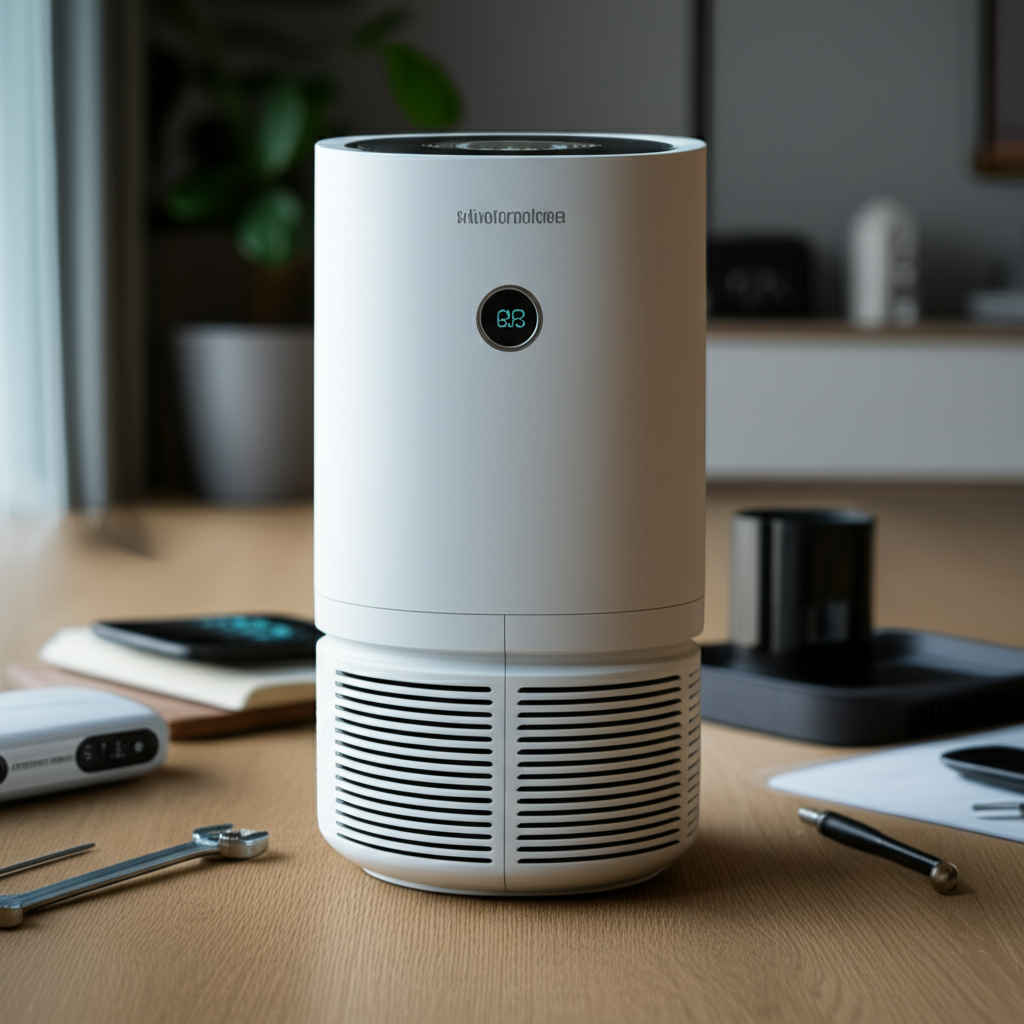
Air purifiers can be very helpful for sinus problems caused by allergies or irritants. By removing allergens like pollen, dust mites, and pet dander from the air, they reduce the triggers that cause sinus inflammation. Less exposure to these triggers means fewer sinus headaches and less congestion. This can lead to a significant improvement in your sinus symptoms, especially if your allergies are the main issue.
Types of Air Purifiers
There are several types of air purifiers. HEPA (High-Efficiency Particulate Air) filters are the most common. They can capture 99.97% of particles as small as 0.3 microns. Other types include activated carbon filters, which absorb odors and gases, and ionizers, which release charged ions to clean the air. Some purifiers combine these technologies.
Understanding Humidifiers
A humidifier is a device that adds moisture to the air. It works by releasing water vapor into your room. This increases the humidity level, which can be beneficial in dry environments. Dry air can be common in winter when heating systems are running or in arid climates. Humidifiers are designed to combat dryness and make the air more comfortable.
How Humidifiers Help Sinuses
Humidifiers are particularly good for sinus problems caused by dry air. When the air is too dry, your nasal passages can become dry and irritated. This can lead to crusting, pain, and make it harder for mucus to drain. Adding moisture to the air keeps your nasal passages moist and lubricated. This helps mucus flow more easily, which can relieve congestion and sinus pressure.
Types of Humidifiers
There are a few main types of humidifiers. Cool mist humidifiers release a cool vapor, which is safer for homes with children and pets. Warm mist humidifiers heat water to produce steam, which can help kill germs in the water. Ultrasonic humidifiers use vibrations to create a fine mist, and evaporative humidifiers use a fan to blow air through a wet wick.
Air Purifier vs. Humidifier for Sinuses: Which is Better?
The question of whether an air purifier or a humidifier is better for sinuses depends on the cause of your sinus issues. If your sinuses are irritated by allergens like dust, pollen, or pet dander, an air purifier is likely the better choice. It removes these triggers from the air. If your sinuses are dry, cracked, and causing pain due to low humidity, a humidifier is the way to go. It adds much-needed moisture to the air.
When an Air Purifier is the Best Choice
An air purifier is your best bet if your sinus symptoms worsen in specific environments or at certain times of the year. For example, if your nose feels stuffy after spending time with pets or during pollen season, an air purifier can significantly help. It targets the airborne particles that are likely causing your allergic reactions and sinus inflammation. Think of it as a shield against the tiny irritants in your air.
When a Humidifier is the Best Choice
A humidifier is ideal if you live in a dry climate or use a heating system that dries out the air. Symptoms like a dry, scratchy throat, nosebleeds, or sinus pressure that feels worse in dry conditions point to a need for more moisture. A humidifier keeps your nasal passages from drying out, making them more comfortable and helping mucus drain properly. This can prevent the discomfort and pain associated with dry sinuses.
Can You Use Both?
Yes, you can absolutely use both an air purifier and a humidifier. In fact, for many people with chronic sinus issues, using both devices offers the most comprehensive solution. An air purifier tackles allergens and pollutants, while a humidifier addresses dryness. Together, they create a more balanced and comfortable indoor environment for your sinuses. This combined approach can be very effective.
Choosing the Right Device for Your Sinus Needs
To choose the right device, consider your specific symptoms. Do you sneeze and itch when you’re around pets? Do your sinuses feel worse in the winter? Knowing the root cause of your discomfort is key. You can even get a simple hygrometer to measure your home’s humidity levels. This will give you a clearer picture of whether you need more moisture or cleaner air.
Factors to Consider When Buying an Air Purifier
When buying an air purifier, look for a HEPA filter. This is crucial for trapping small particles. Consider the size of the room you want to use it in and check the CADR (Clean Air Delivery Rate) to ensure it’s powerful enough. Some models have special filters for odors or specific allergens. Read reviews to see how effective they are for allergy sufferers.
Factors to Consider When Buying a Humidifier
For humidifiers, think about the size of the room. Whole-house humidifiers can be integrated into your HVAC system. For single rooms, portable units are common. Consider the type of mist (cool or warm) and ease of cleaning. Humidifiers require regular cleaning to prevent mold and bacteria growth, so choose one that’s easy to maintain.
Maintaining Your Devices for Optimal Sinus Relief
Proper maintenance is vital for both air purifiers and humidifiers to work effectively and safely. For air purifiers, this means regularly cleaning or replacing the filters according to the manufacturer’s instructions. Clogged filters reduce the purifier’s efficiency. For humidifiers, it’s essential to clean them frequently to prevent the growth of mold and bacteria, which could then be dispersed into the air and worsen your sinus problems.
Air Purifier Maintenance Tips
Replace HEPA filters as recommended, usually every 6–12 months, depending on usage and air quality. Clean pre-filters regularly, often with a vacuum cleaner, to catch larger particles. Wipe down the exterior and fan blades to keep dust from accumulating. Always unplug the unit before cleaning.
Humidifier Maintenance Tips
Empty and rinse the water tank daily to prevent mold and bacteria. Clean the tank and other parts with soap and water or a diluted vinegar solution weekly. Use distilled or demineralized water to reduce mineral buildup and white dust. Replace filters or wicks as needed, typically every 1–3 months.
When to See a Doctor for Sinus Issues
While air purifiers and humidifiers can offer great relief, they are not a substitute for medical advice. If your sinus problems are severe, persistent, or accompanied by high fever, vision changes, or severe facial pain, it’s important to consult a doctor. They can diagnose underlying conditions like chronic sinusitis or nasal polyps and recommend appropriate medical treatments.
Frequently Asked Questions (FAQ)
Will an air purifier help with a sinus infection?
An air purifier can help by removing irritants that might be making your sinus infection worse. It won’t cure the infection itself, but it can improve the air quality for easier breathing.
Can a humidifier make sinus congestion worse?
If a humidifier isn’t cleaned properly, it can spread mold or bacteria, which can worsen congestion. Also, excessively high humidity can sometimes encourage dust mites and mold growth.
How often should I run an air purifier for sinus relief?
For best results, run your air purifier continuously, especially in rooms where you spend the most time, like your bedroom or living room.
What humidity level is best for sinuses?
The ideal indoor humidity level for sinuses is typically between 40% and 60%. Too low or too high can cause problems.
Are portable air purifiers effective for a whole house?
Portable air purifiers are usually designed for specific room sizes. For whole-house coverage, you might need multiple units or a whole-house system.
Conclusion: The Verdict for Your Sinuses
So, is an air purifier or humidifier better for sinuses? The answer truly depends on what’s bothering your sinuses. If allergens and irritants are the culprits, an air purifier is your champion. It cleans the air, removing those tiny triggers. If dry air is leaving your sinuses feeling parched and painful, a humidifier is your best friend. It brings soothing moisture back into your environment. For many, the ultimate solution for clear, comfortable sinuses involves using both devices. By understanding your symptoms and choosing the right tool (or tools) for the job, you can significantly improve your indoor air quality and breathe easier.
If you’re looking to improve your home’s air quality for better sinus health, explore our range of air purifiers and humidifiers.
