
Can Humidifier Work As Air Purifier? Essential Guide

No, a standard humidifier cannot function as an air purifier. While both devices affect indoor air quality, they serve distinct purposes and use different mechanisms to achieve their goals. Understanding these differences is crucial for making informed decisions about your home’s air.
Breathing clean air is essential for our well-being, but many homes struggle with less-than-ideal air quality. You might be wondering if your trusty humidifier, which adds moisture to the air, could also be tackling those pesky airborne particles. It’s a common question, especially when aiming for a healthier living environment. This guide will clarify the roles of humidifiers and air purifiers, explaining why one can’t replace the other.
Humidifiers vs. Air Purifiers: Understanding the Core Difference
A humidifier’s primary function is to increase the moisture content in the air. It achieves this by releasing water vapor or mist into your living space. This is particularly beneficial in dry climates or during winter months when heating systems can strip moisture from the air, leading to dry skin, irritated sinuses, and static electricity.
Air purifiers, on the other hand, are designed to remove pollutants and contaminants from the air. They typically use filters, such as HEPA filters, activated carbon, or UV light, to capture or neutralize particles like dust, pollen, pet dander, mold spores, and volatile organic compounds (VOCs).
How a Humidifier Works: Adding Moisture, Not Removing Pollutants
Humidifiers operate by breaking down water into a fine mist or vapor. This is then released into the room, raising the relative humidity. There are several types, including evaporative, ultrasonic, and steam humidifiers, each with a slightly different mechanism for water dispersion.
None of these mechanisms inherently involve filtering or trapping airborne particles. While some humidifiers might have a very basic pre-filter to catch large dust particles before they enter the water tank, this is not a comprehensive purification process. Their design is focused on water evaporation or atomization.
How an Air Purifier Works: Capturing and Eliminating Contaminants
Air purifiers employ various technologies to clean the air. The most common and effective is the HEPA (High-Efficiency Particulate Air) filter, which is certified to capture at least 99.97% of airborne particles 0.3 microns in size. Activated carbon filters are excellent at absorbing odors and gases, while UV-C light can kill bacteria and viruses.
These systems actively draw air through a series of filters, trapping pollutants before recirculating cleaner air back into the room. This process directly addresses airborne allergens, irritants, and pathogens.
Can a Humidifier Improve Air Quality?
While a humidifier doesn’t purify the air, maintaining optimal humidity levels can indirectly improve your perception of air quality and comfort. Proper humidity can help alleviate symptoms associated with dry air, such as dry throat, nasal congestion, and dry skin. It can also help reduce static electricity and prevent wooden furniture or instruments from cracking.
However, it’s crucial to note that excessively high humidity can worsen air quality by promoting mold and dust mite growth. Therefore, maintaining a humidity level between 30-50% is generally recommended for optimal indoor air health.
Key Differences Summarized in a Table
To further illustrate the distinction, let’s look at a direct comparison:
| Feature | Humidifier | Air Purifier |
| :————– | :————————————— | :————————————————- |
| Primary Goal| Increase indoor humidity | Remove airborne pollutants and allergens |
| Mechanism | Releases water vapor/mist | Filters, traps, or neutralizes airborne particles |
| Key Components| Water tank, fan, heating element/ultrasonic disc | HEPA filter, activated carbon filter, pre-filter |
| Benefits | Relieves dry air symptoms, reduces static| Reduces allergens, removes odors, kills germs |
| Drawbacks | Can breed mold/bacteria if not cleaned; may not improve air purity | Requires filter replacement; does not add humidity |
Can a Humidifier Accidentally Purify Air?
It’s a common misconception that humidifiers might offer some air-purifying benefits. While some units may have a basic pre-filter to catch larger dust particles before they enter the water reservoir, this is a far cry from the comprehensive filtration offered by a dedicated air purifier. These pre-filters are not designed to capture the fine particles that cause most respiratory issues.
Therefore, relying on a humidifier for air purification is not effective. The water itself can even become a breeding ground for bacteria and mold if the unit isn’t cleaned regularly, potentially introducing these contaminants into your air.
What About Humidifiers with Built-in Air Filters?
Some manufacturers market “humidifier-air purifier combos.” It’s important to scrutinize these claims. Often, the “purification” aspect involves a very basic pre-filter that captures larger dust particles and pet hair. While this might catch some debris, it generally lacks the advanced filtration capabilities of a true HEPA filter found in dedicated air purifiers.
For genuine air purification, especially for allergens, pollutants, and fine particles, a standalone air purifier with a HEPA filter is a much more effective solution. Always check the specifications and filter types to understand what a combo unit truly offers. For instance, a unit claiming to have a HEPA filter should meet the HEPA standard for capturing 99.97% of particles.
When to Use a Humidifier vs. an Air Purifier
The decision of whether to use a humidifier or an air purifier depends entirely on your specific needs and the air quality issues you’re facing. If your primary concern is dry air, especially during winter, a humidifier is the right choice.
If, however, you’re dealing with allergies, asthma, pet dander, smoke, cooking odors, or general indoor air pollution, an air purifier is what you need. Many households can benefit from using both devices independently to address different aspects of indoor air quality.
Can a Humidifier Make Air Quality Worse?
Yes, a humidifier can potentially worsen air quality if not maintained properly. If the water tank is not cleaned regularly, it can become a breeding ground for bacteria and mold. When the humidifier operates, these microorganisms can be dispersed into the air, exacerbating respiratory problems and allergies.
Additionally, over-humidifying a room (exceeding 50% humidity) can encourage the growth of dust mites and mold on surfaces, further degrading indoor air quality. Using distilled or demineralized water can also help prevent the release of mineral dust, which can be an irritant for some.
Choosing the Right Device for Your Home
When selecting a device, consider your primary air quality concern. For dry air, look for humidifiers with adjustable humidity settings and easy-to-clean components. Brands like Dyson and Levoit offer models with advanced features.
For air purification, prioritize units with true HEPA filters and activated carbon filters. Brands such as Coway, Blueair, and Winix are well-regarded for their air purifiers. It’s also beneficial to check the CADR (Clean Air Delivery Rate) to ensure the unit is appropriately sized for your room.
FAQ: Your Humidifier and Air Purifier Questions Answered
Do humidifiers clean the air?
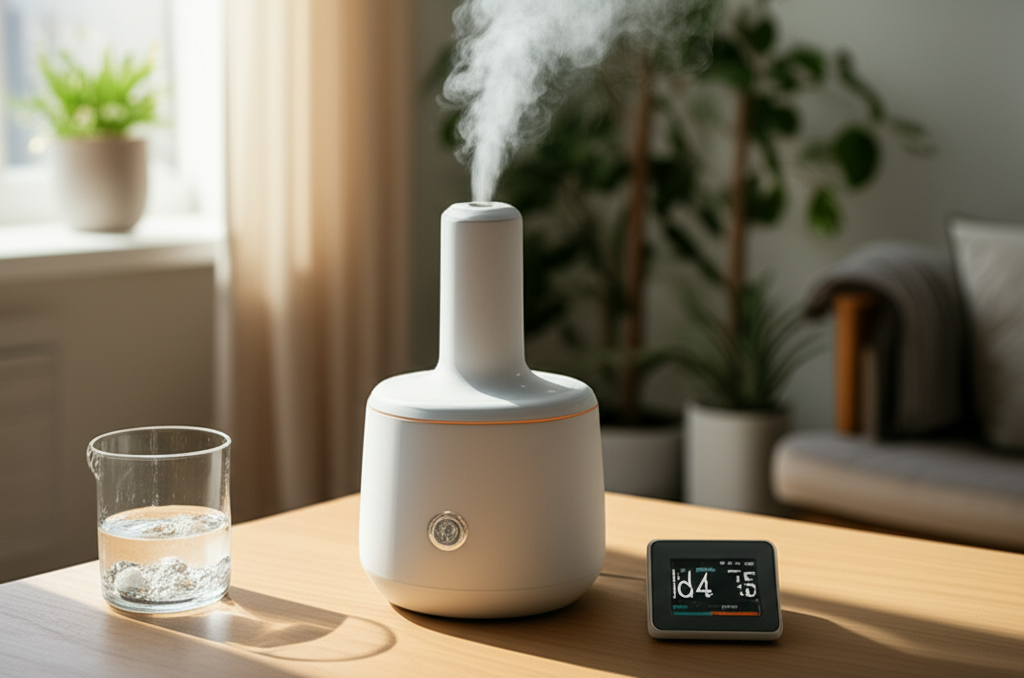
No, standard humidifiers do not clean the air. Their purpose is to add moisture to the air, not to remove pollutants or allergens.
Can I use a humidifier and an air purifier together?
Yes, you can use a humidifier and an air purifier together. They address different air quality issues and can complement each other for a healthier indoor environment.
What is the difference between a humidifier and an air purifier?
A humidifier adds moisture to the air, while an air purifier removes airborne pollutants like dust, pollen, and smoke using filters.
Will a humidifier help with allergies?
A humidifier itself doesn’t remove allergens. However, by preventing dry nasal passages, it can sometimes offer relief from allergy symptoms. For direct allergen removal, an air purifier is necessary.
What is a HEPA filter?
A HEPA filter is a mechanical air filter capable of capturing at least 99.97% of airborne particles 0.3 microns in size. It’s a key component in effective air purifiers.
Can humidifiers spread germs?
Yes, if not cleaned regularly, humidifiers can become breeding grounds for bacteria and mold, which can then be dispersed into the air.
What is the best way to improve indoor air quality?
Improving indoor air quality often involves a combination of strategies: using an air purifier, maintaining optimal humidity with a humidifier, regular cleaning, and ensuring good ventilation.
Conclusion: Separate Devices for Separate Needs
In conclusion, while both humidifiers and air purifiers aim to enhance your indoor environment, they serve distinct functions. A humidifier is designed to combat dry air by adding moisture, whereas an air purifier is engineered to capture and remove airborne contaminants like dust, allergens, and pollutants. You cannot rely on a humidifier to act as an air purifier. For optimal indoor air quality, consider using both devices appropriately, ensuring each is maintained according to manufacturer guidelines. This ensures you’re addressing both humidity levels and air purity effectively.
