
Best Air Purifiers For Hay Fever UK: Essential Relief

Best Air Purifiers for Hay Fever UK: Essential Relief for Sufferers
Find the best air purifiers for hay fever in the UK to significantly reduce pollen, dust, and other allergens in your home. This guide provides expert recommendations and essential tips for breathing easier this allergy season.
The UK’s hay fever season can be a miserable time, with pollen counts soaring and triggering itchy eyes, sneezing, and congestion. If you’re struggling to find relief indoors, an air purifier could be your secret weapon. This guide will walk you through everything you need to know to choose the best air purifiers for hay fever UK residents can rely on, ensuring a sanctuary of clean air in your home. We’ll explore what makes an air purifier effective against allergens and highlight top models to consider.
Why Air Purifiers Are a Game-Changer for Hay Fever Sufferers
Air purifiers actively remove airborne particles, including pollen, dust mites, pet dander, and mould spores, which are common hay fever triggers. By filtering these allergens, they create a cleaner breathing environment, especially beneficial during peak pollen seasons. This proactive approach can dramatically reduce symptom severity and improve overall quality of life for those affected by seasonal allergies.
Understanding How Air Purifiers Combat Hay Fever
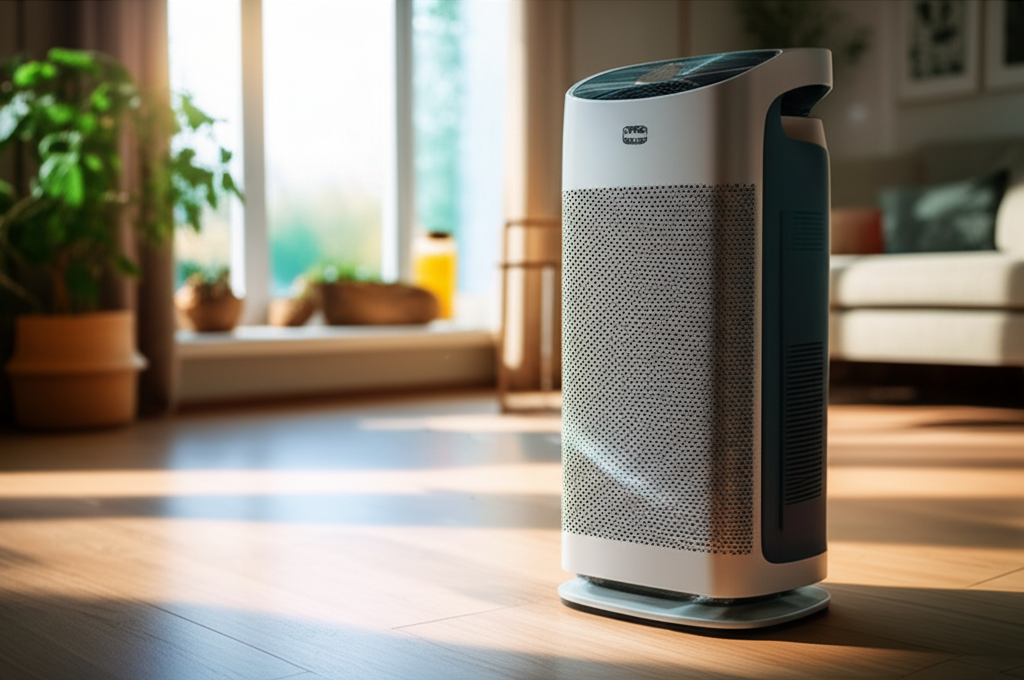
The primary mechanism of an air purifier is its filtration system, typically involving a HEPA filter. This type of filter is designed to capture at least 99.97% of airborne particles as small as 0.3 microns. For hay fever sufferers, this means pollen, mould spores, and other microscopic irritants are trapped before they can be inhaled.
The Crucial Role of HEPA Filters
True HEPA filters are the gold standard for allergy relief. They are certified to meet stringent standards for particle removal, making them exceptionally effective against the tiny allergens that cause hay fever. Always look for “True HEPA” on the product description to ensure maximum allergen capture.
Key Features to Look For in a Hay Fever Air Purifier
When selecting the best air purifiers for hay fever UK consumers need, several features are paramount. Beyond the HEPA filter, consider coverage area, CADR ratings, and noise levels. These elements determine how effectively and efficiently the unit will perform in your specific living space.
Coverage Area and Room Size Suitability
An air purifier’s effectiveness is directly tied to its ability to clean the air in a specific room size. Ensure the purifier’s stated coverage area (often measured in square feet or square metres) matches or exceeds the dimensions of the room where you intend to use it most. This ensures adequate air circulation and filtration.
CADR: Clean Air Delivery Rate Explained
The Clean Air Delivery Rate (CADR) is a crucial metric indicating how quickly an air purifier can clean the air for a specific pollutant. Higher CADR ratings for smoke, dust, and pollen suggest a more powerful and efficient unit. Look for a CADR rating that is appropriate for the room size to maximize its hay fever fighting capabilities.
Noise Levels: Finding Your Quiet Zone
While powerful filtration is essential, a noisy air purifier can be disruptive. Check the decibel (dB) ratings, especially for lower fan speeds or sleep modes. For bedrooms or offices, aim for units that operate quietly, typically below 50 dB, to avoid disturbing your peace.
Activated Carbon Filters for Odours and VOCs
Many air purifiers also include activated carbon filters, which are excellent at adsorbing odours, gases, and Volatile Organic Compounds (VOCs). While not directly targeting pollen, these filters can improve overall air quality by removing other irritants and unpleasant smells that can exacerbate respiratory sensitivity.
Top Picks: The Best Air Purifiers for Hay Fever UK Residents
After thorough research, I’ve identified several air purifiers that stand out for their effectiveness against hay fever symptoms in the UK. These models offer a blend of advanced filtration, user-friendly features, and reliable performance.
Coway Airmega 200M: A Powerful All-Rounder
The Coway Airmega 200M is a consistently high-performing air purifier known for its robust filtration system. It features a True HEPA filter and an activated carbon filter, effectively tackling pollen, dust, and odours. Its coverage area is suitable for medium to large rooms, making it a versatile choice for many UK homes.
This model boasts a smart auto mode that adjusts fan speed based on air quality, ensuring continuous protection without constant manual intervention. Its real-time air quality monitoring provides peace of mind, showing you exactly what it’s removing from your air. I find its quiet operation on lower settings particularly commendable for daytime use.
Blueair Blue Pure 411 Auto: Compact & Effective
For smaller rooms or those seeking a more compact solution, the Blueair Blue Pure 411 Auto is an excellent option. Despite its size, it utilizes Blueair’s proprietary HEPASilent™ technology, combining electrostatic and mechanical filtration for high efficiency. It’s particularly adept at capturing fine particles like pollen and dust.
The Auto mode on this unit intelligently adjusts performance based on detected air quality, and its single-button control makes it incredibly easy to use. Its low energy consumption and quiet operation on the lowest setting are significant advantages for continuous use throughout allergy season. This is a fantastic choice for bedrooms or home offices.
Levoit Core 300S: Smart Features & Value
The Levoit Core 300S offers a great balance of performance, smart features, and affordability, making it one of the best air purifiers for hay fever UK buyers on a budget. It uses a three-stage filtration system, including a True HEPA filter, to capture a wide range of allergens. Its compact cylindrical design is also aesthetically pleasing.
Connectivity through the VeSync app allows for remote control, scheduling, and air quality monitoring, adding a layer of convenience. The unit also features a quiet sleep mode, ensuring it won’t disturb your rest. For those looking for smart capabilities without a hefty price tag, this Levoit model is a strong contender.
Philips Series 2000i: Advanced Monitoring & Large Spaces
The Philips Series 2000i air purifier is designed for larger living spaces and offers advanced air quality monitoring. It features a multi-layer filtration system, including a True HEPA filter, that effectively captures allergens, pollutants, and even ultra-fine particles. The accompanying app provides detailed insights into your home’s air quality.
Its comprehensive sensing technology detects even minute changes in air quality, automatically adjusting purification levels. This makes it an excellent choice for open-plan living areas or larger bedrooms where pollen can easily circulate. The unit’s robust performance ensures a significant reduction in airborne allergens.
Choosing the Right Air Purifier for Your Needs
Selecting the best air purifiers for hay fever UK households involves matching specific features to your living situation. Consider room size, your primary allergy triggers, and any additional features like smart controls or quiet operation.
Factors to Consider Beyond the Top Picks
When evaluating other models, pay close attention to the filter type and replacement costs. Some units may have proprietary filters that are more expensive or harder to source. Also, consider the energy efficiency rating, as an air purifier will likely be running for extended periods.
The Importance of Filter Replacement
Air purifiers are only as effective as their filters. HEPA filters and activated carbon filters need to be replaced regularly, typically every 6-12 months, depending on usage and air quality. Factor these ongoing costs into your decision when choosing a model.
Setting Up and Using Your Air Purifier Effectively
Once you’ve purchased the best air purifiers for hay fever UK conditions, proper setup and consistent use are key to maximizing its benefits. Placement and running times play a significant role in its performance.
Optimal Placement in Your Home
Place your air purifier in the room where you spend the most time, such as your bedroom or living area. Ensure there’s adequate space around the unit for air to circulate freely; avoid placing it directly against walls or furniture. Elevating it slightly can also improve airflow.
When to Run Your Air Purifier
For maximum relief from hay fever, it’s best to run your air purifier continuously, especially during peak pollen seasons. Using auto mode allows the unit to adapt to changing air quality levels, providing consistent protection. Running it overnight in the bedroom can significantly improve sleep quality.
Understanding Air Quality Readings
Many modern air purifiers come with displays or app connectivity that show real-time air quality. Understanding these readings, often represented by a colour-coded light or numerical value, can help you gauge the effectiveness of your purifier and when allergen levels are particularly high.
Common Air Quality Indicators
Air quality indicators typically measure particulate matter (PM2.5), which includes pollen and dust. Some also measure VOCs or humidity. A “good” or “excellent” reading means the air is relatively clean, while “moderate” or “poor” suggests the purifier is actively working to remove pollutants.
Maintaining Your Air Purifier for Peak Performance
Regular maintenance ensures your air purifier continues to function optimally. This primarily involves cleaning and replacing filters as recommended by the manufacturer. Neglecting maintenance can reduce efficiency and even lead to secondary air quality issues.
Cleaning the Pre-Filter
Most air purifiers have a washable pre-filter that captures larger particles like hair and lint. Cleaning this pre-filter regularly (e.g., every 2-4 weeks) helps to prolong the life of the main HEPA filter by preventing it from getting clogged.
Replacing HEPA and Carbon Filters
HEPA and activated carbon filters are the workhorses of your air purifier. They cannot be washed and must be replaced according to the manufacturer’s schedule, typically every 6 to 12 months. Check your user manual for specific replacement intervals and filter models.
Can Air Purifiers Eliminate Hay Fever Symptoms Entirely?
While the best air purifiers for hay fever UK users can significantly alleviate symptoms, they are not a magic cure. They work by reducing airborne allergens within your home environment, creating a much cleaner space to breathe. However, they cannot remove pollen that lands on surfaces or prevent exposure when you are outdoors.
Complementary Strategies for Hay Fever Relief
Air purifiers are most effective when used as part of a broader strategy to manage hay fever. This includes keeping windows closed during high pollen counts, showering after being outdoors, and using nasal rinses. Consulting with a healthcare professional for medication or other treatments is also advisable.
FAQ: Your Air Purifier Questions Answered
Here are answers to some common questions about using air purifiers for hay fever relief in the UK.
What is the most important feature in an air purifier for hay fever?
The most crucial feature is a True HEPA filter, as it’s certified to capture at least 99.97% of airborne particles, including pollen, that trigger hay fever symptoms.
How large a room can a typical hay fever air purifier cover?
Coverage varies by model, but many are designed for small to medium rooms (up to 300-500 sq ft). Always check the manufacturer’s recommended room size and CADR rating for your specific needs.
How often do I need to replace the filters?
HEPA and activated carbon filters typically need replacement every 6 to 12 months, depending on usage and the level of pollutants in your air. Always refer to your purifier’s manual.
Can an air purifier help with other allergies, like pet dander or dust?
Yes, a good air purifier with a HEPA filter is effective against a wide range of airborne allergens, including pet dander, dust mites, mould spores, and other common irritants.
Are air purifiers noisy?
Noise levels vary. Many units have quiet or sleep modes for nighttime use, often operating below 50 dB. Check the decibel ratings before purchasing if noise is a concern.
Should I run my air purifier all the time?
For maximum benefit during hay fever season, it’s recommended to run your air purifier continuously, especially in the rooms where you spend the most time. Auto mode is ideal for adapting to changing conditions.
Conclusion: Breathe Easier with the Right Air Purifier
Finding the best air purifiers for hay fever UK sufferers can feel overwhelming, but by focusing on key features like True HEPA filtration, appropriate coverage, and reliable performance, you can make an informed choice. These devices offer a tangible way to reduce allergens in your home, providing much-needed relief during the challenging hay fever months. Investing in a quality air purifier is an investment in your comfort and well-being, allowing you to enjoy your home sanctuary, free from the worst of the pollen season.
