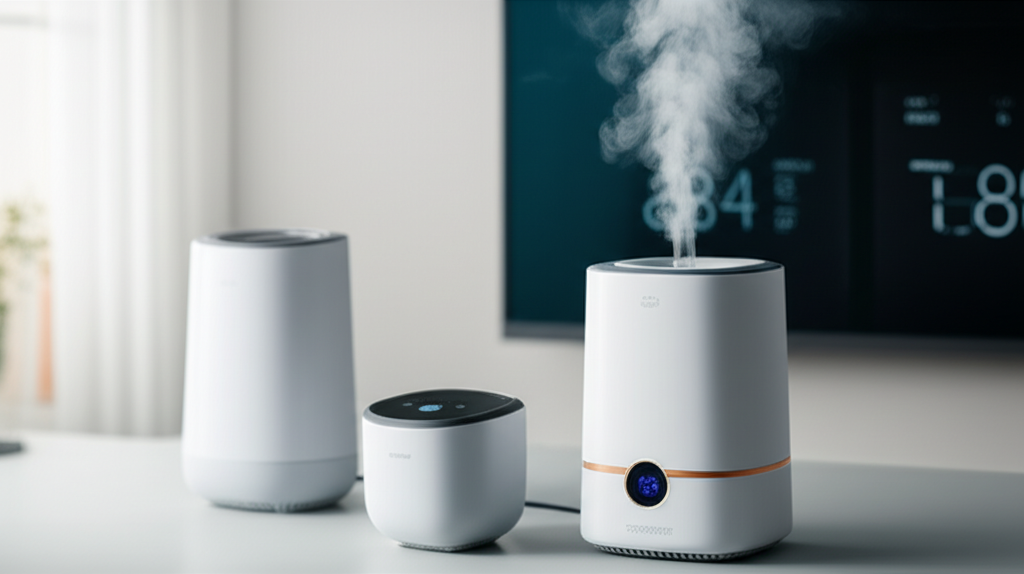
Humidifier vs Dehumidifier vs Air Purifier: Essential Guide

Understand the difference between a humidifier, dehumidifier, and air purifier to create the ideal indoor environment. This guide helps you choose the right device for your specific needs, whether you’re dealing with dry air, excess moisture, or airborne pollutants.
Breathing fresh, comfortable air at home is something we all strive for, but achieving it can feel surprisingly complicated. You might notice your skin feeling dry, your allergies acting up, or a musty smell lingering, and wonder what’s causing it. The world of home climate control offers several solutions: humidifiers, dehumidifiers, and air purifiers. Each tackles a different aspect of indoor air quality, and knowing which one is right for you is key to creating a healthier, more pleasant living space. This guide will break down exactly what each device does and help you make the best choice for your home.
What is a Humidifier and When Do You Need One?
A humidifier adds moisture to the air, increasing the relative humidity. This is incredibly beneficial in dry climates or during winter months when heating systems tend to strip moisture from the air. Dry air can lead to a variety of discomforts, from scratchy throats and dry skin to aggravated respiratory conditions like asthma and sinusitis.
Signs You Might Need a Humidifier
Dry, itchy skin and lips: Lack of moisture in the air directly impacts your skin’s hydration.
Sore throat or nasal congestion: Dry nasal passages can become irritated and more susceptible to infection.
Increased static electricity: You might notice more static shocks when touching metal objects or even your pets.
Worsening allergy or asthma symptoms: Dry air can exacerbate respiratory issues by drying out airways.
Cracked furniture or wood floors: Extreme dryness can cause wood to shrink and crack over time.
A humidifier can bring much-needed relief by restoring optimal moisture levels, making your home feel more comfortable and protecting your belongings.
What is a Dehumidifier and When Do You Need One?
Conversely, a dehumidifier removes excess moisture from the air, lowering the relative humidity. This is crucial in damp environments, such as basements, bathrooms, or humid coastal regions, where high humidity can lead to mold growth, mildew, and a general feeling of stuffiness. High humidity can also make existing allergies worse and create an environment where dust mites thrive.
Signs You Might Need a Dehumidifier
Musty odors: A persistent damp smell often indicates excess moisture and potential mold.
Visible mold or mildew: These fungi thrive in humid conditions and can appear on walls, ceilings, or in bathrooms.
Condensation on windows or pipes: When warm, moist air hits cooler surfaces, water droplets form.
Feeling clammy or sticky indoors: High humidity makes the air feel heavy and uncomfortable.
Warped wood or peeling paint: Excess moisture can damage building materials over time.
A dehumidifier actively combats these issues, creating a drier, healthier, and more comfortable indoor atmosphere.
What is an Air Purifier and When Do You Need One?
An air purifier cleans the air by removing airborne pollutants. Unlike humidifiers and dehumidifiers, which control moisture levels, air purifiers focus on filtering out particles like dust, pollen, pet dander, mold spores, smoke, and even volatile organic compounds (VOCs) and bacteria. They are essential for anyone concerned about indoor air quality, especially those with allergies, asthma, or living in areas with significant outdoor pollution.
Signs You Might Need an Air Purifier
Frequent allergy or asthma flare-ups: Airborne allergens can trigger uncomfortable symptoms.
Lingering odors: Smoke, cooking smells, or pet odors can be effectively neutralized.
Visible dust accumulating quickly: Even with regular cleaning, some dust is airborne.
Living with pets: Pet dander is a common allergen and can be significantly reduced.
Concerns about indoor air quality: If you live in a polluted area or have specific health concerns, an air purifier offers peace of mind.
Air purifiers use various filtration technologies, such as HEPA filters, to trap microscopic particles, ensuring you breathe cleaner, healthier air.
Humidifier vs. Dehumidifier vs. Air Purifier: Key Differences
The core distinction lies in their primary function: humidifiers add moisture, dehumidifiers remove it, and air purifiers clean the air. While their goals are different, they all contribute to a more comfortable and healthy indoor environment. Understanding your specific indoor air quality problem is the first step to choosing the right device.
| Feature | Humidifier | Dehumidifier | Air Purifier |
| :—————- | :——————————- | :——————————– | :——————————– |
| Primary Function | Adds moisture to the air | Removes moisture from the air | Removes airborne pollutants |
| Ideal For | Dry air, winter months, arid climates | Damp environments, humid climates | Allergies, asthma, odors, pollution |
| Impact on Air | Increases humidity | Decreases humidity | Cleans particles and odors |
| Common Issues Addressed | Dry skin, sore throat, static | Mold, mildew, musty smells, condensation | Allergens, dust, smoke, odors |
This table offers a quick overview to help you grasp the fundamental roles of each appliance. Knowing these differences will guide your decision-making process effectively.
How to Measure Your Home’s Humidity Levels
Before you decide between a humidifier and a dehumidifier, it’s wise to know your current humidity levels. The ideal indoor humidity range is typically between 30% and 50%. You can measure this using a device called a hygrometer. These are relatively inexpensive and widely available online or at hardware stores.
Low Humidity (below 30%): This indicates you likely need a humidifier.
High Humidity (above 50%): This suggests a dehumidifier would be beneficial.
Moderate Humidity (30%-50%): If you’re experiencing issues like lingering odors or allergies, an air purifier might be your best bet, regardless of humidity.
Using a hygrometer provides objective data, removing guesswork and ensuring you invest in the right solution for your home. For instance, a study by the U.S. Environmental Protection Agency (EPA) highlights the importance of maintaining indoor humidity levels between 30% and 50% to prevent mold growth and other moisture-related problems.
When a Humidifier is the Clear Choice
If your home consistently feels dry, especially during colder months, a humidifier is likely what you need. Dry air can make your skin feel parched, your throat scratchy, and even cause your wooden furniture to crack. Using a humidifier can alleviate these issues, promoting better respiratory health and overall comfort.
Many people find relief from sinus congestion and dry coughs by using a humidifier. It helps keep mucous membranes moist, which is vital for fighting off irritants and pathogens. This makes it an excellent tool for individuals prone to colds or those living in naturally arid climates.
When a Dehumidifier is the Clear Choice
If you’re battling with dampness, condensation, or that unmistakable musty smell, a dehumidifier is your ally. Basements, bathrooms, and poorly ventilated areas are prime candidates for high humidity, creating breeding grounds for mold and mildew. A dehumidifier actively removes this excess moisture, safeguarding your home and health.
According to the Centers for Disease Control and Prevention (CDC), controlling indoor humidity is a key strategy in preventing and reducing mold growth. A dehumidifier can lower indoor humidity levels, making your environment less hospitable to mold and dust mites, which can significantly improve air quality for allergy sufferers.
When an Air Purifier is the Clear Choice
An air purifier shines when your primary concern is airborne contaminants. If you or family members suffer from allergies, asthma, or are sensitive to odors, smoke, or pet dander, an air purifier is essential. These devices trap microscopic particles that can trigger symptoms and detract from your home’s freshness.
Modern air purifiers often feature multi-stage filtration systems, including HEPA filters, which are highly effective at capturing 99.97% of particles as small as 0.3 microns. This means they can remove pollen, dust mites, mold spores, and even some bacteria and viruses from the air you breathe. They are invaluable for creating a cleaner living environment, especially in urban areas or homes with pets.
Can You Use Them Together?
Yes, in some cases, you can use these devices together, but it requires careful consideration. For example, if you live in a very humid climate and also suffer from allergies, you might use a dehumidifier to control moisture and an air purifier to tackle allergens. However, using a humidifier and dehumidifier in the same room simultaneously is generally counterproductive and wastes energy, as they work against each other.
It’s crucial to understand your home’s specific needs. If your primary issue is dry air but you also have significant airborne pollutants, you might opt for a humidifier with a built-in air filter. Conversely, if you have high humidity and a need for cleaner air, a dehumidifier and a separate air purifier can work in tandem effectively. Always ensure you’re addressing the most pressing issue first.
Types of Humidifiers and Dehumidifiers
Both humidifiers and dehumidifiers come in various types, each suited for different needs and room sizes.
Humidifier Types:
Cool Mist Humidifiers: Disperse a cool mist into the air. They are generally safer for homes with children and pets as they don’t use heat.
Warm Mist Humidifiers (Vaporizers): Heat water to create steam, which is then released as a warm mist. This can help kill bacteria and viruses in the water and may offer a soothing effect for colds.
Ultrasonic Humidifiers: Use ultrasonic vibrations to create a fine mist. They are typically quiet and come in both cool and warm mist varieties.
Evaporative Humidifiers: Use a fan to blow air through a wet wick or filter, causing the water to evaporate into the air.
Dehumidifier Types:
Refrigerant Dehumidifiers: Use a refrigeration cycle to cool coils, which then condense moisture from the air. They are most effective in warmer temperatures.
Desiccant Dehumidifiers: Use a moisture-absorbing material (desiccant) to pull water from the air. They work well in cooler temperatures and are often quieter.
Choosing the right type depends on your climate, room size, and personal preferences regarding noise and maintenance.
Types of Air Purifiers
Air purifiers utilize different technologies to clean the air. Understanding these can help you select one that best suits your needs.
HEPA (High-Efficiency Particulate Air) Filters: The gold standard for particle removal, capturing at least 99.97% of airborne particles 0.3 microns in size. Ideal for allergies and asthma.
Activated Carbon Filters: Excellent at adsorbing odors, gases, and VOCs. Often used in conjunction with HEPA filters.
UV-C Light: Kills bacteria, viruses, and mold spores. However, effectiveness can vary, and some units may produce ozone.
Ionizers: Release negative ions that attach to airborne particles, causing them to fall out of the air. Some ionizers can produce ozone, which is a lung irritant.
* Ozone Generators: Intentionally produce ozone to neutralize odors. These are generally not recommended for occupied spaces due to health risks associated with ozone exposure.
When selecting an air purifier, look for models with true HEPA filters and activated carbon for comprehensive air cleaning. Always check for ozone production certifications.
Choosing the Right Device for Your Home
The decision between a humidifier, dehumidifier, and air purifier hinges on identifying your primary indoor air quality concern.
1. Assess your symptoms and environment: Are you dealing with dry skin and static, or a musty smell and condensation? Do allergies flare up indoors?
2. Measure humidity levels: Use a hygrometer to get objective readings. Aim for 30-50% relative humidity.
3. Consider your climate: Arid regions benefit from humidifiers, while humid areas need dehumidifiers.
4. Evaluate your health needs: If allergies, asthma, or respiratory sensitivities are an issue, an air purifier is crucial.
5. Don’t overlap functions unnecessarily: Using a humidifier and dehumidifier in the same space is counterproductive.
By following these steps, you can pinpoint the device that will most effectively improve your home’s air quality. For example, if a healthy indoor environment is your goal, addressing the specific air quality issue is paramount.
Frequently Asked Questions
Q1: Can I use a humidifier and an air purifier at the same time?
Yes, absolutely! Using a humidifier and an air purifier together is often recommended if you have dry air and also suffer from allergies or want to remove airborne pollutants. They address different issues without interfering with each other.
Q2: Will a dehumidifier make my air too dry?
A dehumidifier will lower humidity, but if used correctly and monitored with a hygrometer, it won’t make the air excessively dry. Most modern dehumidifiers have adjustable humidity settings, allowing you to maintain your desired level within the healthy 30-50% range.
Q3: How often should I clean my humidifier, dehumidifier, or air purifier?
Regular cleaning is essential for optimal performance and hygiene. Humidifiers and dehumidifiers typically require cleaning every 1-3 days to prevent mold and bacteria buildup. Air purifiers need their filters replaced or cleaned according to the manufacturer’s instructions, usually every 6-12 months for filters and more frequent cleaning for pre-filters.
Q4: Which device is best for allergies?
For allergies, an air purifier with a true HEPA filter is generally the most effective. It removes common allergens like pollen, dust mites, pet dander, and mold spores from the air. If dry air exacerbates your allergies, a humidifier can also be beneficial, but the air purifier addresses the airborne triggers directly.
Q5: Do air purifiers remove viruses and bacteria?
True HEPA filters can capture a significant percentage of airborne bacteria and viruses. Some air purifiers also incorporate UV-C light technology, which can help neutralize or kill these microorganisms. However, no air purifier can guarantee complete elimination of all airborne pathogens.
Q6: Can a dehumidifier help with musty smells?
Yes, dehumidifiers are very effective at reducing musty smells. These odors are often caused by mold and mildew, which thrive in high-humidity environments. By removing excess moisture, a dehumidifier makes the environment less conducive to mold growth, thereby eliminating the source of the smell.
Conclusion
Navigating the world of humidifiers, dehumidifiers, and air purifiers can seem complex, but understanding their distinct roles makes the choice clear. If dry air is your foe, a humidifier adds vital moisture. If excess dampness plagues your home, a dehumidifier removes it. And for cleaner air free from allergens, odors, and pollutants, an air purifier is your solution. Often, the ideal indoor environment might involve a combination of these devices, but always address your primary concern first. By choosing the right tool for the job, you can transform your home into a sanctuary of comfort and health.
I hope this comprehensive guide has demystified the differences and helped you decide which appliance is best suited for your home.