
Best Air Purifier UK: Essential Guide

The best air purifier UK can transform your home’s air quality, removing allergens, pollutants, and odours for a healthier living space. Our expert guide helps you choose the perfect model based on room size, filtration technology, and your specific needs, ensuring you breathe easier.
The air inside our homes, especially in the UK, can often be more polluted than the air outside. Dust, pollen, pet dander, and even volatile organic compounds (VOCs) from everyday products can build up, leading to allergies, respiratory issues, and general discomfort. Finding the best air purifier UK residents can rely on is crucial for creating a healthier and more pleasant living environment. This guide will walk you through everything you need to know to make an informed decision.
Why Investing in the Best Air Purifier UK is Essential
An air purifier acts as a vital guardian for your home’s atmosphere. It actively removes microscopic particles that traditional cleaning methods often miss. This is particularly important for individuals with allergies, asthma, or other respiratory sensitivities. By capturing these airborne irritants, an air purifier can significantly reduce symptoms and improve overall well-being.
Understanding the Invisible Pollutants in Your Home
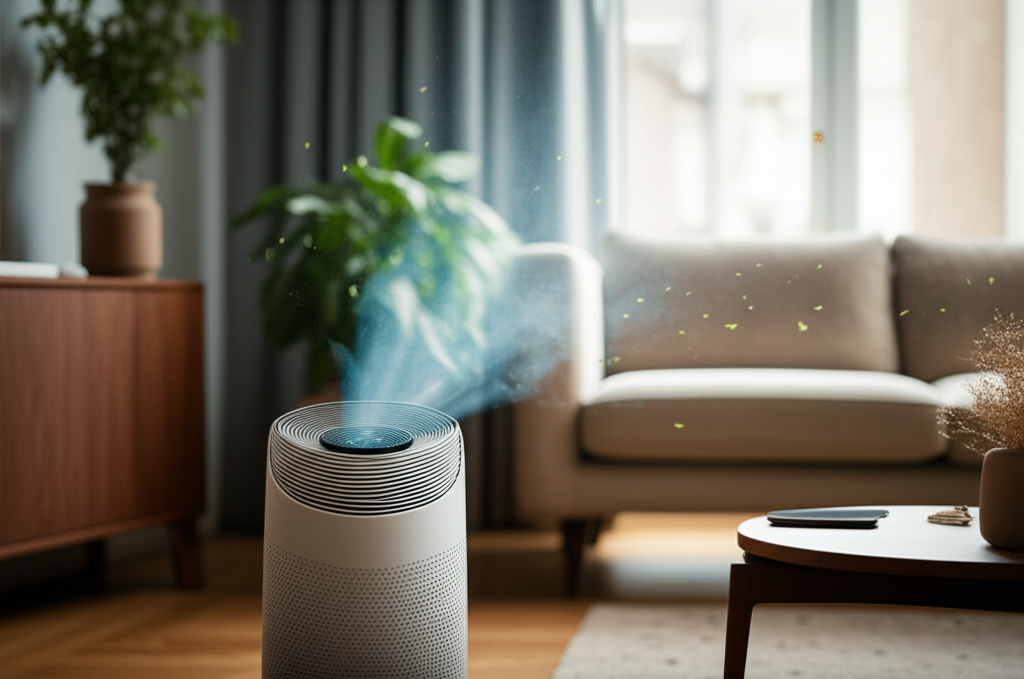
Our homes are filled with invisible threats to air quality. These range from common allergens like pollen and dust mites to more insidious VOCs released by cleaning products, furniture, and even cooking. Pet dander and smoke particles also contribute significantly to indoor air pollution. Understanding these culprits is the first step to tackling them effectively.
The Health Benefits of Cleaner Indoor Air
Breathing cleaner air has a profound impact on your health. It can lead to fewer allergy flare-ups, reduced asthma symptoms, and improved sleep quality. Many users report feeling more energetic and experiencing fewer headaches. Investing in a good air purifier is an investment in your family’s long-term health and comfort.
Key Features to Look for in the Best Air Purifier UK
When searching for the best air purifier UK market offers, several key features will dictate its effectiveness. Prioritising these ensures you get a unit that meets your specific needs and provides optimal air cleaning.
HEPA Filtration: The Gold Standard for Air Purification
High-Efficiency Particulate Air (HEPA) filters are the cornerstone of effective air purification. True HEPA filters are certified to capture at least 99.97% of airborne particles 0.3 microns in size. This includes dust, pollen, mould spores, and pet dander. Look for “True HEPA” on the product description for guaranteed performance.
Activated Carbon Filters: Tackling Odours and Gases
While HEPA filters excel at trapping particles, activated carbon filters are essential for absorbing odours, gases, and VOCs. These filters contain porous carbon that adsorbs harmful chemicals and unpleasant smells, such as those from cooking, smoke, or pets. A combination of HEPA and activated carbon offers comprehensive air cleaning.
Pre-filters: Extending the Life of Your Main Filters
Many air purifiers include a pre-filter, often washable, designed to capture larger particles like hair and lint. This layer protects the more delicate HEPA and carbon filters, preventing them from becoming clogged too quickly. A good pre-filter significantly extends the lifespan of your primary filtration system, saving you money in the long run.
CADR: Measuring Air Purification Speed and Efficiency
Clean Air Delivery Rate (CADR) is a crucial metric indicating how quickly an air purifier can clean a room of specific pollutants. It’s typically measured for smoke, dust, and pollen. Higher CADR ratings mean faster and more efficient air cleaning for a given room size. Always match the CADR to your room dimensions for optimal performance.
Choosing the Best Air Purifier UK for Your Room Size
The effectiveness of an air purifier is highly dependent on its suitability for the room it’s placed in. An undersized unit will struggle to clean the air adequately, while an oversized one might be unnecessarily expensive and noisy.
Understanding Room Size and Air Changes Per Hour (ACH)
Air purifiers are rated for specific room sizes, usually in square metres or square feet. A key consideration is the Air Changes Per Hour (ACH), which indicates how many times the purifier can circulate and clean the entire volume of air in the room within an hour. For general use, 4-5 ACH is recommended; for allergy sufferers, 5+ ACH is ideal.
Small Rooms: Bedrooms and Offices
For smaller spaces like bedrooms or home offices, you don’t necessarily need a high-powered unit. A compact air purifier with a good HEPA filter and adequate CADR for the room size will suffice. These often come with lower noise levels, which is beneficial for sleeping or concentrating.
Medium Rooms: Living Rooms and Lounges
Living areas and lounges are often larger and see more foot traffic, meaning more potential for airborne particles. Look for a mid-sized air purifier with a robust HEPA filter and a respectable CADR rating. Features like multiple fan speeds and a quiet mode can enhance comfort during everyday use.
Large Open-Plan Spaces and Multiple Rooms
For large open-plan areas or if you intend to move the purifier between rooms, consider a larger, more powerful unit or even multiple smaller units. Some high-end models offer smart features that allow them to monitor air quality and adjust settings automatically, ensuring consistent clean air throughout.
Top Air Purifier Technologies and What They Do
Beyond the standard HEPA and carbon filters, various technologies aim to enhance air purification. Understanding these can help you choose the best air purifier UK has to offer for your specific concerns.
Ionizers: How They Work and Potential Downsides
Ionizers work by releasing negative ions into the air, which attach to airborne particles, causing them to clump together and fall to the ground or stick to surfaces. While effective at removing particles, some ionizers can produce ozone as a byproduct, which can be a respiratory irritant. Always check for ozone-free certifications.
UV-C Light: Targeting Microorganisms
Ultraviolet germicidal irradiation (UV-C) light is used in some air purifiers to kill bacteria, viruses, and mould spores. The UV-C light damages the DNA of these microorganisms, rendering them inactive. It’s an additional layer of purification, particularly useful for tackling airborne germs.
PlasmaWave Technology: An Alternative to Ozone
PlasmaWave technology is another method used to break down pollutants at a molecular level, creating ions that neutralise viruses, bacteria, and gases. Unlike some ionizers, it’s designed to produce minimal to no ozone, offering a safer alternative for sensitive individuals.
Comparing the Best Air Purifier UK Brands and Models
The market is flooded with options, but some brands consistently deliver quality and performance. Here’s a look at some top contenders you might consider when searching for the best air purifier UK market has available.
Coway Air Purifiers: A Popular Choice for Performance
Coway is renowned for its effective and well-designed air purifiers. Models like the Airmega series often feature multi-stage filtration systems, including HEPA and carbon filters, and boast impressive CADR ratings for their size. They are often praised for their durability and user-friendly interfaces.
Philips Air Purifiers: Innovation and Smart Features
Philips offers a range of air purifiers known for their advanced filtration technology and smart capabilities. Many models feature real-time air quality monitoring and app connectivity, allowing for remote control and personalized settings. Their VitaShield IPS technology is highly regarded for its efficiency.
Levoit Air Purifiers: Value and User-Friendliness
Levoit has gained popularity for offering effective air purifiers at competitive price points. Their models often feature multi-stage filtration, quiet operation, and simple controls, making them an excellent choice for those seeking a balance of performance and affordability. The Core series is a common recommendation for various room sizes.
Dyson Air Purifiers: Advanced Technology and Multi-Functionality
Dyson purifiers are known for their sleek design, advanced sensor technology, and often multi-functional capabilities, combining purification with heating or cooling. They use sealed HEPA filtration systems and sophisticated app integration for detailed air quality reporting. While often at a higher price point, they offer cutting-edge technology.
Essential Considerations for Air Purifier Maintenance
To ensure your air purifier continues to perform at its best, regular maintenance is key. Neglecting this can reduce efficiency and even lead to the unit becoming a source of air pollution itself.
Cleaning and Replacing Filters: A Crucial Routine
HEPA and carbon filters typically need to be replaced at intervals recommended by the manufacturer, usually every 6-12 months depending on usage and air quality. Pre-filters should be cleaned regularly, often monthly, to maintain optimal airflow and extend the life of the main filters. Always follow the specific instructions for your model.
Keeping the Unit Clean for Optimal Performance
Beyond filters, the exterior and interior of the air purifier should be kept clean. Dust can accumulate on the intake and outlet grilles, hindering airflow. Gently wipe down the unit with a damp cloth periodically. Never use harsh chemicals or abrasive cleaners.
Frequently Asked Questions about Air Purifiers
Here are answers to some common questions new users have when looking for the best air purifier UK residents can trust.
Do air purifiers actually work?
Yes, air purifiers with certified HEPA filters are scientifically proven to remove a significant percentage of airborne pollutants like dust, pollen, pet dander, and mould spores from the air. Their effectiveness depends on choosing the right size for your room and maintaining the filters properly.
How often should I run my air purifier?
For continuous clean air, it’s recommended to run your air purifier as much as possible, especially when you are in the room. Many users opt to run them 24/7, particularly during allergy seasons or when air quality is poor. Using a unit with an auto mode can optimise energy consumption.
Can an air purifier help with allergies and asthma?
Absolutely. By removing allergens like pollen, dust mites, and pet dander, air purifiers can significantly reduce allergy symptoms and improve the quality of life for individuals with asthma. A higher ACH rating is particularly beneficial for those with respiratory conditions.
What is the difference between a HEPA filter and a True HEPA filter?
A “HEPA filter” might capture a high percentage of particles, but a “True HEPA” filter is certified to meet the stringent standard of capturing at least 99.97% of airborne particles 0.3 microns in size. Always look for the “True HEPA” designation for guaranteed performance.
How do I know what size air purifier I need?
Check the manufacturer’s specifications for the recommended room size in square metres or square feet. Consider the ACH rate; for general use, 4-5 ACH is good, while 5+ ACH is better for allergy sufferers. Ensure the purifier’s CADR is appropriate for the room’s volume.
Are air purifiers noisy?
Noise levels vary significantly between models and fan speeds. Many modern air purifiers offer a ‘sleep’ or ‘quiet’ mode that operates at very low decibels, making them suitable for bedrooms. Higher fan speeds will naturally be louder, but this is often necessary for rapid air cleaning.
Conclusion: Breathe Easier with the Right Air Purifier
Selecting the best air purifier UK has to offer is a proactive step towards a healthier home environment. By understanding filtration technologies like HEPA and activated carbon, considering your room size, and looking at reputable brands, you can make an informed choice. Regular maintenance ensures your purifier continues to work effectively, providing you and your family with cleaner, fresher air. Invest in your well-being and enjoy the benefits of breathing pure air every day.
