How to Create a Vacuum Cleaning Schedule That Actually Works

Quick Answer
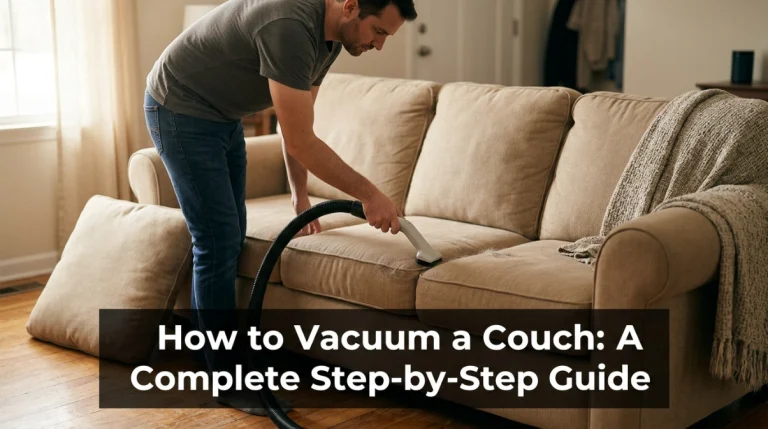
To create a vacuum cleaning schedule, divide your home into cleaning zones, rank each area by traffic, and assign a realistic frequency. Start with carpets and upholstered furniture at least weekly, or more often when needed, which matches EPA indoor dust guidance.
Build Your Schedule in 6 Steps
- List your rooms: Include bedrooms, living areas, halls, stairs, and frequently used furniture.
- Rate the traffic: Mark each area as low, medium, or high traffic.
- Set a baseline: Give high-traffic floors more frequent attention than guest rooms.
- Split the workload: Vacuum different zones on different days instead of doing everything at once.
- Add problem areas: Increase frequency around pets, entryways, dining areas, and visible dust.
- Review monthly: Adjust the routine when your household, season, or floor conditions change.
I’ve found that vacuuming becomes much easier when I stop treating the entire house as one giant cleaning job. A simple schedule turns it into several short, predictable tasks.
This 2026 guide shows you how to create a vacuum cleaning schedule for carpets, hard floors, furniture, pets, allergies, and busy households. You’ll also get ready-to-use weekly examples you can adapt to your home.
In This Guide
- What Is a Vacuum Cleaning Schedule?
- How Often Should You Vacuum Each Area?
- How Do You Create a Vacuum Cleaning Schedule?
- What Does a Good Weekly Vacuum Schedule Look Like?
- Should You Vacuum More Often With Pets or Allergies?
- How Do You Make a Vacuum Schedule Easier to Follow?
- Vacuum Cleaning Schedule FAQs
What Is a Vacuum Cleaning Schedule?
A vacuum cleaning schedule is a planned routine that tells you what to vacuum and how often to do it. It replaces random whole-house cleaning sessions with smaller jobs based on actual need.
The schedule might include floors, rugs, stairs, upholstery, mattresses, and other surfaces your vacuum can safely clean. It should also account for how much dirt each part of your home collects.
Why a schedule works better than vacuuming randomly
Dirt does not build up evenly throughout a home. Your entrance hallway may look dusty two days after cleaning while a spare bedroom stays clean for a week.
A schedule lets you spend more effort where the dirt appears fastest. That saves time without ignoring the quieter parts of your home.
- High-traffic zones: Entrances, kitchens, living rooms, hallways, and family rooms often need more attention.
- Medium-traffic zones: Regular bedrooms, home offices, and dining rooms may fit a weekly routine.
- Low-traffic zones: Guest bedrooms and rarely used rooms can often wait longer between sessions.
- Special zones: Pet areas, upholstered furniture, stairs, and allergy-sensitive rooms may need their own frequency.
A schedule is not a rigid cleaning rule
Your vacuum schedule should be a starting point, not a punishment. Visible crumbs, tracked soil, shedding pets, visitors, or seasonal pollen can justify cleaning sooner.
The opposite also applies. A room nobody entered this week probably does not need vacuuming simply because your calendar says Tuesday.
Section Takeaway: A useful vacuum schedule follows how your home gets dirty. Give high-traffic and problem areas more attention while keeping low-use rooms on a lighter rotation.
How Often Should You Vacuum Each Area?
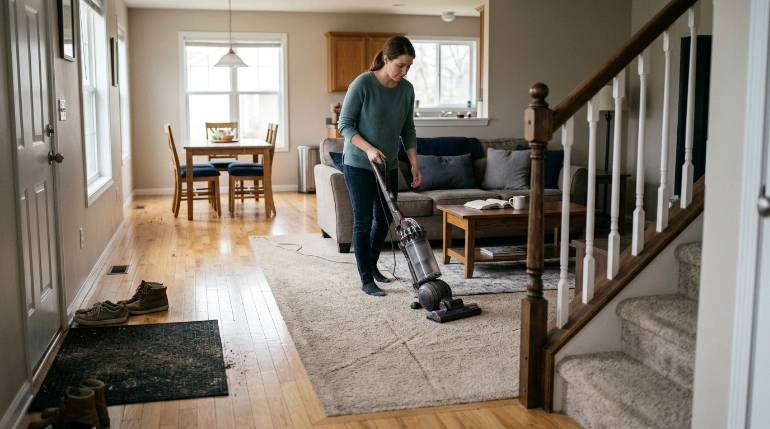
For a typical household, weekly vacuuming is a sensible baseline for carpets and furniture. The EPA specifically recommends vacuuming carpets and furniture every week, or more often, as part of reducing indoor dust.
That does not mean every floor needs the same frequency. Household size, pets, footwear, flooring, children, and outdoor conditions can all change your needs.
| Area | Practical Starting Frequency | Vacuum More Often When |
|---|---|---|
| Entryways and busy halls | 2–4 times per week | Shoes track in soil, sand, pollen, or leaves |
| Living room | 1–2 times per week | Children or pets use the room daily |
| Bedrooms | About once per week | Dust, pet hair, or allergy concerns build quickly |
| Kitchen and dining floor | 2–4 times per week | Crumbs appear daily or children eat there |
| Stairs | About once per week | They are a major route between floors |
| Sofas and upholstered chairs | Weekly to every 2 weeks | Pets sit on them or visible debris collects |
| Guest or low-use rooms | Every 1–2 weeks | The room becomes occupied or visibly dusty |
These frequencies are practical starting points rather than health standards. Watch your home for two or three weeks and adjust the schedule around what you actually see.
Carpet versus hard floors
Carpet can hold dust, hair, crumbs, and grit below the obvious surface. Slow vacuum passes usually make more sense than racing across the same area every day.
Hard floors expose debris more clearly, so you may notice the need for quick cleaning sooner. Use a vacuum or floor setting designed for the surface to avoid scattering debris or damaging delicate flooring.
Do you need to vacuum every day?
Most people do not need to manually vacuum their entire home every day. Daily vacuuming makes more sense as a targeted routine for pet zones, eating areas, entrances, or other fast-dirtying spaces.
A robot or lightweight stick vacuum can also handle short maintenance runs. Save your larger vacuum for scheduled whole-room cleaning when appropriate.
Section Takeaway: Start with weekly cleaning as a baseline, then increase frequency in high-traffic areas. The right frequency depends more on household activity than on a universal calendar.
How Do You Create a Vacuum Cleaning Schedule?

The easiest method is to build the schedule around zones instead of trying to vacuum everything on one day. I use this approach because a 10-minute floor job feels far easier to start than an open-ended whole-house session.
Step 1: List every area you actually vacuum
Walk through your home and write down the surfaces that need vacuuming. Do not limit your list to floors.
- Carpeted rooms
- Hard floors
- Area rugs
- Hallways
- Stairs
- Sofas and chairs
- Pet resting areas
- Mattresses, if appropriate for your vacuum and household needs
- Baseboard edges and corners
Step 2: Give each area a traffic rating
Mark each location as high, medium, or low traffic. This immediately shows where your cleaning time should go.
- High: Used heavily every day.
- Medium: Used regularly but stays reasonably clean.
- Low: Used only occasionally.
Step 3: Identify dirt multipliers
Some household conditions make floors dirty faster regardless of traffic. Add a note beside areas affected by them.
- Shedding pets
- Young children
- Shoes worn indoors
- Frequent cooking or dining
- Open windows during pollen season
- Nearby construction or renovation dust
- Sandy or muddy outdoor conditions
- Heavy use of upholstered furniture
Step 4: Give each zone a baseline frequency
Use the table above as your starting point. Then increase or decrease the frequency based on the traffic rating and dirt multipliers.
Keep this simple. “Living room twice weekly” is easier to follow than a complicated rule involving several conditions.
Step 5: Spread vacuuming across the week
A good schedule reduces cleaning fatigue. Avoid stacking every room onto Saturday unless you genuinely enjoy doing it that way.
For example, clean busy floors Monday, bedrooms Wednesday, and upholstery Saturday. Each session stays shorter and more predictable.
Step 6: Add one catch-up slot
Life will disrupt your cleaning schedule. A catch-up slot prevents one missed session from wrecking the entire routine.
Sunday afternoon might become your optional recovery period. If everything is already clean, skip it.
Step 7: Review the schedule after one month
Look for rooms that seem clean before every scheduled session. Those rooms may need less frequent vacuuming.
Also notice areas that look dirty before their assigned day. Move those to a higher frequency.
Section Takeaway: Build the schedule from room traffic, dirt sources, and your available time. A flexible zone-based routine is usually easier to maintain than one large weekly cleaning day.
What Does a Good Weekly Vacuum Schedule Look Like?
Your ideal schedule depends on how many people live in the home and how quickly debris appears. The examples below give you realistic starting points.
Simple schedule for a low-traffic home
- Monday: Living room and entryway
- Wednesday: Bedrooms and hallway
- Saturday: Whole-home touch-up, rugs, and upholstery as needed
This routine can work well for one or two adults without pets. Low-use rooms may only need attention during the Saturday check.
Schedule for a busy family home
- Monday: Kitchen, dining area, and entryway
- Tuesday: Living room and family room
- Wednesday: Bedrooms
- Thursday: Stairs and hallways
- Friday: Kitchen and dining floor touch-up
- Saturday: Rugs, upholstery, corners, and missed areas
- Sunday: Rest or catch-up only
The goal is not to clean for hours each day. Most days focus on one manageable zone.
Schedule for a home with shedding pets
- Daily or every other day: Quick vacuum of visible pet-hair zones
- Monday: Main living spaces
- Wednesday: Bedrooms and hallway
- Friday: Main living spaces again
- Saturday: Upholstery, rugs, pet beds, and edges
Pet hair tends to concentrate where animals sleep and move. Targeting those zones is usually more efficient than vacuuming every square foot daily.
Can a robot vacuum fit into the schedule?
Yes. A robot vacuum can handle frequent surface maintenance while you keep deeper manual cleaning on a separate schedule.
For example, let the robot clean busy floors several times per week. Use your regular vacuum weekly for stairs, corners, upholstery, edges, and areas the robot cannot reach.
Should You Vacuum More Often With Pets or Allergies?
You may need a more frequent schedule when pet hair, dust, pollen, or other allergens build up quickly. Focus on reducing accumulated material without turning cleaning into an all-day routine.
The National Institute of Environmental Health Sciences recommends damp dusting rather than dry dusting for dust-mite control and suggests using a double-layer microfilter bag or HEPA-filter vacuum.
Adjusting the schedule for pets
Start by identifying your pet’s favorite locations. Their bed, sofa corner, feeding area, and main walking route often need attention before the rest of the house.
- Vacuum visible hair zones daily or every other day when shedding is heavy.
- Clean main floors at least weekly and increase frequency when hair accumulates sooner.
- Use an upholstery attachment on pet-used furniture.
- Check brush rolls frequently for wrapped hair.
- Empty the bin or replace the bag before reduced airflow becomes a problem.
Adjusting the schedule for allergy-sensitive households
Vacuuming can temporarily stir settled particles into the air. EPA guidance notes that people with asthma or allergies may want to leave the area while vacuuming.
Air filtration can complement surface cleaning, but it does not replace it. EPA explains that portable air cleaners and HVAC filters are supplements to source control and ventilation in its home air-cleaner guidance.
- Keep bedrooms on a consistent cleaning schedule.
- Vacuum carpets and upholstered furniture regularly.
- Damp-dust hard surfaces instead of pushing dry dust into the air.
- Follow the vacuum manufacturer’s filter replacement or washing instructions.
- Consider having a non-sensitive household member vacuum when practical.
Do not use normal vacuuming as mold remediation
A vacuum cleaning schedule is designed for ordinary household dust and debris. Visible mold or water-damaged material requires a different approach.
Expert Alert: If mold covers a substantial area, follows major water damage, or involves contaminated building materials, follow qualified remediation guidance instead of treating it as routine vacuuming. The CDC mold guidance emphasizes removing mold and correcting the moisture source.
Section Takeaway: Pets and allergy concerns often justify targeted extra cleaning, especially in bedrooms and heavily used areas. Concentrate on the places where hair and dust accumulate instead of automatically vacuuming the whole house every day.
How Do You Make a Vacuum Schedule Easier to Follow?
The best vacuum cleaning schedule is not the most ambitious one. It is the routine you can follow for months without constantly restarting it.
Keep individual sessions short
Assign one or two zones instead of the entire home. Short sessions reduce the temptation to postpone vacuuming until you have a free afternoon.
I prefer stopping after the planned zone even when I could keep cleaning. That keeps the routine predictable and prevents every session from becoming a major project.
Store the vacuum where you can reach it
A vacuum hidden behind boxes creates friction before you even start. Keep frequently used equipment somewhere reasonably accessible.
If your home has multiple floors, a lightweight secondary vacuum may also make quick maintenance easier. You do not need extra equipment if carrying your current machine is comfortable.
Match the tool to the job
- Upright vacuum: Useful for larger carpeted areas.
- Canister vacuum: Helpful for mixed surfaces, stairs, and attachment work.
- Stick vacuum: Convenient for quick floor maintenance.
- Robot vacuum: Useful for automated surface cleaning.
- Handheld vacuum: Handy for crumbs, furniture, and small localized messes.
You do not need every vacuum type. Choose the machine that matches your floors, storage space, mobility, and usual cleaning jobs.
Put vacuum maintenance on the same calendar
A cleaning schedule works better when the vacuum itself receives routine care. A full bin, clogged passage, dirty filter, or hair-wrapped brush roll can reduce performance.
- After use: Check the bin or bag and remove obvious debris.
- Weekly: Inspect the brush roll for hair or thread if your household creates frequent tangles.
- Monthly: Inspect filters and accessible air paths.
- Manufacturer interval: Wash or replace filters exactly as your manual specifies.
Never assume every filter is washable. Washing a non-washable filter can damage it or the vacuum.
Use visual triggers instead of chasing perfection
Your calendar should guide you, but the floor still gets the final vote. Vacuum sooner when you see tracked dirt, crumbs, hair, or obvious debris.
Skip unnecessary repeat work when a low-use room remains clean. That flexibility makes the routine sustainable.
Section Takeaway: Make vacuuming convenient, short, and flexible. Pair the cleaning schedule with simple vacuum maintenance so the machine is ready when your scheduled session begins.
Vacuum Cleaning Schedule FAQs
How many times a week should I vacuum?
A practical starting point is about once per week for ordinary carpeted rooms, with high-traffic areas cleaned more often. Entryways, dining areas, pet zones, and busy living spaces may need two or more sessions each week.
Is vacuuming once a week enough?
Weekly vacuuming can be enough for many moderate- or low-traffic areas. Increase the frequency when you see dirt, pet hair, crumbs, tracked soil, or other buildup before the next scheduled cleaning.
Should I vacuum my whole house on the same day?
No. Splitting the house into zones can make the routine much easier to maintain.
You might vacuum living areas Monday, bedrooms Wednesday, and stairs or upholstery Saturday. The total work still gets done without one exhausting cleaning session.
Should I vacuum before or after dusting?
When doing both tasks during the same cleaning session, dust higher surfaces first and vacuum afterward. A damp cloth is preferable to dry dusting when you want to limit how much settled dust becomes airborne.
How often should I vacuum with a dog or cat?
Start with weekly whole-room cleaning and add quick sessions in areas where pet hair accumulates. During heavy shedding, visible pet zones may need vacuuming daily or every other day.
Can I use a robot vacuum instead of regular vacuuming?
A robot vacuum can reduce routine floor debris, but it may not clean stairs, upholstery, corners, or every edge effectively. Keep those tasks in your manual vacuuming schedule.
How often should I change my vacuum schedule?
Review it after the first month and whenever your household changes. Pets, children, visitors, seasonal pollen, renovations, new flooring, or a changed work routine can all affect how often rooms need attention.
Start simple. Pick three vacuuming days, assign one or two zones to each day, and follow the routine for four weeks.
Then adjust it around what your floors are telling you. A vacuum cleaning schedule should make your home easier to maintain, not give you another complicated chore to manage.