
How to Compare Air Purifiers: Proven Essential Guide

Learn how to compare air purifiers effectively with this essential guide, covering key features like CADR, filter types, coverage area, and noise levels to make an informed purchase for cleaner indoor air.
Breathing in clean, fresh air is something we all desire, especially in our homes. But with so many air purifiers on the market, figuring out which one is right for you can feel overwhelming. From confusing jargon to a sea of features, making the best choice can seem like a challenge. Don’t worry, I’m here to break it down for you. This guide will walk you through everything you need to know to compare air purifiers like a pro, ensuring you find a solution that truly improves your indoor air quality.
Understanding Your Air Quality Needs
Before you even start looking at models, take a moment to consider what you need an air purifier to do. Are you dealing with seasonal allergies, pet dander, smoke from wildfires, or just general indoor pollutants? Identifying your primary concerns will help you narrow down the options significantly. This self-assessment is the crucial first step in finding an effective solution.
What are the most common indoor air pollutants?
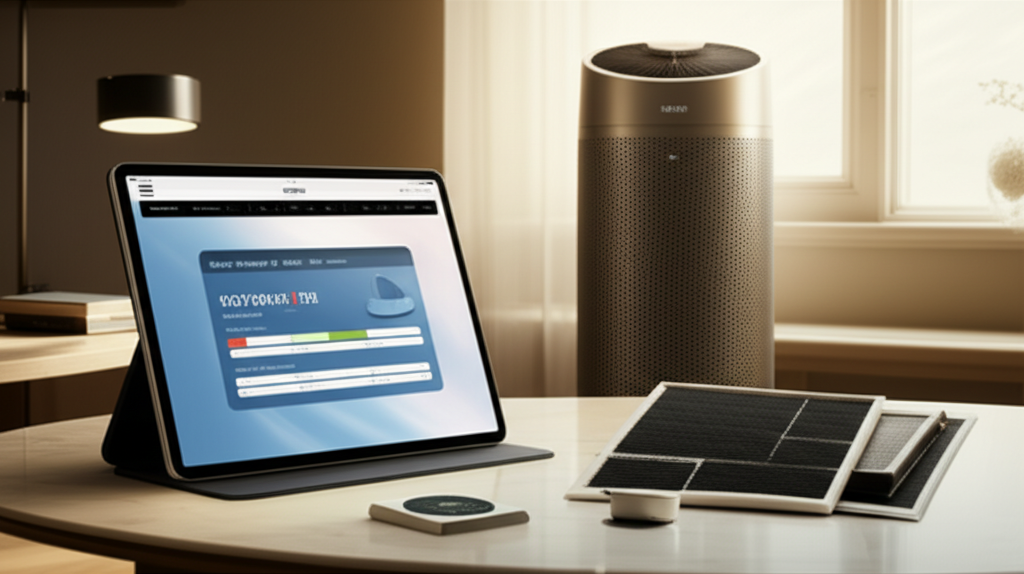
Common indoor air pollutants include dust, pollen, pet dander, mold spores, volatile organic compounds (VOCs) from cleaning products and furniture, and smoke particles. These can all impact your health and comfort at home. Understanding these can help you choose the right air purifier.
Decoding Air Purifier Specifications: The Essentials
When comparing air purifiers, several key specifications will tell you what the device can and cannot do. These are not just marketing terms; they are quantifiable metrics that help you understand performance. Focusing on these will prevent you from buying a unit that’s either overkill or underpowered for your space.
What is CADR and why is it important?
CADR stands for Clean Air Delivery Rate, a standardized measurement indicating how quickly an air purifier can remove specific pollutants like smoke, dust, and pollen from a room. Higher CADR ratings mean faster air cleaning. This metric is crucial for matching the purifier’s capacity to your room size.
How to choose the right filter types
Air purifiers use different types of filters to capture particles. A HEPA (High-Efficiency Particulate Air) filter is considered the gold standard, capturing at least 99.97% of airborne particles 0.3 microns in size. Many purifiers also include activated carbon filters to absorb odors and VOCs.
True HEPA Filters: Essential for capturing fine particles like allergens and smoke.
Activated Carbon Filters: Best for removing odors, gases, and VOCs.
* Pre-filters: Capture larger particles like hair and dust bunnies, extending the life of other filters.
Understanding Coverage Area and ACH
The coverage area, often listed in square feet, tells you the maximum room size the purifier is designed to effectively clean. However, just as important is the Air Changes per Hour (ACH) rating. This indicates how many times the air in a room is completely filtered in one hour. For optimal air quality, aim for an ACH of at least 4.
Key Features to Compare for Effective Air Purification
Beyond the basic specifications, several other features can significantly impact your experience with an air purifier. Thinking about these will ensure you choose a unit that’s not only effective but also convenient and suited to your lifestyle. These details often make the difference between a good purchase and a great one.
Noise Levels: Finding a Quiet Companion
Air purifiers can range from whisper-quiet to quite noisy, especially on higher fan settings. This is measured in decibels (dB). If you plan to use the purifier in a bedroom or office, look for models with a low noise level, ideally below 50 dB on the lowest setting. Some units also feature a “sleep mode” that operates at minimal sound.
Energy Efficiency and Running Costs
Air purifiers run continuously to maintain air quality, so energy consumption is a factor. Look for ENERGY STAR certified models, which meet strict energy efficiency guidelines set by the U.S. Environmental Protection Agency. This ensures lower electricity bills and a reduced environmental impact.
Smart Features and Convenience
Modern air purifiers often come with smart features like Wi-Fi connectivity, app control, and air quality sensors. These sensors can automatically adjust fan speed based on real-time air quality readings. While not essential for basic function, these can add significant convenience and efficiency.
Comparing Specific Air Purifier Models: A Practical Approach
Now that you understand the core components, let’s look at how to practically compare models you’re considering. This involves looking at a few key comparison points that directly affect your user experience and the device’s long-term value. A structured comparison makes the decision much clearer.
The Importance of the Pre-filter
The pre-filter is the first line of defense, catching larger particles like pet hair and lint. A washable or easily replaceable pre-filter can save you money and hassle. It also protects the more expensive HEPA and carbon filters from premature clogging.
Activated Carbon vs. Other Odor Control Methods
While activated carbon is the most common method for odor and gas removal, some purifiers use other technologies. Be cautious of technologies that produce ozone, as it can be a lung irritant. Always prioritize proven methods like HEPA and activated carbon for safety and effectiveness.
User Reviews and Brand Reputation
Don’t underestimate the power of user reviews and brand reputation. Real-world experiences can highlight potential issues or benefits not obvious from the specifications alone. Look for patterns in reviews regarding durability, customer service, and actual performance in different home environments.
Making Your Final Decision: A Step-by-Step Comparison
To make your final decision, systematically compare the top contenders based on the criteria we’ve discussed. This structured approach ensures you don’t miss any crucial details and confidently select the best air purifier for your home. It’s about matching features to your specific needs and budget.
Step 1: Identify Your Top 2-3 Needs
Based on your initial assessment, list the absolute must-have features. Is it allergen removal, odor control, or quiet operation for a bedroom? Focusing on your primary needs will quickly eliminate unsuitable models.
Step 2: Compare CADR and Coverage Area
Ensure the CADR rating is sufficient for your room size, aiming for a 2/3rds rule where the purifier’s stated coverage is at least 2/3rds of your room’s actual square footage for optimal performance. Check the ACH rating to confirm it filters the air frequently enough.
Step 3: Evaluate Filter Types and Lifespan
Confirm the purifier has a True HEPA filter and an activated carbon filter if odor control is important. Research the cost and availability of replacement filters, as this is an ongoing expense.
Step 4: Consider Noise Levels and Energy Use
Check the decibel ratings for different fan speeds, especially the lowest setting. Look for ENERGY STAR certification to ensure energy efficiency.
Step 5: Read Reviews and Check Warranties
Look for consensus in user reviews and understand the manufacturer’s warranty for peace of mind.
Air Purifier Comparison Table: Key Metrics
Here’s a sample table to help you visualize and compare specifications between different air purifier models. You can adapt this to your own research.
| Feature | Model A (Brand X) | Model B (Brand Y) | Model C (Brand Z) |
| :—————- | :—————- | :—————- | :—————- |
| CADR (Smoke) | 250 cfm | 220 cfm | 280 cfm |
| CADR (Dust) | 260 cfm | 230 cfm | 290 cfm |
| CADR (Pollen) | 270 cfm | 240 cfm | 300 cfm |
| Coverage Area | 350 sq ft | 300 sq ft | 400 sq ft |
| ACH | 5x | 4x | 5x |
| Filter Type | True HEPA + Carbon | HEPA-type + Carbon | True HEPA + Carbon |
| Noise (Low) | 25 dB | 30 dB | 28 dB |
| Noise (High) | 55 dB | 50 dB | 52 dB |
| Energy Star | Yes | No | Yes |
| Smart Features| App Control | Basic Timer | Air Sensor |
| Replacement Filter Cost | $60/year | $50/year | $70/year |
Common Pitfalls to Avoid When Buying an Air Purifier
Many people fall into common traps when purchasing an air purifier. Being aware of these can save you money and ensure you get a product that actually works. I’ve seen many people disappointed because they overlooked these critical points.
Over-reliance on “Ionizers” or “Ozone Generators”
While some devices use ionizers or produce ozone to purify air, these technologies can be problematic. Ozone is a lung irritant and is not recommended for continuous indoor use by health organizations like the EPA. Stick to purifiers with proven filtration methods.
Ignoring Replacement Filter Costs
Replacement filters are a significant ongoing expense. Before buying, research the cost and lifespan of replacement filters for the models you’re considering. Some filters need replacement every 6-12 months, while others last longer but might be more expensive.
Choosing Based Solely on Price or Aesthetics
The cheapest option might not be the most effective, and a stylish design doesn’t guarantee performance. Prioritize the air-purifying capabilities and specifications over superficial factors. A slightly more expensive unit with better performance will serve you better in the long run.
Frequently Asked Questions About Comparing Air Purifiers
Here are answers to some common questions people have when trying to compare air purifiers.
Q1: How do I know what size air purifier I need?
You need to match the air purifier’s CADR rating and coverage area to your room size. A good rule of thumb is to choose a purifier rated for a slightly larger room than you have to ensure effective air cleaning.
Q2: Is a True HEPA filter really necessary?
Yes, a True HEPA filter is highly recommended for capturing fine particles like allergens, dust mites, and smoke. It captures at least 99.97% of particles 0.3 microns in size, which is crucial for improving indoor air quality.
Q3: How often should I replace air purifier filters?
Filter replacement frequency varies by model and usage, but typically HEPA filters need replacing every 6-12 months, and activated carbon filters may need replacement around the same time or sooner if you have strong odors. Always check your manufacturer’s recommendations.
Q4: Can an air purifier help with pet allergies?
Absolutely. Air purifiers with True HEPA filters are very effective at capturing pet dander, which is a common allergen. Activated carbon filters can also help reduce pet odors.
Q5: What does “air changes per hour” (ACH) mean?
ACH indicates how many times the air in a room is completely filtered by the air purifier in one hour. For optimal air quality, especially for allergy sufferers, aim for an ACH of at least 4.
Q6: Are ozone-producing air purifiers safe?
No, ozone-producing air purifiers are generally not considered safe for continuous indoor use. Ozone can irritate the lungs and worsen respiratory conditions. It’s best to opt for purifiers that rely on HEPA and activated carbon filtration.
Conclusion: Making the Smart Choice for Cleaner Air
Comparing air purifiers doesn’t have to be a daunting task. By understanding key specifications like CADR, filter types, coverage area, and noise levels, you can confidently select a unit that meets your specific needs. Remember to consider ongoing costs like replacement filters and always prioritize proven filtration technologies. Taking the time to research and compare will ensure you invest in an air purifier that delivers cleaner, healthier air for you and your family. Happy purifying!
