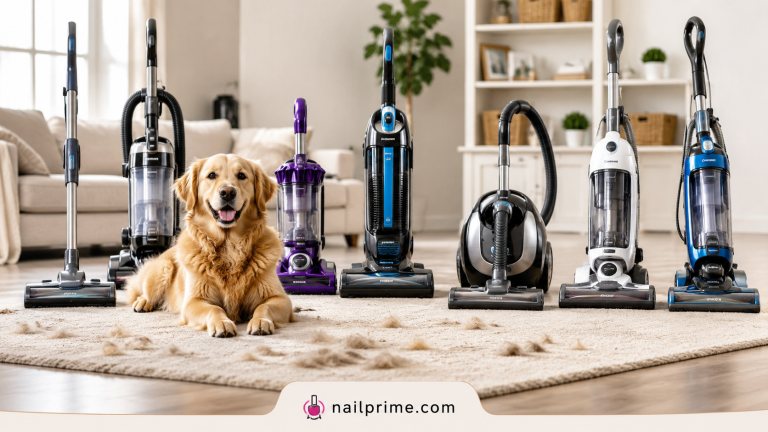
How Long Should a Vacuum Cleaner Last? A Practical 2026 Guide

Quick Answer
A household vacuum cleaner can often remain useful for roughly 5 to 10 years, but there is no universal expiration date. Corded uprights and canisters may remain practical longer, while cordless and robot models can reach battery-related limits sooner; Consumer Reports’ vacuum buying guidance also notes that cordless batteries deteriorate over time.
What determines vacuum lifespan?
- Vacuum type: Corded, cordless, and robot vacuums age in different ways.
- Cleaning frequency: Daily heavy use puts more hours on motors, brushes, batteries, and wheels.
- Airflow maintenance: Full bins, dirty filters, and clogged hoses can reduce performance and increase strain.
- Replaceable parts: Batteries, belts, hoses, filters, and brush rolls can extend the useful life when replacements remain available.
- Overall condition: Persistent overheating, electrical problems, or expensive internal failures can make replacement more sensible.
Best rule to follow
- Judge an older vacuum by cleaning performance, repairability, safety, and operating condition rather than age alone.
If you’re wondering how long a vacuum cleaner should last, age is only part of the answer. I’ve found that condition and maintenance usually tell you more than the date printed on a receipt.
This guide explains realistic lifespan expectations, what wears out first, and how to decide whether an aging vacuum deserves maintenance, repair, or replacement.
In This Guide
- How Many Years Should a Vacuum Cleaner Last?
- What Shortens a Vacuum Cleaner’s Lifespan?
- Does Vacuum Lifespan Change by Type?
- Is Your Vacuum Worn Out or Does It Just Need Maintenance?
- How Can You Make a Vacuum Cleaner Last Longer?
- When Should You Repair or Replace an Old Vacuum?
- Frequently Asked Questions
How Many Years Should a Vacuum Cleaner Last?
For household planning, I consider about 5 to 10 years a reasonable broad range for a vacuum cleaner. It isn’t an industry rule, warranty promise, or fixed replacement schedule.
A well-built machine can remain useful beyond that range. A heavily used or difficult-to-repair model may become uneconomical much sooner.
A vacuum cleaner’s lifespan is the period during which it remains safe, effective, and practical to operate without unreasonable repair costs.
That definition matters because a vacuum does not suddenly become useless when it reaches a particular birthday. Several replaceable parts may wear before the main machine does.
- Filters can become loaded with dust or reach their replacement interval.
- Brush rolls can collect hair, wear down, or develop bearing problems.
- Belts can stretch, slip, or break on models that use them.
- Hoses can clog, split, or lose a tight connection.
- Batteries gradually lose usable capacity in cordless vacuums.
Replacing one of those parts doesn’t necessarily mean the vacuum itself has reached the end of its life. This distinction can save you from replacing a machine that only needs basic service.
Age becomes more important when several major problems arrive together. Weak performance, unavailable parts, electrical faults, and a high repair estimate can turn an old vacuum into a poor investment.
What Shortens a Vacuum Cleaner’s Lifespan?
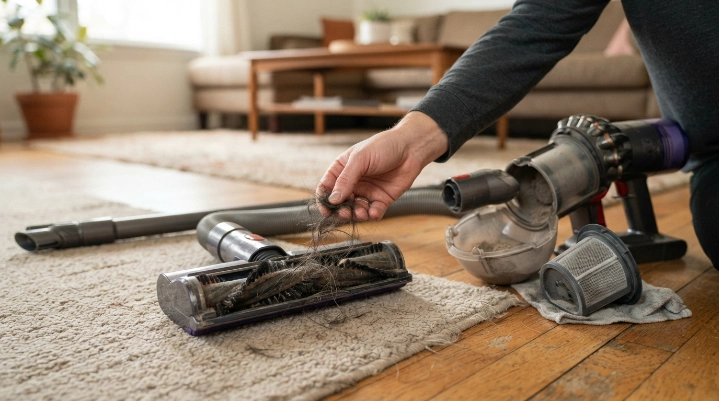
The biggest avoidable lifespan problems usually involve blocked airflow, jammed moving parts, inappropriate debris, physical damage, or neglected batteries. These problems can make the machine work harder than intended.
Can a dirty filter shorten vacuum life?
A dirty or incorrectly maintained filter can restrict the vacuum’s intended airflow. Reduced airflow can also show up as weaker suction or unusual heat.
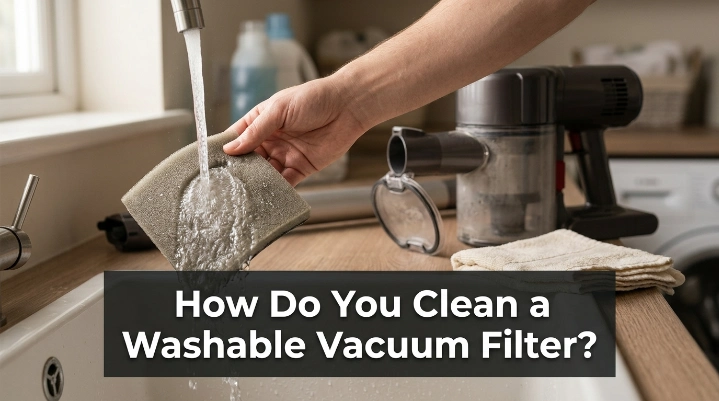
Don’t wash a filter simply because it looks dirty. Some filters are washable, while others must remain dry and be replaced instead.
Why do brush rolls and hair matter?
Hair, thread, carpet fibers, and pet fur can wrap tightly around a rotating brush roll. The buildup can increase resistance or prevent the roller from turning normally.
I check the brush area early whenever a vacuum suddenly sounds different. A small tangle is easier to remove than a completely jammed roller.
Can you damage a vacuum by picking up the wrong material?
Yes. A standard dry household vacuum shouldn’t be used for liquids unless its manufacturer specifically designed it for wet pickup.
- Wet or damp debris
- Hot fireplace ash
- Large sharp objects
- Heavy construction debris
- Large amounts of fine renovation dust
These materials can clog filters, damage hoses, create moisture problems, or overload equipment designed for normal household dirt.
Does heavy use wear a vacuum out faster?
A vacuum cleaning several rooms every day accumulates more operating hours than one used twice a week. Pet hair, large carpeted areas, and frequent high-power use can increase the workload further.
That doesn’t mean frequent cleaning is bad. It means a heavily used machine deserves more frequent inspection.
Does Vacuum Lifespan Change by Type?
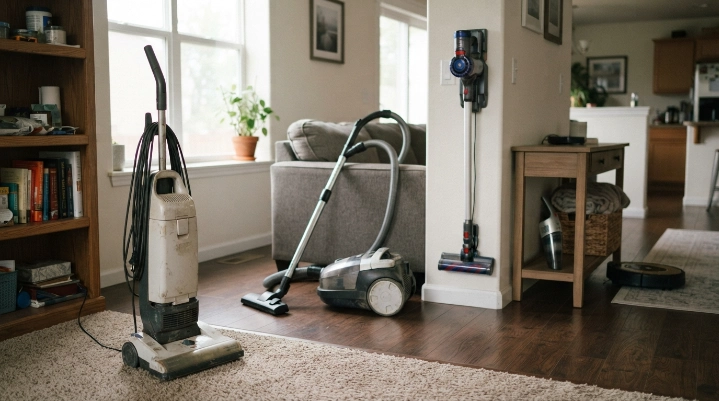
Yes. Vacuum design affects which parts are most likely to limit its useful life.
Full-size corded vacuums avoid battery aging, while cordless sticks and robots depend on rechargeable batteries and more electronic components.
| Vacuum Type | Longevity Tendency | Common Aging Point | What Can Extend Useful Life |
|---|---|---|---|
| Corded upright | Often longer-term | Brush roll, belt, hose, cord | Replaceable wear parts and clear airflow |
| Canister | Often longer-term | Hose, powerhead, cord system | Available hoses, heads, filters, and service parts |
| Cordless stick | More battery-dependent | Rechargeable battery | Replaceable battery and careful heat management |
| Robot vacuum | Battery and electronics-dependent | Battery, wheels, brushes, sensors | Consumable parts, battery availability, and software support |
| Handheld | Often suited to lighter-duty use | Battery, switch, small filter | Light-duty use and correct charging |
Why are cordless batteries important?
Rechargeable batteries lose capacity as they age. Eventually, the machine may still work but provide much less runtime per charge.
Consumer Reports’ vacuum testing information says owners have reported cordless-stick battery problems, particularly by the fifth year of ownership. That makes battery replaceability an important longevity feature.
A worn battery doesn’t always mean you need a new vacuum. If the manufacturer sells a compatible replacement, a battery swap can keep the rest of the machine in service.
Is Your Vacuum Worn Out or Does It Just Need Maintenance?
Weak suction does not automatically mean the motor is dying. I check simple airflow problems first because they are common and usually easier to correct.
Check these before replacing the vacuum
- Dust bin or bag: Empty an overloaded bin or replace a full bag.
- Filters: Clean or replace them only as the manual instructs.
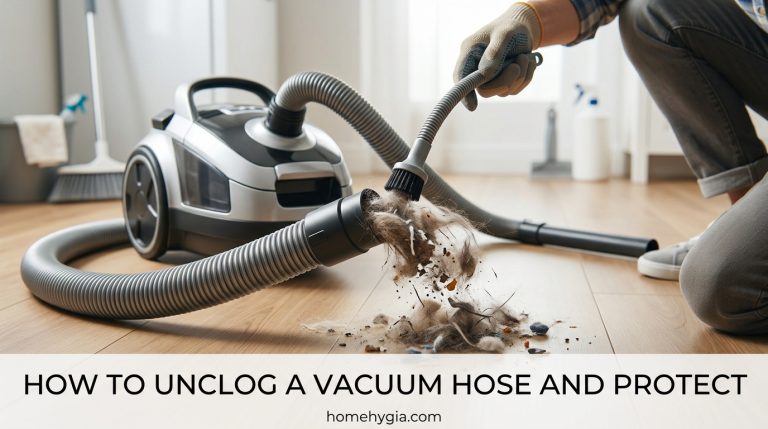
- Hose: Look for packed hair, paper, lint, or larger objects.
- Wand: Inspect narrow sections where debris can become tightly lodged.
- Cleaner head: Check its airway and remove brush-roll tangles.
- Connections: Make sure removable parts are seated correctly and seals aren’t obviously damaged.
If suction returns after clearing a clog or servicing a filter, you probably had a maintenance problem rather than an end-of-life failure.
What signs suggest a more serious problem?
Persistent electrical smells, sparking, damaged wiring, severe overheating, or repeated shutdowns deserve more caution. Stop using the machine until the cause is identified.
Unusual grinding or rattling can also point to a damaged motor, fan, bearing, or powered cleaner head. Continuing to run the vacuum can make a repair more expensive.
Expert Alert: If you suspect internal electrical damage, damaged wiring, a failing motor, or a swollen battery, stop using the vacuum and have a qualified repair professional inspect it.
How Can You Make a Vacuum Cleaner Last Longer?
The best longevity routine is simple: protect airflow, keep moving parts free, and fix small problems early. Your vacuum’s own manual should always override a generic schedule.
- Empty the dirt system on time. Don’t keep running a bagless vacuum after debris passes its maximum line, and change bags when needed.
- Maintain filters correctly. Wash only filters identified as washable, and allow them to dry completely before reinstalling them.
- Remove brush-roll tangles. Hair and thread should be cleared before they tightly bind the roller.
- Investigate suction loss early. Check the intake, hose, wand, filter, and cleaner head instead of forcing the vacuum to keep working.
- Use the right machine for the mess. Don’t use a normal dry vacuum for liquids or heavy construction waste.
- Protect cords and batteries. Avoid crushed cords, damaged plugs, excessive battery heat, and rough storage.
- Replace sensible wear parts. A filter, belt, hose, brush, or battery may cost far less than replacing an otherwise sound vacuum.
Does vacuum maintenance matter for home hygiene too?
Yes, because a vacuum’s condition affects how well it handles collected dust. The EPA’s guidance on indoor particulate matter recommends regular cleaning and says a vacuum with a HEPA filter can help reduce dust buildup.
For homes dealing with dust-mite allergens, the National Institute of Environmental Health Sciences also lists a double-layer microfilter bag or HEPA-filter vacuum among its dust-mite prevention strategies.
Those recommendations don’t mean every household needs the same vacuum. They do show why keeping a filtration system in its intended condition matters.
When Should You Repair or Replace an Old Vacuum?
Repair makes the most sense when the machine still performs well and the failed part is affordable, available, and designed to be replaced. Replacement becomes more attractive when several expensive problems appear together.
Repair may make sense when:
- The hose is cracked or blocked.
- A replaceable belt has failed.
- The brush roll or cleaner head needs replacement.
- A compatible cordless battery is available.
- The vacuum needs routine filters or seals.
- The repair cost is modest compared with a comparable new machine.
Replacement may make more sense when:
- The motor or main electronics have failed.
- Electrical damage makes the machine unsafe.
- Important replacement parts are discontinued.
- Several major components are failing at once.
- Repair approaches the cost of a suitable replacement.
- The machine no longer meets your household’s cleaning needs.
I also consider how easy the machine will be to maintain after the repair. Spending money on an obsolete vacuum with scarce filters, batteries, or brush parts may only postpone replacement.
On the other hand, I wouldn’t discard a solid vacuum because one normal wear component failed. Repairability is one of the most useful signs of long-term value.
Frequently Asked Questions
How long should a good vacuum cleaner last?
A useful planning range for many household vacuums is roughly 5 to 10 years, although some last longer and others fail sooner. Vacuum type, build quality, operating hours, maintenance, battery condition, and replacement-part availability all affect the result.
How do I know when my vacuum needs replacing?
Consider replacement when cleaning performance remains poor after maintenance, major repairs become expensive, electrical problems appear, or essential replacement parts are unavailable. Age alone isn’t a reliable reason to discard a working machine.
Do cordless vacuums wear out faster?
Cordless vacuums have a rechargeable battery that gradually loses capacity, creating an additional aging component that corded vacuums don’t have. A replaceable battery can extend the machine’s useful life considerably when the motor and other parts remain healthy.
Can a vacuum cleaner last 15 years?
It is possible for a durable, repairable vacuum to remain useful for 15 years, especially with reasonable use and replacement of normal wear parts. However, that should be viewed as a possible long service life rather than a standard expectation for every model.
Is it worth repairing a 10-year-old vacuum?
It can be. A simple hose, belt, switch, filter, or brush repair may still make financial sense, while an expensive motor or electronic failure can be harder to justify on an older machine with limited parts support.
Does cleaning a vacuum help it last longer?
Correct maintenance helps prevent avoidable problems such as blocked airflow, packed bins, clogged hoses, and jammed brush rolls. Always follow the manufacturer’s instructions because filter cleaning, replacement intervals, and removable components vary between models.
Should I replace a vacuum when the battery gets weak?
Not automatically. If the battery is replaceable and the rest of the vacuum works properly, replacing only the battery can be the more practical choice.
The final takeaway: Don’t replace a vacuum simply because it has reached a certain age. A well-maintained, repairable machine that still cleans properly can remain useful long after a neglected vacuum has failed.
Start with the bin, filters, hose, brush roll, and other serviceable parts whenever performance drops. If the problem is electrical, repeatedly causes overheating, or requires an uneconomical major repair, that’s when replacement becomes the safer and more practical choice.
“`