
Can Air Purifier Catch On Fire? Essential Safety Guide

Yes, air purifiers can potentially catch fire, but it’s rare and preventable with proper use and maintenance. This guide provides essential safety tips to ensure your air purifier operates safely and efficiently, protecting your home and family from fire hazards.
Air purifiers are fantastic for improving indoor air quality, but a common concern is their safety. You might wonder, “Can air purifier catch on fire?” While the risk is low, understanding potential causes and prevention methods is crucial for peace of mind. This guide will walk you through everything you need to know to keep your air purifier, and your home, safe. We’ll cover common issues, maintenance tips, and what to do if you suspect a problem.
Understanding Air Purifier Fire Risks
Air purifiers are designed with safety in mind, but like any electrical appliance, they carry a small risk of fire. This usually stems from electrical faults, overheating, or improper usage. Understanding these potential issues empowers you to take proactive steps to prevent them.
Common Causes of Air Purifier Fires
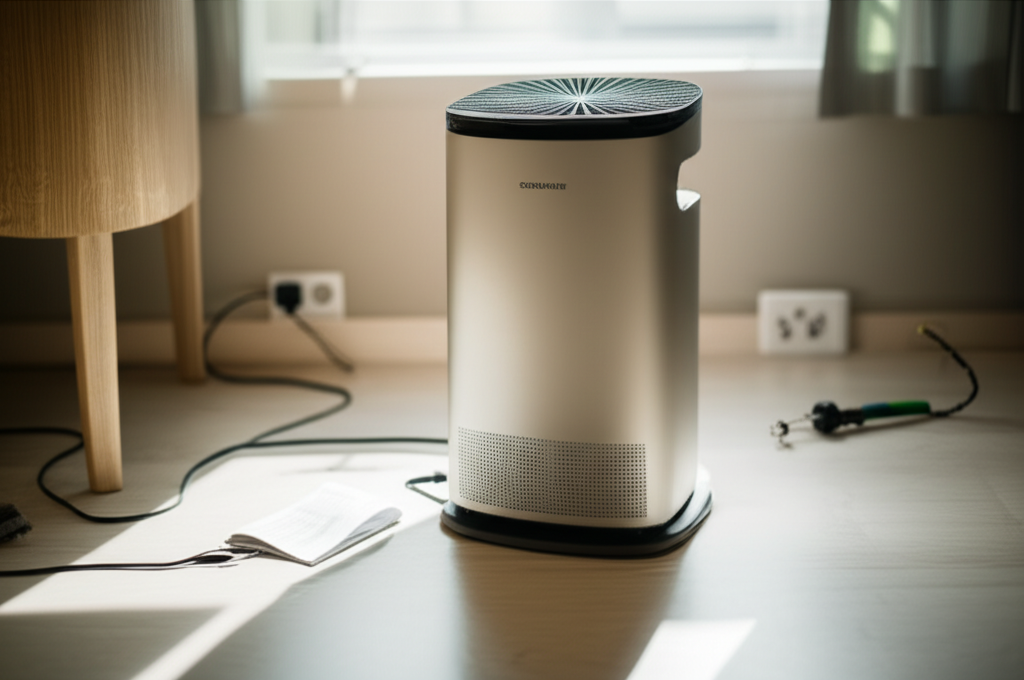
Several factors can contribute to an air purifier fire. These often involve the internal electrical components or the accumulation of flammable materials.
Electrical Malfunctions: Faulty wiring, damaged power cords, or internal component failures are primary culprits. These issues can lead to short circuits and overheating.
Overheating: When an air purifier’s motor or electrical parts overheat, they can ignite surrounding materials. This is often due to blocked vents or prolonged, continuous operation without breaks.
Dust and Debris Accumulation: The filters and internal components of an air purifier can collect dust, lint, and pet hair. If this debris builds up excessively, it can become a fire hazard, especially near hot electrical parts.
Using Non-Approved Parts: Replacing filters or other components with unofficial or incompatible parts can disrupt the unit’s airflow and electrical balance, increasing risk.
Placement Issues: Blocking the air intake or exhaust vents prevents proper airflow, leading to overheating. Placing the unit too close to curtains, bedding, or other flammable materials is also dangerous.
The Role of UL Certification and Safety Standards
When purchasing an air purifier, look for certifications like UL (Underwriters Laboratories) or ETL (Intertek). These marks indicate that the product has been tested and meets rigorous safety standards. They provide a crucial layer of assurance against electrical hazards.
Preventing Air Purifier Fires: A Comprehensive Guide
Proactive measures are key to ensuring your air purifier operates safely. By following these simple steps, you can significantly minimize the risk of a fire.
Regular Cleaning and Maintenance
Consistent cleaning is the most effective way to prevent fires. It removes flammable dust and ensures optimal performance.
Clean the Exterior: Wipe down the outside of the unit regularly with a dry or slightly damp cloth. This removes surface dust and prevents it from being drawn into the unit.
Clean or Replace Filters: Follow the manufacturer’s instructions for cleaning or replacing filters. Clogged filters restrict airflow, causing the unit to work harder and potentially overheat.
Check the Power Cord: Inspect the power cord for any signs of fraying, cracking, or damage. A damaged cord is a serious electrical hazard.
Proper Placement and Usage
Where you place your air purifier and how you use it directly impacts its safety.
Maintain Clearance: Always ensure adequate space around the air purifier, especially at the air intake and exhaust vents. The general recommendation is at least 1-3 feet of clearance.
Avoid Flammable Materials: Never place your air purifier near curtains, bedding, furniture, or any other combustible items. This creates a firebreak, preventing accidental ignition.
Use on a Flat, Stable Surface: Ensure the unit is placed on a level and stable surface to prevent tipping and ensure proper ventilation.
Avoid Humid Environments: Do not operate air purifiers in excessively humid areas like bathrooms, as moisture can damage electrical components.
Using Genuine Replacement Parts
Always use filters and other replacement parts recommended by the manufacturer. Non-genuine parts may not fit correctly or could compromise the unit’s electrical safety.
Signs Your Air Purifier Might Be a Fire Hazard
Being aware of warning signs can help you identify a potential problem before it escalates.
Warning Signs to Watch For
If you notice any of these indicators, it’s time to investigate and potentially discontinue use.
Unusual Smells: A burning smell, plastic smell, or any acrid odor emanating from the unit is a serious warning sign. This often indicates overheating or melting components.
Strange Noises: Grinding, buzzing, or clicking sounds can indicate internal mechanical or electrical issues. These noises suggest the unit is not operating correctly.
Overheating: If the unit feels unusually hot to the touch, even after being on for a short period, it may be overheating.
Visible Damage: Look for any signs of discoloration, melting plastic, or exposed wires on the unit or its power cord.
Frequent Tripping of Circuit Breakers: If your air purifier repeatedly causes your home’s circuit breaker to trip, it might be drawing too much power or have an internal electrical fault.
What to Do If You Suspect a Problem
If you observe any of the warning signs, immediate action is necessary to ensure safety.
Immediate Safety Steps
Don’t delay in addressing potential issues. Your safety is paramount.
1. Unplug Immediately: The first and most crucial step is to unplug the air purifier from the power outlet. Do not attempt to use it further.
2. Allow to Cool: Let the unit cool down completely before attempting any inspection.
3. Inspect for Damage: Carefully examine the unit, power cord, and plug for any visible signs of damage, melting, or discoloration.
4. Contact Manufacturer or Professional: If you find damage or are unsure about the cause, contact the manufacturer for support or a qualified electrician to inspect the unit. Do not try to repair it yourself unless you are trained.
5. Replace if Necessary: If the unit is old, damaged, or the cause of the problem cannot be safely resolved, it’s best to replace it with a new, certified unit.
Air Purifier Maintenance Schedule for Safety
A consistent maintenance schedule is your best defense against potential fire hazards. Here’s a recommended plan.
Weekly Checks
Visually inspect the power cord and plug for any damage.
Ensure vents are clear of obstructions.
Monthly Checks
Clean the exterior of the unit.
Check the pre-filter (if applicable) for dust buildup and clean or replace as needed.
As Per Manufacturer’s Recommendations (Typically Every 3-6 Months)
Clean or replace the main HEPA and activated carbon filters.
Inspect the interior for significant dust accumulation and clean gently if accessible.
Annual Checks
Consider a more thorough internal cleaning if the unit is accessible and you are comfortable doing so, or have it professionally serviced.
Choosing a Safe Air Purifier: What to Look For
When buying a new air purifier, prioritize safety features and reputable brands.
Key Safety Features and Certifications
UL/ETL Certification: As mentioned, this is a non-negotiable safety mark.
Automatic Shut-off: Some units have features that automatically shut off if they overheat or are tipped over.
Flame-Retardant Materials: Reputable manufacturers use materials that are resistant to ignition.
Quality Construction: Look for units with robust build quality and well-insulated electrical components.
Reputable Brands and Models
While specific models change, brands known for quality and safety include Coway, Blueair, Levoit, and Winix. Always research current models and read reviews focusing on safety and reliability. For example, Coway’s Airmega series is often praised for its robust build and safety features.
Can Air Purifier Catch On Fire? Real-World Scenarios and Statistics
While the fear of an air purifier fire is understandable, it’s important to put the risk into perspective. Fires caused by air purifiers are rare.
Incidents and Causes
Most reported incidents involve older units, units that have not been maintained, or those using non-certified parts. The Consumer Product Safety Commission (CPSC) tracks appliance-related fires, and while air purifiers are listed, they are not among the leading causes of household fires.
The Importance of Proper Use
The vast majority of air purifiers operate safely for years when used and maintained according to the manufacturer’s guidelines. The risk is significantly amplified by neglect or misuse.
Troubleshooting Common Air Purifier Issues Related to Safety
Sometimes, minor issues can be mistaken for serious safety concerns. Understanding these can help.
Overheating vs. Normal Operation
It’s normal for an air purifier to become slightly warm during operation, especially on higher settings. However, if it becomes excessively hot to the touch, that’s a cause for concern.
Filter Replacement Lights
Many units have filter replacement indicator lights. Ignoring these lights can lead to clogged filters and potential overheating.
Power Surges
While not directly an air purifier issue, power surges can sometimes damage electronics. Using a surge protector can add an extra layer of safety for your air purifier and other appliances.
Air Purifier Fire Safety FAQs
Here are answers to some common questions about air purifier fire safety.
Q1: How often should I clean my air purifier to prevent fires?
You should clean the exterior and check vents weekly, clean or replace pre-filters monthly, and replace main filters as recommended by the manufacturer, typically every 3-6 months.
Q2: Can I leave my air purifier on all the time?
Most modern air purifiers are designed for continuous operation, but it’s always wise to unplug them when leaving home for extended periods, especially if the unit is older or you have concerns.
Q3: What should I do if my air purifier smells like burning plastic?
Immediately unplug the unit and allow it to cool. Do not use it again. Contact the manufacturer or a qualified technician, or consider replacing the unit.
Q4: Is it safe to use a generic brand of replacement filters?
It’s best to use genuine replacement filters from the manufacturer. Generic filters may not fit properly or could affect the unit’s performance and safety.
Q5: My air purifier is old. Is it more likely to catch fire?
Older appliances, including air purifiers, may have degraded electrical components. Regular maintenance and careful inspection are even more critical for older units.
Q6: Can a power strip cause my air purifier to catch fire?
A faulty or overloaded power strip can be a fire hazard for any appliance. Always use a reputable power strip with surge protection and ensure it’s not overloaded.
Conclusion
So, can air purifier catch on fire? While the risk is low, it’s not zero. By understanding the potential causes and diligently following safety guidelines—regular cleaning, proper placement, using genuine parts, and being attentive to warning signs—you can ensure your air purifier remains a safe and beneficial addition to your home. Prioritizing maintenance and choosing certified products are your best strategies for a safe and healthy living environment. Enjoy cleaner air with confidence!
