
Can Air Purifier Cause Dry Throat? Essential Truths

Yes, an air purifier can cause a dry throat, but it’s usually a solvable issue related to settings, filter maintenance, or humidity levels, not an inherent flaw of the device itself.
Can Air Purifier Cause Dry Throat? Essential Truths for Home Air Quality
Experiencing a dry, scratchy throat after running your air purifier can be unsettling, especially when you’re trying to improve your home’s air quality. Many people wonder, “Can air purifier cause dry throat?” The good news is that this discomfort is often temporary and easily addressed. Let’s explore the reasons behind this common concern and how you can ensure your air purifier works for, not against, your comfort.
Understanding the Link Between Air Purifiers and Dry Throats
It’s a valid question: can air purifier cause dry throat? While air purifiers are designed to enhance air quality, certain operational factors can inadvertently lead to a dry throat. This usually stems from the device’s interaction with your environment, rather than a direct harm it inflicts.
How Air Purifiers Work and Potential Side Effects
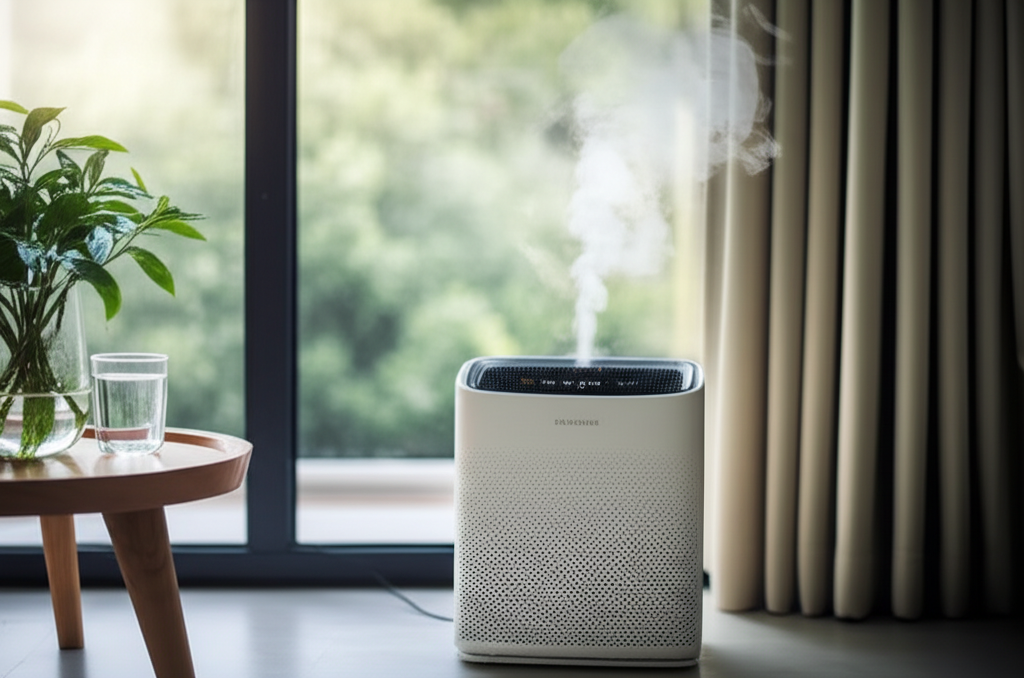
Air purifiers clean the air by trapping pollutants, allergens, and other particles. This process involves circulating air, which can sometimes reduce the overall humidity in a room. If the air becomes too dry, it can lead to that familiar sensation of a dry throat.
Dispelling Common Myths About Air Purifiers
Some believe air purifiers actively dry out the air as their primary function. This is a misconception; while some drying can occur as a byproduct, their main goal is purification. Understanding their actual mechanisms helps demystify potential side effects.
The Science Behind the Dry Throat Sensation
The sensation of a dry throat is primarily linked to the moisture content in the air. When air purifiers operate, especially in poorly ventilated or already dry environments, they can exacerbate this issue.
Humidity Levels and Air Circulation
Air purifiers circulate air, and this constant movement can increase evaporation from your skin and mucous membranes. If the ambient humidity is already low, this can leave your throat feeling dry and irritated. Optimal indoor humidity levels typically range from 30% to 50%.
The Role of HEPA Filters
HEPA filters are highly effective at capturing tiny particles, including those that can irritate your respiratory system. However, the filtration process itself doesn’t inherently remove moisture from the air. It’s the air circulation and potential reduction in ambient humidity that can indirectly lead to a dry throat.
When Your Air Purifier Might Be Contributing to a Dry Throat
Several factors related to your air purifier’s operation and your home environment can contribute to a dry throat. Identifying these is the first step to finding a solution.
Incorrect Settings and Fan Speed
Running your air purifier on its highest setting continuously can increase air circulation significantly. This can lead to a faster reduction in room humidity, potentially causing a dry throat. Lowering the fan speed can often mitigate this effect.
Lack of Proper Ventilation
If your home is tightly sealed for energy efficiency, air can become stagnant. When an air purifier operates in such an environment without adequate fresh air intake, the moisture levels can drop more noticeably.
The Impact of Filter Condition
While not a direct cause, a clogged or old filter can make your air purifier work harder, potentially increasing air circulation and the associated drying effect. Regular filter maintenance is crucial for optimal performance and comfort.
Troubleshooting: Solutions to a Dry Throat from Air Purifiers
Fortunately, if you’re asking “Can air purifier cause dry throat?” and experiencing it, there are practical solutions. Addressing the root cause often involves simple adjustments to your purifier’s use or your home’s environment.
Adjusting Your Air Purifier’s Settings
The simplest solution is often to adjust your air purifier’s fan speed. Running it on a lower setting, especially at night, can maintain air quality without overly drying the air. Many modern purifiers have automatic modes that adjust based on air quality, which can also help.
Integrating a Humidifier
The most direct solution to combatting dryness is to add moisture back into the air. Using a humidifier alongside your air purifier can effectively balance humidity levels, preventing that dry throat sensation. It’s a synergistic approach to maintaining a comfortable environment.
Optimizing Room Humidity
Monitoring your home’s humidity levels is key. A hygrometer can help you track this, allowing you to make informed decisions about running your humidifier or adjusting your air purifier. Aiming for the 30-50% range is generally recommended for respiratory health and comfort.
Advanced Considerations for Air Purifier Users
Beyond basic settings, a few other factors can influence your experience with air purifiers and potential dryness.
The Type of Air Purifier Matters
Different types of air purifiers work in various ways. For instance, some advanced models incorporate humidifying functions, directly addressing the issue of dry air. Understanding the technology behind your specific unit can provide further insights.
Placement of Your Air Purifier
The placement of your air purifier can also play a role. Avoid placing it directly facing your bed or seating area, as direct airflow can feel more drying. Positioning it in a corner or central location can help distribute air more evenly.
Understanding Air Changes Per Hour (ACH)
Air Changes Per Hour (ACH) indicates how many times the air in a room is completely replaced by filtered air within an hour. A high ACH is great for purification but can contribute to dryness if humidity isn’t managed. Choosing an appropriate ACH for your room size is important.
When to Seek Professional Advice
While most dry throat issues related to air purifiers are manageable, persistent or severe symptoms warrant attention.
Consulting a Doctor
If you experience a persistent dry throat, or if it’s accompanied by other concerning symptoms like coughing, sore throat, or difficulty breathing, it’s essential to consult a healthcare professional. They can rule out other underlying medical conditions.
When to Contact the Manufacturer
If you suspect your air purifier might be malfunctioning or if you’ve tried all troubleshooting steps without success, reaching out to the manufacturer’s customer support can provide specific guidance for your model.
Frequently Asked Questions About Air Purifiers and Dry Throats
Can air purifier cause dry throat?
Yes, it’s possible. While air purifiers clean the air, their operation can sometimes lead to lower humidity levels in a room. This reduction in moisture can cause a dry, scratchy throat for some individuals, especially if ambient humidity is already low.
How can I prevent my air purifier from drying out my throat?
To prevent dryness, try lowering your air purifier’s fan speed, especially at night. You can also use a humidifier alongside your purifier to maintain optimal indoor humidity levels (30-50%). Ensuring good ventilation in your home can also help.
Is a dry throat a sign that my air purifier is too powerful?
A dry throat might indicate that the air circulation from your purifier is too high for your room’s current humidity. It doesn’t necessarily mean the purifier is “too powerful” overall, but rather that its settings or your environment needs adjustment. Lowering the fan speed is often the solution.
Should I use a humidifier and an air purifier together?
Using a humidifier and an air purifier together is often an excellent strategy. The air purifier cleans the air, while the humidifier adds necessary moisture, creating a more balanced and comfortable indoor environment. This combination can effectively combat dryness and improve overall air quality.
How often should I clean or replace my air purifier’s filter?
Filter maintenance is crucial. Most manufacturers recommend cleaning pre-filters monthly and replacing HEPA filters every 6-12 months, depending on usage and air quality. Clogged filters can make your purifier less efficient and potentially affect air circulation.
What is the ideal humidity level for my home?
The ideal indoor humidity level is generally between 30% and 50%. Levels below 30% can lead to dry skin, irritated airways, and a dry throat, while levels above 50% can encourage mold and dust mite growth. Using a hygrometer can help you monitor and maintain this range.
Conclusion: Breathing Easier with Your Air Purifier
So, can air purifier cause dry throat? The answer is yes, but it’s a manageable issue rooted in environmental factors and device settings, not a fundamental flaw. By understanding how air purifiers interact with your home’s humidity and by making simple adjustments—like moderating fan speed, maintaining your filters, and potentially incorporating a humidifier—you can enjoy the benefits of cleaner air without the discomfort of a dry throat. Prioritizing a balanced indoor environment ensures your air purifier is a tool for health and comfort, contributing positively to your well-being.
