Do Air Purifiers Help With Congestion: Proven Relief

Yes, air purifiers can significantly help with congestion by removing airborne irritants that trigger nasal and sinus inflammation. They improve air quality, offering proven relief for allergy and asthma sufferers seeking a clearer breathing experience.
Air purifiers offer a promising solution for those battling persistent congestion. This frustrating issue, often caused by allergies, pollutants, or even dry air, can significantly impact daily life. If you’re wondering if an air purifier is the key to breathing easier, you’re in the right place. I’ll guide you through how these devices work and the science behind their effectiveness in providing congestion relief.
How Air Purifiers Tackle Congestion
Air purifiers work by drawing in air, filtering out harmful particles, and releasing cleaner air back into your space. This process directly addresses many common causes of congestion, such as dust, pollen, pet dander, and mold spores. By reducing these airborne triggers, air purifiers can minimize inflammation in your nasal passages and sinuses, leading to less congestion.
The Science Behind Cleaner Air and Congestion Relief
The effectiveness of air purifiers stems from their ability to capture microscopic irritants that inflame the airways. When these particles are removed, your body’s inflammatory response lessens, easing the pressure and discomfort associated with congestion. This is especially beneficial for individuals with allergies or asthma, where even small amounts of allergens can trigger significant symptoms.
Understanding Common Congestion Triggers
Congestion isn’t always about a common cold; it’s often an immune system response to environmental factors. Common triggers include seasonal allergens like pollen, indoor allergens like dust mites and pet dander, and irritants like smoke and strong odors. Air purifiers are designed to capture many of these culprits, offering a direct path to symptom reduction.
Types of Air Purifiers and Their Mechanisms
Different air purifiers use various technologies to clean the air. HEPA (High-Efficiency Particulate Air) filters are the gold standard, capturing at least 99.97% of particles 0.3 microns in size. Other technologies like activated carbon filters absorb odors and gases, while UV-C light can neutralize airborne pathogens. Understanding these mechanisms helps in choosing the right purifier for your specific needs.
HEPA Filters: The Workhorses of Air Purification
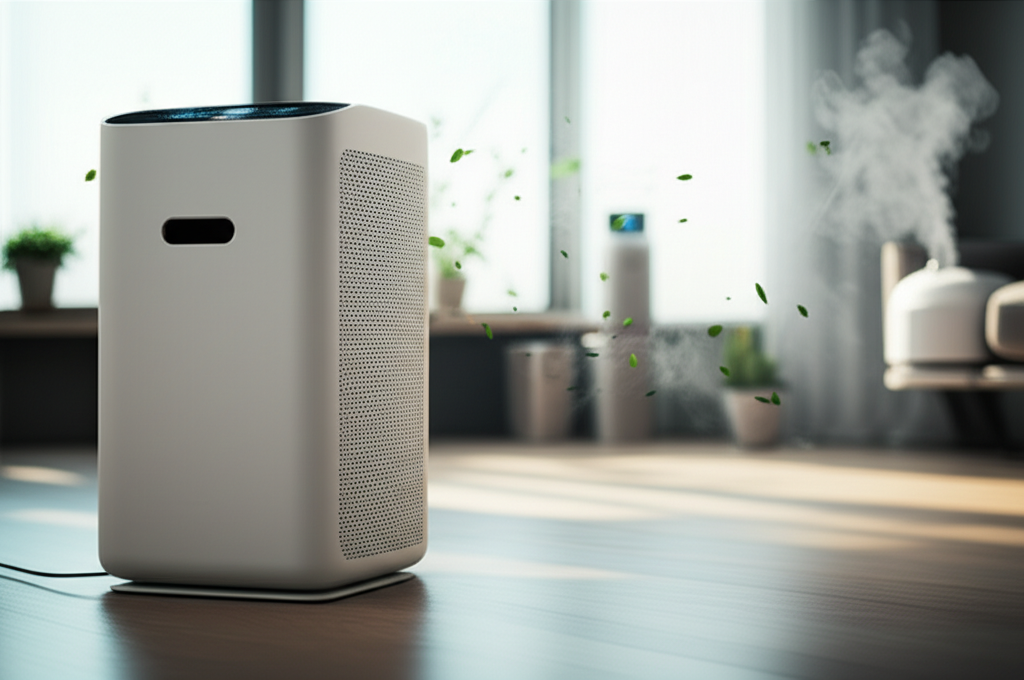
HEPA filters are crucial for trapping small, irritating particles. They are densely woven to create a physical barrier that catches dust, pollen, mold spores, and pet dander. For anyone suffering from allergies that lead to congestion, a purifier equipped with a true HEPA filter is essential for effective relief.
Activated Carbon Filters: Tackling Odors and VOCs
While HEPA filters capture particles, activated carbon filters address gases and odors. These filters are porous and adsorb volatile organic compounds (VOCs), smoke, and cooking smells, which can also irritate the respiratory system and contribute to congestion. A combination filter often provides the most comprehensive air cleaning.
Other Filtration Technologies
Beyond HEPA and carbon, some purifiers use technologies like ionizers or UV-C light. Ionizers release charged ions that cause particles to clump together and fall from the air, though they can sometimes produce ozone, which is an irritant. UV-C light aims to kill bacteria and viruses, but its effectiveness against all airborne pathogens is debated and often requires specific exposure times.
Do Air Purifiers Help With Congestion From Allergies?
Yes, air purifiers are highly effective at reducing congestion caused by allergies. By removing allergens like pollen, dust mites, and pet dander from the air you breathe, they minimize your exposure to these triggers. This can lead to a significant decrease in nasal inflammation, sneezing, and that frustrating feeling of being blocked up.
Air Purifiers and Congestion From Colds and Flu
While air purifiers cannot cure colds or the flu, they can help alleviate some associated symptoms. By filtering out airborne viruses and bacteria, they may reduce the spread of illness in a household. Furthermore, cleaner air can soothe irritated airways, potentially making symptoms like congestion feel less severe.
The Role of Air Purifiers in Managing Sinusitis
Sinusitis, or sinus inflammation, is often exacerbated by airborne irritants. Air purifiers help by removing the allergens and pollutants that can trigger or worsen sinus congestion. This reduction in inflammation can lead to improved sinus drainage and provide much-needed relief from sinus pressure and discomfort.
Factors to Consider When Choosing an Air Purifier for Congestion
When selecting an air purifier for congestion relief, several factors are crucial. Look for a unit with a true HEPA filter and an appropriate CADR (Clean Air Delivery Rate) for your room size. Consider noise levels, energy efficiency, and the cost of replacement filters. A unit designed for continuous operation in your bedroom can be particularly beneficial.
| Feature | Importance for Congestion Relief | Considerations |
| :—————- | :——————————- | :————————————————— |
| True HEPA Filter | Essential | Captures 99.97% of particles 0.3 microns and larger. |
| Activated Carbon | Highly Recommended | Removes odors, gases, and VOCs. |
| CADR | Important | Match to room size for effective air changes. |
| Room Coverage | Crucial | Ensure the purifier is rated for your space. |
| Filter Replacement| Ongoing Cost | Factor in the frequency and price of new filters. |
| Noise Level | Personal Preference | Especially important for bedroom use. |
| Ozone Production | Avoid | Some purifiers produce ozone, which can irritate. |
Setting Up and Maintaining Your Air Purifier for Maximum Benefit
Proper setup and regular maintenance are key to an air purifier’s effectiveness. Place the unit in the room where you spend the most time, ideally your bedroom, and ensure adequate airflow around it. Regularly clean or replace filters as recommended by the manufacturer to maintain optimal performance. Neglecting filter changes can reduce efficiency and even recirculate trapped pollutants.
Beyond Air Purifiers: Complementary Strategies for Congestion
While air purifiers are powerful tools, they work best as part of a holistic approach to managing congestion. Maintaining good indoor humidity levels, especially in dry climates, can prevent nasal passages from drying out and becoming more susceptible to irritation. Regular cleaning to reduce dust buildup and identifying and eliminating specific allergens in your home are also vital steps.
Frequently Asked Questions About Air Purifiers and Congestion
Can an air purifier help with a stuffy nose?
Yes, by removing airborne irritants like allergens and pollutants that cause inflammation, air purifiers can significantly reduce nasal stuffiness and congestion.
How quickly can I expect to see results from an air purifier for congestion?
Many users report noticeable improvements in congestion within a few days to a couple of weeks of consistent use, especially in the bedroom.
Are air purifiers safe for children and pets?
Generally, yes. However, it’s best to choose models that do not produce ozone, as this can be harmful. Always follow manufacturer guidelines.
How often should I run my air purifier?
For maximum benefit, especially if you suffer from allergies or congestion, running your air purifier continuously is recommended.
Do air purifiers help with mold-related congestion?
Yes, HEPA filters are excellent at capturing mold spores, a common cause of allergic reactions and congestion.
What is the difference between an air purifier and a humidifier for congestion?
An air purifier removes irritants from the air, while a humidifier adds moisture to the air, which can soothe dry nasal passages and ease congestion. They serve different but sometimes complementary purposes.
Do air purifiers help with congestion caused by smoke?
Yes, air purifiers with activated carbon filters are very effective at removing smoke particles and odors from the air, which can alleviate smoke-induced congestion.
Conclusion: Breathe Easier with Cleaner Air
In conclusion, the answer to “do air purifiers help with congestion” is a resounding yes. By diligently removing allergens, pollutants, and other irritants from your indoor environment, air purifiers offer a scientifically backed and highly effective method for achieving proven congestion relief. Investing in a quality air purifier, particularly one with a true HEPA filter, can transform your breathing experience, leading to more comfortable days and restful nights.