
Best Air Purifier With Carbon Filter: Essential For Clean Air

Discover the best air purifier with carbon filter to tackle odors, VOCs, and allergens, ensuring a healthier home environment. This guide breaks down what to look for and recommends top models for pristine indoor air quality.
Breathing in stale, odor-filled air can be incredibly frustrating, impacting your comfort and even your health. Common household smells from cooking, pets, or lingering chemicals can make your living space feel less than welcoming. Thankfully, a powerful solution exists: an air purifier equipped with a robust carbon filter. These devices are essential for neutralizing airborne irritants and leaving your air fresh and clean. Let’s explore how to find the best air purifier with carbon filter that perfectly suits your needs.
Why a Carbon Filter is Crucial for Clean Air
A carbon filter is the unsung hero in the fight for pristine indoor air quality. Unlike HEPA filters that capture particulate matter, activated carbon excels at adsording gases, odors, and volatile organic compounds (VOCs). This makes it an indispensable component for anyone seeking to eliminate persistent smells and chemical pollutants from their home environment.
The Science Behind Activated Carbon
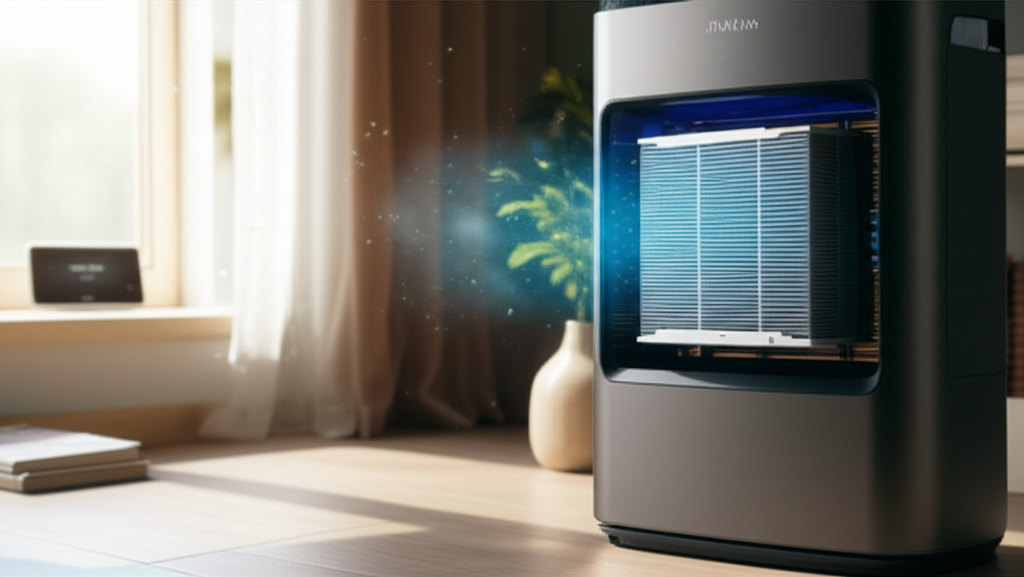
Activated carbon, also known as activated charcoal, is a highly porous material treated to increase its surface area. This vast network of tiny pores acts like a magnet, trapping gas molecules that pass through it. The adsorption process, where molecules adhere to the surface, is incredibly effective at removing a wide range of airborne contaminants beyond just dust and pollen.
Understanding the Types of Carbon Filters
Not all carbon filters are created equal, and understanding the different types can help you choose the most effective one. The amount and quality of carbon used significantly impact its performance and lifespan. Look for filters with a substantial amount of activated carbon for the best results.
Impregnated vs. Standard Carbon Filters
Standard activated carbon filters are excellent for general odor removal. Impregnated carbon filters, however, have added minerals or chemicals to target specific pollutants like formaldehyde or ammonia, offering a more specialized approach to air purification. These can be particularly beneficial for homes with unique air quality challenges.
Key Features to Look for in the Best Air Purifier with Carbon Filter
When selecting the best air purifier with carbon filter, several features deserve your attention. Beyond the carbon filter itself, consider the pre-filter, HEPA filter, coverage area, and noise levels. A well-rounded unit ensures comprehensive air cleaning and a pleasant user experience.
The Importance of a Pre-Filter and HEPA Filter
A washable pre-filter captures larger particles like hair and dust, extending the life of the more sensitive HEPA and carbon filters. A true HEPA filter then tackles microscopic allergens, dust mites, and pet dander, working in tandem with the carbon filter for complete air purification. This multi-stage filtration is key to achieving truly clean air.
Coverage Area and CADR Ratings
Ensure the air purifier is rated for the size of the room you intend to use it in. Clean Air Delivery Rate (CADR) ratings indicate how quickly the unit can clean the air; higher ratings mean faster purification. Matching the CADR to your room size is crucial for effective performance.
Top Picks: Best Air Purifier With Carbon Filter Recommendations
After extensive research, I’ve identified several standout models that offer exceptional performance with their carbon filtration systems. These units balance effectiveness, features, and value, making them excellent choices for a healthier home.
1. Coway Airmega 200M: A Powerful All-Rounder
The Coway Airmega 200M is a fantastic option for medium to large rooms. It features a multi-stage filtration system including a washable pre-filter, an activated carbon filter, and a true HEPA filter. Its smart sensor technology automatically adjusts fan speed based on air quality, ensuring efficient operation.
| Feature | Coway Airmega 200M |
|—————-|—————————————————|
| Filter Type | Pre-filter, Activated Carbon, True HEPA |
| Coverage Area | Up to 1,574 sq ft (based on 2 air changes/hour) |
| CADR | Not explicitly stated, but effective for room size |
| Noise Level | 22-53 dB |
| Smart Features | Air quality sensor, Eco mode |
This model consistently receives high marks for its robust build and ability to tackle odors and allergens effectively. Its intuitive design makes it easy to use and maintain, a significant plus for everyday living.
2. Levoit Core 300S: Compact Powerhouse for Smaller Spaces
For bedrooms, dorm rooms, or smaller living areas, the Levoit Core 300S is an excellent choice. It boasts a 3-stage filtration system: a fine preliminary filter, a True HEPA filter, and an activated carbon filter. The compact design and quiet operation make it unobtrusive.
| Feature | Levoit Core 300S |
|—————-|—————————————————|
| Filter Type | Preliminary, True HEPA, Activated Carbon |
| Coverage Area | Up to 219 sq ft (with 5 air changes/hour) |
| CADR | 141 CFM (Clean Air Delivery Rate) |
| Noise Level | 22-47 dB |
| Smart Features | App control, voice assistant compatibility |
The Levoit Core 300S is praised for its effective odor removal and its ability to significantly improve air quality in smaller spaces without breaking the bank. Its smart features add a layer of convenience for tech-savvy users.
3. Blueair Blue Pure 211+ Auto: Superior for Large Areas
If you have a larger living space or open-plan home, the Blueair Blue Pure 211+ Auto is a top contender. It uses a unique combination of electrostatic and mechanical filtration (HEPASilent™ technology) alongside a large activated carbon filter. The “Auto” version includes air quality sensors for automatic adjustments.
| Feature | Blueair Blue Pure 211+ Auto |
|—————-|—————————————————|
| Filter Type | Combination filter (HEPASilent™ + Carbon) |
| Coverage Area | Up to 540 sq ft (with 5 air changes/hour) |
| CADR | 350 CFM |
| Noise Level | 31-56 dB |
| Smart Features | Air quality sensor, Auto mode |
This unit is known for its high performance in large rooms and its ability to quietly and efficiently clean the air, making it ideal for open-concept living. The washable fabric pre-filter is also a practical touch.
How Carbon Filters Tackle Common Household Odors
Those persistent kitchen smells after cooking, the lingering scent of pet dander, or even the faint aroma of cleaning products are no match for a good carbon filter. The porous nature of activated carbon traps odor-causing molecules, effectively neutralizing them rather than just masking them. This leads to a noticeably fresher living environment.
Eliminating VOCs and Chemical Smells
Volatile Organic Compounds (VOCs) are emitted from common household items like paints, furniture, and air fresheners. These can have adverse health effects and contribute to that “new house” smell. The best air purifiers with carbon filters are highly effective at adsorbing these harmful chemicals, improving indoor air quality significantly.
Maintenance and Filter Replacement: Keeping Your Purifier Effective
To ensure your air purifier continues to perform optimally, regular maintenance is essential. This primarily involves cleaning or replacing the filters as recommended by the manufacturer. A clogged filter will reduce airflow and the unit’s effectiveness.
Understanding Filter Lifespans
Activated carbon filters typically need replacement every 6 to 12 months, depending on usage and the level of pollutants in your air. Some purifiers have indicator lights that alert you when it’s time for a change. Always refer to your specific model’s manual for precise recommendations.
Are Air Purifiers With Carbon Filters Worth the Investment?
Investing in the best air purifier with carbon filter is an investment in your health and well-being. The ability to breathe cleaner, fresher air, free from common odors and potentially harmful VOCs, offers significant benefits for allergy sufferers, pet owners, and anyone concerned about indoor air quality.
Long-Term Health Benefits
By reducing exposure to airborne irritants and pollutants, air purifiers can help alleviate symptoms of allergies, asthma, and other respiratory issues. Improved air quality can also lead to better sleep and overall increased comfort in your home environment.
Choosing the Right Air Purifier for Your Specific Needs
Consider the size of your room, the specific air quality concerns you have (e.g., pets, strong odors, smoke), and your budget when making your selection. A unit with a substantial carbon filter and appropriate CADR rating for your space will provide the best results.
Factors Beyond the Filter
Don’t forget to evaluate noise levels, energy consumption, and any additional smart features that might enhance your user experience. Some models offer app control, air quality monitoring, and automatic modes for added convenience.
Frequently Asked Questions About Air Purifiers with Carbon Filters
Q1: How often should I replace the carbon filter in my air purifier?
A: Generally, carbon filters should be replaced every 6 to 12 months, but this can vary based on the model and the air quality in your home. Check your air purifier’s manual for specific recommendations.
Q2: Can a carbon filter remove smoke smell?
A: Yes, activated carbon is highly effective at adsorbing smoke particles and odors, making air purifiers with substantial carbon filters excellent for homes where smoking occurs or after events like wildfires.
Q3: Do I need a HEPA filter if I have a carbon filter?
A: For comprehensive air purification, yes. A HEPA filter captures fine particulate matter like allergens and dust, while the carbon filter targets gases and odors. Using both provides the best overall air quality improvement.
Q4: How can I tell if my carbon filter needs replacing?
A: Signs include a return of odors that the purifier previously removed, reduced airflow from the unit, or a specific indicator light on the air purifier itself.
Q5: Are there any downsides to using an air purifier with a carbon filter?
A: The main downside is the ongoing cost of replacement filters and the fact that carbon filters have a finite lifespan and eventually become saturated, requiring replacement.
Q6: Can carbon filters remove mold spores?
A: Carbon filters primarily target gases and odors. While they may trap some larger spores, a HEPA filter is more effective at capturing mold spores and other microscopic allergens.
Conclusion: Breathe Easier with the Best Air Purifier With Carbon Filter
Finding the best air purifier with carbon filter is a crucial step toward achieving a healthier and more pleasant home environment. By effectively neutralizing odors, VOCs, and other airborne pollutants, these devices offer tangible benefits for respiratory health and overall comfort. Whether you’re dealing with pet smells, cooking odors, or concerns about chemical emissions, a quality air purifier with a robust carbon filter is an indispensable tool. Prioritize models with multi-stage filtration, adequate coverage for your space, and features that align with your lifestyle. Investing in a top-tier air purifier with a carbon filter means investing in the quality of the air you breathe every day.