
Do Air Purifiers Cause Fires? Essential Safety Guide

While rare, air purifiers can cause fires if not properly maintained or if they are faulty. This guide provides essential safety tips to ensure your air purifier operates without posing a fire risk, covering maintenance, placement, and selection of safe devices.
Do Air Purifiers Cause Fires? Your Essential Safety Guide
It’s a question that might cross your mind when you first set up a new appliance in your home: “Do air purifiers cause fires?” It’s natural to be concerned about the safety of your family and property, especially with electrical devices running continuously. While the thought of an air purifier igniting is unsettling, it’s important to understand that this is a rare occurrence. With proper care and informed choices, you can significantly minimize any potential risk. This guide will walk you through everything you need to know to ensure your air purifier operates safely and effectively. We’ll cover common causes of air purifier fires, how to prevent them, and what to look for in a safe device.
Understanding the Risks: How Can an Air Purifier Start a Fire?
Air purifiers, like any electrical appliance, carry a minimal risk of malfunction that could lead to a fire. This typically stems from issues with the electrical components, overheating due to dust buildup, or damage to the power cord. Understanding these specific vulnerabilities is the first step in preventing them. By being aware of what can go wrong, we can take proactive measures to ensure our devices remain safe.
Electrical Malfunctions and Component Failure
The most common cause of electrical fires in appliances is a malfunction within the device itself. This can include faulty wiring, a damaged motor, or a failing power supply unit. These issues can cause components to overheat, leading to a fire. Regular checks and choosing reputable brands can mitigate this risk.
Overheating Due to Dust Accumulation
Air purifiers work by drawing air through filters, and over time, dust and debris accumulate within the unit. If these filters are not cleaned or replaced regularly, they can obstruct airflow. This obstruction forces the motor to work harder, leading to overheating. Overheated components can then ignite surrounding materials.
Damaged Power Cords and Plugs
A frayed or damaged power cord is a serious fire hazard. If the insulation is compromised, exposed wires can short-circuit, generating heat and sparks. Similarly, a damaged plug can create a poor connection, leading to overheating at the outlet. Always inspect the cord and plug for any signs of wear or damage.
Choosing a Safe Air Purifier: What to Look For
Selecting a high-quality air purifier from a reputable manufacturer is paramount to ensuring safety. Look for certifications and features that indicate a commitment to safety standards. This proactive step can prevent many potential issues down the line and give you peace of mind.
Look for Safety Certifications
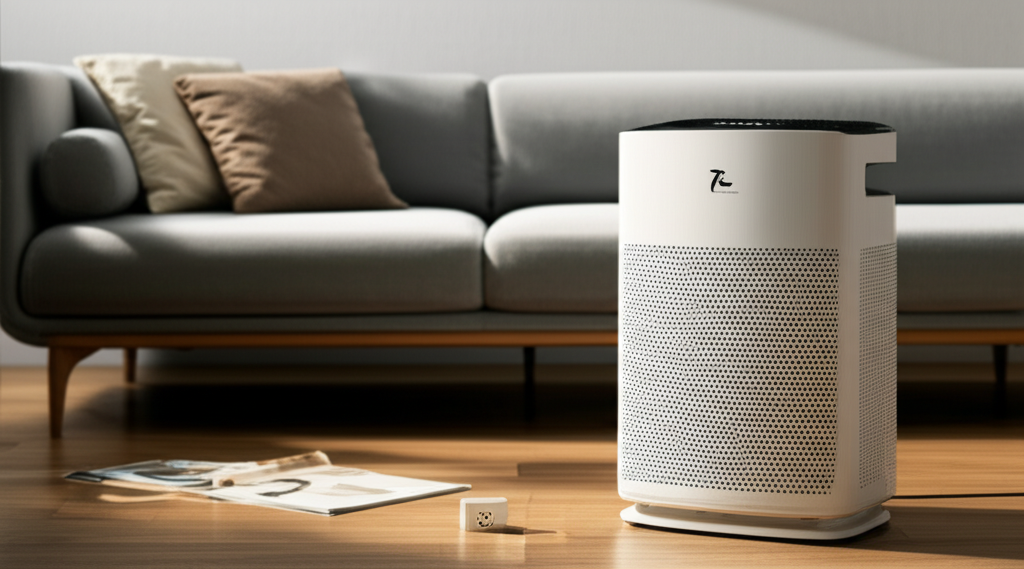
Reputable air purifiers will often carry safety certifications from independent organizations. These certifications, such as UL (Underwriters Laboratories) or ETL (Intertek), mean the product has undergone rigorous testing to ensure it meets established safety standards. Always check for these marks on the product packaging and the unit itself.
Opt for Reputable Brands and Models
Established brands with a long history of producing reliable appliances are generally a safer bet. They often invest more in quality control and safety features. Researching reviews and avoiding generic or unknown brands can significantly reduce the risk of purchasing a faulty unit.
Features That Enhance Safety
Some air purifiers come with built-in safety features designed to prevent fires. These can include automatic shut-off timers, overheat protection mechanisms, and flame-retardant casing materials. Consider models that incorporate these advanced safety elements for added protection.
Proper Placement: Where to Put Your Air Purifier
The location of your air purifier plays a crucial role in its safe operation. Placing it correctly ensures adequate airflow and prevents it from coming into contact with flammable materials. Following simple placement guidelines can significantly reduce the risk of fire.
Maintain Adequate Clearance
Always ensure your air purifier has sufficient space around it for proper ventilation. Avoid placing it too close to walls, curtains, furniture, or other combustible materials. A general rule of thumb is to maintain at least a foot of clearance on all sides, including the intake and exhaust vents.
Avoid Flammable Surfaces and Areas
Never place an air purifier on soft surfaces like beds, sofas, or carpets where airflow can be restricted and heat can build up. It’s also wise to avoid placing them near heat sources like radiators or in damp environments like bathrooms. Stable, flat surfaces are best.
Keep Away from Children and Pets
While not directly a fire risk, keeping the unit out of reach of children and pets can prevent accidental damage to the cord or unit, which could indirectly lead to a safety hazard. Ensure cords are not dangling where they can be chewed or pulled.
Essential Maintenance for Fire Prevention
Regular maintenance is key to ensuring your air purifier operates safely and efficiently. Neglecting this can lead to the very issues that can cause a fire. Dedicate a little time to these simple tasks to keep your device in top condition.
Regular Filter Cleaning and Replacement
This is arguably the most critical maintenance task. Clogged filters restrict airflow and cause the motor to overheat. Follow the manufacturer’s recommendations for cleaning washable filters and replacing disposable ones. This ensures optimal performance and prevents hazardous overheating.
Keep the Unit Clean and Dust-Free
Beyond the filters, the internal components and exterior of the air purifier can accumulate dust. Dust acts as an insulator, trapping heat. Periodically unplug the unit and gently wipe down the exterior and gently vacuum the intake vents to remove dust buildup.
Inspect the Power Cord and Plug Regularly
Make it a habit to visually inspect the power cord and plug for any signs of damage, such as cuts, fraying, or bent prongs. If you notice any issues, stop using the air purifier immediately and contact the manufacturer or a qualified technician for repair or replacement.
Using Your Air Purifier Safely: Best Practices
Beyond placement and maintenance, a few user best practices can further enhance the safety of your air purifier. These are simple habits that contribute to overall appliance safety.
Always Use the Original Power Cord
Never use a power cord other than the one supplied by the manufacturer. Generic or incompatible cords may not be designed to handle the specific electrical load of your air purifier, leading to overheating or electrical shorts.
Avoid Overloading Electrical Outlets
Do not plug your air purifier into an outlet that is already powering multiple other high-draw appliances. Overloading an outlet can cause it to overheat, posing a fire risk. If necessary, use a dedicated outlet for your air purifier.
Unplug When Not in Use for Extended Periods
While air purifiers are designed for continuous operation, it’s a good safety practice to unplug them if you’re going away for an extended period, such as on vacation. This eliminates any potential electrical risk while you’re away.
When to Replace Your Air Purifier
Even with diligent maintenance, all appliances have a lifespan. If your air purifier is old, shows signs of wear, or begins to malfunction, it might be time for a replacement. Continuing to use a potentially faulty older unit can increase safety risks.
Signs of Aging or Malfunction
Listen for unusual noises, smell any strange odors (like burning plastic), or notice that the unit is overheating more than usual. If the fan speed seems inconsistent or the controls are unresponsive, these can all be signs that the unit is nearing the end of its life and may pose a safety concern.
The Cost of Replacement vs. Risk
Consider the cost of a new, modern, and safe air purifier against the potential cost and devastation of a house fire. Investing in a new unit is often a small price to pay for peace of mind and the safety of your home and loved ones.
Common Air Purifier Fire Incidents: What We Can Learn
While specific incidents are thankfully rare and often not widely publicized, the underlying causes are usually consistent. Analyzing these patterns helps reinforce the importance of maintenance and correct usage. Most fires are preventable with simple precautions.
Case Study Insights (Hypothetical)
Imagine a scenario where a fire was traced back to an air purifier. Often, investigations reveal that the unit hadn’t been cleaned in months, leading to severe dust buildup and motor overheating. In other instances, a damaged power cord, overlooked by the owner, was the culprit. These hypothetical cases highlight the direct link between neglect and potential danger.
Lessons in Prevention
The key takeaway from any potential incident is the undeniable importance of adhering to manufacturer guidelines for cleaning, maintenance, and usage. Proactive care is the most effective fire prevention strategy for any electrical appliance, including your air purifier.
Air Purifier Fire Safety Checklist
To make it easy to remember, here’s a quick checklist to ensure your air purifier is safe:
| Item | Action | Frequency |
| :———————- | :——————————————————————– | :————- |
| Filters | Clean washable filters or replace disposable filters. | As per manual |
| Exterior & Vents | Wipe down the unit and clear vents of dust. | Monthly |
| Power Cord & Plug | Inspect for damage (fraying, cuts, bent prongs). | Monthly |
| Placement | Ensure adequate clearance (≥1 ft) from walls/combustibles. | Always |
| Outlet Usage | Avoid overloading electrical outlets. | Always |
| Unusual Activity | Listen for strange noises, check for unusual heat or odors. | Daily/Weekly |
| Certifications | Verify UL/ETL or similar safety marks before purchase. | At purchase |
| Manufacturer Manual | Read and follow all safety and maintenance instructions. | At purchase |
Frequently Asked Questions About Air Purifier Fire Safety
Here are answers to some common questions that homeowners have regarding the safety of their air purifiers.
Q1: Are all air purifiers dangerous?
No, not all air purifiers are dangerous. When manufactured by reputable companies and used and maintained correctly, air purifiers are very safe appliances. The risk of fire is minimal.
Q2: How often should I clean my air purifier’s filters?
The frequency depends on the type of filter and your home environment. Generally, washable pre-filters should be cleaned monthly, while HEPA and carbon filters need replacement every 6-12 months. Always consult your user manual for specific recommendations.
Q3: Can I leave my air purifier on all night?
Yes, most modern air purifiers are designed for continuous operation and are safe to leave on all night, provided they are in good working order and properly placed. Many have quiet modes for nighttime use.
Q4: What should I do if my air purifier smells like it’s burning?
If you detect a burning smell, unplug the air purifier immediately. Do not attempt to use it again. Contact the manufacturer for support or consider replacing the unit, as this indicates a potential electrical fault.
Q5: Is it safe to use an air purifier with a smart plug?
Using a smart plug from a reputable brand is generally safe, as long as the smart plug is rated to handle the wattage of your air purifier. However, always ensure the air purifier itself is functioning correctly and not overheating.
Q6: Do cheaper air purifiers pose a greater fire risk?
While not always the case, cheaper or uncertified air purifiers may be manufactured with lower-quality components or lack essential safety features, potentially increasing the fire risk compared to higher-end, certified models.
Conclusion: Ensuring Peace of Mind with Your Air Purifier
So, do air purifiers cause fires? While the risk is low, it is not zero. By understanding the potential causes—primarily electrical malfunctions and overheating due to poor maintenance—and implementing the safety measures outlined in this guide, you can significantly mitigate any danger. Choosing certified products, placing them correctly, performing regular maintenance, and replacing aging units are your best defenses. Following these essential safety tips will allow you to enjoy the benefits of cleaner air with the confidence that your air purifier is operating safely in your home.
