
Do Air Purifiers Cause Dry Eyes? Essential Facts

While air purifiers generally improve air quality, some factors can indirectly contribute to dry eyes. Understanding these connections and implementing simple strategies can ensure you enjoy cleaner air without discomfort.
Air purifiers are fantastic tools for improving the air we breathe at home, especially for those with allergies or respiratory issues. However, a common concern that pops up is whether these devices can actually cause dry eyes. It’s a frustrating feeling when something meant to help might be causing discomfort. Don’t worry; I’m here to break down the science and offer practical solutions so you can breathe easy and see clearly. Let’s explore the essential facts about do air purifiers cause dry eyes.
Do Air Purifiers Directly Cause Dry Eyes?
Most modern air purifiers do not directly cause dry eyes. Their primary function is to remove airborne particles like dust, pollen, and pet dander, which generally reduces eye irritants. However, indirect factors related to their operation can sometimes mimic or exacerbate dry eye symptoms.
Understanding the Indirect Links
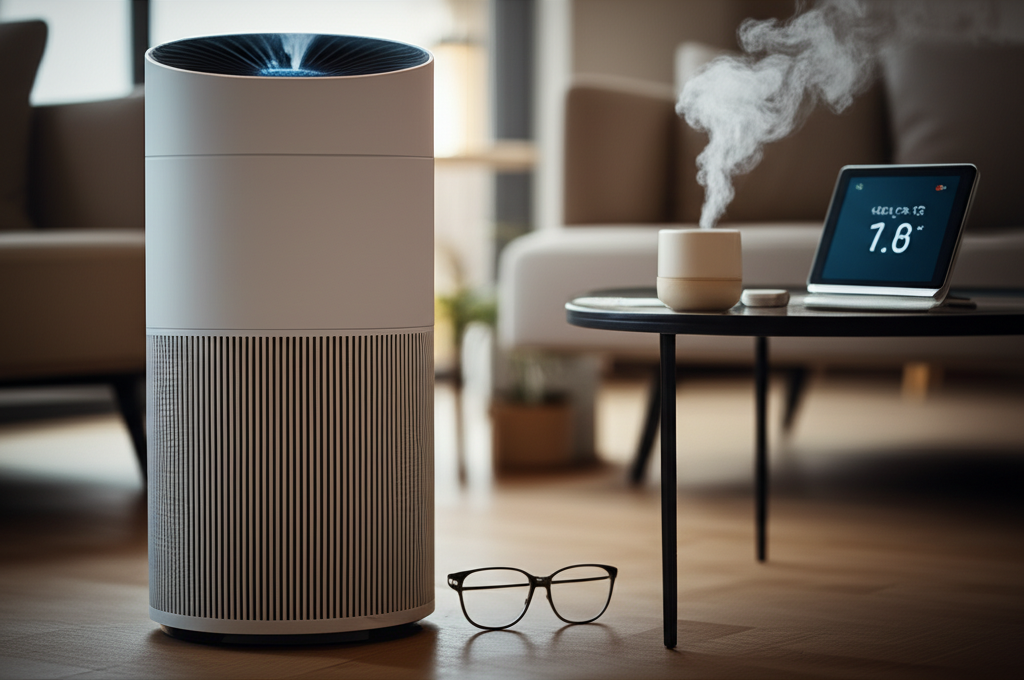
The air purification process itself is designed to clean, not dry. Issues arise from how the purified air interacts with your environment and your body. These indirect effects are often manageable with a few adjustments.
Airflow and Evaporation
One common indirect link is the constant airflow from an air purifier. When air moves consistently over your eyes, it can increase tear evaporation. This is similar to sitting near a fan or experiencing a strong breeze, which can make anyone’s eyes feel drier.
Humidity Levels in Your Room
Air purifiers, particularly those with certain filtration systems, can sometimes lower the humidity in a room. Low humidity is a well-known contributor to dry eye syndrome. If your air purifier is running in an already dry environment, it might worsen the situation.
Ionizers and Ozone Production
Some air purifiers use ionizers, which release negative ions into the air to help particles clump together and fall. While generally safe, some ionizers can produce trace amounts of ozone as a byproduct. Ozone can be an irritant to the eyes and respiratory system, potentially leading to discomfort and dryness.
Filter Maintenance and Air Quality
A poorly maintained air purifier can become a source of irritation. Dirty filters can recirculate dust and allergens, or even develop mold if they become damp. This can then irritate your eyes, making them feel dry and uncomfortable.
How Air Purifiers Should Help Your Eyes
It’s crucial to remember that when used correctly, air purifiers are beneficial for eye health. By removing allergens and pollutants, they reduce common triggers for eye irritation and inflammation. This means fewer itchy, watery, or dry eyes for many people.
Reducing Airborne Allergens
Allergens like pollen, dust mites, and pet dander are significant contributors to dry and irritated eyes. Air purifiers effectively capture these particles, preventing them from landing on your ocular surface and causing discomfort. This is a major benefit for allergy sufferers.
Eliminating Irritants and Pollutants
Beyond allergens, air purifiers can remove smoke, volatile organic compounds (VOCs), and other airborne irritants. These pollutants can sting and dry out your eyes, so their removal leads to a more comfortable environment. Cleaner air means less direct irritation to your eyes.
Signs Your Air Purifier Might Be Affecting Your Eyes
If you’ve recently started using an air purifier and notice increased eye dryness, it’s worth investigating. Pay attention to when the dryness occurs and if it correlates with the air purifier’s operation. These signs can point to an indirect issue.
Symptoms to Watch For
Common symptoms include a gritty or sandy feeling in your eyes, redness, burning, or excessive watering. You might also experience blurred vision that clears with blinking, or find your eyes feel tired more easily. These can be indicators that something is off.
When to Consider a Change
If your dry eye symptoms persist or worsen despite trying other remedies, and you use an air purifier, it’s time to evaluate your setup. Consider if the purifier is placed too close, if its settings are appropriate, or if it might be an older model with potential ozone issues.
Optimizing Your Air Purifier for Eye Comfort
The good news is that you can often resolve dry eye issues related to air purifiers with simple adjustments. The goal is to harness the benefits of clean air without compromising your eye comfort. Here’s how to optimize your device.
Strategic Placement of Your Air Purifier
Where you place your air purifier significantly impacts its effect on your eyes. Avoid direct airflow towards your seating or sleeping areas. This simple step can prevent excessive tear evaporation.
Ideal Placement: Place purifiers in corners or against walls to allow for optimal circulation without direct drafts.
Avoid Direct Exposure: Never position an air purifier directly facing your bed, desk, or favorite chair.
Consider Room Size: Ensure the purifier is appropriately sized for the room to work efficiently without needing to be set to high, direct fan speeds.
Adjusting Fan Speed Settings
Many air purifiers have multiple fan speed settings. Running your purifier on a lower setting can reduce the direct airflow, thereby minimizing tear evaporation from your eyes. A gentle breeze is less likely to cause dryness than a strong gust.
Lower is Often Better: Start with the lowest effective fan speed for your room.
Night Mode: Utilize “night” or “sleep” modes, which are typically quieter and have lower fan speeds.
Intermittent Use: Consider running the purifier on higher settings for a few hours and then switching to a lower setting or turning it off if you’re experiencing dryness.
Maintaining Optimal Humidity Levels
Humidity plays a critical role in preventing dry eyes. If your air purifier is contributing to a dry environment, supplementing with a humidifier can help. Maintaining a humidity level between 40% and 60% is ideal for eye comfort.
Use a Hygrometer: A small device called a hygrometer can measure your room’s humidity.
Humidifier Integration: Consider using a humidifier alongside your air purifier, especially during dry seasons or in arid climates.
Monitor and Adjust: Regularly check humidity levels and adjust your humidifier settings as needed to maintain comfort.
Choosing the Right Type of Air Purifier
Not all air purifiers are created equal. Some technologies are more prone to causing issues than others. Opting for a purifier with advanced filtration and avoiding certain features can make a big difference.
HEPA Filters: The Gold Standard
High-Efficiency Particulate Air (HEPA) filters are excellent for capturing tiny particles without producing ozone. They are widely recommended for allergy and asthma sufferers and are generally safe for eye comfort. Look for True HEPA filters for the best results.
Effectiveness: Captures 99.97% of particles 0.3 microns in size.
Safety: Does not produce ozone.
Recommendation: A top choice for general air purification and eye health.
Avoiding Ionizers and Ozone Generators
While some ionizers are designed to produce minimal ozone, it’s often best to avoid them if you are sensitive or concerned about dry eyes. Ozone can be a direct irritant. If your purifier has an ionizer, check if it can be turned off.
Ozone Risk: Some ionizers produce ozone, which can irritate eyes.
Alternative Technologies: Consider purifiers with activated carbon filters for odor removal and HEPA filters for particle capture.
Feature Check: Always check product specifications for ozone output or the ability to disable ionizer functions.
Regular Filter Replacement and Cleaning
This is non-negotiable for both air purification effectiveness and preventing eye irritation. Clogged or dirty filters can become breeding grounds for mold and bacteria, releasing them back into the air. This can significantly worsen eye symptoms.
Follow Manufacturer Guidelines: Adhere strictly to the recommended filter replacement schedule.
Clean Pre-filters: Washable pre-filters should be cleaned regularly to extend the life of the main filters.
Inspect for Mold: If you notice any musty odors, inspect your filters for signs of mold or mildew.
Understanding Air Purifier Technologies and Eye Impact
Different air purification technologies work in distinct ways, and some have a greater potential to affect your eyes than others. Understanding these differences empowers you to make informed choices.
How HEPA Filters Work for Your Eyes
HEPA filters trap particles in a dense mesh. This process physically removes allergens and irritants that could otherwise land in your eyes and cause dryness or inflammation. They are a passive technology, meaning they don’t actively emit anything into the air.
The Role of Activated Carbon Filters
Activated carbon filters are excellent at adsorbing gases, odors, and VOCs. While they don’t directly impact eye dryness, removing irritant gases from the air can indirectly contribute to ocular comfort by reducing overall air pollution exposure. They work hand-in-hand with HEPA filters.
Potential Issues with UV-C Light and Ionizers
Some purifiers use UV-C light to kill germs or ionizers to charge particles. While these can be effective, it’s essential to ensure they operate safely. Poorly designed UV systems can potentially emit harmful light, and as mentioned, ionizers can produce ozone.
| Technology | Primary Function | Potential Eye Impact | Recommendation for Dry Eyes |
| :————— | :——————————————— | :—————————————————- | :—————————————————————- |
| HEPA Filter | Traps particulate matter (dust, pollen, etc.) | Positive: Removes irritants. | Highly Recommended. |
| Activated Carbon | Adsorbs gases, odors, and VOCs | Positive: Removes irritant gases. | Recommended, especially for homes with odors or VOCs. |
| Ionizer | Charges particles to make them clump/fall | Potential Negative: Can produce ozone (irritant). | Use with Caution: Ensure ozone-free or disable function. |
| UV-C Light | Kills bacteria and viruses | Potential Negative: If not properly shielded. | Use with Caution: Ensure it’s enclosed and safe. |
| Ozone Generator | Intentionally produces ozone for cleaning | Negative: Ozone is an eye and lung irritant. | Avoid: Not recommended for occupied spaces due to ozone. |
What About Humidifying Air Purifiers?
Some devices combine air purification with humidification. These can be an excellent solution for dry eye sufferers, as they address both particle removal and moisture levels in the air. However, ensure the device is well-maintained to prevent mold growth in the humidifier component.
Dual Action: Offers both clean air and added moisture.
Maintenance is Key: Regular cleaning of the humidifier reservoir is crucial.
Consideration: A good option if you experience both allergies and dry eyes.
Natural Remedies and Lifestyle Tips for Dry Eyes
Beyond optimizing your air purifier, several natural remedies and lifestyle changes can significantly alleviate dry eye symptoms. These practices support overall eye health and can work in conjunction with your air purifier.
The Importance of Hydration and Diet
Staying hydrated is fundamental for producing healthy tears. Drinking plenty of water throughout the day ensures your body has the resources to lubricate your eyes. Certain nutrients also play a vital role in eye health.
Water Intake: Aim for at least 8 glasses of water daily.
Omega-3 Fatty Acids: Found in fish, flaxseeds, and walnuts, these can help reduce inflammation and improve tear quality.
Vitamins A, C, and E: These antioxidants support overall eye health.
Blinking Exercises and Eye Breaks
Consciously blinking more often is a simple yet effective way to spread tears across your eyes. Taking regular breaks from screens also reduces eye strain and dryness. Remember to give your eyes a rest.
The 20-20-20 Rule: Every 20 minutes, look at something 20 feet away for at least 20 seconds.
Full Blinks: Practice consciously closing your eyelids completely when you blink.
Screen Time Management: Reduce prolonged exposure to digital devices when possible.
Artificial Tears and Eye Gels
Over-the-counter artificial tears are a go-to solution for immediate relief from dry eye discomfort. They supplement your natural tears and provide lubrication. Eye gels offer longer-lasting relief, especially for nighttime dryness.
Preservative-Free Options: Recommended for frequent use to avoid potential irritation from preservatives.
Application: Use as directed by the product or your eye doctor.
Consistency: Regular use can provide ongoing comfort.
Warm Compresses and Eyelid Hygiene
Applying a warm compress to your closed eyelids can help improve oil gland function, which is essential for tear stability. Gentle eyelid cleaning also removes debris and can prevent blockages. These practices support a healthy tear film.
Warm Compress: Use a clean cloth soaked in warm water, or a specialized eye mask. Apply for 5-10 minutes.
Eyelid Wipes: Use commercially available eyelid wipes or a diluted baby shampoo solution.
Gentle Massage: After a warm compress, a gentle massage of the eyelids can help express oil glands.
When to Consult a Professional
While many dry eye issues related to air purifiers can be managed at home, persistent or severe symptoms warrant professional attention. An eye doctor can diagnose the underlying cause and recommend the best course of treatment. Don’t hesitate to seek expert advice.
Recognizing When to See an Eye Doctor
If your dry eye symptoms are severe, don’t improve with home care, or are accompanied by pain, vision changes, or discharge, it’s time to consult an ophthalmologist or optometrist. They can rule out other conditions and offer advanced treatment options.
Persistent Symptoms: Dryness that doesn’t resolve after a few weeks of self-care.
Vision Changes: Blurry vision that doesn’t clear with blinking.
Pain or Discomfort: Significant eye pain or sensitivity to light.
Diagnosis and Treatment Options
An eye care professional can perform tests to assess your tear production and quality. Treatment may include prescription eye drops, punctal plugs (to block tear drainage), or specialized therapies. They can also advise on environmental factors, including air quality.
Tear Film Assessment: Doctors evaluate the stability and composition of your tears.
Prescription Medications: Anti-inflammatory drops or other specialized treatments.
* Punctal Plugs: Tiny devices inserted into tear ducts to retain moisture.
Frequently Asked Questions About Air Purifiers and Dry Eyes
Here are answers to some common questions people have when wondering if their air purifiers cause dry eyes.
Q1: Can an air purifier make my dry eyes worse?
A1: Yes, indirectly. A constantly running air purifier can increase airflow, leading to faster tear evaporation. Also, some purifiers might lower humidity levels or produce trace ozone, both of which can exacerbate dry eye symptoms.
Q2: Should I turn off my air purifier if I have dry eyes?
A2: Not necessarily. Instead of turning it off completely, try optimizing its use. Adjust the placement, lower the fan speed, ensure proper humidity, and maintain the filters. These steps often resolve the issue without sacrificing air quality.
Q3: What type of air purifier is best for dry eyes?
A3: Air purifiers with True HEPA filters and activated carbon filters are generally best. They effectively clean the air without producing ozone or significantly altering humidity. Avoid ozone-generating models or ionizers if you’re sensitive.
Q4: How can I tell if my air purifier is causing my dry eyes?
A4: Pay attention to when your symptoms occur. If dry eyes consistently appear or worsen when the air purifier is on and decrease when it’s off or you’re in another room, it’s a strong indicator. Also, consider if the purifier is blowing directly on you.
Q5: Do air purifiers with humidifiers help dry eyes?
A5: Yes, combined units that purify air and add humidity can be very beneficial for dry eyes. They help maintain a comfortable moisture level in the air while removing irritants. Just be sure to clean the humidifier component regularly.
Q6: Is ozone from air purifiers bad for my eyes?
A6: Yes, ozone is an irritant. Even low levels produced by some ionizers can cause eye dryness, burning, and discomfort. It’s best to choose purifiers that are certified ozone-free or allow you to disable the ionizer function.
Conclusion: Breathe Easy and See Clearly
Ultimately, the question of do air purifiers cause dry eyes is complex, but the answer leans towards a qualified “no” when used correctly. While air purifiers are designed to improve your health by cleaning the air, certain operational factors can indirectly lead to dry eye symptoms. These include increased airflow over the eyes, potential reduction in room humidity, and the occasional emission of ozone from specific technologies like ionizers.
However, by understanding these mechanisms and implementing simple, strategic adjustments—such as careful placement, using lower fan speeds, maintaining adequate humidity, and choosing ozone-free technologies like True HEPA filters—you can effectively mitigate these risks. Regular maintenance of your air purifier is also paramount. Combined with good hydration, eye breaks, and professional advice when needed, you can enjoy the benefits of cleaner air without the discomfort of dry eyes. Your journey to comfortable breathing and clear vision is achievable with informed choices and a few mindful adjustments.
