Do Air Purifier Make Air Dry: Essential Guide

Do Air Purifiers Make Air Dry? Your Essential Guide to Understanding Humidity
Air purifiers are designed to clean your air, not to dehumidify it. While some models might have a slight, indirect effect on humidity, the primary cause of dry air is usually environmental or related to HVAC systems. This guide will explain why your air might feel dry and how to manage it effectively.
Breathing clean air is a priority for many of us, and air purifiers are a popular choice for achieving that goal. However, a common concern that arises is whether these devices contribute to dry air. You might have noticed a change in your home’s humidity after setting up a new air purifier, leading you to wonder, “Do air purifiers make air dry?” It’s a valid question, especially if you already struggle with dry skin, a sore throat, or static electricity. Rest assured, understanding the relationship between air purification and humidity is simpler than you might think. This guide will demystify the process, explain the real culprits behind dry air, and offer practical solutions to maintain optimal humidity levels in your home.
The Science Behind Air Purifiers and Humidity
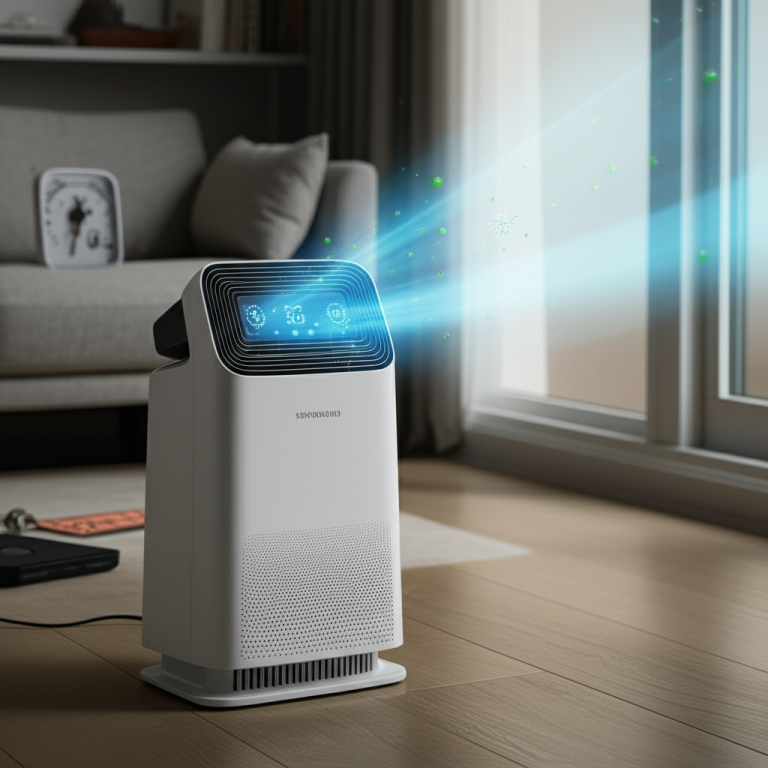
Air purifiers primarily work by drawing in air, passing it through a series of filters (like HEPA and activated carbon), and then releasing cleaner air back into the room. The filtration process itself does not inherently remove moisture from the air. Think of it like a sieve; it catches particles but doesn’t absorb water.
Therefore, the direct answer to “do air purifiers make air dry?” is generally no. Their core function is particle removal, not moisture control.
Why You Might Think Your Air Purifier is Drying the Air
Several factors can lead to the perception that your air purifier is making the air dry. Often, these are coincidental or indirect effects.
It’s possible that the air purifier is simply circulating the existing air more effectively, making you more aware of the ambient humidity levels. If the air was already dry, you’ll notice it more.
Understanding True Dehumidification
Dehumidifiers are specifically designed to remove moisture from the air. They work by cooling coils, which condense water vapor into liquid, which is then collected in a tank or drained away. This process is fundamentally different from how air purifiers operate.
Air purifiers focus on microscopic particles like dust, pollen, and smoke, not water molecules.
Common Causes of Dry Indoor Air
If your air feels dry, it’s more likely due to external factors or your home’s heating and cooling systems. Understanding these causes is key to addressing the problem effectively.
Heating Systems: Furnaces and heaters often dry out the air as they warm it. This is especially common in winter months when heating is in constant use.
Air Conditioning: While AC units dehumidify to some extent, they can also lower indoor humidity if run for extended periods in certain climates.
Climate: Living in a naturally arid region means your indoor air will likely be drier year-round.
Poor Ventilation: In tightly sealed homes, moisture can get trapped, but if there’s insufficient exchange with the outside, dry outdoor air can dominate.
How Air Purifier Filters Work (and Don’t Affect Humidity)
The most common filters in air purifiers are HEPA (High-Efficiency Particulate Air) filters and activated carbon filters. HEPA filters trap tiny particles, while activated carbon adsorbs gases and odors. Neither of these processes involves removing water vapor.
Some specialized air purifiers might include additional components, but standard models do not have dehumidifying functions.
Indirect Effects: Air Circulation and Perceived Dryness
An air purifier’s fan constantly circulates air. This increased air movement can sometimes make dry air feel drier by accelerating evaporation from your skin and mucous membranes. It’s not that the purifier removed the moisture, but rather that the feeling of dryness is amplified.
This enhanced circulation can also help distribute dry air more evenly throughout a room.
Are There Any Air Purifiers That Can Affect Humidity?
While rare, some very specific all-in-one appliances might combine air purification with humidification or dehumidification. These are not standard air purifiers but multi-functional devices. It’s crucial to check the product specifications carefully.
Always read the product manual and description to understand precisely what functions a device offers.
When to Consider a Humidifier
If you’ve determined that dry air is indeed an issue in your home, and your air purifier isn’t the cause, a humidifier is your best solution. Humidifiers add moisture back into the air, creating a more comfortable and healthy environment.
A humidifier can alleviate symptoms like dry skin, chapped lips, irritated sinuses, and static electricity.
Choosing the Right Humidifier for Your Needs
There are several types of humidifiers, each with its pros and cons:
Cool Mist Humidifiers: These use a wick filter and fan to disperse cool moisture. They are generally safer for homes with children and pets.
Warm Mist Humidifiers: These boil water to create steam, which is then released as warm mist. This can help kill bacteria and viruses in the water.
Ultrasonic Humidifiers: These use ultrasonic vibrations to create a fine mist. They can be very quiet and efficient.
Evaporative Humidifiers: These use a fan to blow air through a wet wick or filter, causing water to evaporate.
When selecting a humidifier, consider the size of the room, ease of cleaning, and desired features like adjustable humidity levels. It’s also important to maintain humidity levels between 30% and 50% for optimal comfort and health, according to the Environmental Protection Agency (EPA).
Maintaining Optimal Humidity Levels with Your Air Purifier
While your air purifier won’t dry your air, it can work in tandem with other devices to create a balanced environment. If you use a humidifier, placing it near your air purifier can help distribute the newly added moisture more effectively throughout the room.
Regularly cleaning both your air purifier filters and your humidifier’s tank is essential for optimal performance and air quality.
Frequently Asked Questions About Air Purifiers and Dry Air
Q1: Can my air purifier be causing my dry throat and skin?
A1: While air purifiers don’t directly dry the air, if your home’s air is already dry, increased air circulation from the purifier might make you more aware of it. The dryness is likely caused by your HVAC system, climate, or other environmental factors.
Q2: How can I tell if my air is too dry?
A2: Signs of dry air include dry or itchy skin, chapped lips, static electricity, increased static in your hair, dry nasal passages, sore throat, and cracking wood furniture or floors. You can also use a hygrometer to measure the exact humidity level.
Q3: Should I run my air purifier and humidifier at the same time?
A3: Yes, running them simultaneously is often beneficial. The air purifier cleans the air, and the humidifier adds moisture, helping to create a more comfortable and healthy indoor environment.
Q4: Do air purifiers with humidifying functions exist?
A4: While most air purifiers do not humidify, some specialized all-in-one appliances combine air purification with humidification. It’s crucial to check the product’s specific features, as a standard air purifier will not add moisture to the air.
Q5: What is the ideal humidity level for my home?
A5: The ideal indoor humidity level is generally between 30% and 50%. Levels below 30% can lead to dryness and discomfort, while levels above 50% can encourage mold and dust mite growth.
Q6: How often should I clean my air purifier filters if I also use a humidifier?
A6: It’s recommended to check and clean or replace your air purifier filters according to the manufacturer’s instructions, typically every 3-6 months. Using a humidifier doesn’t usually change this schedule, but maintaining a clean environment for both devices is key.
Conclusion: Managing Your Home’s Air Quality and Humidity
In conclusion, when asking “do air purifiers make air dry?”, the answer is a resounding no. Air purifiers are designed to remove airborne particles, not to alter the moisture content of your air. If you’re experiencing dryness, look towards your heating and cooling systems, your local climate, or the overall sealing of your home for the root cause. By understanding how each appliance functions, you can effectively manage both air purity and humidity levels, creating a healthier and more comfortable living space. Consider adding a humidifier if dry air is a persistent problem, and always maintain both your air purifier and humidifier for optimal results.