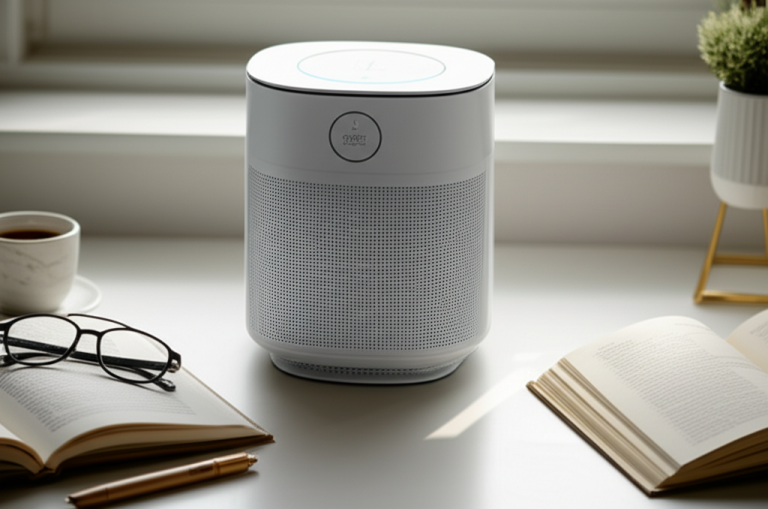
Best Air Purifiers for Pet Hair: Proven Relief

Breathe easier with the best air purifiers for pet hair, designed to tackle dander, allergens, and odors for a cleaner, healthier home environment. Find proven relief and reclaim your living space from furry companions.
Living with pets brings immense joy, but it also often comes with a constant battle against shedding fur, dander, and lingering odors. This can be particularly challenging for allergy sufferers. Fortunately, the right air purifier can make a significant difference. We’ll guide you through choosing the best air purifiers for pet hair, ensuring your home remains a sanctuary for both you and your beloved animals. Get ready to discover how to achieve proven relief and enjoy cleaner air.
Why Pet Hair and Dander Demand a Specialized Air Purifier
Pet hair and dander are more than just a nuisance; they are common triggers for allergies and asthma. Dander, tiny flakes of skin, is often microscopic and easily becomes airborne. Pet hair itself can carry dander, dust, pollen, and other allergens. A standard air filter might struggle to capture these fine particles effectively.
Air purifiers specifically designed for pets often feature enhanced filtration systems. These systems are engineered to capture these smaller, more problematic particles. This ensures a reduction in airborne allergens and a significant improvement in overall air quality for everyone in the household.
The Science Behind Pet Allergen Filtration

Understanding how air purifiers work is key to selecting the best air purifiers for pet hair. Most effective units utilize a multi-stage filtration process. This typically includes a pre-filter, a HEPA filter, and an activated carbon filter.
The pre-filter catches larger particles like visible pet hair and dust bunnies, extending the life of the other filters. The HEPA (High-Efficiency Particulate Air) filter is crucial for trapping microscopic dander, pollen, and mold spores. Finally, the activated carbon filter absorbs odors from your pets, creating a fresher-smelling home.
Key Features to Look for in the Best Air Purifiers for Pet Hair
When searching for the best air purifiers for pet hair, certain features stand out. These are the elements that directly impact their effectiveness in a pet-friendly home. Prioritizing these will help you make an informed decision that leads to proven relief.
Consider the CADR (Clean Air Delivery Rate) to ensure the purifier can handle the air volume in your room. Higher CADR ratings mean faster air cleaning. Also, look for units with a robust pre-filter, as this is your first line of defense against larger pet hair.
HEPA Filtration: The Non-Negotiable Standard
A true HEPA filter is absolutely essential when dealing with pet hair and dander. This type of filter is certified to capture at least 99.97% of airborne particles as small as 0.3 microns. This includes pet dander, dust mites, mold spores, and pollen.
Without a HEPA filter, many smaller allergens will simply pass through the purifier. This renders it far less effective for allergy sufferers. Always verify that a purifier explicitly states it has a “True HEPA” filter.
Activated Carbon for Odor Control
Beyond just trapping particles, controlling pet odors is a major concern for many pet owners. This is where activated carbon filters shine. These filters are highly porous and excel at adsorbing volatile organic compounds (VOCs) and other odor-causing molecules.
The more activated carbon a purifier contains, the better it will be at neutralizing smells from litter boxes, wet dog, or general pet musk. Look for purifiers with a substantial amount of carbon for maximum odor-fighting power.
Pre-Filter Effectiveness: Capturing the Visible Mess
While HEPA filters handle the microscopic, a good pre-filter is vital for capturing larger debris. This includes visible pet hair, lint, and larger dust particles. A washable or easily replaceable pre-filter is a significant advantage.
This layer protects the more sensitive HEPA and carbon filters from getting clogged too quickly. This prolongs their lifespan and maintains the overall efficiency of the air purifier. It’s a crucial feature for the best air purifiers for pet hair.
Coverage Area and Room Size
The effectiveness of any air purifier is directly tied to the size of the room it’s placed in. Manufacturers usually provide a recommended coverage area for their units. This is often based on the CADR and the number of air changes per hour (ACH) the purifier can achieve.
For pet owners, aiming for a purifier that can handle at least 5 ACH is ideal. This ensures the air is thoroughly cleaned multiple times every hour, which is important for managing dander and allergens. Always choose a purifier rated for a slightly larger room than you intend to use it in for optimal performance.
Top Picks: The Best Air Purifiers for Pet Hair in [Current Year]
After extensive research, I’ve identified several air purifiers that consistently perform well for pet owners. These models offer a blend of powerful filtration, effective odor control, and user-friendly features, making them excellent choices for proven relief.
Each of these units has been evaluated for its ability to handle pet hair, dander, and associated odors. They represent some of the most reliable options available for creating a healthier living space for you and your furry friends.
Coway Airmega 200M: A Powerful All-Rounder
The Coway Airmega 200M is a popular choice for good reason. It features a robust multi-stage filtration system, including a washable pre-filter, a True HEPA filter, and an activated carbon filter. Its coverage area is substantial, making it suitable for medium to large rooms.
I appreciate its smart features, like an air quality indicator and an auto mode that adjusts fan speed based on detected pollution levels. This unit provides excellent value and proven relief from pet-related air quality issues.
Levoit Core 300S: Compact Powerhouse for Smaller Spaces
For those with smaller apartments or bedrooms, the Levoit Core 300S is an outstanding option. It’s compact yet powerful, featuring a 3-stage filtration system with a fine preliminary filter, a True HEPA filter, and an activated carbon filter. It’s remarkably quiet, especially on lower settings.
The Core 300S is also Wi-Fi enabled, allowing for control via a smartphone app. This makes it incredibly convenient to manage your air quality remotely. It’s a fantastic budget-friendly choice for effective pet allergen control.
Blueair Blue Pure 411 Auto: Simplicity Meets Performance
The Blueair Blue Pure 411 Auto is designed for simplicity and efficiency. It uses a unique combination of electrostatic and mechanical filtration, known as HEPASilent™ technology, to capture particles effectively. It’s exceptionally quiet and energy-efficient.
This model is ideal for smaller to medium-sized rooms and features an auto mode that adjusts performance based on air quality. Its single-button operation makes it incredibly user-friendly, offering a straightforward path to cleaner air.
Winix 5500-2: Advanced Filtration for Allergy Sufferers
The Winix 5500-2 is a highly-rated air purifier that excels at tackling a wide range of airborne pollutants, including pet dander and odors. It boasts a True HEPA filter, an activated carbon filter, and the PlasmaWave™ technology, which helps break down pollutants.
Its coverage area is suitable for medium to large rooms. The auto mode and air quality sensor make it easy to maintain optimal air quality without constant manual adjustments. This is a solid choice for those seeking comprehensive relief.
Honeywell HPA300: Proven Performance for Larger Areas
The Honeywell H300 is a robust air purifier designed for larger rooms, offering excellent performance in capturing pet hair, dander, and odors. It features a True HEPA filter and an activated carbon pre-filter. Its high CADR rating ensures rapid air cleaning.
This unit is known for its durability and effectiveness. While it might be a bit louder on higher settings, its ability to quickly improve air quality in spacious areas makes it a top contender.
Understanding CADR and ACH for Pet Owners
When choosing the best air purifiers for pet hair, understanding CADR and ACH is crucial. These metrics help you determine if a purifier is powerful enough for your specific needs and room size. They are key indicators of performance in a pet-filled environment.
CADR stands for Clean Air Delivery Rate, which measures how quickly an air purifier can remove specific pollutants like smoke, dust, and pollen from a room. ACH, or Air Changes per Hour, indicates how many times the purifier can cycle all the air in a room within one hour. For pet owners, higher numbers are generally better.
Choosing the Right CADR Rating
The higher the CADR rating, the more effective the air purifier will be at cleaning the air in a given space. Manufacturers typically provide CADR ratings for smoke, dust, and pollen. For pet dander, a higher dust CADR is a good indicator of effectiveness.
I recommend looking for a CADR rating that is at least two-thirds of the room’s square footage. For instance, if you have a 150 sq ft room, aim for a purifier with a dust CADR of at least 100. This ensures efficient air purification.
The Importance of ACH for Pet Allergens
For pet owners, especially those with allergies, achieving a high ACH is paramount. A higher ACH means the air in your home is being filtered more frequently, leading to a significant reduction in airborne allergens.
Experts recommend at least 4-5 ACH for optimal allergen removal. This ensures that even microscopic dander and hair particles are captured quickly. Look for purifiers that explicitly state their ACH capabilities for your room size.
Filtration Layers Explained: Beyond Just the HEPA
While True HEPA filtration is non-negotiable, the other layers of filtration play vital roles, particularly for pet owners. A comprehensive system works together to tackle everything from visible fur to invisible dander and odors.
A multi-stage approach ensures that each type of pollutant is addressed effectively. This layered defense is what makes an air purifier truly shine in a pet-friendly home, providing that sought-after proven relief.
The Role of the Pre-Filter
The pre-filter is the first line of defense. It’s designed to capture larger particles like pet hair, lint, and dust. This is crucial because these larger particles can quickly clog the more sensitive HEPA and carbon filters.
Many pre-filters are washable or vacuumable, making maintenance simple and cost-effective. A good pre-filter significantly extends the life of your other filters. It’s a feature often overlooked but incredibly important for pet owners.
Activated Carbon: The Odor Eraser
Pet odors are a common challenge for owners, and activated carbon filters are the solution. These filters are made from carbon that has been treated to be extremely porous, allowing it to adsorb a wide range of odor molecules.
The effectiveness of an activated carbon filter depends on the amount of carbon used. For significant odor control, look for purifiers with a substantial carbon filter, often measured in pounds rather than just a thin coating. This is key for tackling litter box smells or wet dog aroma.
Beyond the Basics: Ionizers and UV-C Lights
Some air purifiers include additional technologies like ionizers and UV-C lights. Ionizers release negative ions that attach to airborne particles, causing them to clump together and fall out of the air or stick to surfaces. UV-C lights are used to kill bacteria and viruses.
While these can offer supplementary benefits, it’s important to be aware of potential ozone production from some ionizers. Always choose purifiers from reputable brands that prioritize safety and certified performance. For most pet owners, the core filtration layers are the most critical.
Maintenance for Optimal Performance
To ensure your air purifier continues to provide proven relief from pet hair and dander, regular maintenance is essential. Neglecting this can significantly reduce its effectiveness and shorten the lifespan of the filters.
Following the manufacturer’s guidelines for cleaning and replacing filters will keep your unit running efficiently. This simple routine ensures you consistently enjoy the benefits of cleaner air.
Cleaning and Replacing Filters
The frequency of filter maintenance depends on your specific unit and the air quality in your home. The pre-filter often needs cleaning every few weeks, especially in homes with shedding pets.
HEPA and activated carbon filters typically need replacement every 6-12 months, though this can vary. Always check your user manual for specific recommendations. Some units have filter replacement indicators to help you stay on track.
General Unit Care
Beyond filters, occasional cleaning of the purifier’s exterior and interior is beneficial. Dust can accumulate on the unit itself, potentially affecting its performance. A soft, dry cloth is usually sufficient for wiping down the exterior.
Ensure the air intake and outlet vents are kept clear of obstructions. This allows for optimal airflow and efficient operation of the unit. Proper care ensures your investment continues to deliver clean air.
Where to Place Your Air Purifier for Maximum Impact
The placement of your air purifier can significantly influence its effectiveness in capturing pet hair and dander. Strategic positioning ensures it can do its best work in the areas where your pets spend the most time.
Ideally, place the purifier in the room where your pet spends the most time, or where you spend the most time when your pet is present. This allows the unit to directly address the source of the airborne particles.
Living Areas and Bedrooms
These are often the primary zones for both pets and people. Placing a purifier in the living room can help capture dander and hair that circulates during playtime. In the bedroom, it can create a cleaner sleeping environment, especially crucial for allergy sufferers.
Consider a unit for each major living space if your budget allows. If not, focus on the room where you spend the most time or where your pet’s presence is most concentrated.
Near Pet Beds and Feeding Areas
Placing an air purifier near your pet’s bed or feeding station can directly target concentrated areas of dander and odors. This helps to prevent these particles from spreading throughout the house.
Ensure the purifier is placed safely, away from potential spills or curious paws. This strategic placement maximizes its impact on localized air quality issues.
Understanding Air Purifier Technologies for Pet Owners
Beyond the standard filtration layers, some air purifiers employ additional technologies. While not always necessary, they can offer supplementary benefits for pet owners. It’s important to understand what they do and if they’re right for you.
The core filtration system (pre-filter, HEPA, carbon) is usually the most critical component. However, exploring these additional features can sometimes enhance the overall air purification experience.
Ionizers: Pros and Cons
Ionizers release negatively charged ions into the air. These ions attach to airborne particles, making them heavier and causing them to fall to the ground or stick to surfaces. This can help reduce the number of particles actively circulating in the air.
However, some ionizers can produce small amounts of ozone, which can be an irritant for some people and pets. Look for ionizers certified as low-ozone or ozone-free to ensure safety.
UV-C Light Sterilization
UV-C light is a form of ultraviolet radiation that can kill bacteria, viruses, and mold spores. Some air purifiers incorporate UV-C lamps to sterilize the air as it passes through the unit.
This technology is particularly useful for neutralizing airborne pathogens. While not directly addressing pet hair or dander, it contributes to overall air hygiene. Again, ensure the UV-C component is well-integrated and safe.
Choosing the Best Air Purifier for Pet Hair: A Checklist
To help you make the final decision, here’s a quick checklist of essential features to consider when selecting the best air purifiers for pet hair:
True HEPA Filter: Absolutely essential for capturing microscopic dander and allergens.
Effective Pre-Filter: Catches visible pet hair and larger dust particles; ideally washable.
Substantial Activated Carbon Filter: For robust odor absorption.
Appropriate CADR and Room Coverage: Ensure it’s powerful enough for your space.
Low Noise Levels: Especially important if placing in bedrooms or living areas.
Ease of Maintenance: Simple filter replacement and cleaning.
Energy Efficiency: Look for Energy Star certification if possible.
Safety Features: Consider ozone production from ionizers.
By ticking these boxes, you’ll be well on your way to finding a unit that provides proven relief for your pet-related air quality concerns.
Frequently Asked Questions About Air Purifiers for Pet Hair
Q1: How often should I run my air purifier for pet hair?
For optimal results, it’s recommended to run your air purifier continuously, especially in rooms where pets and people spend the most time. This ensures a constant reduction of airborne dander and odors.
Q2: Can air purifiers completely eliminate pet dander?
While air purifiers significantly reduce the amount of pet dander in the air, they cannot completely eliminate it. Consistent use and proper maintenance are key to managing dander levels effectively.
Q3: Are air purifiers noisy?
Noise levels vary greatly between models. Many modern air purifiers are designed to be quiet, especially on lower fan speeds. Look for units with decibel ratings under 50 dB for quieter operation.
Q4: How do I know if my air purifier is working for pet hair?
You’ll notice a reduction in airborne dust, fewer pet odors, and potentially fewer allergy symptoms. Regularly check the pre-filter for accumulated hair and dust; a full filter indicates it’s actively working.
Q5: Do I need a special air purifier for cat dander versus dog dander?
No, the filtration principles are the same. Both cat and dog dander are microscopic skin flakes that are effectively captured by True HEPA filters. The key is the quality of the filtration system.
Q6: Can air purifiers help with pet shedding?
Air purifiers capture airborne pet hair and dander, but they don’t stop shedding itself. Regular grooming of your pet will complement the air purifier’s efforts by reducing the amount of loose hair.
Conclusion: Reclaim Your Home with Cleaner Air
Living with pets should be a joy, not a constant struggle with allergies and odors. By investing in one of the best air purifiers for pet hair, you can achieve proven relief and transform your home into a cleaner, healthier sanctuary for everyone. Remember to consider the key features like True HEPA filtration, effective odor control, and appropriate room coverage.
With the right air purifier, you can significantly reduce airborne pet hair, dander, and unpleasant smells. This not only improves air quality but also enhances your overall well-being and your ability to fully enjoy your beloved animal companions. Breathe easier and live better.