
Distilled Water For Air Purifier: Essential, Proven Guide

Distilled Water for Air Purifier: The Essential, Proven Guide
Using distilled water in your air purifier is crucial for optimal performance and longevity. This guide will explain why, how to use it, and what to avoid, ensuring your air purifier works efficiently and effectively for years to come.
Air purifiers are fantastic tools for improving indoor air quality, but many people overlook a simple yet critical maintenance step: the type of water they use. If your air purifier uses water, especially humidifying or evaporative models, you might be wondering if tap water is okay. I understand the confusion, as it seems like just water, right? However, using the wrong water can lead to mineral buildup, reduced efficiency, and even damage to your appliance. This guide will demystify the use of distilled water for your air purifier, providing you with all the essential information to keep your machine running smoothly. We’ll cover why it’s so important, how to use it correctly, and what alternatives (if any) are suitable.
Why Distilled Water is Essential for Your Air Purifier
Distilled water is the gold standard for air purifiers that require water, primarily due to its purity. Unlike tap water, which contains dissolved minerals, salts, and chemicals, distilled water has undergone a process that removes these impurities. This lack of mineral content is vital for preventing scale and residue buildup within your air purifier’s components.
When tap water evaporates or is heated in an air purifier, the minerals are left behind. This creates a white, chalky residue known as limescale. This scale can clog filters, coat heating elements, and impede the efficient operation of humidifying or evaporative air purifiers.
Using distilled water means you’re introducing pure H₂O into the system. This prevents the accumulation of mineral deposits, ensuring that your air purifier can function at its peak performance. It also significantly extends the lifespan of your appliance by reducing wear and tear on its internal mechanisms.
Understanding Your Air Purifier’s Water Needs
Not all air purifiers use water. Many are designed solely to filter and circulate air, relying on HEPA and activated carbon filters. However, certain types of air purifiers, such as humidifiers, evaporative coolers, and some ultrasonic humidifiers, incorporate water into their function. It’s crucial to identify whether your specific model requires water.
Check your air purifier’s user manual. This is the most reliable source of information regarding water usage and recommended water types. The manual will clearly state if water is needed and what kind of water is best. If it doesn’t specify, err on the side of caution and assume distilled water is the safest bet.
If your air purifier is a humidifier or has a humidifying function, it will have a water tank. These are the units where the type of water you use makes the most significant difference. Purifiers without a water tank do not need water and will not benefit from its addition.
The Mineral Menace: What’s in Tap Water?
Tap water, while generally safe for drinking in most developed regions, is a complex mixture. It contains dissolved minerals like calcium, magnesium, and potassium, along with trace amounts of other elements and compounds. These minerals are what give tap water its taste and are responsible for the formation of limescale.
When tap water is heated or exposed to air and evaporates within an air purifier, these dissolved minerals are left behind. Think of a kettle that’s been used for a long time; the white, crusty buildup inside is exactly what can happen in your air purifier. This mineral deposit is often referred to as limescale or scale.
This buildup isn’t just unsightly; it actively hinders your air purifier’s performance. It can reduce the efficiency of humidification, block air intake or output vents, and even damage sensitive components over time. This is why preventing mineral deposition is so important for maintaining your appliance.
The Magic of Distillation: How It Works
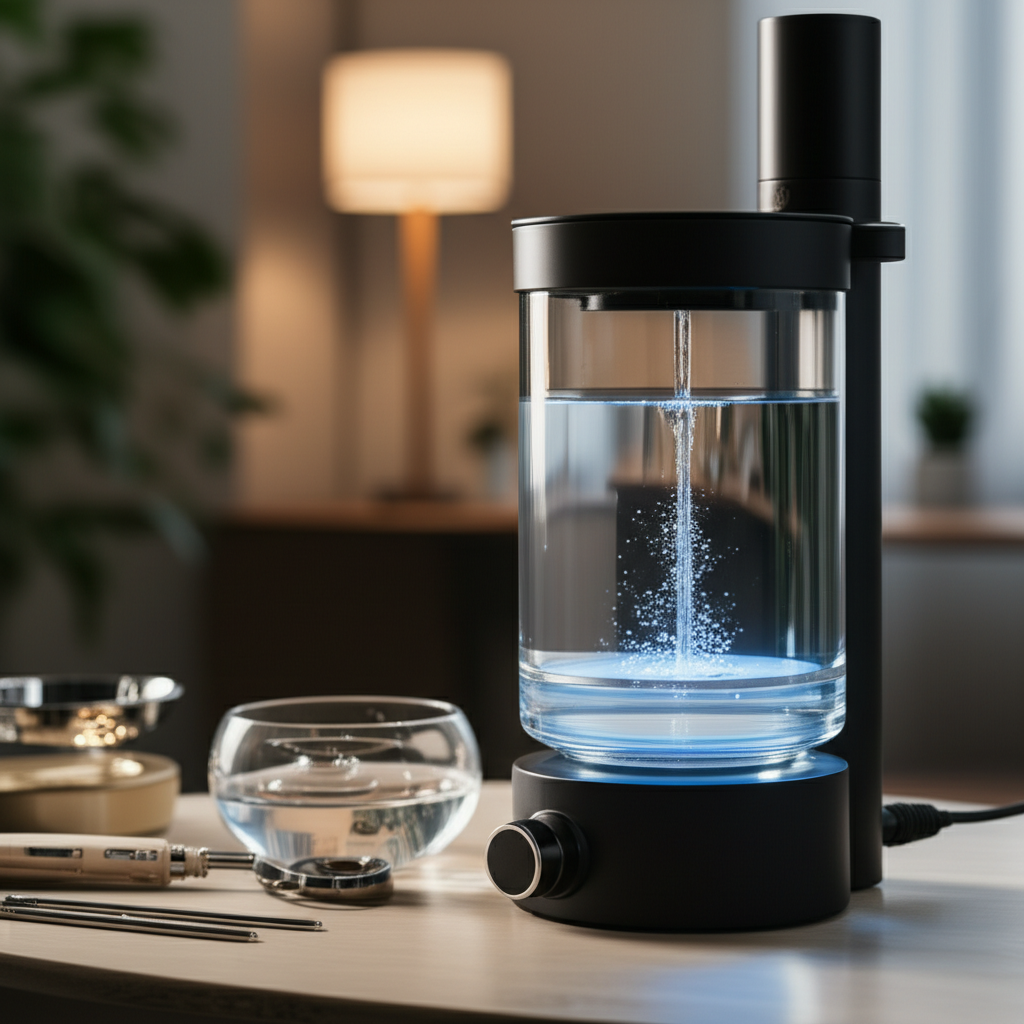
Distillation is a purification process that mimics the natural water cycle. It involves boiling water to create steam, then condensing that steam back into liquid form in a separate container. This process effectively separates the pure water from any dissolved solids, minerals, and other impurities.
When water boils, impurities with higher boiling points are left behind in the original container. The steam, which is essentially pure water vapor, rises and is then cooled. As it cools, it condenses back into liquid water, resulting in a highly purified product.
This leaves you with distilled water, which is essentially H₂O with virtually no dissolved minerals or contaminants. This purity is precisely what makes it ideal for use in sensitive appliances like air purifiers, preventing the buildup of harmful mineral deposits.
Benefits of Using Distilled Water in Your Air Purifier
The advantages of using distilled water are numerous and directly impact your air purifier’s effectiveness and longevity. The primary benefit is the prevention of mineral buildup, which leads to several positive outcomes.
Firstly, your air purifier will operate more efficiently. Without scale obstructing its components, humidifiers can release moisture optimally, and filters can function without being prematurely clogged by mineral deposits. This ensures you’re getting the clean air you paid for.
Secondly, using distilled water significantly extends the lifespan of your air purifier. By minimizing wear and tear caused by mineral accumulation, you reduce the risk of breakdowns and costly repairs. It’s a simple preventative measure that pays dividends in the long run.
Finally, it contributes to a cleaner home environment. Mineral residue from tap water can sometimes be released into the air as fine particles, potentially negating some of the air purification benefits. Distilled water ensures only clean moisture is dispersed.
Potential Downsides and Considerations
While distilled water is highly recommended, there are a few minor considerations to keep in mind. The primary “downside” for many users is the cost and availability. Purchasing distilled water regularly can add up, and you need to ensure you have a consistent supply.
Another consideration is that distilled water lacks minerals, which some people believe can affect the “taste” or “feel” of the humidified air. However, for air purification purposes, this absence of minerals is precisely its strength. The focus here is on machine health and air purity, not water flavoring.
It’s also worth noting that if your air purifier is not designed to use water (i.e., it’s not a humidifier or evaporative unit), adding water will likely damage it. Always confirm your model’s requirements before adding any liquid.
Alternatives to Distilled Water: What to Avoid
When it comes to air purifiers, especially humidifying models, the list of safe alternatives to distilled water is very short. Tap water is the most common culprit leading to problems, but other liquids should also be avoided.
Tap Water: Contains minerals that cause scale buildup.
Filtered Water (Brita, PUR, etc.): While it removes some impurities, it does not remove dissolved minerals. It is still tap water and will cause scale.
Mineral Water/Spring Water: These are naturally rich in minerals and will exacerbate scale buildup.
Bottled Water: Most bottled water is either purified tap water or spring water, both containing minerals.
* Essential Oils or Additives: Unless specifically approved by the manufacturer, do not add anything to the water. This can damage the unit and void warranties.
The safest approach is to stick strictly to distilled water if your air purifier calls for it. Trying to cut corners with other water types will likely lead to more expense and hassle down the line.
How to Use Distilled Water in Your Air Purifier
Using distilled water is straightforward, but it’s essential to follow the correct procedure to maintain your air purifier. The process typically involves filling the water tank and regular cleaning.
1. Locate the Water Tank: Most air purifiers that use water will have a removable tank. Consult your manual if you’re unsure.
2. Empty and Clean the Tank: Before refilling, it’s good practice to empty any residual water and give the tank a quick rinse.
3. Fill with Distilled Water: Use a clean container to pour distilled water into the tank. Do not overfill; check the maximum fill line.
4. Reassemble and Operate: Securely reattach the tank and turn on your air purifier.
Regularly cleaning the tank and the unit’s components is also crucial. Mineral deposits can still form from residual moisture, so weekly or bi-weekly cleaning (as per your manual) is recommended.
Where to Buy Distilled Water
Distilled water is readily available at most grocery stores, drugstores, and large retailers. It’s usually found in the bottled water aisle or the household cleaning section. You can often purchase it in gallon jugs, which is economical for regular use.
For those who use a significant amount of distilled water, investing in a home water distiller can be a cost-effective solution in the long run. These countertop appliances purify tap water into distilled water for various uses, including humidifiers and irons. Many health and wellness stores or online retailers carry these devices.
When purchasing, look for labels that explicitly state “distilled water.” Avoid anything labeled as purified, demineralized, or deionized unless the manufacturer’s instructions for your air purifier specifically permit it (though distilled is almost always preferred).
Maintaining Your Air Purifier with Distilled Water
Consistent use of distilled water is key, but proper maintenance ensures your air purifier remains in top condition. This includes regular cleaning and filter replacement as recommended by the manufacturer.
When cleaning, pay close attention to the water tank, the humidifier wick or pad, and any internal components that come into contact with water. A solution of equal parts white vinegar and water can often be used for descaling, but always check your manual first. Rinse thoroughly after cleaning.
Filters, especially those in humidifying units, need regular replacement. A clogged or dirty filter will reduce the effectiveness of your air purifier and can lead to other issues. Always use genuine replacement parts recommended by the manufacturer.
Frequently Asked Questions (FAQ)
Can I use tap water in my air purifier?
It’s generally not recommended to use tap water in air purifiers that require water, as it contains minerals that can cause scale buildup, reduce efficiency, and damage the unit over time.
What happens if I use tap water in my air purifier?
Using tap water can lead to limescale deposits on internal components, potentially clogging filters, reducing humidification output, and shortening the lifespan of your air purifier.
Is filtered water okay for an air purifier?
No, most common water filters (like Brita or PUR) do not remove dissolved minerals. Therefore, filtered tap water is still not ideal for air purifiers and can cause scale buildup.
How often should I change the water in my air purifier?
You should ideally change the water daily or at least every other day to prevent stagnation and bacterial growth. Always follow your manufacturer’s recommendations for cleaning and water changes.
Can I add essential oils to my air purifier’s water tank?
Unless your air purifier’s manual specifically states it’s safe, do not add essential oils or any other additives. They can damage the unit, void the warranty, and potentially release harmful compounds into the air.
Where can I buy distilled water?
Distilled water is widely available at grocery stores, pharmacies, and large retail stores. You can also find home distillation units for purification at home.
How do I know if my air purifier uses water?
Air purifiers that use water typically have a visible water tank and are often marketed as humidifiers, evaporative coolers, or models with a humidifying function. Always check your user manual.
Conclusion: Pure Water for Pure Air
In conclusion, the answer to whether you should use distilled water for your air purifier is a resounding yes, especially for humidifying or evaporative models. This simple step is fundamental to ensuring your air purifier operates at its best, providing you with cleaner, healthier air while protecting your investment. By understanding the mineral content in tap water and the purification process of distillation, you can make an informed decision that benefits both your appliance and your home environment.
Making the switch to distilled water is an easy, cost-effective way to prevent mineral buildup, maintain efficiency, and extend the life of your air purifier. Always refer to your specific model’s user manual for detailed instructions and recommendations. Prioritizing distilled water means prioritizing the longevity and effectiveness of your air purification system, leading to a consistently healthier indoor atmosphere.
