
Distilled Water for Air Purifier: Essential Benefits

Using distilled water in your air purifier offers significant advantages, preventing mineral buildup, extending the life of your device, and improving air quality for a healthier living environment.
Breathing cleaner air at home is a top priority for many, and an air purifier is a fantastic tool for achieving this. But have you ever wondered what type of water is best to use, especially if your purifier has a humidifying function? It’s a common question that can lead to confusion, and using the wrong water can actually cause problems for your appliance and the air it cleans. Don’t worry, I’m here to guide you through the simple yet crucial decision of using distilled water for your air purifier. Let’s explore the essential benefits and ensure your device runs smoothly and efficiently.
Why Water Matters in Your Air Purifier
Water plays a vital role in humidifying air purifiers, adding moisture to dry environments. This function can be incredibly beneficial, especially during dry seasons or in air-conditioned spaces. However, the type of water you use directly impacts the effectiveness and longevity of your air purifier. Using tap water introduces impurities that can create issues.
This section will delve into the core reasons why selecting the right water is paramount for optimal air purifier performance. Understanding these principles will empower you to make informed choices for your home’s air quality.
The Problem with Tap Water in Air Purifiers
Tap water, while safe for drinking, is laden with minerals like calcium and magnesium, along with other impurities. When this water evaporates in your air purifier’s humidifier, these dissolved solids are left behind. This process is similar to what happens when a kettle gets limescale.
Over time, these mineral deposits accumulate on the internal components of your air purifier. This buildup can hinder the humidifier’s efficiency, clog filters, and even damage sensitive parts. The consequences can range from reduced performance to costly repairs.
What is Distilled Water?
Distilled water is water that has been boiled into vapor and then condensed back into liquid in a separate container. This process effectively removes minerals, salts, and other impurities. The result is pure H₂O, free from the dissolved solids found in tap water.
Think of it as purified water, stripped down to its essential form. This purity is what makes distilled water an ideal choice for applications where mineral content can cause problems, such as in electronics and, importantly, in your air purifier.
Essential Benefits of Distilled Water for Air Purifiers
Using distilled water in your air purifier offers a range of significant benefits. These advantages directly contribute to better performance, a longer lifespan for your device, and ultimately, cleaner, healthier air in your home. Let’s explore these key advantages.
Benefit 1: Prevents Mineral Buildup and Scale Formation
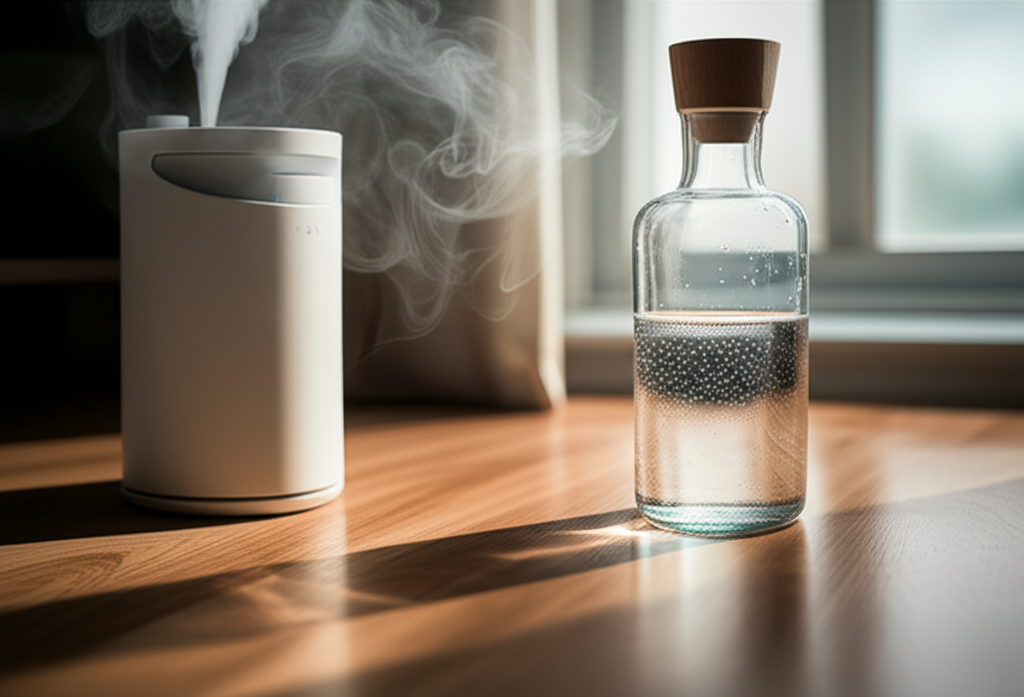
The most significant benefit of using distilled water is the prevention of mineral buildup. Since distilled water contains virtually no dissolved minerals, it doesn’t leave behind the white, chalky residue (scale) that tap water does. This keeps the humidifier’s tank, heating elements, and misting mechanisms clean.
This clean operation ensures consistent humidity output and prevents the clogs that can disrupt your air purifier’s function. A scale-free system operates more efficiently and quietly.
Benefit 2: Extends the Lifespan of Your Air Purifier
Mineral deposits are abrasive and can cause wear and tear on your air purifier’s internal components over time. By using distilled water, you significantly reduce this abrasive action. This protection helps prevent premature component failure, leading to a longer overall lifespan for your appliance.
Investing in distilled water is a small cost compared to the potential expense of replacing a humidifier or even an entire air purifier unit. It’s a proactive maintenance step that pays dividends.
Benefit 3: Improves Air Quality and Purity
When mineral deposits build up in a humidifier, they can become a breeding ground for bacteria and mold. These microorganisms can then be released into the air along with the water vapor, potentially compromising the air quality your purifier is meant to improve. Distilled water, being pure, helps avoid this issue.
By preventing the growth of these contaminants, distilled water ensures that the moisture added to your air is clean and healthy. This is especially important for individuals with allergies, asthma, or other respiratory sensitivities.
Benefit 4: Enhances Humidifier Efficiency and Performance
Mineral scale acts as an insulator, reducing the efficiency of heating elements and misting mechanisms. This means your air purifier might have to work harder and longer to achieve the desired humidity level. Distilled water keeps these components clean, allowing them to operate at peak performance.
Consistent and efficient operation means your air purifier can maintain your desired humidity levels more reliably. This contributes to a more comfortable and healthier indoor environment.
Benefit 5: Reduces Maintenance and Cleaning Frequency
Cleaning a humidifier filled with mineral deposits can be a tedious and challenging task. You often need special cleaning solutions and considerable scrubbing to remove stubborn scale. Using distilled water drastically reduces the need for frequent and intensive cleaning.
While you’ll still need to perform routine maintenance, the amount of cleaning required will be significantly less. This saves you time and effort, making the ownership experience more enjoyable.
Distilled Water vs. Other Water Types
Let’s compare distilled water to other common water types you might consider for your air purifier. Understanding these differences highlights why distilled water stands out.
| Water Type | Mineral Content | Suitability for Air Purifiers | Key Considerations |
| :————- | :————– | :—————————- | :——————————————————– |
| Distilled | Very Low | Excellent | Purest option, prevents buildup, extends lifespan. |
| Tap Water | High | Poor | Leads to mineral buildup, potential damage, reduced efficiency. |
| Filtered | Moderate | Fair | Removes some impurities but not all dissolved minerals. |
| Deionized | Very Low | Excellent | Similar to distilled, removes ions. |
| Spring/Well| High | Poor | Can contain significant mineral and organic impurities. |
While filtered water might seem like a good compromise, it often doesn’t remove all the dissolved minerals that cause issues in humidifiers. Deionized water is also a great option, offering similar purity benefits to distilled water.
How to Use Distilled Water in Your Air Purifier
Using distilled water is straightforward and requires no special equipment beyond the water itself. Always refer to your air purifier’s manual for specific instructions regarding water tank capacity and filling procedures. Generally, the process is as follows:
1. Turn off and unplug your air purifier for safety.
2. Locate the water tank and carefully remove it.
3. Empty any remaining water from the tank.
4. Fill the tank with distilled water up to the indicated maximum fill line. Avoid overfilling.
5. Securely replace the water tank onto the air purifier.
6. Plug in and turn on your air purifier.
This simple routine ensures your device operates with the purest water possible.
Where to Buy Distilled Water
Distilled water is readily available and can be purchased from most grocery stores, pharmacies, and large retailers. It’s typically found in the bottled water or household cleaning aisles. You can also find larger containers or even smaller bottles depending on your needs.
Some people also choose to invest in a home distiller to produce their own distilled water, which can be more cost-effective if you use a large amount regularly. However, for most users, purchasing pre-bottled distilled water is the most convenient option.
When to Use Distilled Water (and When It Might Be Optional)
The primary function where distilled water is essential is for the humidifier component of your air purifier. If your air purifier does not have a humidifying feature, then the water type is not a concern. However, many modern air purifiers integrate humidification for a more comprehensive approach to indoor air quality.
If your device has a humidifier, using distilled water is highly recommended by manufacturers like Bissell and is often specified in the user manual. Always check your specific model’s recommendations.
Maintaining Your Air Purifier with Distilled Water
Even with distilled water, regular maintenance is crucial for optimal performance. This includes cleaning the water tank periodically, replacing filters as recommended, and checking for any signs of wear or damage. Distilled water simply makes the cleaning process much easier and less frequent.
A clean air purifier, combined with the use of distilled water in its humidifier, ensures you are getting the best possible air purification and humidification.
Frequently Asked Questions (FAQ)
Q1: Can I use tap water in my air purifier’s humidifier?
While you can technically use tap water, it’s strongly discouraged. Tap water contains minerals that will build up as scale, reducing efficiency, potentially damaging components, and even leading to mold growth in the humidifier.
Q2: How often should I change the water in my air purifier?
It’s best to change the water daily, especially if you’re using the humidifying function. This prevents stagnation and the potential growth of bacteria or mold in the water tank.
Q3: Will using distilled water void my air purifier’s warranty?
No, using distilled water is generally recommended and will not void your warranty. In fact, failing to use appropriate water (like distilled) when specified might be grounds for voiding it if damage occurs due to mineral buildup.
Q4: How can I tell if my air purifier’s humidifier has mineral buildup?
You might notice a white, chalky residue on the inside of the water tank or on the humidifier’s components. The humidifier may also become less effective, producing less mist, or start making unusual noises.
Q5: Is distilled water the same as filtered water for an air purifier?
No, distilled water is significantly purer. While filtered water removes some larger particles, it often leaves dissolved minerals behind, which are the primary cause of scale buildup in humidifiers.
Q6: Can I reuse distilled water?
It’s not recommended to reuse water in your air purifier’s humidifier. Always use fresh distilled water daily to maintain hygiene and prevent contamination.
Conclusion
Choosing to use distilled water for your air purifier is a simple yet incredibly effective strategy for maximizing its performance and longevity. By preventing mineral buildup, you ensure your device operates efficiently, maintains optimal air quality, and requires less intensive cleaning. This small change in your maintenance routine can lead to a healthier, more comfortable home environment for you and your family. Prioritize the purity of the air you breathe by making the smart choice: distilled water for air purifier use.
