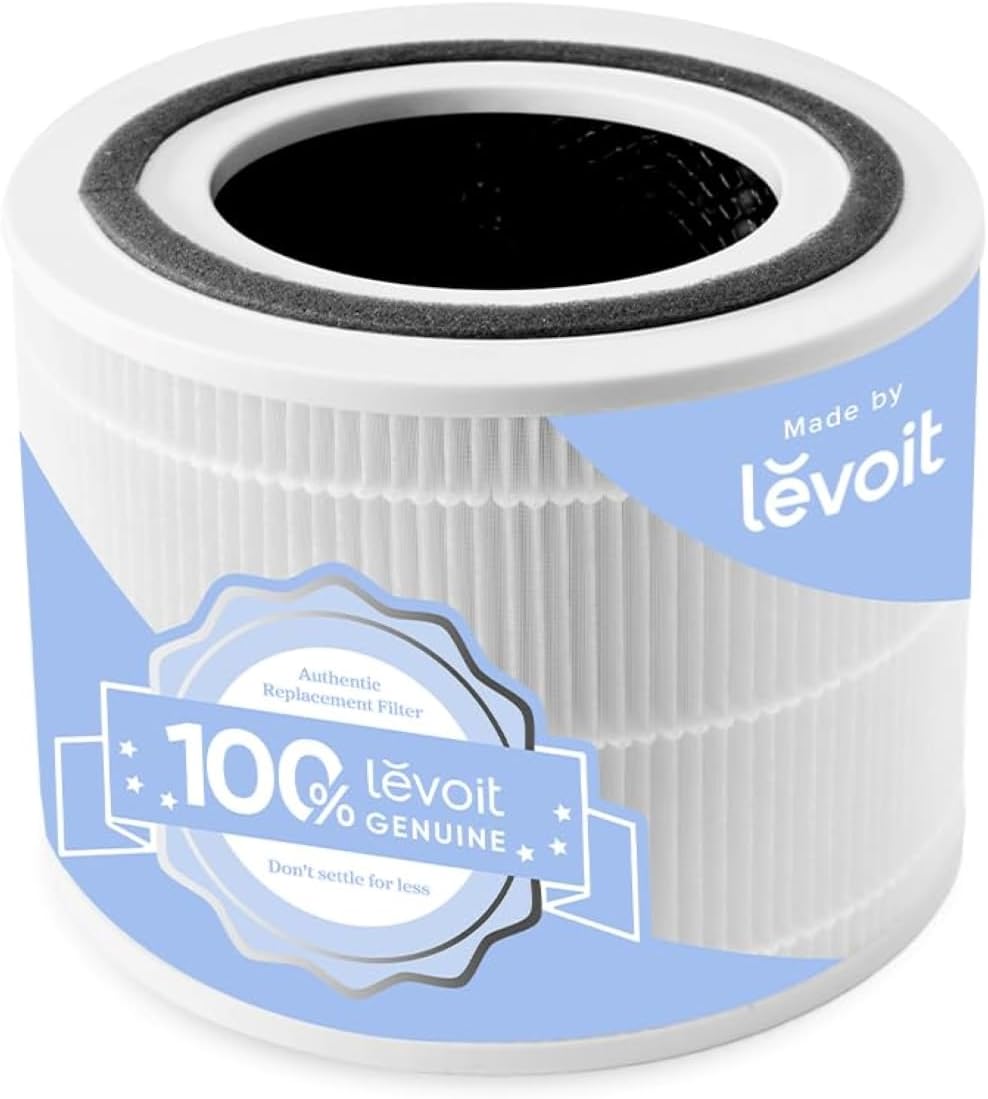
Are Air Purifiers With Washable Filters Effective? Proven Solution

Yes, air purifiers with washable filters can be effective, but their performance hinges on proper maintenance and the specific type of filter. While they offer cost savings and environmental benefits, understanding their limitations compared to HEPA filters is crucial for making an informed decision about your indoor air quality.
Breathing clean air at home is a top priority for many, especially with growing concerns about indoor pollutants. You might be considering an air purifier and wondering about the effectiveness of models featuring washable filters. It’s a common question, as these units promise convenience and cost savings. But do they truly deliver on purifying your air as effectively as other types? Let’s dive deep into the science and practicalities to uncover the proven solution for your home’s air quality, ensuring you make the best choice for your health and peace of mind.
Are Air Purifiers With Washable Filters Effective? The Core Question
The effectiveness of air purifiers with washable filters is a nuanced topic. While they can capture larger particles, their ability to trap microscopic allergens and pollutants is often limited compared to high-efficiency particulate air (HEPA) filters. Understanding their capabilities and limitations is key to determining if they are the right choice for your specific needs.
Washable filters are designed to be cleaned and reused, offering an eco-friendly and budget-conscious alternative to disposable filters. Their primary function is to catch larger airborne particles like dust, hair, and pet dander. However, their porous nature often means they cannot effectively filter out smaller, more problematic particles such as pollen, mold spores, or VOCs.
How Washable Filters Work
Washable filters typically employ a physical barrier with larger pores to trap particles. When the filter becomes clogged with debris, it can be removed, rinsed under water, and then dried before being reinserted into the air purifier. This process is repeated as needed to maintain airflow and the unit’s operational efficiency.
The design of a washable filter is crucial to its function. They are often made from materials like foam, mesh, or a thin layer of synthetic fiber. These materials are robust enough to withstand repeated washing without significant degradation, ensuring their longevity and reusability.
The Role of Particle Size in Filtration
The effectiveness of any air filter is largely determined by the size of the particles it can capture. Standards like HEPA, for instance, require filters to remove at least 99.97% of airborne particles 0.3 microns in diameter. Washable filters generally have larger pore sizes, making them less efficient at trapping these smaller, often more harmful, particles.
For context, common allergens like dust mites can range from 10 to 100 microns, while mold spores are typically between 1 to 20 microns. However, finer dust particles, bacteria, and viruses can be much smaller, often below 1 micron, which is where washable filters often fall short.
Comparing Washable Filters to HEPA Filters
When asking “are air purifiers with washable filters effective?”, a direct comparison to HEPA filters is essential. HEPA filters are the gold standard for air purification, designed to capture a vast majority of microscopic airborne contaminants. Washable filters, while useful for larger particles, do not meet HEPA standards.
HEPA filters utilize a dense mat of randomly arranged fibers to trap particles through impaction, interception, and diffusion. This intricate structure allows them to capture particles down to 0.3 microns with exceptional efficiency. Washable filters, by contrast, rely on simpler mechanical filtration and are not designed for such fine particle capture.
Effectiveness Against Different Pollutants
Washable filters excel at capturing large debris like hair and visible dust, contributing to a cleaner immediate environment. However, they are generally ineffective against smaller allergens like pollen, pet dander, mold spores, bacteria, and viruses, which are often the primary concerns for allergy and asthma sufferers.
For a comprehensive understanding, consider this comparison:
| Pollutant Type | Washable Filter Effectiveness | HEPA Filter Effectiveness |
|---|---|---|
| Large Dust & Hair | Good | Excellent |
| Pollen | Limited | Excellent |
| Pet Dander | Limited | Excellent |
| Mold Spores | Limited | Excellent |
| Bacteria & Viruses | Poor | Excellent |
| Smoke Particles | Poor | Excellent |
| VOCs & Odors | None (unless combined with carbon) | None (unless combined with carbon) |
This table clearly illustrates where washable filters stand in terms of capturing various airborne contaminants. Their limitations become apparent when dealing with microscopic threats to air quality.
Cost and Environmental Considerations
The primary appeal of washable filters lies in their long-term cost savings and reduced environmental impact. By eliminating the need for frequent filter replacements, users can save money over time. Furthermore, reducing disposable waste contributes to a more sustainable lifestyle.
However, it’s important to factor in the potential need for multiple air purifiers or more frequent washing cycles if dealing with significant pollution. The initial purchase price of a washable filter unit might also be a consideration, though the ongoing savings can often offset this.
The Importance of Proper Maintenance for Washable Filters
For air purifiers with washable filters to be even moderately effective, diligent maintenance is absolutely critical. If not cleaned regularly and thoroughly, a clogged washable filter can impede airflow, reduce the unit’s performance, and even become a breeding ground for mold and bacteria.
The frequency of washing depends on your home environment, including pet ownership, smoking habits, and general air quality. It’s a commitment that requires consistent attention to ensure the filter performs its intended function.
Cleaning Frequency and Methods
Manufacturers typically recommend washing washable filters every 2-4 weeks, but this can vary. Homes with pets or high dust levels may require weekly cleaning. Always consult your air purifier’s manual for specific instructions on how to clean and dry the filter properly.
The cleaning process usually involves:
- Carefully removing the filter from the air purifier.
- Rinsing it under cool, running water to dislodge trapped particles.
- Gently scrubbing with a soft brush or cloth if necessary, using mild soap and water.
- Thoroughly rinsing away any soap residue.
- Allowing the filter to air dry completely before reinstallation. Never use heat to dry, as it can warp the filter.
Ensuring the filter is bone dry is crucial to prevent mold and mildew growth.
Drying and Reinstallation Best Practices
Proper drying is as important as the washing itself. A damp filter can promote the growth of microorganisms, defeating the purpose of an air purifier. Always allow the filter to air dry in a well-ventilated area, away from direct sunlight or heat sources.
Once completely dry, carefully reinsert the filter into the air purifier. Ensure it is seated correctly to maintain proper airflow and filtration. A poorly installed filter can lead to reduced performance and potential damage to the unit.
When Are Washable Filters a Suitable Choice?
Air purifiers with washable filters can be effective and a good investment for individuals with specific needs and realistic expectations. They are best suited for environments where the primary concern is larger airborne debris rather than microscopic allergens or pollutants.
If you are looking to reduce the presence of visible dust, hair, and lint in your home, and you are diligent about regular cleaning, a washable filter system can be a practical solution. They are also a good option for pre-filters in multi-stage systems, protecting more sensitive filters downstream.
Ideal Use Cases for Washable Filters
Consider a washable filter if:
- Your primary goal is to capture large dust particles, hair, and lint.
- You are highly committed to a strict cleaning schedule for the filter.
- You are looking for a more environmentally friendly and cost-effective solution for basic air filtration.
- You have allergies primarily to larger particles, and microscopic allergens are less of a concern.
- You need a pre-filter to extend the life of a more advanced filter (like HEPA or carbon).
For these scenarios, the benefits of washable filters can outweigh their limitations. They offer a tangible improvement in capturing larger debris, making your living space feel cleaner.
Limitations to Consider
However, it’s crucial to acknowledge their limitations. If you suffer from severe allergies, asthma, or have concerns about bacteria, viruses, smoke, or VOCs, a washable filter alone will likely not be sufficient. In such cases, a unit with a True HEPA filter and an activated carbon filter would be a more appropriate choice.
The effectiveness of washable filters is significantly reduced when it comes to trapping particles smaller than 10 microns. This means they miss a large portion of common allergens and airborne irritants that can impact respiratory health.
The Role of Pre-Filters and Multi-Stage Systems
Many air purifiers incorporate washable filters as a pre-filter within a multi-stage filtration system. This is a smart design that leverages the strengths of different filter types. The washable pre-filter captures larger particles, protecting the more delicate and expensive filters, such as HEPA and activated carbon, from premature clogging.
This approach significantly enhances the overall effectiveness of the air purifier. The pre-filter does the heavy lifting on larger debris, allowing the subsequent filters to focus on microscopic particles and odors.
How Pre-Filters Enhance Air Purification
By trapping larger particles like dust bunnies and pet hair, the washable pre-filter prevents them from reaching and clogging the HEPA filter. This extends the lifespan of the HEPA filter, reducing the overall cost of ownership and ensuring consistent performance.
The pre-filter’s role is to condition the air before it passes through the finer filtration stages. This ensures that the more sensitive filters can operate at peak efficiency for longer periods.
Multi-Stage Filtration Explained
A typical multi-stage air purifier might include:
- Stage 1: Washable Pre-Filter: Captures large particles (hair, dust, lint).
- Stage 2: True HEPA Filter: Captures 99.97% of airborne particles 0.3 microns in size (pollen, mold spores, dander, bacteria).
- Stage 3: Activated Carbon Filter: Adsorbs odors, smoke, and VOCs (volatile organic compounds).
This layered approach provides comprehensive air cleaning, addressing a wide range of pollutants. For instance, brands like Coway often feature multi-stage systems, with some models including a washable mesh pre-filter for effective particle capture.
Understanding Air Purifier Certifications
When evaluating the effectiveness of any air purifier, especially those with washable filters, understanding certifications and standards is vital. Certifications provide an objective measure of a device’s performance claims.
For instance, the Association of Home Appliance Manufacturers (AHAM) provides Clean Air Delivery Rate (CADR) ratings, which measure how quickly an air purifier can clean the air in a specific room size. While AHAM doesn’t specifically certify washable filters, it’s a good indicator of overall unit performance.
What is a HEPA Filter Standard?
A filter is considered True HEPA if it meets the U.S. Department of Energy standard, which requires it to remove at least 99.97% of airborne particles 0.3 microns in diameter. Washable filters generally do not meet this stringent standard.
When looking for effective air purification, especially for allergens and fine pollutants, prioritizing a “True HEPA” filter is often recommended by health professionals and organizations like the EPA.
Energy Star and Other Certifications
Energy Star certification indicates that an air purifier is energy-efficient, which can lead to cost savings on your electricity bill. While not directly related to filter effectiveness, it’s a valuable consideration for the overall operation of the device.
Always check the manufacturer’s specifications for details on filter types and performance. Reputable brands will be transparent about the filtration technology they employ. For a deeper dive into air quality standards, the Environmental Protection Agency (EPA) offers extensive resources on indoor air pollution.
When to Avoid Air Purifiers with Only Washable Filters
While washable filters offer benefits, there are specific situations where they are not the optimal choice. If your primary health concerns revolve around microscopic allergens, respiratory illnesses, or airborne pathogens, relying solely on a washable filter might not provide adequate protection.
Individuals with severe allergies, asthma, compromised immune systems, or those living in areas with significant air pollution (e.g., near industrial sites or during wildfire season) should opt for more advanced filtration systems.
Health Conditions and Air Purity Needs
For conditions like asthma, allergies, or sensitivities to airborne irritants, capturing the smallest particles is paramount. This includes pollen, dust mite allergens, pet dander, mold spores, and even bacteria and viruses. Washable filters typically lack the fine pore structure to effectively remove these.
In these cases, a True HEPA filter is essential. Combining this with an activated carbon filter can also address odors and chemical pollutants, providing a more complete solution for sensitive individuals. Organizations like the Asthma and Allergy Foundation of America recommend HEPA filters for managing indoor air quality.
Environmental Factors Requiring Higher Filtration
Living in an area with poor outdoor air quality, such as high levels of smog or particulate matter from wildfires, necessitates a robust air purification system. Washable filters are not equipped to handle the fine particulate matter (PM2.5) that often characterizes such pollution events.
Similarly, if you frequently cook with high heat, use aerosol sprays, or have pets that shed heavily, the air in your home can become laden with various particles and odors. A multi-stage system with a HEPA and carbon filter is far more effective in these scenarios.
Maintaining Air Quality with Washable Filters: A Realistic Outlook
So, are air purifiers with washable filters effective? The answer is a qualified yes. They can be effective for their intended purpose: capturing larger particles like dust and hair, thereby contributing to a visually cleaner environment and potentially reducing the load on other filters in a multi-stage system.
However, it’s crucial to have realistic expectations. For comprehensive protection against the vast majority of allergens, pollutants, and microscopic airborne threats, they are generally insufficient on their own. Their effectiveness is directly tied to diligent and correct maintenance.
The Verdict on Washable Filter Effectiveness
Washable filters are a cost-effective and eco-friendly option for basic air filtration, primarily for larger particles. They can be a valuable component of a multi-stage system, extending the life of more advanced filters. But as a standalone solution for health-related air purification needs, they fall short of HEPA-grade performance.
If your goal is to significantly improve indoor air quality for health reasons, consider air purifiers that incorporate True HEPA filters and activated carbon filters. These provide a far more robust defense against a wider spectrum of airborne contaminants.
Making an Informed Decision for Your Home
When choosing an air purifier, assess your specific needs. If you’re primarily concerned with visible dust and hair and are committed to regular cleaning, a washable filter unit might suffice. For allergy sufferers, asthmatics, or those sensitive to fine particles and odors, investing in a unit with a True HEPA filter is highly recommended. Always research brands like Dyson or Levoit, which offer various filtration technologies to suit different needs.
Frequently Asked Questions About Washable Air Filters
Can washable filters actually clean the air effectively?
Washable filters are effective at capturing larger particles like dust, hair, and lint. However, they are generally not effective at trapping smaller particles such as pollen, mold spores, bacteria, or viruses, which are often the primary concern for air quality.
How often should I wash my air purifier’s washable filter?
Most manufacturers recommend washing washable filters every 2 to 4 weeks. However, if you have pets, live in a dusty environment, or notice a decrease in airflow, you may need to wash it more frequently, potentially weekly.
Will a washable filter help with allergies?
A washable filter can offer some relief from allergies caused by larger particles like visible dust or pet hair. However, for allergies triggered by microscopic allergens like pollen, pet dander, or mold spores, a True HEPA filter is significantly more effective.
Are washable filters better for the environment?
Yes, washable filters are generally considered more environmentally friendly because they reduce the waste generated by disposable filters. By being reusable, they lessen the demand for manufacturing and disposal of single-use filters.
What are the downsides of washable filters?
The main downsides are their limited effectiveness against small particles, the need for frequent and thorough cleaning, and the risk of mold or bacteria growth if not dried completely. They also don’t typically remove odors or VOCs unless combined with other filter types.
Can I use my air purifier while the washable filter is drying?
It is not recommended to run your air purifier without a filter or with a damp filter. Running it without a filter can allow dust to bypass the system and potentially damage the motor. A damp filter can lead to mold and bacterial growth.
When should I consider upgrading to a HEPA filter instead?
You should consider upgrading to a unit with a True HEPA filter if you have significant allergy or asthma symptoms, if you are concerned about airborne viruses and bacteria, if you live in an area with poor outdoor air quality, or if you want to remove smoke and VOCs from your home.
Conclusion: Are Air Purifiers With Washable Filters Effective?
In summary, the question of “are air purifiers with washable filters effective?” doesn’t have a simple yes or no answer. They are effective for capturing larger particles like dust and hair, offering a cost-saving and eco-friendly solution for basic air cleaning. They can also serve as a valuable pre-filter in multi-stage systems, protecting more advanced filters and extending their lifespan. Brands like Blueair often integrate washable components into their designs, highlighting this dual functionality.
However, for comprehensive protection against microscopic allergens, pollutants, bacteria, viruses, and odors, washable filters alone are insufficient. If your priority is improving indoor air quality for health reasons, especially for allergy or asthma sufferers, a system featuring a True HEPA filter is essential. Always assess your specific needs and understand the limitations of washable filters to make the best choice for your home’s air purity.