Difference Between Air Purifier and Ionizer: Essential Guide

The primary difference between an air purifier and an ionizer lies in their purification methods: purifiers actively filter air using physical barriers like HEPA filters, while ionizers release charged particles to neutralize pollutants, often producing ozone. Understanding this distinction is crucial for choosing the best solution for your air quality needs.
Breathing clean air at home is more important than ever, but the sheer number of air treatment devices can be overwhelming. You’ve likely seen terms like “air purifier” and “ionizer” and wondered if they’re the same thing. It’s a common point of confusion, and making the wrong choice could mean less effective air cleaning for your family. I’m here to demystify the difference between an air purifier and an ionizer, guiding you through their technologies, benefits, and drawbacks. By the end of this guide, you’ll have a clear understanding to make an informed decision for a healthier home environment.
What is an Air Purifier?
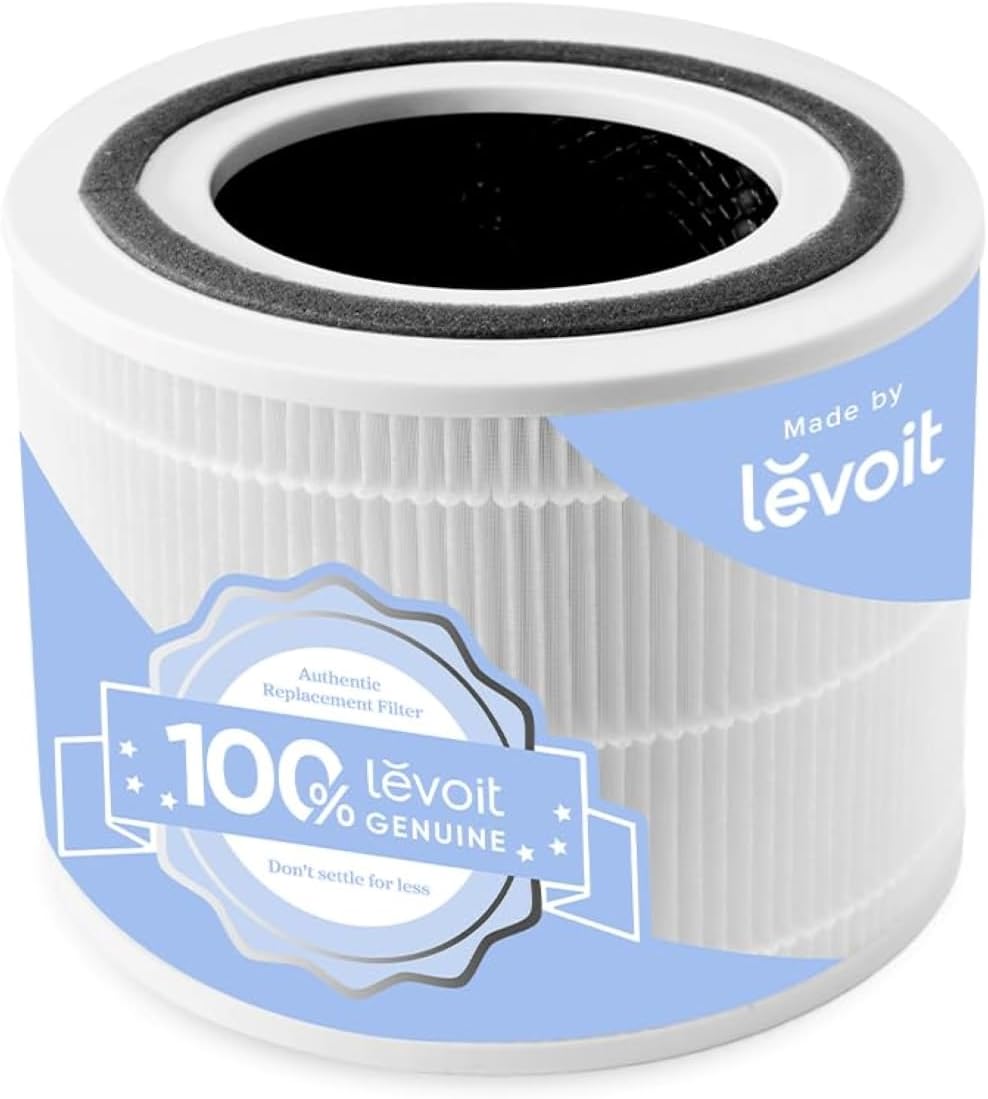
An air purifier is a device designed to remove contaminants from the air within a room or a specific area. It typically employs a fan to draw in air and then passes it through a series of filters that trap airborne particles. These filters are the core of its operation, physically removing pollutants rather than just altering them.
This process effectively captures a wide range of irritants and allergens. By physically trapping these particles, air purifiers provide a tangible reduction in airborne contaminants.
What is an Ionizer?
An ionizer, also known as an electrostatic precipitator or negative ion generator, works by releasing negatively charged ions into the air. These ions attach themselves to airborne particles like dust, pollen, and smoke. This process causes the particles to become heavier and either fall to the ground or stick to surfaces.
Some ionizers also have plates that collect these charged particles. This method aims to remove pollutants without relying on physical filters, though it has its own set of considerations.
Key Difference: How They Clean the Air
The fundamental difference between an air purifier and an ionizer lies in their core mechanism for cleaning air. Air purifiers use physical filters to capture and remove pollutants, while ionizers use electrical charges to alter the state of pollutants.
Think of it like this: an air purifier is like a sieve catching tiny particles, whereas an ionizer is like a magnet attracting them. This difference in approach leads to distinct advantages and disadvantages for each type of device.
Air Purifiers: The Power of Filtration
Air purifiers are celebrated for their robust filtration systems. The most common and effective type utilizes High-Efficiency Particulate Air (HEPA) filters, which are designed to capture at least 99.97% of airborne particles 0.3 microns in size. This includes common allergens like dust mites, pollen, pet dander, and mold spores.
Beyond HEPA filters, many air purifiers incorporate activated carbon filters to adsorb odors and volatile organic compounds (VOCs) from sources like cleaning products and furniture. This multi-stage approach ensures a comprehensive cleaning of the air you breathe.
How Air Purifiers Work
1. Air Intake: A fan draws ambient air into the purifier.
2. Pre-filter: Catches larger particles like hair and lint, extending the life of the main filters.
3. HEPA Filter: Captures microscopic particles such as dust, pollen, pet dander, and mold spores.
4. Activated Carbon Filter: Adsorbs odors, gases, and VOCs.
5. Clean Air Outlet: Purified air is released back into the room.
This systematic process ensures that pollutants are physically removed from the air. The captured particles are then contained within the filter, preventing them from recirculating.
Benefits of Air Purifiers
Effective Particle Removal: HEPA filters are highly efficient at capturing microscopic allergens and irritants.
Odor and Gas Reduction: Activated carbon filters tackle unpleasant smells and harmful VOCs.
Ozone-Free Operation: Most high-quality air purifiers do not produce ozone, making them safe for sensitive individuals.
Tangible Results: You can often see the accumulated dust and debris on the filters, providing visual proof of their work.
The physical removal of pollutants by air purifiers offers a direct and measurable improvement in air quality. This makes them a preferred choice for individuals with allergies, asthma, or other respiratory sensitivities.
Drawbacks of Air Purifiers
Filter Replacement Costs: HEPA and carbon filters need regular replacement, which can add to the ongoing cost of ownership.
Maintenance Required: Filters need to be checked and replaced periodically to maintain optimal performance.
Noise Levels: The fan operation can sometimes produce a noticeable noise, especially on higher settings.
Energy Consumption: Larger units or those with multiple fan speeds can consume more electricity.
Despite these drawbacks, the effectiveness of air purifiers in removing a broad spectrum of airborne contaminants is a significant advantage. Understanding the maintenance needs is key to maximizing their benefits.
Ionizers: The Electrical Approach
Ionizers operate on a different principle, using electricity to create ions. These negatively charged particles are then released into the air. When these ions encounter positively charged particles (which many airborne contaminants are), they neutralize the charge.
This neutralization process causes particles to clump together and fall out of the air. Some ionizers are designed with collection plates that attract these neutralized particles.
How Ionizers Work
1. Electrical Discharge: The ionizer uses high voltage to create a corona discharge.
2. Ion Emission: This discharge releases negatively charged ions into the air.
3. Particle Neutralization: Ions attach to airborne particles, altering their electrical charge.
4. Particle Aggregation/Collection: Particles may clump together and fall, or be attracted to collection plates.
The effectiveness of this method can vary, and it’s important to be aware of potential byproducts.
Benefits of Ionizers
No Filters to Replace: Many ionizers do not require filter replacements, potentially lowering long-term costs.
Quiet Operation: Without a fan to push air through filters, many ionizers operate very quietly.
Compact Size: Ionizers can often be smaller and more portable than traditional air purifiers.
Odor Neutralization: They can sometimes help neutralize odors by altering the chemical composition of odor-causing molecules.
The lack of filter maintenance and quiet operation are attractive features for many users. However, their cleaning efficacy and safety are subjects of greater scrutiny.
Drawbacks of Ionizers
Ozone Production: A significant concern with ionizers is their potential to produce ozone as a byproduct. Ozone is a lung irritant and can worsen respiratory conditions. The U.S. Food and Drug Administration (FDA) has guidelines for ozone emissions from such devices.
Limited Particle Capture: They don’t physically remove particles from the air; they merely alter their state, leading to them settling on surfaces. This means dust and allergens can accumulate on furniture and floors.
Effectiveness Varies: Their ability to clean the air effectively, especially for microscopic particles, can be less consistent than HEPA filters.
Surface Contamination: The particles that fall to the ground still need to be cleaned up.
The potential for ozone production is a critical drawback that users must consider, especially those with respiratory sensitivities.
The Ozone Concern: A Critical Distinction
One of the most significant differences between air purifier and ionizer technology, and a major point of concern for consumers, is ozone production. While some ionizers can produce ozone, most modern HEPA air purifiers are designed to be ozone-free. For individuals with asthma or other respiratory issues, avoiding ozone is paramount.
The U.S. Environmental Protection Agency (EPA) advises that ozone is a lung irritant and that air purifiers that intentionally produce ozone are not recommended. Always check product specifications and certifications for ozone emission levels.
Comparing Air Purifiers and Ionizers: A Side-by-Side Look
To better understand the difference between air purifier and ionizer, let’s compare them directly across key features:
| Feature | Air Purifier (HEPA) | Ionizer |
| :—————— | :———————————————— | :——————————————————- |
| Primary Method | Physical filtration (HEPA, Carbon filters) | Electrical charge to neutralize/agglomerate particles |
| Particle Removal| Highly effective; traps particles in filters | Less effective; particles fall to surfaces or collect on plates |
| Ozone Production| Typically ozone-free | Can produce ozone as a byproduct |
| Filter Replacement| Required periodically (ongoing cost) | Generally not required |
| Maintenance | Filter replacement, occasional unit cleaning | Occasional cleaning of collection plates (if applicable) |
| Noise | Can vary, often noticeable on higher settings | Generally very quiet |
| Suitability | Best for allergies, asthma, general air cleaning | May be suitable for odor reduction, but with caution |
| Cost | Higher initial cost, ongoing filter costs | Lower initial cost, no filter replacement costs |
This table highlights that while ionizers offer simplicity, air purifiers provide a more comprehensive and safer approach to air cleaning for most households.
When to Choose an Air Purifier
You should opt for a dedicated air purifier, especially one with a HEPA filter, if your primary concern is removing allergens, dust, pollen, pet dander, mold spores, and other microscopic particles from your home. They are particularly beneficial for:
Individuals suffering from allergies or asthma.
Homes with pets.
Areas prone to high levels of dust or pollution.
Families with young children or elderly members.
The physical capture of pollutants by HEPA filters offers a direct and reliable way to improve indoor air quality for sensitive individuals.
When an Ionizer Might Be Considered (with Caution)
Ionizers might be considered for very specific, minor issues, such as a slight reduction in ambient odors where ozone production is not a significant concern. However, given the potential health risks associated with ozone, it’s often wiser to use an air purifier with an activated carbon filter for odor control.
If you are considering an ionizer, look for models that are certified by reputable organizations to produce minimal to no ozone. Even then, it’s wise to use them in well-ventilated areas and monitor for any respiratory irritation.
Hybrid Devices: The Best of Both Worlds?
Many modern air treatment devices combine technologies to offer a more comprehensive solution. You’ll find units that feature HEPA and activated carbon filters along with an ionizer function. These hybrid devices aim to leverage the strengths of each technology.
When evaluating hybrid units, pay close attention to the ionizer component. Ideally, it should have an option to turn the ionizer function off, allowing you to use the HEPA and carbon filtration without the potential risks of ozone. This provides flexibility and ensures you can prioritize safe air purification.
Choosing the Right Device for Your Home
When making your decision on the difference between air purifier and ionizer, consider your specific needs and sensitivities. For most people seeking to improve overall indoor air quality and alleviate allergy symptoms, a HEPA air purifier is the superior choice.
Prioritize devices that are certified by independent organizations like the Association of Home Appliance Manufacturers (AHAM) or Energy Star for performance and safety. These certifications ensure the device meets rigorous standards for effectiveness and energy efficiency.
Understanding CADR and Room Size
When selecting an air purifier, look for its Clean Air Delivery Rate (CADR) rating. This metric, established by AHAM, indicates how quickly a purifier can clean the air in a specific room size. Higher CADR numbers mean faster and more effective air purification.
Always match the purifier’s CADR to the square footage of the room you intend to use it in. Using an undersized unit will lead to less effective air cleaning, regardless of the technology used.
Frequently Asked Questions (FAQ)
Can ionizers replace air purifiers?
No, ionizers generally cannot fully replace air purifiers. While they can neutralize some airborne particles, they don’t physically remove them from the air and can produce harmful ozone. Air purifiers with HEPA filters offer more comprehensive and safer air cleaning.
Are ionizers safe to use around children and pets?
This is a significant concern. Many ionizers produce ozone, which is a lung irritant and can be harmful to children and pets, who are more sensitive to air pollutants. It’s generally safer to opt for ozone-free air purifiers.
How do I know if an air purifier produces ozone?
Look for certifications from reputable organizations like CARB (California Air Resources Board) or UL that specifically state the device is ozone-free. Always check the product’s specifications and manufacturer claims carefully.
Which is better for allergies: an air purifier or an ionizer?
An air purifier with a HEPA filter is significantly better for allergies. It physically captures allergens like pollen, dust mites, and pet dander, removing them from the air you breathe. Ionizers may cause particles to settle, but they don’t remove them and can irritate airways.
Do ionizers clean the air effectively?
Their effectiveness is debated and often less consistent than HEPA filters. Ionizers can help reduce the number of airborne particles by making them heavier, but they don’t eliminate them and can lead to surface dust buildup.
Can I use an air purifier and an ionizer together?
You can, but it’s often unnecessary and potentially counterproductive if the ionizer produces ozone. If you have a hybrid device, it’s best to use the HEPA filtration and have the option to disable the ionizer.
Conclusion
Understanding the difference between air purifier and ionizer is key to making an informed choice for your home’s air quality. While ionizers offer simplicity and quiet operation, their potential for ozone production and less effective particle removal makes them a less ideal choice for most health-conscious consumers.
For robust, safe, and comprehensive air cleaning, especially if you or your family members suffer from allergies or respiratory issues, a high-quality air purifier equipped with a HEPA filter and an activated carbon filter is the recommended solution. Prioritize devices that are ozone-free and certified for performance to ensure you’re investing in truly cleaner air for your living space. Invest in your health by choosing wisely.