
Can We Use AC and Air Purifier Together? Essential Guide

Yes, you can effectively use your AC and air purifier together for superior indoor air quality. This guide explores the benefits, potential drawbacks, and best practices for maximizing comfort and health.
Breathing clean air at home is crucial, especially when managing allergies, asthma, or simply seeking a healthier living environment. Many of us rely on air conditioners (ACs) for cooling and dehumidifying our homes, while air purifiers are designed to remove airborne contaminants. This leads to a common question: can we use AC and air purifier together? The answer is a resounding yes, and understanding how to do it optimally can significantly enhance your home’s air quality and your overall well-being. This guide will walk you through everything you need to know.
Why Combining AC and Air Purifiers Makes Sense
Using your air conditioner and air purifier simultaneously is a smart strategy for achieving the best possible indoor air quality. AC units primarily focus on temperature control and reducing humidity, which can indirectly affect air quality by preventing mold growth. Air purifiers, on the other hand, actively target and remove pollutants like dust, pollen, pet dander, and volatile organic compounds (VOCs). When used together, they create a comprehensive system for a healthier home environment.
How Air Conditioners Impact Indoor Air Quality
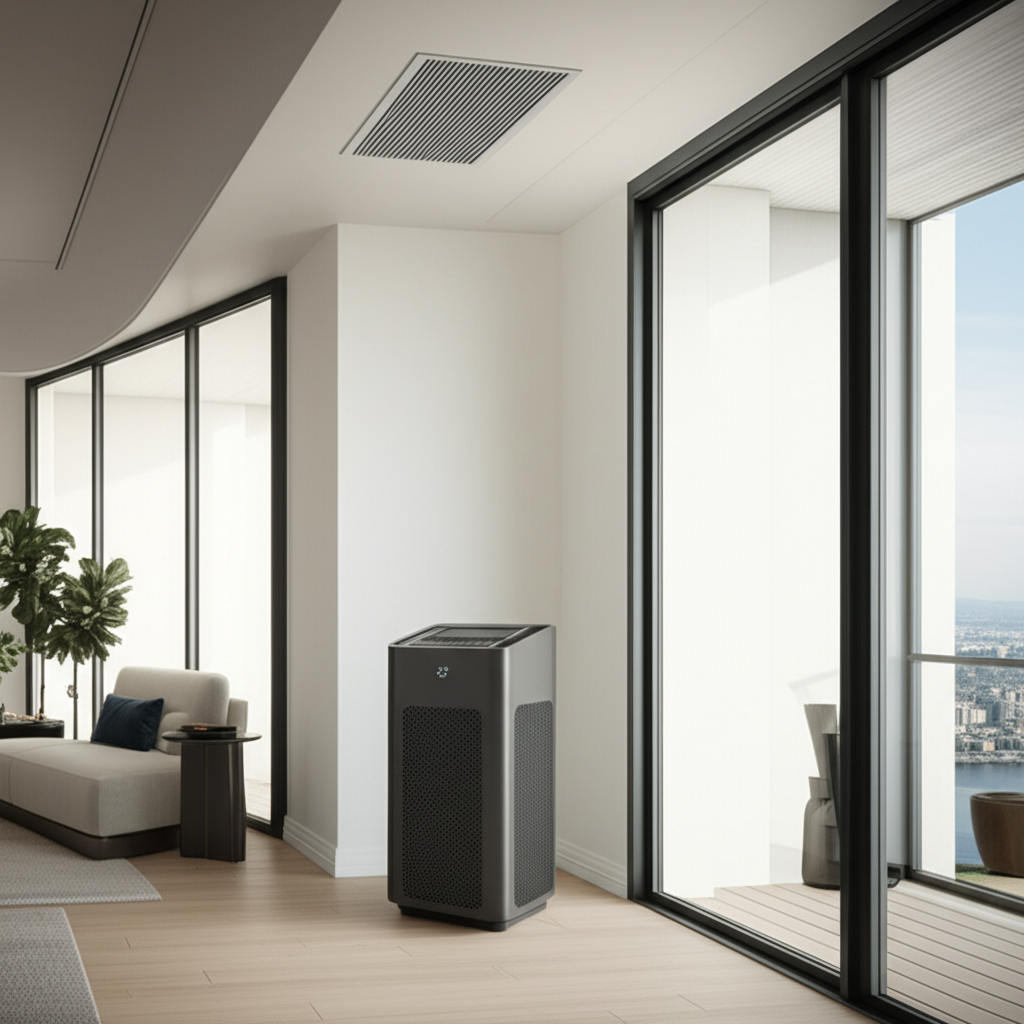
Air conditioners cool and dehumidify the air, which can be beneficial for reducing allergens like dust mites and mold spores that thrive in humid conditions. However, ACs can also recirculate indoor air, potentially spreading pollutants if not properly maintained. Regular cleaning of AC filters is essential to prevent them from becoming a source of contamination themselves.
The Role of Air Purifiers in Your Home Ecosystem
Air purifiers are specifically engineered to capture microscopic particles that AC units typically do not address. They employ various filtration technologies, such as HEPA filters, activated carbon, and UV-C light, to remove a wide spectrum of airborne irritants. By actively cleaning the air, purifiers complement the cooling and dehumidifying functions of your AC, offering a more complete solution for respiratory health.
Synergistic Benefits of Using AC and Air Purifier Together
When your AC and air purifier work in tandem, they create a synergistic effect that significantly improves your home’s air quality. Your AC manages the climate, making the environment more comfortable and less conducive to certain allergens, while your air purifier diligently removes pollutants from the air that is being circulated. This dual approach tackles both environmental comfort and air purity.
Enhanced Allergen and Pollutant Removal
The combination allows for more effective removal of airborne allergens like pollen, dust, and pet dander. While your AC might circulate air, your air purifier captures these irritants before they can settle or be re-inhaled. This is particularly beneficial for individuals suffering from allergies or asthma, providing much-needed relief.
Improved Humidity Control and Reduced Mold Growth
ACs are excellent at dehumidifying the air, which is critical for preventing mold and mildew. Mold spores are common indoor allergens that can exacerbate respiratory issues. By keeping humidity levels in check, your AC creates an environment less favorable for mold, and your air purifier can capture any existing spores.
Overall Air Freshening and Odor Reduction
Many modern air purifiers, especially those with activated carbon filters, excel at neutralizing odors from cooking, pets, or VOCs. While your AC circulates air, the purifier actively cleanses it of unpleasant smells, contributing to a fresher and more inviting atmosphere. This dual action ensures both a comfortable temperature and pleasant-smelling air.
Potential Considerations and Best Practices
While using both appliances is generally beneficial, there are a few things to keep in mind to ensure optimal performance and avoid potential issues. Proper placement, maintenance, and understanding how each unit functions are key to maximizing their combined effectiveness.
Placement Strategies for Maximum Airflow
The placement of your air purifier is crucial for efficient operation. Ideally, position your air purifier away from walls and furniture to allow for unobstructed airflow. If you’re using both in the same room, ensure they are not directly competing for air or creating turbulent airflow that could hinder particle capture. Placing the air purifier near where you spend most of your time can offer the most direct benefit.
Optimizing AC Filter Maintenance
A dirty AC filter can recirculate dust, mold spores, and other contaminants, negating the benefits of both your AC and air purifier. Regularly check and clean or replace your AC filters according to the manufacturer’s recommendations, typically every 1-3 months. This ensures your AC is circulating clean air and not adding to indoor pollution.
Understanding Airflow and Circulation
Both your AC and air purifier rely on proper airflow to function effectively. Ensure your AC’s vents are not blocked and that your air purifier has adequate space around it. Some advanced air purifiers have smart sensors that adjust their fan speed based on air quality, complementing the constant circulation provided by your AC.
Can Air Purifiers Work with Window AC Units?
Yes, air purifiers can certainly work alongside window AC units. Window ACs, like central AC systems, circulate indoor air. A strategically placed air purifier can effectively clean this circulating air, removing particles that the AC’s filter might miss or recirculate. The key is to ensure both devices have proper ventilation and aren’t directly impeding each other’s function.
Benefits for Smaller Spaces
In smaller rooms or apartments where a window AC is the primary cooling source, an air purifier can be particularly impactful. It acts as a dedicated air cleaning system, ensuring that the air being cooled and circulated is also being purified of allergens and pollutants. This creates a much healthier micro-environment.
Considerations for Noise Levels
Some window AC units can be quite noisy, and adding an air purifier might increase the overall ambient sound. Many modern air purifiers offer quiet modes or sleep settings that can minimize noise disruption, especially during the night. It’s worth checking the decibel ratings of both appliances when making purchasing decisions.
Air Purifier Settings and AC Modes
When using both appliances, consider how their settings interact. For instance, if your AC is set to a fan-only mode, your air purifier will be working on the air that is being circulated without cooling. If your AC is actively cooling and dehumidifying, the air purifier continues its task of removing particles from this conditioned air.
Fan vs. Cool Mode with an Air Purifier
In “Fan” mode, your AC circulates air without cooling or dehumidifying. In this scenario, your air purifier is essential for cleaning the air being moved around. When your AC is in “Cool” mode, it’s actively conditioning the air. Your air purifier then cleans this cooled and dehumidified air, providing a dual benefit.
Auto Mode Considerations
Many ACs and air purifiers have “Auto” modes that adjust settings based on sensor readings. Using auto modes on both can create a dynamic system where your AC manages temperature and humidity, while your air purifier ramps up when it detects increased particle levels. This can be highly efficient and convenient.
Choosing the Right Air Purifier for Your Needs
Selecting the appropriate air purifier to complement your AC is important for achieving the desired air quality improvements. Consider the size of your room, the specific pollutants you want to target, and the type of filtration system that best suits your needs.
HEPA Filters: The Gold Standard
High-Efficiency Particulate Air (HEPA) filters are designed to capture at least 99.97% of airborne particles 0.3 microns in size. This includes common allergens like dust, pollen, mold spores, and pet dander. A HEPA filter is a cornerstone for any effective air purifier.
Activated Carbon Filters for Odors and VOCs
Activated carbon filters are excellent at adsorbing gases, odors, and volatile organic compounds (VOCs) that HEPA filters cannot capture. If you’re concerned about cooking smells, pet odors, or chemicals off-gassing from furniture, an air purifier with a substantial activated carbon filter is highly recommended.
Other Filtration Technologies
Beyond HEPA and activated carbon, some air purifiers utilize UV-C light to kill bacteria and viruses, or ionizers to charge particles, making them easier to capture. While these can offer additional benefits, it’s important to ensure ionizers don’t produce ozone, which can be an irritant. Always research the specific technologies used.
Troubleshooting Common Issues
Even with the best intentions, you might encounter minor issues when using your AC and air purifier together. Most are easily resolved with simple adjustments or maintenance.
Uneven Air Circulation
If you notice that air circulation feels uneven, it might be due to the placement of your appliances. Try repositioning your air purifier or adjusting your AC’s vent direction. Ensure that neither device is creating a strong direct airflow that pushes air away from the other.
Increased Energy Consumption
Running both appliances simultaneously will naturally increase energy consumption. To mitigate this, consider using your air purifier on a lower fan setting when possible, or utilize the auto modes to optimize energy use. Ensure your AC is also running efficiently by cleaning its filters regularly.
Air Purifier Not Seeming Effective
If your air purifier doesn’t seem to be making a difference, check its filter status. A clogged filter will significantly reduce its effectiveness. Also, ensure the unit is appropriately sized for your room and that it’s placed for optimal airflow.
Frequently Asked Questions (FAQ)
Q1: Can running an AC and an air purifier at the same time increase my electricity bill?
A1: Yes, running two electrical appliances will consume more power than running just one. However, the increase depends on the energy efficiency ratings of both your AC and air purifier, as well as how you use them (e.g., fan speeds, run times).
Q2: Is it better to run the air purifier when the AC is on or off?
A2: For maximum benefit, it’s often best to run them concurrently. The AC circulates air, giving the purifier more air to clean. However, running the purifier even when the AC is off can still improve air quality, especially if the AC unit itself is a source of dust.
Q3: Should I place the air purifier near the AC unit?
A3: Placement depends on your room layout. Ideally, place the air purifier where it can draw in air from the room and expel clean air effectively. Avoid placing it directly in the path of the AC’s outgoing air, which might create too much turbulence.
Q4: Will an air purifier help with the smell of my AC?
A4: If your AC has a musty smell, it’s likely due to mold or mildew buildup in the unit or ductwork. While an air purifier with an activated carbon filter can help neutralize odors, it’s crucial to address the source by cleaning your AC unit.
Q5: What is the best type of air purifier to use with an AC?
A5: A HEPA air purifier is generally recommended, as it captures fine particles that ACs may not. If odors or VOCs are a concern, choose one with a substantial activated carbon filter as well.
Q6: Can I use an air purifier in a room with a portable AC unit?
A6: Absolutely. Portable AC units also circulate indoor air, and an air purifier can effectively clean this air. Ensure the portable AC has proper ventilation, and position the air purifier to maximize its cleaning potential within the room.
Conclusion
Ultimately, the question of can we use AC and air purifier together? is answered with a confident yes. By understanding how these two essential home appliances can complement each other, you can create a significantly healthier and more comfortable indoor environment. Your AC manages temperature and humidity, while your air purifier diligently removes airborne pollutants. By following best practices for placement, maintenance, and settings, you can maximize the benefits of both, leading to cleaner air, fewer allergens, and a more pleasant living space. Investing in both a well-maintained AC and an effective air purifier is a powerful step towards a healthier home.
