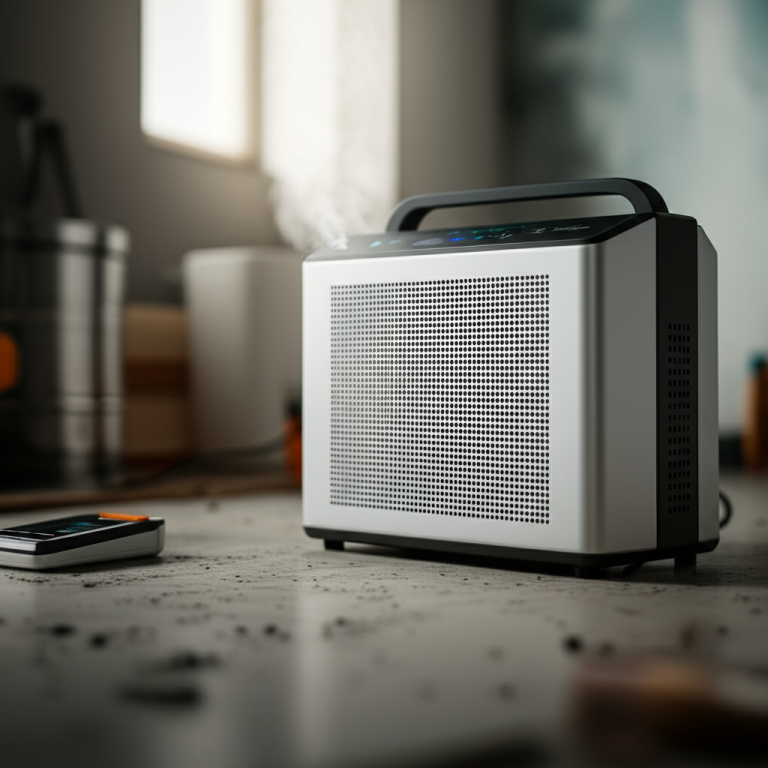
Can You Buy an Air Purifier With an HSA Card? Essential Guide

Yes, you can typically buy an air purifier with an HSA card, as it’s often considered a qualifying medical expense due to its benefits for respiratory health. This guide breaks down the IRS rules, how to use your HSA, and what to look for to ensure your purchase is eligible.
Breathing cleaner air at home is becoming a priority for many, especially those with allergies or respiratory conditions. You might be wondering if that essential air purifier can be purchased using your Health Savings Account (HSA) card. It’s a common question, and the answer can significantly impact your budget for improving your home’s air quality. This guide will walk you through everything you need to know about using your HSA for an air purifier, making the process clear and stress-free.
Is an Air Purifier a Qualified Medical Expense for HSA?
An air purifier is generally considered a qualified medical expense for HSA purposes if it’s used to alleviate a specific medical condition. The IRS allows HSA funds to be used for medical care, which includes items that treat or prevent disease. For air purifiers, this often relates to improving indoor air quality for individuals with asthma, allergies, or other respiratory ailments.
The key is demonstrating a medical necessity. If your doctor recommends an air purifier to help manage a diagnosed condition, its purchase becomes much more likely to be eligible. This medical recommendation provides the necessary documentation to support your HSA claim.
Understanding IRS Guidelines for HSA Purchases
The Internal Revenue Service (IRS) defines qualified medical expenses broadly, but there are specific rules. Generally, expenses must be primarily for medical care. For an air purifier, this means it should be used to treat, diagnose, cure, mitigate, or prevent a disease or physical condition.
It’s important to keep detailed records. This includes receipts and any documentation from your healthcare provider that links the air purifier to your medical condition. These records are crucial if your HSA administrator requests verification.
How to Use Your HSA Card for an Air Purifier
Using your HSA card is similar to using any other debit or credit card. When you purchase an eligible item like an air purifier, you can simply swipe your card at checkout. The funds are then deducted directly from your HSA balance.
If the merchant doesn’t accept HSA cards directly, you can pay out-of-pocket and then submit a reimbursement claim to your HSA administrator. Ensure you have all the necessary documentation ready for this process. This often involves filling out a claim form and attaching your receipt.
When an Air Purifier is Clearly an Eligible HSA Expense
An air purifier is most clearly an eligible HSA expense when prescribed or recommended by a physician for a specific medical condition. This could include asthma, chronic bronchitis, severe allergies, or other respiratory issues where air quality is a significant factor in managing the illness.
For example, if a doctor advises you to use an air purifier to reduce airborne allergens like dust mites, pollen, or pet dander that exacerbate your asthma symptoms, this recommendation serves as strong evidence. This proactive approach to health management is precisely what HSAs are designed to support.
What if an Air Purifier Isn’t Directly Prescribed?
If you don’t have a direct prescription but still believe an air purifier is medically necessary, you may need to gather supporting documentation. This could include letters from your doctor detailing your condition and why cleaner air would be beneficial. You might also collect data on indoor air quality and its impact on your health.
The burden of proof often falls on the account holder. Having a comprehensive file demonstrating the medical need will be essential for justifying the expense if questioned by your HSA administrator. This proactive documentation can save you from potential issues later on.
Commonly Eligible Air Purifier Features for HSA
When purchasing an air purifier with your HSA, focus on models with features that directly address respiratory health. HEPA filters are a prime example, as they are highly effective at removing airborne particles like dust, pollen, and pet dander, which are common triggers for allergies and asthma.
Other features that might support eligibility include activated carbon filters for odor and VOC removal, and UV-C light for germicidal purification. Ensure the product description clearly states its ability to improve air quality and mitigate specific health concerns.
Potential Reasons an Air Purifier Might Be Denied as an HSA Expense
An air purifier might be denied as an HSA expense if it’s deemed a general home improvement or comfort item rather than a medical necessity. If the purchase is not tied to a diagnosed medical condition or a physician’s recommendation, your HSA administrator may flag it as ineligible.
Purchasing a unit solely for general air freshening or odor elimination without a documented health-related reason could also lead to denial. The IRS rules emphasize that the primary purpose must be medical.
Alternatives if Your Air Purifier Purchase is Denied
If your air purifier purchase isn’t approved, explore other options for financing your purchase. You could use funds from a flexible spending account (FSA) if your employer offers one, as FSA rules are often similar. Alternatively, consider looking for sales or using a payment plan if available from the retailer.
Some people also find success in discussing their situation with their HSA administrator to understand specific criteria or documentation requirements. Building a strong case with medical evidence is always the best approach.
Key Considerations When Buying an Air Purifier with HSA
When selecting an air purifier for HSA purchase, prioritize models that clearly state their medical benefits, particularly for respiratory issues. Look for certifications like those from the Asthma and Allergy Foundation of America (AAFA) or Energy Star. These can sometimes bolster your claim.
Ensure the air purifier has a True HEPA filter, which captures at least 99.97% of airborne particles 0.3 microns in size. This level of filtration is crucial for effectively removing allergens and irritants that can impact respiratory health.
Frequently Asked Questions (FAQ)
Q1: Can I use my HSA card to buy replacement filters for my air purifier?

Yes, replacement filters for an HSA-approved air purifier are typically considered eligible expenses. They are necessary to maintain the medical effectiveness of the device.
Q2: Do I need a prescription to buy an air purifier with my HSA?
While a prescription or doctor’s recommendation significantly strengthens your claim, it’s not always strictly mandatory. However, you must be able to demonstrate a medical necessity for the purchase.
Q3: What if I buy an air purifier for general home use, not a specific condition?
Purchasing an air purifier solely for general home use or comfort, without a documented medical necessity, is unlikely to be an eligible HSA expense and may be denied.
Q4: Are all brands of air purifiers eligible for HSA purchase?
Eligibility is based on the use of the air purifier, not the brand. However, brands that focus on medical benefits and have features like True HEPA filters are generally better candidates.
Q5: Where can I find an air purifier that is likely HSA eligible?
Look for air purifiers specifically marketed for allergy and asthma relief, featuring True HEPA filters and often certified by relevant health organizations.
Q6: What documentation do I need to keep for my HSA air purifier purchase?
Keep your original receipt and any documentation from your doctor recommending the air purifier for your specific medical condition.
Conclusion
Navigating the specifics of HSA eligibility can seem complex, but with the right information, it’s manageable. For those seeking to improve their home’s air quality due to allergies, asthma, or other respiratory conditions, purchasing an air purifier with your HSA card is often a viable and beneficial option. Remember to focus on medical necessity, gather supporting documentation, and understand your HSA administrator’s guidelines. By doing so, you can confidently use your HSA funds to create a healthier living environment and breathe easier.