Can Plants Replace Air Purifier? Proven Health Benefits

While houseplants offer some air purification, they cannot fully replace dedicated air purifiers for significant air quality improvement. However, they bring unique proven health benefits to your home environment.
Breathing clean air is crucial for our well-being, yet indoor air can often be more polluted than outdoor air. Many people wonder if the lush greenery they bring into their homes can also clean their air. This is a common concern for anyone looking to create a healthier living space. Let’s explore whether plants can truly replace air purifiers and uncover the surprising health benefits they offer.
Can Plants Replace Air Purifiers? The Science Behind the Green Filter
The idea that plants can purify air is a compelling one, especially given their natural processes. However, the effectiveness of plants in removing indoor air pollutants is a topic with scientific nuances. Understanding these nuances is key to setting realistic expectations for your indoor greenery.
Plants absorb carbon dioxide and release oxygen through photosynthesis, a fundamental process for life. This exchange is vital for air freshness, but it differs significantly from the mechanical filtration offered by air purifiers. While plants do absorb some volatile organic compounds (VOCs), their capacity is limited in typical home environments.
The NASA Clean Air Study: A Closer Look
The widely cited NASA Clean Air Study, conducted in the 1980s, investigated the ability of houseplants to remove common indoor air toxins like benzene, formaldehyde, and trichloroethylene. This research sparked the popular notion that plants are potent air cleaners. The study was performed in sealed chambers, which differ greatly from real-world living spaces.
The study identified several effective plants, including the Spider Plant, Snake Plant, and Peace Lily. These plants demonstrated a capability to reduce specific pollutants under controlled laboratory conditions. However, the air exchange rate in a typical home is much higher than in these sealed environments, meaning pollutants are diluted and removed much faster by ventilation.
How Plants Improve Indoor Air Quality (The Nuance)
While plants may not be a complete substitute for air purifiers, they contribute to indoor air quality in several ways. Their role is more supportive and holistic than a direct, high-capacity filtration system. Their impact is subtle but significant for creating a healthy atmosphere.
Plants can absorb certain airborne toxins through their leaves and roots. They also release moisture into the air, which can help combat dryness, especially in heated homes during winter. This increased humidity can make the air feel fresher and more comfortable.
Volatile Organic Compounds (VOCs) and Plant Power
VOCs are common pollutants found in many household items, from paints and cleaning products to furniture and air fresheners. Exposure to high levels of VOCs can cause headaches, dizziness, and respiratory irritation. Plants can indeed break down some of these compounds, but the rate is slow.
For instance, a Snake Plant (Sansevieria trifasciata) is known for its ability to absorb VOCs like formaldehyde. However, to achieve the same air purification effect as a standard HEPA air purifier, you would need an impractical number of plants. Think hundreds, not just a few potted friends.
The Role of Soil Microbes in Air Purification
Beyond the plant itself, the soil and its microbial communities play a crucial role in breaking down airborne toxins. These microbes, living in the potting soil, can metabolize certain pollutants that land on the soil surface or are absorbed by the plant’s roots. This symbiotic relationship is an often-overlooked aspect of plant-based air purification.
The soil acts as a secondary filter, enhancing the plant’s ability to clean the air. Studies have shown that the effectiveness of a plant in removing VOCs is significantly influenced by the health and composition of its soil microbiome. This highlights the importance of good potting practices.
Comparing Plants vs. Air Purifiers: A Practical Look
When considering air quality solutions, it’s helpful to compare the capabilities of plants and mechanical air purifiers directly. Each offers distinct advantages and limitations for the home environment. Understanding these differences will help you make informed choices for your specific needs.
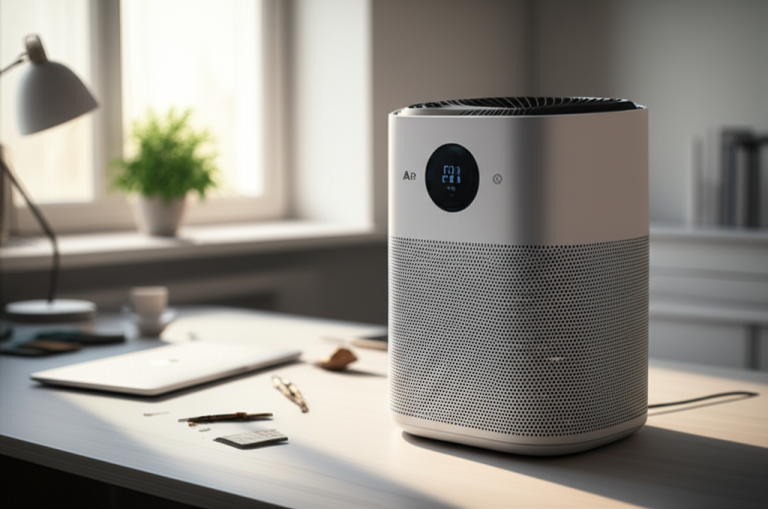
Air purifiers, particularly those with HEPA filters, are designed to capture a wide range of airborne particles, including dust, pollen, pet dander, and mold spores. They are highly effective at removing these allergens and irritants from the air. Their performance is measurable and consistent.
Key Differences at a Glance
Here’s a quick comparison to illustrate the distinct roles of plants and air purifiers:
| Feature | Houseplants | Air Purifiers (HEPA) |
|---|---|---|
| Primary Function | Oxygen production, CO2 absorption, aesthetic, humidity | Particle and pollutant removal |
| Pollutant Removal | Limited, slow absorption of some VOCs | High efficiency for particles, some VOCs with activated carbon |
| Speed of Action | Slow, dependent on plant size and number | Fast, continuous operation |
| Maintenance | Watering, sunlight, repotting | Filter replacement, cleaning |
| Energy Consumption | Minimal (sunlight) | Electrical power |
As you can see, air purifiers offer a more direct and powerful solution for particle removal. Plants, while beneficial, operate on a different, gentler scale.
Proven Health Benefits of Houseplants Beyond Air Purification
Even if plants can’t replace your air purifier, they offer a wealth of scientifically proven health benefits that enhance your living environment. These advantages contribute significantly to overall well-being and can create a more calming and productive atmosphere. I’ve found my own mood lifts considerably when surrounded by greenery.
Studies have shown that the presence of plants can reduce stress levels and improve mood. Their natural beauty and connection to nature can have a restorative effect on our mental health. This biophilic connection is deeply ingrained in us.
Stress Reduction and Mood Enhancement
Interacting with plants or simply being in their presence has been linked to lower blood pressure and heart rate. The act of caring for plants can also be a mindful activity, promoting relaxation and reducing feelings of anxiety. This is why many therapists incorporate horticultural therapy.
Researchers have observed that hospital patients with plants in their rooms often report less pain and anxiety, and require less pain medication. This demonstrates the tangible psychological impact of greenery. It’s a gentle, natural way to boost your spirits.
Increased Productivity and Creativity
For those working or studying at home, plants can be valuable allies. Their presence in workspaces has been shown to boost productivity, improve concentration, and foster creativity. A study by the University of Exeter found that employees were 15% more productive when plants were introduced into their workplaces.
The subtle visual stimulation and sense of calm provided by plants can help clear the mind and encourage innovative thinking. They create a more pleasant and engaging environment. It’s a simple addition that can make a big difference in your daily output.
Improved Sleep Quality
While not directly related to air purification, some plants can contribute to a better sleep environment. Plants like Lavender and Jasmine are known for their calming scents, which can promote relaxation and improve sleep quality. These aromatic benefits are a wonderful bonus.
Certain plants, like the Snake Plant, continue to release oxygen at night, which can be beneficial for bedroom air. While the amount of oxygen released is small, it contributes to a fresher feel. A well-oxygenated room is conducive to restful sleep.
Choosing the Right Plants for Your Home
If you’re looking to bring the benefits of houseplants into your home, selecting the right varieties is important. Consider your living conditions, such as light availability and your ability to care for them. Some plants are more forgiving than others.
For beginners, low-maintenance plants are an excellent starting point. These plants tolerate a range of conditions and don’t require constant attention. They are perfect for those new to plant care or with busy schedules.
Top Plants for Air Quality and Well-being
Here are some of the best houseplants known for their air-purifying potential and overall health benefits:
Snake Plant (Sansevieria trifasciata): Excellent for removing formaldehyde, benzene, and xylene. It also releases oxygen at night.
Spider Plant (Chlorophytum comosum): Effective at removing formaldehyde and xylene. It’s also very easy to grow and propagate.
Peace Lily (Spathiphyllum): Known for removing ammonia, benzene, formaldehyde, and trichloroethylene. It also adds a touch of elegance with its white blooms.
Areca Palm (Dypsis lutescens): A great humidifier and can remove some airborne toxins. It also adds a tropical feel to your space.
English Ivy (Hedera helix): Studies suggest it can reduce airborne fecal matter particles and formaldehyde. It’s a beautiful trailing plant.
Remember to research the specific needs of each plant regarding light, water, and soil. Proper care ensures they thrive and continue to offer their benefits.
When to Consider an Air Purifier Alongside Plants
While plants are wonderful additions, there are situations where a dedicated air purifier becomes essential. If you have significant air quality concerns or specific health needs, an air purifier provides a more robust solution. It’s about augmenting, not necessarily replacing.
For individuals with allergies, asthma, or other respiratory conditions, air purifiers offer a critical layer of protection. They can significantly reduce triggers like dust mites, pollen, and pet dander that plants cannot effectively remove. Your health should always be the priority.
Situations Demanding an Air Purifier
Consider investing in an air purifier if you:
Suffer from allergies or asthma.
Live in an area with high outdoor pollution.
Have pets that shed dander.
Recently renovated or painted, leading to VOCs.
Experience persistent odors in your home.
* Live in a humid environment prone to mold.
In these scenarios, an air purifier complements the natural benefits of plants by providing targeted and efficient air cleaning. It’s a strategic approach to indoor air quality.
Maintaining Your Green Air Allies
To maximize the benefits of your houseplants, proper care is essential. Healthy plants are better equipped to contribute to your home’s environment. This includes ensuring they have the right conditions to thrive.
Ensure your plants receive adequate light, water, and nutrients. Avoid overwatering, which can lead to root rot and unhealthy plants. Regularly dust the leaves, as dust can hinder their ability to absorb light and air.
Conclusion: A Harmonious Blend for Healthier Living
So, can plants replace air purifiers? The scientific consensus suggests that while plants contribute positively to indoor air quality and offer numerous health benefits, they cannot entirely replace the powerful, targeted filtration of an air purifier. Instead, I see them as wonderful partners in creating a truly healthy and vibrant living space.
Embracing both houseplants and air purifiers offers a comprehensive approach to indoor air quality. Plants enhance your environment with natural beauty, stress relief, and subtle air revitalization, while air purifiers provide robust protection against airborne particles and pollutants. Together, they create a more harmonious and health-conscious home.
Frequently Asked Questions
Can plants really clean the air?
Yes, plants can clean the air by absorbing certain pollutants like carbon dioxide and some volatile organic compounds (VOCs) through their leaves and roots. However, their effectiveness in a typical home is limited compared to dedicated air purifiers.
How many plants do I need to purify my air?
To achieve a significant air purification effect comparable to an air purifier, you would need an impractically large number of plants, potentially hundreds, in a standard room.
Are there specific plants that are better at purifying air?
Yes, plants like the Snake Plant, Spider Plant, Peace Lily, and English Ivy have been identified in studies for their ability to absorb specific VOCs.
Can plants help with allergies?
While plants can improve the general atmosphere, they are not effective at removing common allergens like dust mites, pollen, or pet dander, which are best managed by HEPA air purifiers.
Do plants produce oxygen at night?
Most plants primarily take in oxygen and release carbon dioxide at night through respiration. However, plants like the Snake Plant and ZZ Plant perform CAM photosynthesis, allowing them to absorb CO2 and release oxygen during the night, though in small quantities.
Is it better to have plants or an air purifier?
It’s often best to have both. Plants offer aesthetic, mood-boosting, and minor air-quality benefits, while air purifiers provide efficient removal of airborne particles and pollutants, especially for those with respiratory sensitivities.