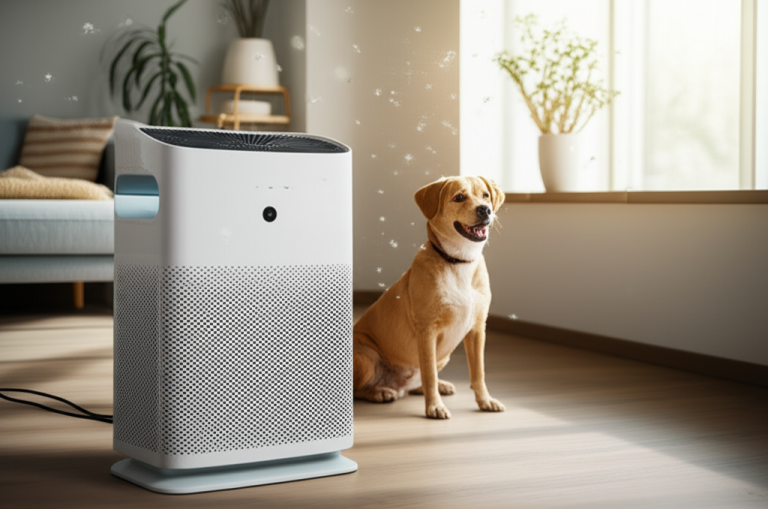
Aircon vs Air Purifier: Essential Guide

Aircon vs air purifier: understand their distinct roles in managing indoor air. While air conditioners cool and dehumidify, air purifiers focus solely on removing airborne pollutants for cleaner, healthier air. This guide helps you choose the right solution for your home’s specific needs.
Have you ever wondered if your air conditioner can also clean the air you breathe? It’s a common question, especially as we spend more time indoors and become increasingly aware of air quality. The confusion between an aircon and an air purifier is understandable, as both devices operate within your home’s environment. However, they serve fundamentally different purposes. I’m here to help you navigate this, ensuring you make informed decisions for a truly comfortable and healthy living space. Let’s break down the aircon vs air purifier debate and clarify what each one truly does.
What is an Air Conditioner (Aircon)?
An air conditioner, commonly known as an aircon, is primarily designed to cool and dehumidify the air within a room or a building. It achieves this by removing heat and moisture from the indoor air and releasing it outside. Think of it as your go-to for beating the heat and creating a more comfortable temperature, especially during warmer months.
Its main function is thermal comfort, making your living or working space more pleasant when the external environment is too hot or humid. While some air conditioners have basic filters, their primary goal is not air purification but rather temperature regulation.
How Air Conditioners Work
Air conditioners operate using a refrigeration cycle. They contain a refrigerant that circulates through a system of coils. In the indoor unit, the refrigerant absorbs heat from the indoor air, cooling it down. This cooled air is then blown back into the room. The now-heated refrigerant travels to the outdoor unit, where it releases the heat into the outside air.
This process also removes moisture from the air, as condensation forms on the cold indoor coils and is drained away. This dehumidifying effect can contribute to a feeling of greater comfort, as high humidity can make warm air feel even hotter and more stifling.
Benefits of Using an Air Conditioner
The most significant benefit of an air conditioner is its ability to provide rapid and effective cooling, transforming an uncomfortably hot space into a cool sanctuary. This enhanced comfort can lead to improved sleep quality and increased productivity. Additionally, the dehumidification feature helps prevent the growth of mold and mildew, which thrive in moist environments.
By controlling the indoor temperature, air conditioners can also help protect sensitive electronics and furniture from heat damage. They offer a crucial respite from oppressive heatwaves, contributing to overall well-being during extreme weather conditions.
Limitations of Air Conditioners Regarding Air Quality
While air conditioners cool and dehumidify, their ability to purify the air is limited. The filters found in most air conditioners are designed to catch larger particles like dust and lint to protect the unit’s internal components. They are not equipped to capture smaller, more harmful airborne pollutants such as allergens, viruses, bacteria, or volatile organic compounds (VOCs).
In fact, if not properly maintained, air conditioner filters can become breeding grounds for mold and bacteria, potentially recirculating these contaminants into your living space. This is a crucial distinction when comparing aircon vs air purifier for health-focused benefits.
What is an Air Purifier?
An air purifier is a device specifically engineered to remove pollutants and contaminants from the air, thereby improving indoor air quality. Its sole focus is to clean the air, making it healthier to breathe. Air purifiers typically employ advanced filtration systems to capture a wide range of airborne particles and gases.
These devices are invaluable for individuals with allergies, asthma, or other respiratory sensitivities, as well as anyone concerned about the general health impacts of poor indoor air. They actively work to create a cleaner, fresher environment within your home.
How Air Purifiers Work
Air purifiers work by drawing in air from the surrounding environment, passing it through a series of filters, and then releasing the cleaner air back into the room. The effectiveness of an air purifier largely depends on the type and quality of its filtration system. Most high-quality air purifiers utilize a multi-stage filtration process.
This often includes a pre-filter for larger particles, an activated carbon filter for odors and gases, and a High-Efficiency Particulate Air (HEPA) filter for fine particles. Some advanced models may also incorporate UV-C light or ionizers to further neutralize airborne contaminants.
Key Features of Effective Air Purifiers
The most critical feature of an air purifier is its filtration system, with HEPA filters being the gold standard for capturing microscopic particles. Look for purifiers that are certified to remove 99.97% of particles as small as 0.3 microns. Activated carbon filters are essential for tackling odors, smoke, and VOCs, while pre-filters extend the life of the main filters.
Other important considerations include the Clean Air Delivery Rate (CADR), which indicates how quickly the unit can purify a room, and the size of the room it is designed for. Features like quiet operation, energy efficiency, and smart controls can also enhance user experience. Brands like Coway, Dyson, and Blueair are known for their advanced purification technologies.
Types of Air Purifier Filters
Air purifiers employ various filter types, each targeting different types of pollutants. The most common and essential is the HEPA filter, which traps tiny particles like dust mites, pollen, pet dander, and mold spores. Activated carbon filters are crucial for adsorbing odors from cooking, pets, and smoke, as well as harmful gases and VOCs.
Pre-filters capture larger particles such as hair and lint, preventing them from clogging the more sensitive filters. Some purifiers also use specialized filters, like those designed to remove formaldehyde or other specific chemicals. Understanding these filter types is key to choosing the right air purifier for your needs.
Aircon vs Air Purifier: The Core Differences
The fundamental difference between an aircon and an air purifier lies in their primary function. An air conditioner’s main job is to control temperature and humidity, making your environment cool and comfortable. An air purifier, on the other hand, is dedicated to removing airborne contaminants like allergens, dust, smoke, and pollutants, thereby improving air quality.
Think of it this way: an air conditioner modifies the air’s physical properties (temperature, moisture), while an air purifier cleanses the air of unwanted substances. While some air conditioners might have basic filters, they are not a substitute for the specialized filtration offered by an air purifier.
Functionality Comparison Table
To clearly illustrate the differences, here’s a table comparing the core functionalities of an aircon and an air purifier:
| Feature | Air Conditioner (Aircon) | Air Purifier |
|---|---|---|
| Primary Function | Cooling and Dehumidifying | Air Purification |
| Removes | Heat and Moisture | Dust, Pollen, Allergens, Smoke, Odors, VOCs, Bacteria, Viruses |
| Improves | Thermal Comfort | Indoor Air Quality |
| Filtration Capability | Basic (larger particles) | Advanced (HEPA, activated carbon, etc.) |
| Energy Consumption | Generally Higher | Generally Lower |
This table highlights that while both devices impact the air in your home, their goals and methods are distinct. Choosing between them, or deciding if you need both, depends on your priorities for your living space.
Impact on Air Quality
An air conditioner’s impact on air quality is indirect. By reducing humidity, it can help inhibit the growth of mold and mildew. However, it does not actively remove airborne particles or gases that contribute to poor air quality. In some cases, if filters are dirty, an air conditioner might even recirculate dust and allergens.
Conversely, an air purifier directly addresses air quality by capturing a wide spectrum of pollutants. A good air purifier can significantly reduce the concentration of allergens, dust, smoke, and even microscopic pathogens in the air, leading to a healthier breathing environment. This is where the true power of an air purifier shines in the aircon vs air purifier discussion for health.
Can an Aircon Replace an Air Purifier?
No, an air conditioner cannot replace an air purifier. While both devices are found in homes and affect the air, their core functionalities are entirely different. An aircon’s primary role is temperature and humidity control, whereas an air purifier’s purpose is to remove contaminants from the air.
The filters in an air conditioner are designed to protect the unit itself from dust and debris, not to purify the air for health benefits. Relying on an aircon alone for clean air would be insufficient, especially for individuals with respiratory issues or allergies.
Understanding the Filtration Differences
Air conditioners typically feature simple mesh filters that trap larger particles like dust and hair. These are meant to prevent the aircon’s internal components from getting clogged, not to capture the fine particles that affect air quality. These filters are often washable and require regular cleaning to maintain the unit’s efficiency.
Air purifiers, especially those with HEPA filters, are designed to capture microscopic particles as small as 0.3 microns. This includes allergens like pollen and pet dander, mold spores, and even some bacteria and viruses. Advanced purifiers also incorporate activated carbon filters to tackle odors and VOCs, something standard aircon filters cannot do.
When to Consider Both
For optimal indoor air quality and comfort, especially in climates with significant temperature and humidity fluctuations, using both an air conditioner and an air purifier is often the best solution. You might run your air conditioner during hot or humid periods to maintain a comfortable temperature, while simultaneously operating an air purifier to ensure the air remains clean and free of pollutants.
This combination provides a holistic approach to your home’s environment. It addresses both thermal comfort and the health benefits of breathing clean air, ensuring a healthy and pleasant living space year-round. This dual approach is particularly beneficial for allergy sufferers or those with respiratory conditions.
Choosing the Right Device for Your Needs
Deciding whether you need an air conditioner, an air purifier, or both depends on your specific environmental challenges and health concerns. If your primary issue is heat and humidity, an air conditioner is your priority. If you are concerned about allergens, dust, odors, or other airborne pollutants, an air purifier is essential.
Consider the climate you live in, the prevalence of outdoor pollutants, and any personal health sensitivities. Understanding the distinct roles of each device is the first step in making the right choice for your home’s well-being.
When an Air Purifier is Essential
An air purifier is essential if you or anyone in your household suffers from allergies, asthma, or other respiratory conditions. It’s also highly recommended for homes with pets, smokers, or those located in areas with high levels of air pollution or frequent wildfires. Areas with significant pollen counts or mold issues also benefit greatly from air purification.
Even if you don’t have specific health concerns, an air purifier contributes to a generally healthier living environment by removing common indoor pollutants like dust, dust mites, and airborne bacteria. For example, if you live in a bustling city with traffic pollution, an air purifier from brands like Philips or Levoit can make a significant difference.
When an Air Conditioner is Essential
An air conditioner is essential in regions with hot and humid climates where maintaining a comfortable indoor temperature is crucial for well-being and preventing heat-related illnesses. It provides a necessary respite from oppressive heat, allowing for better sleep and improved daily functioning.
Beyond comfort, air conditioners can help prevent the growth of mold and mildew by reducing indoor humidity levels. This is particularly important in coastal areas or during prolonged periods of rain. Many modern air conditioning units are also designed with energy efficiency in mind, helping to manage cooling costs.
Maintenance: A Key Factor for Both
Proper maintenance is critical for both air conditioners and air purifiers to function effectively and safely. For air conditioners, this means regularly cleaning or replacing the filters to ensure efficient cooling and prevent the recirculation of dust and allergens. Neglected air conditioners can become less efficient, consume more energy, and even harbor mold.
Similarly, air purifiers require consistent maintenance, primarily involving the cleaning or replacement of their filters according to the manufacturer’s recommendations. HEPA and carbon filters have a limited lifespan and must be replaced to maintain their purification capabilities. Failing to do so renders the device ineffective and can even degrade indoor air quality.
Aircon Maintenance Tips
Regularly cleaning your air conditioner’s filters is the most important maintenance task. Most filters can be vacuumed or washed with mild soap and water. It’s recommended to do this at least once a month, or more frequently if you use the aircon extensively or have pets. Beyond filters, consider scheduling professional servicing annually to check refrigerant levels and ensure the unit is operating optimally.
Ensure the outdoor unit is free from debris like leaves and branches, which can impede airflow. If you notice unusual noises, smells, or a decrease in cooling performance, it’s time to call a technician. Proper maintenance ensures your aircon provides efficient cooling and contributes positively to your home environment.
Air Purifier Maintenance Tips
The maintenance schedule for an air purifier depends on its filter type and usage. Pre-filters can often be cleaned with a vacuum cleaner, while HEPA and activated carbon filters typically need replacement. Check your manufacturer’s manual for specific instructions and recommended replacement intervals, which can range from six months to two years.
Keep the exterior of the air purifier clean to ensure proper airflow. Always turn off and unplug the unit before cleaning or changing filters. Some advanced purifiers may have indicator lights to signal when filters need attention. Investing in genuine replacement filters ensures your air purifier continues to perform at its best.
Environmental Impact and Energy Consumption
Both air conditioners and air purifiers consume energy, contributing to your electricity bill and, indirectly, to environmental impact. Air conditioners generally consume significantly more energy than air purifiers due to the power required for their cooling mechanisms. The environmental footprint of air conditioners is also a concern due to refrigerants, some of which can be potent greenhouse gases.
When considering aircon vs air purifier in terms of energy, air purifiers are typically much more energy-efficient. Many modern air purifiers are designed with low energy consumption in mind, making them a more sustainable choice for continuous operation. Choosing energy-efficient models for both appliances can help mitigate their environmental impact.
Energy Efficiency Ratings
When purchasing an air conditioner, look for its Energy Efficiency Ratio (EER) or Seasonal Energy Efficiency Ratio (SEER) ratings. Higher SEER ratings indicate greater energy efficiency. For air purifiers, check for ENERGY STAR certification, which signifies that the product meets strict energy efficiency guidelines set by the U.S. Environmental Protection Agency.
Choosing appliances with good energy efficiency ratings can lead to substantial savings on your electricity bills over time. It also means a lower carbon footprint, making your purchase more environmentally responsible. This is an important consideration for both long-term cost and sustainability.
Frequently Asked Questions (FAQ)
Can an air purifier make my room colder?
No, an air purifier does not cool the air. Its function is solely to remove pollutants and improve air quality. It does not have a cooling mechanism like an air conditioner.
Do air purifiers use a lot of electricity?
Generally, air purifiers are quite energy-efficient, consuming less electricity than air conditioners. The amount of electricity used varies by model and size, but most are designed for continuous operation without a significant impact on energy bills.
How often should I replace air purifier filters?
Replacement frequency depends on the type of filter and the air quality in your home. HEPA and carbon filters typically need replacing every 6-12 months, while pre-filters might be washable and reusable. Always refer to your air purifier’s manual for specific recommendations.
Can an air purifier help with pet odors?
Yes, air purifiers with activated carbon filters are very effective at absorbing and neutralizing pet odors. They can significantly improve the air quality in homes with pets by removing dander and smells.
Is it better to run an aircon or an air purifier?
It depends on your goal. Run an aircon for cooling and dehumidifying. Run an air purifier to clean the air of pollutants. For both comfort and clean air, you may need both devices.
Can air purifiers remove viruses and bacteria?
High-quality air purifiers with HEPA filters can capture a significant percentage of airborne viruses and bacteria. Some advanced models may also use UV-C light to neutralize these microorganisms, further enhancing their effectiveness.
Conclusion
In the aircon vs air purifier discussion, the key takeaway is their distinct roles: air conditioners cool and dehumidify, while air purifiers clean the air. Neither is a direct substitute for the other. For ultimate comfort and health, particularly in varying climates or for those with sensitivities, using both an air conditioner and an air purifier offers the most comprehensive solution.
By understanding their individual functions, maintenance requirements, and energy consumption, you can make an informed decision that best suits your home’s needs, ensuring a comfortable, healthy, and refreshing indoor environment. Prioritizing both thermal comfort and air purity leads to a truly enhanced living space.