
Can I Use a Carpet Cleaner on a Rug? Proven Guide

Yes, you can use a carpet cleaner on most rugs, but with important caveats. Always check the rug’s material and the cleaner’s instructions. Delicate rugs like silk or wool may require special care or professional cleaning to avoid damage.
The idea of getting your rugs sparkling clean often leads to a common question: can I use a carpet cleaner on a rug? It seems like a logical step, right? After all, both carpets and rugs live on your floor and gather dust and spills. You might have a carpet cleaning machine and wonder if it can tackle that beautiful area rug in your living room or the smaller rug in your hallway. It’s a smart question to ask before you potentially damage your cherished floor coverings.
We’ve all been there, staring at a stain or just a general dinginess on a rug and thinking, “This needs a deep clean.” Your carpet cleaner sits in the closet, looking ready for action. But wait! Not all rugs are created equal, and neither are all carpet cleaners. This guide will walk you through everything you need to know. We’ll explore which rugs are safe for machine cleaning, which ones need a gentler touch, and how to get the best results without ruining your rug. Get ready to understand your rugs and your cleaning tools better!
Understanding Your Rug: The First Step to Safe Cleaning
Before you even think about pulling out the carpet cleaner, you need to know what your rug is made of. This is the most crucial step. Different rug fibers react differently to water, cleaning solutions, and the agitation from a carpet cleaner. Treating a delicate rug like a durable carpet can lead to disaster, like color bleeding, fiber damage, or shrinkage. It’s like wearing a silk dress to go mud-wrestling – the wrong tool for the job!
What Are Rugs Made Of? Common Materials and Their Needs
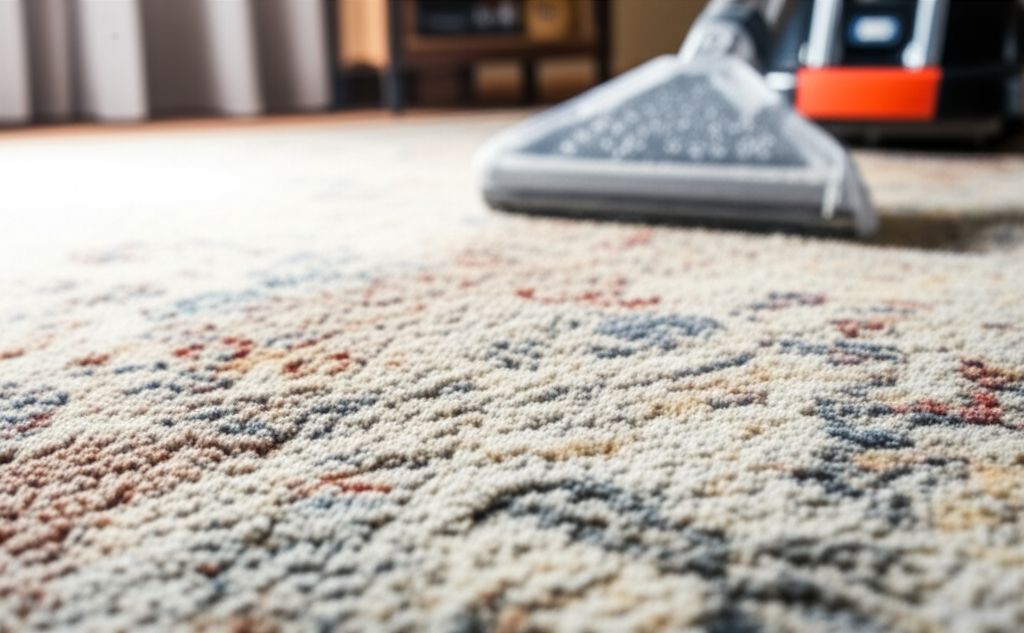
Rugs are crafted from a variety of materials, each with unique properties. Knowing these will help you decide if a carpet cleaner is a good idea. Think of it like knowing if your phone is waterproof before you drop it in the sink. Most rugs fall into a few main categories: natural fibers and synthetic fibers.
Natural Fibers: These come from plants or animals. They often feel luxurious but can be more sensitive.
Wool: Very durable and naturally stain-resistant. However, it can shrink if exposed to too much heat or agitation, and some dyes might bleed.
Cotton: Softer and more absorbent than wool. It can be prone to shrinking and color fading.
Sisal/Jute: Plant-based fibers that are very absorbent. They don’t do well with excessive moisture, which can weaken them and cause staining.
Silk: Extremely delicate and luxurious. Silk rugs are prone to water damage, color loss, and fiber distortion. They almost always require professional cleaning.
Viscose/Rayon (often marketed as artificial silk): These look like silk but are made from wood pulp. They are very sensitive to moisture and can easily lose their sheen or get damaged.
Synthetic Fibers: These are man-made and generally more durable and resistant to stains and moisture.
Nylon: Very strong, durable, and resilient. It’s a common choice for high-traffic areas and can usually handle carpet cleaning machines well.
Polyester: Soft and stain-resistant. It can hold onto oils, so a good degreasing agent might be needed. It generally cleans well.
Polypropylene (Olefin): Highly resistant to stains and moisture. It’s a good choice for outdoor rugs or very busy homes. It’s quite durable for machine cleaning.
Acrylic: Mimics the look and feel of wool. It’s resistant to fading and stains but can be sensitive to heat.
Understanding the material is key to preventing damage. A quick check of the rug’s tag usually provides this information. If there’s no tag, it’s safer to err on the side of caution and assume it’s delicate.
Can I Use a Carpet Cleaner on a Rug? The Direct Answer
So, can you use a carpet cleaner on a rug? The short answer is: sometimes, but always with caution. It depends heavily on the rug’s material, construction, and age, as well as the type of carpet cleaner you are using. For many synthetic rugs, especially those designed for high-traffic areas, a carpet cleaner can be a safe and effective tool. However, for natural fibers like silk, wool, viscose, or even delicate cotton, a carpet cleaner might be too aggressive.
Carpet cleaners work by spraying a solution of water and cleaning detergent onto the carpet and then immediately extracting the dirty water. This process involves moisture, heat (in some models), and agitation. While effective for deep cleaning carpets, these elements can harm sensitive rug fibers. For example, too much water can cause wool to shrink or cotton to warp. Harsh detergents can strip color from natural dyes or damage the delicate sheen of silk. Always check the manufacturer’s instructions for both your rug and your carpet cleaner.
When is it Generally Safe to Use a Carpet Cleaner on a Rug?
It’s generally safe to use a carpet cleaner on rugs made from durable synthetic materials like nylon, polyester, and polypropylene. These fibers are resilient and can withstand the moisture and cleaning action without significant risk of damage. Rugs that are machine-washable or have a sturdy backing are also good candidates. If your rug is frequently stepped on and designed for everyday use, it likely has the durability to handle a carpet cleaner.
For instance, many modern synthetic area rugs, often found in living rooms or hallways, are built to be robust. They can handle the deep cleaning process a carpet cleaner provides. If you’ve successfully cleaned similar rugs before without issues, and the rug’s tag indicates it’s suitable for washing, then proceeding with a carpet cleaner is usually a good option. It offers a deeper clean than vacuuming alone.
When Should You Avoid Using a Carpet Cleaner?
You should avoid using a carpet cleaner on rugs made from delicate natural fibers like silk, viscose, rayon, or antique wool. Rugs with intricate weaving, hand-knotted details, or glued-on elements can also be damaged. If a rug has a history of color bleeding or is particularly old and fragile, it’s best to steer clear of machine cleaning. Over-wetting these materials can lead to irreversible damage.
Think about a vintage Persian rug or a plush silk rug. These are often investments and works of art. The intense moisture and scrubbing action of a carpet cleaner can easily ruin the delicate fibers, cause the backing to detach, or make the colors run. For these types of rugs, professional cleaning by specialists experienced with fine textiles is the safest and most effective choice. They use methods tailored to the specific material and construction.
How to Safely Clean a Rug with a Carpet Cleaner
If you’ve determined your rug is a good candidate for machine cleaning, there are specific steps to follow to ensure the best and safest results. It’s all about preparation and using the right techniques. Think of it like preparing a delicate dish – you wouldn’t just throw everything in the oven and hope for the best. Careful steps lead to delicious (or in this case, clean) results.
Step-by-Step Guide for Using a Carpet Cleaner on a Rug
Follow these steps to clean your rug safely and effectively with a carpet cleaner:
1. Check the Rug’s Care Label: Always start by looking for a care tag. It will often specify if machine cleaning is recommended or prohibited. If no tag is present, proceed with extreme caution.
2. Test a Small, Inconspicuous Area: Before cleaning the entire rug, test the carpet cleaner and solution on a hidden spot (like a corner or underneath furniture). Let it dry completely to check for color bleeding, shrinkage, or fiber damage. This is your safety net.
3. Vacuum Thoroughly: Remove as much loose dirt, dust, and debris as possible by vacuuming the rug from all directions. This prevents the dirt from turning into mud when wet.
4. Choose the Right Cleaning Solution: Use a cleaning solution specifically designed for carpet cleaners and compatible with your rug’s material. Avoid harsh chemicals or excessive amounts of detergent, as these can damage fibers or leave residue. For natural fibers, consider a pH-neutral or wool-safe cleaner.
5. Pre-treat Stains: Address any specific stains with a suitable pre-treatment solution. Follow the stain remover’s instructions carefully and test it on an inconspicuous area first.
6. Use Cool or Lukewarm Water: Avoid hot water, especially for wool or cotton rugs, as it can cause shrinkage or damage. Check your carpet cleaner’s manual for temperature recommendations.
7. Don’t Over-Wet the Rug: Use the carpet cleaner sparingly. Make only one or two passes over each area. Ensure the machine is set to extract as much water as possible. Excess moisture is the enemy of many rug types.
8. Rinse (Optional but Recommended): After cleaning, consider making a pass with just clean water (no detergent) to rinse out any remaining cleaning solution. This helps prevent residue buildup, which can attract dirt.
9. Dry Thoroughly and Quickly: This is critical. Place the rug in a well-ventilated area, away from direct sunlight, which can fade colors. Elevate it if possible to allow air circulation on both sides. You can use fans to speed up drying. Never walk on a damp rug.
10. Groom the Pile: Once completely dry, you can use a soft brush or your vacuum cleaner (on a gentle setting, without the beater bar if possible) to restore the pile’s texture.
Following these steps helps ensure your rug gets a good clean without suffering damage. It’s a process that respects the rug’s construction and material.
What Cleaning Solutions are Best for Rugs?
The best cleaning solutions are those recommended by both the rug manufacturer and the carpet cleaner manufacturer. Generally, opt for low-foam, pH-neutral cleaners. For wool rugs, look specifically for “wool-safe” or “pH-neutral” detergents. Avoid solutions with harsh chemicals, bleach, or optical brighteners, as these can strip colors and damage fibers.
If you’re unsure, a simple solution of water and a small amount of mild dish soap (like Dawn, known for its degreasing power) can sometimes work for synthetic rugs. However, always test this in an inconspicuous spot first. For very delicate rugs, a specialized enzymatic cleaner for pet stains or a simple water rinse might be all that’s needed, followed by expert drying. Using the wrong cleaner is a common mistake that leads to rug damage.
Alternatives to Using a Carpet Cleaner on a Rug
Sometimes, a carpet cleaner just isn’t the right tool for the job. Thankfully, there are other effective ways to clean your rugs, depending on their material and the type of cleaning needed. These methods are often gentler and more suitable for delicate or specific cleaning tasks. It’s good to have a few tricks up your sleeve.
Hand Washing Delicate Rugs
For hand-knotted, antique, silk, wool, or viscose rugs, hand washing is often the safest approach. This involves a gentle process that gives you complete control over the amount of water and the cleaning agents used. It requires patience but can preserve the rug’s integrity. Professional rug cleaning services are experts in this method.
The process usually involves laying the rug flat on a clean surface, gently washing it with a mild, pH-neutral soap and cool water using a soft brush or sponge, rinsing thoroughly, and then carefully extracting excess water. Drying must be done slowly and evenly, often with professional equipment to prevent mold or mildew. This is a labor-intensive process, which is why professionals charge more for it.
Spot Cleaning Techniques
Spot cleaning is essential for dealing with spills and small stains as they happen. The key is to act quickly and use the right technique for the type of stain and rug material. For most fresh spills on synthetic rugs, blotting with a clean white cloth is the first step. Then, a mild detergent solution or a specialized spot cleaner can be used.
For natural fibers, always blot rather than rub, as rubbing can spread the stain and damage the fibers. Sometimes, just blotting with a damp cloth is enough. For tougher stains on delicate rugs, it’s often best to consult a professional rug cleaner rather than risk causing permanent damage. Never use colored cloths, as the dye could transfer.
Professional Rug Cleaning Services
When in doubt, or for valuable, antique, or delicate rugs, professional cleaning is the best option. Experts have the knowledge, equipment, and specialized solutions to clean all types of rugs safely and effectively. They can identify fiber types, dye compositions, and construction methods to choose the most appropriate cleaning process.
Professional cleaners often use methods like immersion washing, dry cleaning, or specialized steam cleaning that are far more controlled than what you can achieve with a home carpet cleaner. They also have controlled drying environments that are crucial for preventing damage. While more expensive than DIY cleaning, it offers peace of mind and the best results for prized rugs. Reputable services often offer pick-up and delivery.
Types of Rugs and Their Cleaning Suitability
Let’s break down the suitability of using a carpet cleaner for different types of rugs. This is where we get specific, so you can make an informed decision for your home. Not all rugs are created equal, and neither is their cleaning tolerance.
Synthetic Rugs (Nylon, Polyester, Polypropylene)
Verdict: Generally Safe for Carpet Cleaners.
These rugs are built to last and withstand wear and tear. Their fibers are strong and resistant to moisture and common cleaning agents. You can typically use a standard carpet cleaner on these rugs without much worry, provided you follow the general guidelines for using the machine and cleaning solution.
Nylon rugs, for example, are very resilient and can handle the agitation and moisture well. Polyester rugs are also quite durable, though they can sometimes hold onto oily residues, so a good cleaner is important. Polypropylene rugs are highly stain-resistant and water-repellent, making them good candidates for machine cleaning. Just remember to vacuum well beforehand and ensure thorough drying.
Wool Rugs
Verdict: Use Extreme Caution; Professional Cleaning Often Recommended.
Wool is a natural fiber that can be durable but also sensitive. While some wool rugs can handle carpet cleaning, many are best cleaned by hand or professionally. The main risks are shrinkage from excessive heat or moisture, and color bleeding, especially with vegetable-dyed wool.
If you choose to use a carpet cleaner on a wool rug, ensure you use a wool-safe, pH-neutral detergent. Use cool water only, and make sure the machine extracts as much water as possible. Limit passes over the rug to avoid over-wetting. Thorough, rapid drying is crucial. For valuable or antique wool rugs, professional cleaning is the safest bet.
Silk and Viscose Rugs
Verdict: Do NOT Use a Carpet Cleaner; Professional Cleaning Required.
Silk and viscose rugs are highly delicate. They are very sensitive to moisture, which can easily damage their fibers, cause them to lose their sheen, and lead to color loss or bleeding. Viscose, in particular, is known to break down when wet and can become permanently distorted.
Using a carpet cleaner on these materials is almost guaranteed to cause damage. The agitation, water saturation, and cleaning solutions are far too harsh. Always opt for professional cleaning services that specialize in fine textiles like silk and viscose. They have the expertise to clean these luxurious rugs without causing harm.
Cotton Rugs
Verdict: Use Caution; Check for Shrinkage Potential.
Cotton rugs can vary in durability. Some, like washable cotton bathmats, are designed to be machine washed. However, larger or more intricately woven cotton area rugs can be prone to shrinking, especially when exposed to heat or excessive water.
If you decide to clean a cotton rug with a carpet cleaner, use cool water and a mild detergent. Test for colorfastness and shrinkage in an inconspicuous area first. Avoid over-wetting, and ensure rapid, thorough drying. For thicker or more decorative cotton rugs, hand washing or professional cleaning might be a gentler alternative.
Understanding Carpet Cleaner Settings and Their Impact on Rugs
Modern carpet cleaners come with various settings that can influence how they clean. Knowing what these settings do can help you make better choices when cleaning a rug. It’s like having different gears on a bike – you use the right one for the terrain. Some settings are great for tough carpet stains, but they might be too much for a delicate rug.
Water Temperature Settings
Many carpet cleaners offer hot water or even steam options. While hot water can be very effective at breaking down grease and grime in carpets, it can be detrimental to natural fibers like wool and cotton. Heat can cause these fibers to shrink, warp, or lose their natural oils, making them brittle.
For rugs, it’s almost always best to use cool or lukewarm water. Check the manual for your carpet cleaner and your rug’s care instructions. If your machine only has a hot water setting, consider if it can be used with cool water instead, or if a different cleaning method is necessary. Always err on the side of cooler temperatures for rugs.
Agitation and Brush Settings
Some carpet cleaning machines have rotating brushes that scrub the carpet fibers. These brushes are designed to lift embedded dirt from dense carpet piles. However, on delicate rugs, especially those with looped piles or intricate patterns, aggressive brushing can snag, fray, or distort the fibers.
If your carpet cleaner has adjustable brush settings, choose the gentlest option available. For very delicate rugs, you might even consider removing the brush attachment if possible, or using a machine that relies solely on suction and cleaning solution. Manual brushing with a soft brush might be a safer alternative for targeted areas.
Extraction Power
The extraction power of a carpet cleaner refers to its ability to suck up the dirty water. A higher extraction power is generally good because it means less moisture is left behind in the rug, which speeds up drying time and reduces the risk of mold or mildew. This is crucial for all rug types.
Ensure your carpet cleaner has strong suction. After applying the cleaning solution, make sure to go over the area multiple times with the extraction function only. This will help remove as much water as possible. A well-designed carpet cleaner will leave the rug damp, not soaking wet.
Common Mistakes to Avoid When Cleaning Rugs with a Carpet Cleaner
Even with the best intentions, it’s easy to make mistakes when using a carpet cleaner on a rug. These errors can lead to permanent damage. Being aware of these pitfalls can save your rugs from an untimely demise. It’s about learning from others’ experiences.
Over-Wetting the Rug
This is perhaps the most common and damaging mistake. Leaving too much moisture in the rug can weaken the fibers, damage the backing, cause mold and mildew to grow, and lead to unpleasant odors. For natural fibers like wool and cotton, over-wetting can cause them to shrink or lose their shape.
Always make sure the carpet cleaner is set to extract effectively. After cleaning, try to get the rug as dry as possible before moving it to a drying area. Proper ventilation and airflow are key to preventing this issue.
Using Too Much Detergent
More detergent doesn’t always mean cleaner. In fact, using too much cleaning solution can leave a sticky residue on the rug fibers. This residue attracts dirt, causing the rug to get dirty faster and making it harder to clean in the future. It can also dull the rug’s appearance.
Always follow the manufacturer’s recommended dilution ratios for the cleaning solution. It’s better to use slightly less than too much. A good rinse cycle with clean water can also help remove excess detergent.
Using the Wrong Cleaning Solution
As we’ve discussed, different rug materials require different cleaning solutions. Using a harsh chemical cleaner on a delicate wool or silk rug can strip its natural oils, fade its colors, or even dissolve the fibers. Always check the rug’s material and choose a cleaner specifically designed for it.
When in doubt, opt for the mildest cleaner possible, or even just plain water for very delicate items. Test any cleaner on an inconspicuous area first.
Not Drying the Rug Properly
Inadequate drying is a recipe for disaster. A rug that stays damp for too long can develop mold and mildew, leading to a musty smell and potential health issues. It can also cause the backing to degrade or delaminate.
Ensure the rug is dried completely and as quickly as possible. Good airflow is essential. You can use fans, dehumidifiers, or even a gentle hairdryer on a cool setting. Never place a damp rug back on the floor or stack it.
Expert Insights and User Testimonials
To further solidify our understanding, let’s look at what experts and other users have to say about using carpet cleaners on rugs. Real-world experiences can offer valuable perspectives. Sometimes, hearing about someone else’s success or failure is the best teacher.
“For synthetic rugs, a good quality carpet cleaner is a lifesaver. I’ve used mine on nylon and polyester rugs for years with great results. The key is not to overdo the water and to dry them quickly. But for my grandmother’s antique wool rug? Absolutely not. I’d sooner trust a professional rug cleaner with that.” – Sarah K., Home Cleaning Enthusiast
“We tested several carpet cleaners on various rug types for our latest review. Our findings confirmed that while most synthetic rugs handle machine cleaning well, natural fibers like wool and silk are highly susceptible to damage. Always check the care label and do a spot test. For anything valuable or natural, professional cleaning is the safest route. Check out our guide on best carpet cleaners for pet stains for more specific product advice.”
A study published in the Journal of Textile Science* found that excessive moisture and heat are the primary causes of shrinkage and fiber degradation in natural textile fibers like wool and cotton when subjected to cleaning processes. This highlights the importance of controlled drying and avoiding overly aggressive cleaning methods.
Frequently Asked Questions (FAQ)
Q1: Can I use my Bissell/Rug Doctor/Hoover carpet cleaner on my area rug?
A1: It depends on the material of your area rug. For synthetic rugs (nylon, polyester, polypropylene), it’s generally safe. For natural fibers like wool, silk, cotton, or viscose, you must check the rug’s care label and test a small area first, as these materials can be easily damaged by moisture and agitation.
Q2: My rug tag says “spot clean only.” Can I still use a carpet cleaner?
A2: No. If a rug is labeled “spot clean only,” it means it cannot handle general washing or deep cleaning with machines. Using a carpet cleaner would likely void any warranty and could cause irreparable damage. Stick to spot cleaning specific stains.
Q3: How long does a rug need to dry after using a carpet cleaner?
A3: Drying time varies greatly depending on humidity, airflow, and how wet the rug got. It can take anywhere from 6 to 24 hours, or even longer. Ensure it’s completely dry to the touch on both sides before placing it back down. Using fans can significantly speed up drying.
Q4: Can I use a carpet cleaner on a shag rug?
A4: Shag rugs, especially those with long fibers, can be tricky. While synthetic shag rugs might tolerate a carpet cleaner, the long fibers can get tangled, and it can be difficult to extract all the moisture from the deep pile. This increases the risk of mold and mildew. Hand washing or professional cleaning might be better for shag rugs.
Q5: What if my rug has no care label?
A5: If there’s no care label, proceed with extreme caution. Assume it’s delicate. It’s best to try a very gentle spot test in an inconspicuous area first. If you are unsure, or if the rug appears to be made of natural fibers, antique, or valuable, opt for professional cleaning.
Q6: Can carpet cleaner damage the backing of my rug?
A6: Yes, excessive moisture can weaken or dissolve the adhesives used in rug backing, especially for rugs with jute or latex backing. This can lead to delamination, where the backing separates from the rug face. This is why thorough extraction and quick drying are so important.
Conclusion: Making the Right Choice for Your Rug
So, can you use a carpet cleaner on a rug? The answer, as we’ve seen, is nuanced. For many durable, synthetic rugs, a carpet cleaner can be an excellent tool for deep cleaning, restoring their vibrancy, and tackling tough spots. They offer a more thorough clean than vacuuming alone. However, it’s crucial to remember that not all rugs are created equal.
Delicate natural fibers like silk, wool, viscose, and even some cottons require a much gentler approach. Using a carpet cleaner on these materials often leads to damage like shrinkage, color bleeding, or fiber distortion. In such cases, spot cleaning, hand washing, or professional cleaning are far safer and more effective alternatives. Always start by checking your rug’s care label and performing a spot test. When in doubt, consult a professional. By understanding your rug’s material and the capabilities of your cleaning tools, you can keep your floor coverings looking their best for years to come.
Ready to explore more cleaning solutions for your home? Check out our latest reviews on home hygiene appliances to find the perfect tools for every task.
