
Brush For Cleaning House Exterior: Genius & Essential

A brush for cleaning your house exterior is a genius and essential tool. It helps remove dirt, grime, and mildew easily, keeping your home looking great and preventing damage.
Your home’s exterior is its first impression. Over time, rain, dust, and pollution can leave it looking dull and grimy. This is where a good brush for cleaning house exterior becomes your best friend. It’s not just about looks; keeping your siding clean can prevent long-term damage. We’ll explore the best brushes and how to use them to make your house shine.
Why You Need a Dedicated House Exterior Cleaning Brush
Your house exterior faces constant weather. Dirt, pollen, mold, and mildew can build up over time. Without proper cleaning, this grime can etch into surfaces and cause discoloration. A specialized exterior cleaning brush is designed to tackle these tough jobs effectively and safely.
The Challenge of Exterior Grime
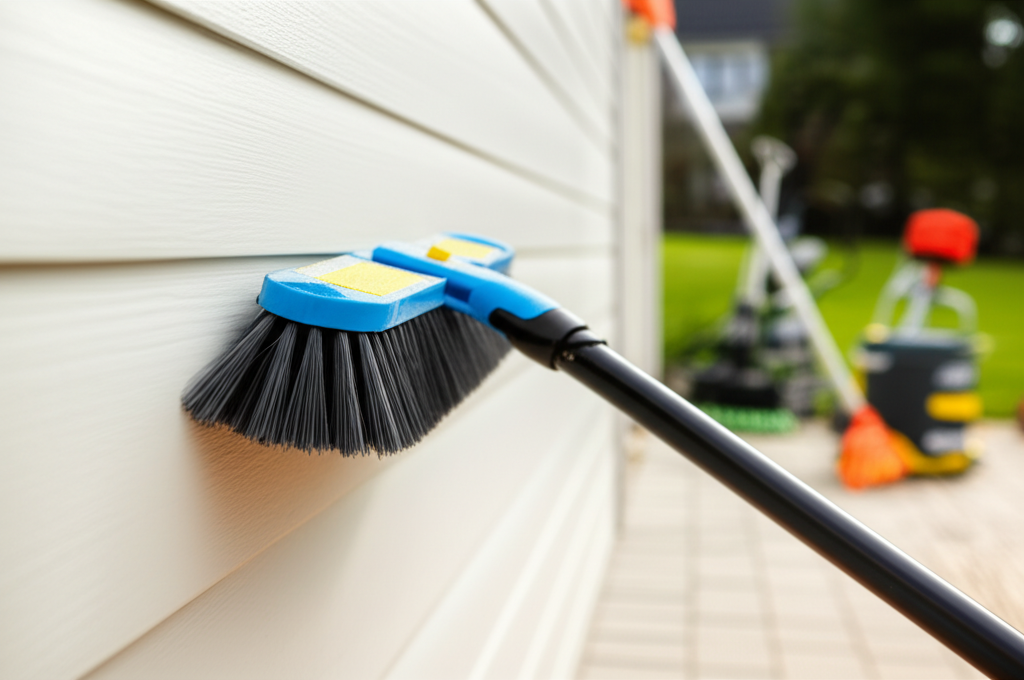
Exterior grime isn’t just surface-level dirt. It often includes organic growth like algae and mold, which can be stubborn. These can spread and weaken materials like wood or siding. Trying to scrub these with everyday tools can be ineffective or even damaging.
Benefits of Using the Right Brush
Using a dedicated brush for cleaning house exterior offers several advantages. It allows you to apply cleaning solutions evenly and scrub away tough spots without scratching surfaces. This leads to a cleaner look and helps maintain your home’s value. It’s a simple tool that makes a big difference.
Types of Brushes for Your House Exterior
Choosing the right brush depends on your home’s siding material and the type of dirt you’re dealing with. Different brush heads offer different levels of aggressiveness and coverage. Understanding these options helps you pick the perfect tool.
Soft Bristle Brushes
Soft bristle brushes are ideal for delicate surfaces. Think of vinyl siding, painted wood, or stucco. They are gentle enough to remove dirt and mildew without causing scratches or damage. These are excellent for general maintenance cleaning.
Medium Bristle Brushes
For more stubborn grime, a medium bristle brush is a good choice. They offer more scrubbing power than soft brushes. They work well on tougher materials like brick or concrete. Always test in an inconspicuous area first to ensure it won’t damage the surface.
Stiff Bristle Brushes
Stiff bristle brushes are the most aggressive. They are best suited for very tough jobs on durable surfaces like concrete patios or heavily soiled brickwork. You must be cautious when using them on painted surfaces, as they can easily remove paint.
Specialty Brushes
There are also specialized brushes designed for specific tasks. For example, long-handled scrub brushes are great for reaching high areas. Some brushes have angled heads for getting into corners. Many also attach to pressure washers for faster cleaning.
Key Features to Look For in an Exterior Cleaning Brush
When shopping for a brush for cleaning house exterior, several features can enhance its effectiveness and your experience. Consider the handle length, bristle material, and compatibility with cleaning solutions. These details matter for a good clean.
Bristle Material and Durability
Look for brushes made from durable synthetic materials like nylon or polypropylene. These bristles can withstand harsh cleaning chemicals and vigorous scrubbing. Natural bristles can sometimes degrade quickly when exposed to moisture and cleaning agents.
Handle Length and Ergonomics
A long handle is essential for reaching all parts of your house exterior. This avoids the need for excessive stretching or dangerous ladder use. An ergonomic grip makes the brush comfortable to hold, reducing fatigue during longer cleaning sessions.
Brush Head Size and Shape
A wider brush head covers more area, speeding up the cleaning process. The shape should also be considered; a rectangular head is good for broad surfaces, while a more rounded or angled head might be better for details. Some brushes have replaceable heads, offering versatility.
Compatibility with Cleaning Solutions
Ensure the brush is compatible with the cleaning solutions you plan to use. Some bristles can be damaged by strong chemicals. Most synthetic bristles are resistant to common household cleaners and detergents.
How to Use a Brush for Cleaning Your House Exterior Effectively
Using your brush for cleaning house exterior correctly ensures the best results and prevents damage. It involves preparation, proper scrubbing techniques, and thorough rinsing. Following these steps will leave your home looking its best.
Step 1: Preparation and Safety
Before you start, clear the area around your house. Remove any plants or furniture that could get in the way or be damaged. Wear protective gear like gloves, eye protection, and old clothes. Check your siding for any loose areas that need repair before scrubbing.
Step 2: Apply Cleaning Solution
Many exterior cleaning jobs benefit from a cleaning solution. You can use a mild detergent mixed with water, or a specialized house wash product. Apply the solution to a section of the house using a garden sprayer or hose. Let it sit for a few minutes to loosen dirt.
Step 3: Scrubbing Technique
Dip your brush for cleaning house exterior into your cleaning solution or water. Scrub the surface gently in a consistent direction, usually following the lines of your siding. Don’t apply excessive pressure, especially on softer materials. Work in manageable sections.
Step 4: Rinsing
After scrubbing a section, rinse it thoroughly with clean water from a hose. Make sure to rinse away all the cleaning solution and loosened dirt. Residue from cleaning products can leave streaks or attract more dirt.
Step 5: Repeat and Inspect
Continue this process section by section until your entire house exterior is clean. Inspect your work as you go to ensure you haven’t missed any spots or caused any damage. A final rinse of the entire house can help blend any slight variations.
Cleaning Different House Siding Materials
The best brush for cleaning house exterior and method can vary depending on what your house is made of. Each material has its own needs and sensitivities. Using the wrong brush can lead to costly repairs.
Vinyl Siding
Vinyl siding is quite durable but can be scratched. Use a soft to medium bristle brush with a gentle cleaning solution. Avoid abrasive cleaners or stiff brushes that can dull the finish or create micro-scratches. Always rinse thoroughly to prevent water spots.
Wood Siding
Wood siding requires careful cleaning. A soft to medium bristle brush is usually best. For painted wood, be extra gentle to avoid removing paint. For unpainted or stained wood, use solutions designed for wood and rinse thoroughly to prevent water damage.
Brick and Masonry
Brick and masonry are generally tougher materials. A medium to stiff bristle brush can be effective for removing stubborn dirt and mildew. Use appropriate masonry cleaners and rinse well. Be mindful of mortar, which can be more delicate than the brick itself.
Stucco
Stucco can be porous and prone to damage if scrubbed too aggressively. A soft bristle brush is recommended for stucco. Use mild cleaning solutions and rinse gently. High-pressure washing can damage stucco, so a brush is often a safer alternative.
Power Washing vs. Brushing: Which is Better?
Many people wonder if power washing is a better option than using a brush for their house exterior. Both methods have pros and cons, and the best choice often depends on the situation. Brushing offers more control and is safer for many surfaces.
Power Washing Advantages
Power washers can clean large areas quickly and efficiently. They use high-pressure water to blast away dirt and grime. This can be very effective on tough stains and durable surfaces like concrete or well-sealed brick.
Power Washing Disadvantages
However, power washers can also cause significant damage. The high pressure can strip paint, damage siding, force water behind seals, and erode softer materials. It requires skill and caution to use effectively without causing harm to your home. Many homeowners prefer to hire professionals for power washing.
Brushing Advantages
A brush for cleaning house exterior offers more control. You can adjust the pressure and focus on specific dirty spots. It’s generally safer for most siding materials and less likely to cause damage. It’s also a more budget-friendly option for many homeowners.
Brushing Disadvantages
Brushing is more labor-intensive and takes longer than power washing. It may not be as effective on extremely stubborn, deeply set stains that a power washer could tackle. However, for routine cleaning and maintenance, it’s often the preferred method.
Essential Tools and Supplies for Exterior Cleaning
Beyond the brush for cleaning house exterior, a few other items can make the job easier and more effective. Having the right supplies means you’re prepared for any cleaning challenge. These are simple but make a big difference.
Cleaning Solutions
Mild Detergent: A few drops of dish soap in a bucket of water can work for general cleaning.
House Wash: Specialized cleaners designed for exterior siding are available at hardware stores.
Mold/Mildew Remover: For persistent organic growth, use a product specifically formulated for this.
Water Source
Garden Hose: Essential for rinsing. A nozzle with adjustable spray patterns is helpful.
Bucket: For mixing cleaning solutions and rinsing your brush.
Safety Gear
Gloves: Protect your hands from cleaning solutions and dirt.
Eye Protection: Safety glasses or goggles are crucial to prevent splashes.
Old Clothes: You will get dirty, so wear something you don’t mind ruining.
Other Useful Items
Extension Pole: For reaching high areas without a ladder.
Garden Sprayer: For applying cleaning solutions evenly.
* Scraper: For removing very stubborn debris like mud caked on.
Maintenance Tips for Your Exterior Cleaning Brush
To ensure your brush for cleaning house exterior lasts and performs well, proper maintenance is key. Cleaning and storing it correctly will extend its life and keep it ready for the next job. This is a simple habit that pays off.
Cleaning After Use
After each use, rinse the brush thoroughly with clean water. Make sure to remove all soap residue and dirt from the bristles. This prevents the bristles from becoming stiff or clogged.
Drying and Storage
Shake excess water from the bristles. Store the brush bristle-side up, or hang it, so air can circulate. Avoid storing it in damp conditions or leaving it in direct sunlight for extended periods, as this can degrade the materials over time.
Inspecting for Damage
Periodically check the bristles for any signs of wear, bending, or breakage. Inspect the handle for cracks or looseness. If the brush is significantly damaged, it might be time to replace it to avoid ineffective cleaning or further damage to your home.
When to Hire a Professional
While a brush for cleaning house exterior is a great DIY tool, there are times when calling a professional is the better option. For very large homes, extremely high areas, or deep-set stains, professional services might be more efficient and safer.
Safety Concerns
If your home has multiple stories or steep roofs, using ladders or scaffolding can be dangerous. Professionals have the equipment and training to work safely at heights. They can assess risks and handle them appropriately.
Stubborn Stains and Damage
For severe mold, mildew, or ingrained stains, professionals have access to more powerful cleaning agents and equipment. They can also identify underlying issues, like water intrusion, that a DIY cleaning might miss. They can also handle delicate materials with expert care.
Time and Convenience
If you have a busy schedule, hiring a professional can save you significant time and effort. They can often complete the job much faster than you could. This allows you to focus on other tasks while ensuring your home exterior gets a thorough cleaning.
Frequently Asked Questions (FAQ)
What is the best type of brush for cleaning vinyl siding?
For vinyl siding, a soft to medium bristle brush is best. It cleans effectively without scratching the surface. Always use a mild cleaning solution and rinse thoroughly.
Can I use a stiff brush on my brick house?
Yes, a stiff brush can be used on brick, especially for tough grime. However, be careful around the mortar, which is softer. Test in an inconspicuous area first.
How often should I clean my house exterior?
You should aim to clean your house exterior at least once a year. More frequent cleaning might be needed in areas with heavy pollution, pollen, or mold growth.
Is it safe to use household cleaners on my siding?
Generally, mild detergents or specialized house washes are safe. Always check the manufacturer’s recommendations for your siding material. Avoid abrasive cleaners or bleach unless specifically recommended.
Do I need a special brush for a two-story house?
For a two-story house, a brush with an extension pole is highly recommended. This allows you to reach higher areas safely from the ground, avoiding the need for ladders.
How do I remove black streaks from my siding?
Black streaks are often caused by mildew or pollution. A medium bristle brush with a good house wash cleaner should help. For stubborn streaks, a dedicated mold and mildew remover might be necessary.
Conclusion: Your Home’s Exterior Deserves the Best Care
Investing in a quality brush for cleaning house exterior is a smart move for any homeowner. It’s a simple, effective tool that helps maintain your home’s appearance and protects its value. By choosing the right brush for your siding and using it correctly, you can tackle dirt, grime, and mildew with confidence. Remember to prioritize safety and choose the right tools for the job. A clean exterior not only looks great but also contributes to a healthier home environment.
For more tips on keeping your home sparkling, explore our other articles on home hygiene and cleaning appliances at HomeHygia.
