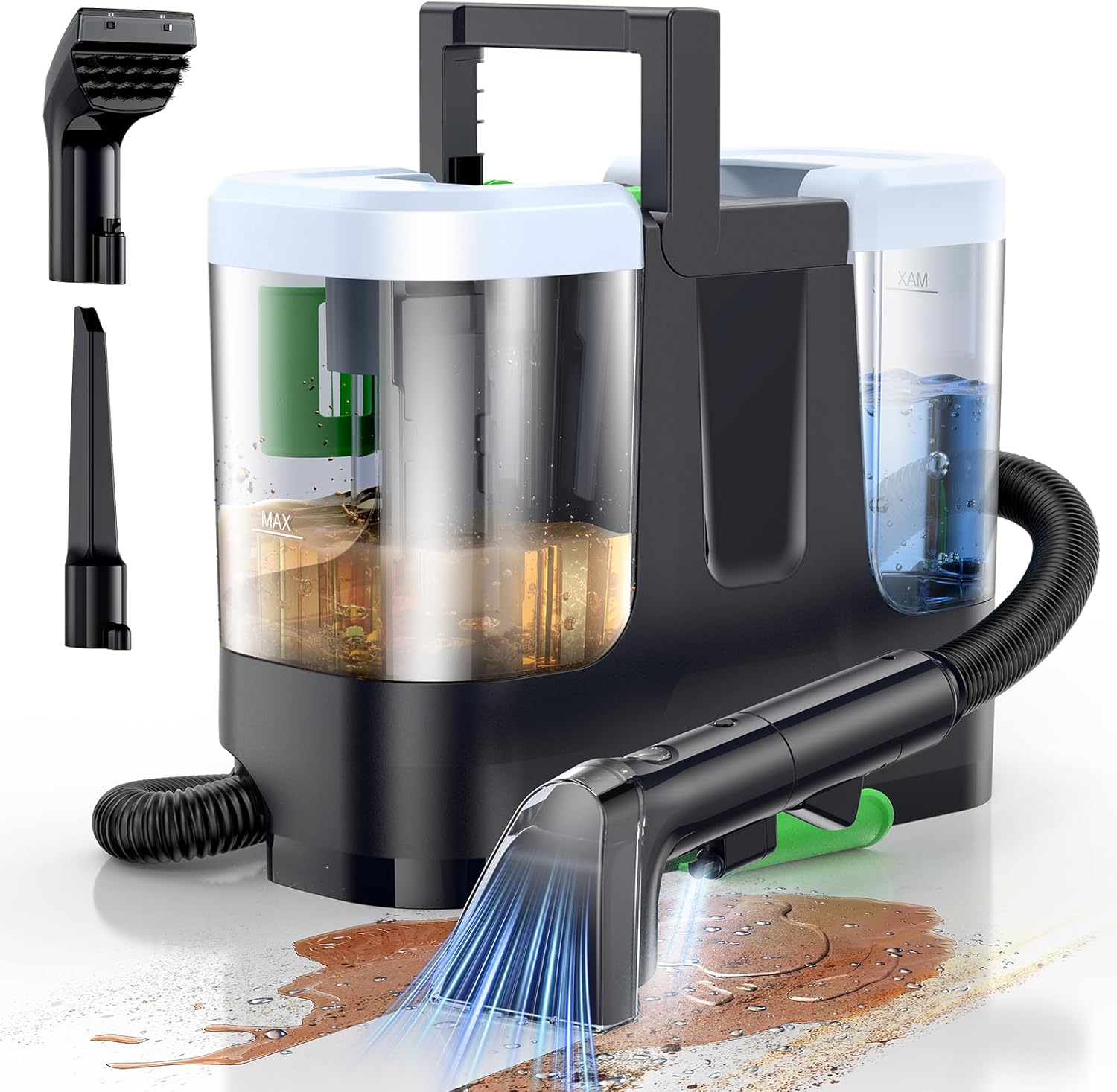
Can I Use a Steam Cleaner on Hardwood Floors? Essential Guide

You can use a steam cleaner on some hardwood floors, but it’s risky and often not recommended. Excessive moisture can damage wood finishes, cause warping, and lead to permanent issues. Always check your floor’s warranty and manufacturer guidelines first.
Wood floors are beautiful and add warmth to any home. Many people wonder if they can get that deep clean feeling with a steam cleaner on their hardwood. Steam cleaning can be very effective for many surfaces, but hardwood floors require special care. This guide will help you understand if steam cleaning is the right choice for your wood floors and what to do if you decide to proceed. We’ll cover the risks, safer alternatives, and how to protect your investment.
Understanding Hardwood Floors and Steam
Hardwood floors are made of natural wood, which is a porous material. This means it can absorb moisture. The way a hardwood floor is finished plays a huge role in how it handles liquids. Different finishes have different levels of protection.
Sealed Floors: Most modern hardwood floors have a protective seal. This seal is usually made of polyurethane, aluminum oxide, or a similar material. A good seal prevents most moisture from reaching the wood itself.
Unsealed or Waxed Floors: Older homes might have floors with a waxed finish or no seal at all. These floors are much more vulnerable to water damage. Steam, which is water in its gaseous form, can easily penetrate these finishes.
Why Steam Cleaning is Risky for Hardwood Floors
Steam cleaners work by heating water to a high temperature, creating steam. This steam is then released under pressure. While this kills germs and loosens dirt effectively, the high heat and moisture can be a problem for wood.
The intense heat can soften or damage the floor’s finish. The moisture, even though it’s steam, can seep into the wood grain. If too much moisture is absorbed, the wood can swell, warp, or even rot over time. This damage is often permanent and very expensive to fix.
What Manufacturers Say About Steam Cleaning Hardwood
Most hardwood floor manufacturers strongly advise against using steam cleaners. They design their floors with specific maintenance recommendations to ensure longevity. These recommendations usually include dry mopping, vacuuming, and damp mopping with approved cleaners.
For example, a leading flooring manufacturer might state that using a steam mop voids the warranty. This is because steam introduces an uncontrolled amount of moisture and heat. It’s a risk they don’t want to cover if damage occurs. Always check your specific flooring’s warranty information.
Checking Your Hardwood Floor’s Finish
Before even thinking about steam, you need to know what kind of finish your floor has. This is the most crucial step. If you are unsure, it’s best to err on the side of caution.
Water Drop Test: Place a single drop of water on an inconspicuous area of your floor. If the water beads up and stays on the surface, you likely have a well-sealed finish. If the water soaks in or leaves a dark mark, the finish is compromised or it’s an unsealed floor.
Scratch Test: Gently try to scratch an area with a coin or key. If a mark is easily made and the wood beneath looks different, it might be an older finish or unsealed. A strong finish will resist such scratches.
Can I Use a Steam Cleaner on Hardwood Floors? The Verdict
The short answer is: It’s generally not recommended and carries significant risks. While some newer, highly durable sealed hardwood floors might tolerate very light, quick steam mopping, the potential for damage is high. For most hardwood floors, especially older ones or those with a less robust finish, steam cleaning is a bad idea. The moisture can seep into the wood, causing swelling and warping. The heat can also degrade the protective coating over time.
When Steam Cleaning Might Be Considered (with extreme caution)
If you have a very modern, factory-sealed hardwood floor and are determined to try steam, you must take extreme precautions. This is a high-risk, potentially high-reward situation that HomeHygia advises against for most homeowners.
Use the Lowest Setting: If your steam cleaner has adjustable settings, use the absolute lowest moisture output.
Work in Small Sections: Steam a tiny area at a time, no more than a few square feet.
Move Constantly: Never let the steam cleaner rest in one spot. Keep it moving continuously.
Dry Immediately: Follow immediately behind the steam cleaner with a dry microfiber cloth to absorb any lingering moisture.
Check for Damage: Constantly inspect the floor for any signs of swelling, discoloration, or finish damage.
Even with these precautions, the risk of long-term damage remains. It’s a gamble most people should avoid.
Safer Alternatives to Steam Cleaning for Hardwood
There are many effective and safe ways to clean your hardwood floors without the risk of steam. These methods focus on gentle cleaning and proper moisture control.
Damp Mopping

Damp mopping is the go-to method for cleaning sealed hardwood floors. It uses minimal moisture to clean effectively.
What you need: A microfiber mop, a bucket, and a hardwood floor cleaner approved by your floor manufacturer.
How to do it: Lightly dampen the mop head with the cleaning solution. Wring out the mop thoroughly so it is barely damp, not wet. Mop the floor in sections, rinsing and wringing the mop frequently. Ensure the floor dries quickly.
Microfiber Mop Cleaning
A dry or slightly damp microfiber mop is excellent for daily or weekly cleaning. Microfiber effectively picks up dust, dirt, and allergens.
Dry Mopping: Use a dry microfiber mop to capture dust and debris. This is perfect for daily maintenance.
Slightly Damp Mopping: For tougher grime, lightly mist the mop head with water or a wood-floor-safe cleaner. Ensure the mop is just barely damp.
Vacuuming
Regular vacuuming is essential for removing grit and debris that can scratch your wood floors.
Use the Right Settings: Ensure your vacuum has a setting for hard floors. Use a brush roll that can be turned off or is specifically designed for wood to avoid scratching.
Frequent Cleaning: Vacuuming a few times a week helps prevent abrasive particles from accumulating.
Understanding Different Floor Finishes
The type of finish on your hardwood floor is key to determining its cleaning needs. Most modern floors use surface finishes, which are more resistant to moisture than older penetrating finishes.
Surface Finishes (Polyurethane, Urethane, Aluminum Oxide)
These finishes create a protective layer on top of the wood. They are more durable and water-resistant.
Pros: Excellent protection against spills, scratches, and wear. Generally safer for light damp mopping.
Cons: Can be slippery when wet. Scratches can be difficult to repair without refinishing the entire floor.
Penetrating Finishes (Wax, Oil)
These finishes soak into the wood grain, providing a more natural look and feel. They are less resistant to moisture and can be easily damaged by harsh cleaners or excessive water.
Pros: Natural look and feel. Easier to repair localized damage.
Cons: Very susceptible to water damage, staining, and wear. Requires frequent reapplication of wax or oil.
How to Safely Clean Sealed Hardwood Floors
For floors with a good surface seal, a careful damp mop routine is best. Always prioritize the manufacturer’s recommendations.
1. Sweep or Vacuum: Remove all loose dirt and debris first. This prevents scratching during mopping.
2. Prepare Cleaning Solution: Use a pH-neutral cleaner specifically designed for hardwood floors. Dilute it according to the product instructions.
3. Dampen the Mop: Dip your microfiber mop into the solution and wring it out until it is only slightly damp. You should not see water pooling or dripping.
4. Mop in Sections: Work in small, manageable areas. Mop with the grain of the wood.
5. Dry Immediately: Use a clean, dry microfiber cloth or a dry mop to wipe up any excess moisture. The floor should dry within a minute or two.
6. Rinse if Needed: If the cleaner leaves a residue, you may need to do a second pass with a mop dampened only with clean water.
How to Clean Unsealed or Waxed Hardwood Floors
These floors require the most gentle approach. Steam is absolutely not an option.
1. Dry Mopping/Sweeping: This is your primary cleaning method.
2. Vacuuming: Use a vacuum with a soft brush attachment and no beater bar.
3. Spot Cleaning: For small spills, blot them up immediately with a soft cloth.
4. Specialized Cleaners: If a deeper clean is needed, use a cleaner specifically formulated for waxed or oiled floors. Apply it sparingly with a soft cloth.
5. Re-waxing/Oiling: Periodically, these floors will need reapplication of wax or oil to maintain their protection and appearance.
The Role of Steam Cleaner Attachments
Some steam cleaners come with various attachments, including specialized pads for hard floors. While these pads might seem like a solution, they don’t change the fundamental nature of steam. The heat and moisture are still present.
Even if a steam mop has a “hardwood floor” setting, it’s crucial to understand that this usually means the lowest heat and moisture setting available. It does not guarantee safety for all hardwood types. Always consult your floor manufacturer first.
Protecting Your Hardwood Floor Investment
Hardwood floors are a significant investment. Protecting them means using the right cleaning methods and tools.
Use Mats: Place doormats at all entrances to trap dirt and moisture from shoes. Use rugs or runners in high-traffic areas.
Trim Pet Nails: Keep your pets’ nails trimmed to prevent scratches.
Use Furniture Pads: Place felt pads under furniture legs to avoid scratches when moving items.
Clean Spills Immediately: Address any liquid spills as soon as they happen.
Pros and Cons of Steam Cleaning Hardwood Floors
Let’s summarize the potential benefits and significant drawbacks.
Pros
Sanitization: Steam effectively kills bacteria, viruses, and allergens without chemicals.
Deep Cleaning: Can loosen stubborn dirt and grime.
Cons
Moisture Damage: High risk of swelling, warping, and buckling of the wood.
Finish Damage: Can degrade or dull the protective coating over time.
Warranty Void: Most manufacturers will void warranties if steam cleaners are used.
Permanent Damage: Repairs for steam-related damage are costly and difficult.
Heat Concerns: High temperatures can potentially harm certain wood types or finishes.
Best Practices for Using Steam Cleaners (General)
If you choose to use a steam cleaner on surfaces other than hardwood, here are some general tips. These are NOT recommendations for wood floors.
Read the Manual: Always follow the manufacturer’s instructions for your specific steam cleaner model.
Use Distilled Water: This prevents mineral buildup in the machine and on your floors.
Test in an Inconspicuous Area: Before cleaning a large surface, test the steam cleaner on a small, hidden spot.
Don’t Over-Steam: Avoid holding the steam in one place for too long.
* Ventilate: Ensure the area is well-ventilated when steaming.
Frequently Asked Questions
Can I use a steam cleaner on laminate flooring?
Similar to hardwood, laminate flooring can be damaged by excessive moisture. Most manufacturers advise against steam cleaning laminate floors. Always check your specific laminate flooring’s warranty and care instructions.
What is the best way to clean hardwood floors?
The best way is usually dry mopping or vacuuming for daily cleaning, followed by occasional damp mopping with a pH-neutral cleaner specifically designed for hardwood floors. Always ensure the mop is wrung out thoroughly.
How often should I clean my hardwood floors?
This depends on foot traffic and household activity. Daily dry mopping or vacuuming is recommended. Damp mopping might be needed weekly or bi-weekly, depending on how dirty the floors get.
Can I use vinegar on my hardwood floors?
While diluted vinegar can be used for some cleaning tasks, it’s generally not recommended for regular hardwood floor cleaning. Vinegar is acidic and can dull or damage the finish over time, especially on polyurethane-coated floors.
My hardwood floors look dull. What can I do?
Dullness can be caused by residue from improper cleaners or wear on the finish. Try a cleaner specifically designed to remove buildup from hardwood floors. If the finish itself is worn, you might need to consider professional refinishing.
Conclusion
When it comes to using a steam cleaner on hardwood floors, the answer leans heavily towards “no.” The risk of irreversible damage from moisture and heat is simply too high for most wood flooring types. While some ultra-durable, modern sealed floors might theoretically withstand a very careful, minimal-moisture steam application, it’s a gamble that most homeowners should avoid to protect their investment. Stick to proven, gentle methods like dry dusting, vacuuming, and carefully damp mopping with manufacturer-approved cleaners for beautiful, long-lasting hardwood floors.
If you’re looking for the best cleaning appliances and tools to keep your home spotless and healthy, explore the options at HomeHygia. We can help you find solutions that are effective and safe for all your home surfaces.