Can I Just Wash My Air Purifier Filter? Essential Guide

No, you generally cannot just wash your air purifier filter. Most air purifier filters, especially HEPA and activated carbon filters, are designed for single use and washing them can damage their structure, rendering them ineffective and potentially harmful. Always check your manufacturer’s instructions for specific guidance on filter maintenance.
Can I Just Wash My Air Purifier Filter? The Essential Guide to Proper Maintenance
Many of us wonder if we can save money and extend the life of our air purifier filters by simply washing them. It’s a tempting thought, especially when replacements can seem costly. However, the answer isn’t a straightforward yes or no. Understanding your specific air purifier filter type is crucial to ensuring you maintain optimal air quality in your home. Let’s dive into what you need to know to keep your air purifier working effectively.
Understanding Your Air Purifier Filter Types
Air purifiers use various types of filters, each with unique properties and maintenance requirements. The most common are pre-filters, HEPA filters, and activated carbon filters. Knowing which type you have is the first step in determining if washing is an option.
Pre-filters are often washable and are the first line of defense, trapping larger particles like dust and pet hair. HEPA (High-Efficiency Particulate Air) filters, on the other hand, are designed to capture very fine particles, and their intricate structure is easily compromised by water. Activated carbon filters work by adsorbing odors and gases, and washing can reduce their porous surface area, diminishing their effectiveness.
The “Washable” Myth: When Washing is NOT Recommended
For many, the question “can I just wash my air purifier filter” stems from a misunderstanding of filter technology. Most high-performance filters are not designed to be washed. Washing a HEPA filter, for example, can destroy its electrostatic charge and crush its delicate fibers. This not only makes it unable to capture pollutants effectively but can also lead to finer particles escaping back into your air.
Activated carbon filters also suffer from washing. The water can displace the adsorbed gases and odors, and the washing process can break down the carbon material itself. This means that even if you rinse them, they won’t perform as well afterward.
The Exception: Washable Pre-Filters
Some air purifiers include a washable pre-filter. This is usually a coarser mesh layer designed to catch larger debris like pet fur, lint, and hair. These pre-filters are often made of plastic or a durable synthetic material that can withstand rinsing.
If your air purifier has a washable pre-filter, gently rinse it under cool running water. You can use a mild soap if it’s particularly dirty, but ensure you rinse it thoroughly to remove all soap residue. Allow the pre-filter to air dry completely before reinserting it.
How to Wash a Washable Pre-Filter
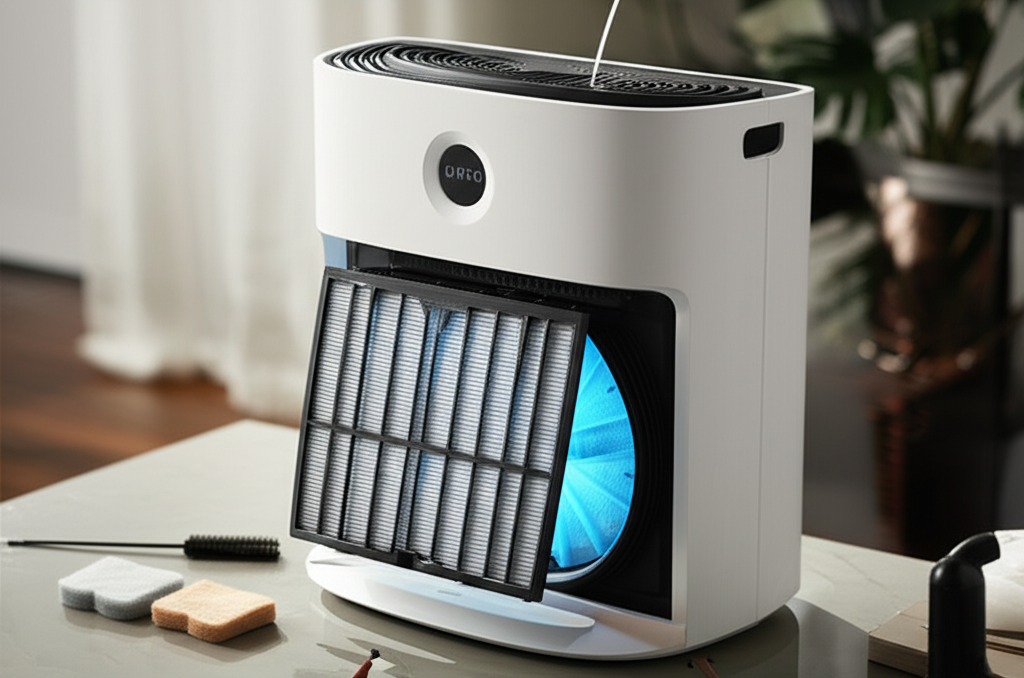
Washing a washable pre-filter is a simple process. First, carefully remove the filter from your air purifier. Then, take it to a sink and rinse it under cool tap water. You can use a soft brush or cloth to gently dislodge any stubborn debris.
Once clean, shake off excess water and let it air dry completely. Never use heat to dry it, as this could warp the material. Ensure it is bone dry before placing it back into the unit to prevent mold or mildew growth.
HEPA Filters: Handle with Care
HEPA filters are the workhorses of air purification, trapping 99.97% of airborne particles 0.3 microns in size. This includes allergens, mold spores, bacteria, and viruses. Their effectiveness relies on a complex, non-woven fibrous material that traps particles electrostatically and mechanically.
Washing a HEPA filter is strongly discouraged by almost all manufacturers. Water can damage the fine fibers and the electrostatic charge that makes them so efficient. A compromised HEPA filter will not protect your air as intended.
Why Washing HEPA Filters is a Bad Idea
The microscopic structure of a HEPA filter is its superpower. When you wash it, you can collapse these microscopic pores and fibers. This essentially ruins the filter’s ability to capture tiny particles. It’s like trying to clean a delicate lace doily with a power washer – the result is damage and loss of function.
Activated Carbon Filters: Adsorption vs. Washing
Activated carbon filters are crucial for removing odors, volatile organic compounds (VOCs), and gases from the air. They work through a process called adsorption, where pollutant molecules stick to the vast internal surface area of the activated carbon. This surface area is created by a porous structure.
While some sources might suggest rinsing activated carbon filters, it’s generally not recommended for optimal performance. Washing can degrade the carbon’s porous structure, reducing its capacity to adsorb new pollutants. It can also wash away some of the fine carbon dust, which could then be released into your air.
The Science Behind Activated Carbon and Washing
Activated carbon is highly porous, with a surface area that can be as large as a football field in just a few grams. When you wash it, water molecules can fill these pores, and the mechanical action of washing can break down the carbon granules. This reduces the available surface area for adsorption, making the filter less effective over time.
Checking Your Manufacturer’s Instructions: The Golden Rule
The absolute best way to know if you can wash your air purifier filter is to consult your appliance’s user manual or the manufacturer’s official website. Manufacturers provide specific guidelines for filter maintenance, including replacement schedules and any approved cleaning methods. Always adhere to these instructions for the best results and to maintain your warranty.
Many brands, like Dyson, Coway, and Blueair, explicitly state that their HEPA and carbon filters are not washable. They are designed for replacement only. However, some models might feature a washable pre-filter.
Where to Find Your Air Purifier’s Manual
If you’ve lost your physical manual, don’t worry. Most manufacturers have their product manuals available for download on their websites. Simply navigate to the support or downloads section, search for your specific air purifier model, and you should find a digital copy of the manual.
Signs Your Air Purifier Filter Needs Replacement
Your air purifier will often give you clues when its filters need attention. The most common indicator is a change in the unit’s performance. If you notice reduced airflow, increased noise, or a return of odors you were trying to eliminate, it’s likely time for a filter change.
Many modern air purifiers also come with filter indicator lights or digital displays that alert you when it’s time for a replacement. These are usually based on runtime or air quality sensors. Always pay attention to these alerts.
Key Indicators for Filter Replacement
Reduced Airflow: If the air coming out of your purifier seems weak, the filter might be clogged.
Increased Noise: A struggling motor trying to push air through a clogged filter can cause it to work harder and become noisier.
Lingering Odors: If your activated carbon filter is saturated, it won’t effectively remove smells anymore.
Visible Dirt and Debris: While you can’t always see inside HEPA filters, a visibly dirty pre-filter is a clear sign.
* Filter Indicator Lights: Most modern units have these built-in alerts.
The Risks of Using a Dirty or Damaged Filter
Continuing to use a dirty or damaged air purifier filter can have several negative consequences. A clogged filter restricts airflow, making the unit less effective at cleaning your air and potentially causing the motor to overheat. More importantly, a damaged filter, especially a HEPA filter that has been washed, can release the trapped pollutants back into your home.
This can worsen indoor air quality, exacerbating allergies, asthma, and other respiratory issues. It defeats the entire purpose of having an air purifier in the first place.
Best Practices for Air Purifier Filter Maintenance
The best approach to air purifier filter maintenance is to follow the manufacturer’s recommendations diligently. This usually involves replacing filters at scheduled intervals, typically every 6-12 months, depending on usage and air quality. Regularly inspect any washable pre-filters and clean them as needed.
Investing in genuine replacement filters from your air purifier’s brand is also crucial. Aftermarket filters may not meet the same quality standards and could potentially damage your unit or reduce its performance.
When to Consider a New Air Purifier
If your air purifier is old, its filters are no longer readily available, or you find yourself constantly replacing filters due to very poor air quality, it might be time to consider a new unit. Modern air purifiers often come with advanced features, better energy efficiency, and improved filter technologies.
Look for models with multi-stage filtration systems, including a robust pre-filter, a true HEPA filter, and an effective activated carbon filter. Energy Star certification can also ensure your new purifier is energy-efficient.
Frequently Asked Questions (FAQ)
Can I vacuum my air purifier filter?
Generally, no. While you might be tempted to vacuum a HEPA filter to clean it, this can damage its delicate fibers and electrostatic charge, rendering it less effective. Only washable pre-filters can be safely cleaned.
How often should I replace my air purifier filter?
This varies by model and usage, but most HEPA and carbon filters need replacement every 6 to 12 months. Always check your manufacturer’s guidelines for specific recommendations.
What happens if I don’t replace my air purifier filter?
Not replacing your filter can lead to reduced air purification efficiency, increased energy consumption, potential motor strain, and a decrease in indoor air quality as trapped pollutants may eventually be released.
Can I use a generic filter instead of the brand-name one?
While generic filters might fit, they may not offer the same level of filtration performance or durability as genuine filters. Using non-approved filters could also void your air purifier’s warranty.
My air purifier has a “filter reset” button, what does that do?
The filter reset button is usually a notification that the filter has been in use for a certain period. It doesn’t clean the filter; it simply resets the filter life indicator so the unit knows to start tracking the new filter’s lifespan.
How do I know if my filter is truly HEPA?
Look for filters certified as “True HEPA” or meeting the HEPA standard (capturing 99.97% of particles 0.3 microns in size). If the manufacturer doesn’t specify this, it might be a HEPA-type or HEPA-like filter, which is less effective.
Conclusion: Prioritize Filter Integrity for Clean Air
In summary, the answer to “can I just wash my air purifier filter” is almost always no, especially for HEPA and activated carbon filters. Washing these crucial components can damage their structure and significantly reduce their effectiveness, potentially harming your indoor air quality. Always adhere to your air purifier’s manufacturer instructions, replacing filters as recommended. Only washable pre-filters are designed for cleaning. By maintaining your filters correctly, you ensure your air purifier continues to deliver the clean, healthy air you rely on.