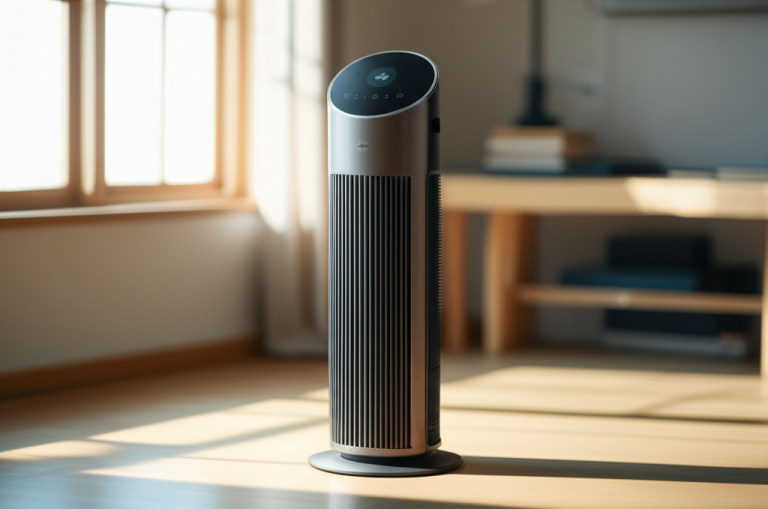
Best Air Purifier to Remove Dust: Essential Guide

Find the best air purifier to remove dust for a cleaner home. This guide explains what to look for, key features, and top recommendations to breathe easier.
Dust is a common household nuisance, settling on surfaces and floating in the air. It can aggravate allergies and asthma, making your home environment less comfortable. Fortunately, the right air purifier can significantly reduce airborne dust particles. This guide will walk you through everything you need to know to choose the best air purifier to remove dust, ensuring you make an informed decision for a healthier living space.
Why Dust Matters for Your Home Air Quality
Dust isn’t just an aesthetic problem; it’s a health concern. These microscopic particles can carry allergens like pollen, pet dander, and mold spores, triggering respiratory issues. A good air purifier actively captures these irritants, creating a sanctuary from airborne pollutants.
Understanding Air Purifier Technologies for Dust Removal
Different air purifiers use various technologies to clean your air. Understanding these will help you identify the best air purifier to remove dust for your specific needs.
HEPA Filters: The Gold Standard for Dust
High-Efficiency Particulate Air (HEPA) filters are the most effective at trapping dust. They are designed to capture at least 99.97% of airborne particles 0.3 microns in size. This includes most dust, pollen, pet dander, and mold spores.
A true HEPA filter is essential for anyone looking for the best air purifier to remove dust. It physically traps particles, preventing them from recirculating in your home.
Activated Carbon Filters: Tackling Odors and Gases
While HEPA filters excel at particle removal, activated carbon filters are crucial for absorbing odors and volatile organic compounds (VOCs). Many air purifiers combine HEPA and carbon filters for comprehensive air cleaning.
These filters work by adsorbing gases and smells onto their porous surface. This dual-action approach makes for a more thorough purification experience.
Pre-filters: The First Line of Defense
A pre-filter is usually the first layer in an air purifier’s filtration system. It’s designed to capture larger particles like visible dust, hair, and lint. This protects the more sensitive HEPA and carbon filters, extending their lifespan.
Pre-filters are often washable or replaceable, making maintenance simpler. They play a vital role in the overall efficiency of the best air purifier to remove dust.
Ionizers and UV-C Lights: Additional Features
Ionizers release negative ions that cause airborne particles to clump together and fall, making them easier to capture. UV-C light technology can neutralize airborne bacteria and viruses. While these features can complement HEPA filtration, ensure they don’t produce ozone, which can be a lung irritant.
Always check the manufacturer’s specifications regarding ozone production. Opt for purifiers that are certified ozone-free for a safer breathing environment.
Key Features to Look for in a Dust-Removing Air Purifier
When shopping for the best air purifier to remove dust, several features can enhance its performance and your user experience.
Coverage Area and CADR Ratings
The coverage area indicates how large a room the purifier can effectively clean. Clean Air Delivery Rate (CADR) ratings measure how quickly a purifier can clean a room of smoke, dust, and pollen. Higher CADR ratings mean faster purification.
Always match the purifier’s capacity to the size of your room. A purifier too small for the space will struggle to keep up with dust accumulation.
Noise Levels
Air purifiers can range in noise from a gentle hum to a noticeable fan sound. Look for models with low decibel (dB) ratings, especially if you plan to use it in a bedroom or office. Many offer sleep modes that reduce fan speed and noise.
Consider where you’ll place the purifier and your sensitivity to noise. A quieter unit ensures uninterrupted rest and work.
Filter Replacement Indicators and Costs
Most air purifiers have indicator lights that signal when filters need to be replaced. Factor in the cost and availability of replacement filters, as this is an ongoing expense. Some HEPA filters can last up to a year, while others need changing every six months.
Researching filter costs beforehand can save you money and hassle. Look for brands with readily available and reasonably priced replacement filters.
Energy Efficiency
Look for Energy Star certified air purifiers, which use less energy than standard models. This can lead to significant savings on your electricity bill over time, making your choice of the best air purifier to remove dust more economical.
Energy-efficient models are better for your wallet and the environment. They operate effectively without consuming excessive power.
Top Air Purifier Picks for Dust Removal
Based on expert reviews and user feedback, here are some of the best air purifiers to remove dust currently on the market.
Coway Airmega 200M: A Strong All-Rounder
The Coway Airmega 200M is a popular choice for its effective multi-stage filtration, including a true HEPA filter. It’s suitable for medium to large rooms and features an automatic mode that adjusts fan speed based on air quality. Its sleek design also makes it a welcome addition to any home.
This model consistently receives high marks for its performance in capturing dust and other allergens. It offers a great balance of features and effectiveness.
Levoit Core 300S: Compact Powerhouse
For smaller spaces or budget-conscious buyers, the Levoit Core 300S is an excellent option. It boasts a three-stage filtration system, including a HEPA filter, and is remarkably quiet on its lowest setting. Its compact size makes it easy to place in any room.
Despite its smaller footprint, the Levoit Core 300S delivers impressive dust-capturing capabilities. It’s a testament to how effective smaller units can be.
Winix 5500-2: Feature-Rich and Effective
The Winix 5500-2 is a highly-rated air purifier that combines a true HEPA filter with activated carbon and PlasmaWave technology. It’s designed for medium to large rooms and offers excellent value for its performance. The auto mode and air quality sensor are particularly useful.
This unit is a strong contender for the best air purifier to remove dust due to its comprehensive filtration and smart features. It effectively tackles both particles and odors.
Blueair Blue Pure 411 Auto: Stylish and Quiet
The Blueair Blue Pure 411 Auto is known for its Scandinavian design and whisper-quiet operation. It uses a unique combination of electrostatic and mechanical filtration to capture dust and allergens. The washable fabric pre-filters come in various colors to match your decor.
This model is a good choice for those who prioritize aesthetics and quiet performance alongside effective dust removal. Its unique filtration system is highly efficient.
How to Maximize Your Air Purifier’s Dust-Removing Performance
Simply buying the best air purifier to remove dust isn’t enough; proper usage and maintenance are key to its long-term effectiveness.
Proper Placement is Crucial
Place your air purifier in a location where it can draw in air freely. Avoid corners or areas blocked by furniture. Ideally, place it on a flat surface in the room where you spend the most time.
Good airflow ensures the purifier can effectively circulate and clean the air in the entire room. Don’t underestimate the impact of strategic placement.
Regular Filter Maintenance
Follow the manufacturer’s recommendations for cleaning pre-filters and replacing HEPA and carbon filters. Dirty filters reduce airflow and purification efficiency, making your purifier less effective at removing dust.
Consistent filter maintenance is the most critical factor in maintaining optimal performance. It ensures your purifier continues to capture dust efficiently.
Run Your Purifier Consistently
For continuous dust removal, it’s best to run your air purifier most of the time, especially when you’re home. Many models have auto modes that adjust fan speed based on detected air quality, making this easier.
Consistent operation ensures that dust particles don’t have a chance to settle and accumulate. It provides a steady improvement in air quality.
Comparing Air Purifiers: A Quick Look
To help you decide on the best air purifier to remove dust, here’s a comparative table of some popular models.
| Model Name | Room Size (Sq. Ft.) | HEPA Type | CADR (Dust) | Noise Level (dB) | Key Feature |
| :——————- | :—————— | :——– | :———- | :————— | :———————————————- |
| Coway Airmega 200M | Up to 361 | True HEPA | 135 | 22-48 | Auto Mode, Air Quality Sensor |
| Levoit Core 300S | Up to 219 | True HEPA | 141 | 24-50 | Smart Control (App/Voice), Compact Design |
| Winix 5500-2 | Up to 360 | True HEPA | 232 | 28-55 | PlasmaWave, Odor Control |
| Blueair Blue Pure 411 Auto | Up to 161 | Particle | N/A | 17-46 | Washable Pre-filter, Whisper-Quiet Operation |
Note: CADR ratings can vary slightly by specific model and testing agency. Always check the product specifications.
This table provides a snapshot to guide your choice for the best air purifier to remove dust. Remember to consider your room size and specific needs.
Understanding Air Purifier Certifications
Look for certifications from reputable organizations to ensure your air purifier is effective and safe.
AHAM Verifide
The Association of Home Appliance Manufacturers (AHAM) Verifide seal indicates that the air purifier has been independently tested for its CADR ratings and room coverage. This is a crucial indicator of performance.
This certification assures you that the purifier meets specific standards for cleaning your air. It’s a mark of reliability for the best air purifier to remove dust.
Energy Star
Energy Star certified products meet strict energy efficiency guidelines set by the U.S. Environmental Protection Agency. This means they use less electricity without sacrificing performance.
Choosing an Energy Star model contributes to lower energy bills and a reduced environmental footprint. It’s a smart choice for both your home and the planet.
CARB Certified
The California Air Resources Board (CARB) certifies air purifiers that meet stringent ozone emission limits. This is important for ensuring the air you breathe is safe and free from harmful byproducts.
Always look for CARB certification, especially if you are sensitive to air quality issues. It guarantees the purifier won’t emit harmful ozone.
Frequently Asked Questions About Dust-Removing Air Purifiers
Here are answers to common questions about selecting and using the best air purifier to remove dust.
Will an air purifier completely eliminate dust?
While an air purifier can significantly reduce airborne dust, it won’t eliminate it entirely. Dust also settles on surfaces, and some particles are too large or too sticky to be captured by the filter. Regular cleaning is still necessary.
An air purifier is a powerful tool for managing airborne dust, but it works best in conjunction with other cleaning practices.
How often should I replace the HEPA filter?
Most HEPA filters need replacement every 6 to 12 months, depending on usage and the air quality in your home. Always refer to your air purifier’s manual for specific recommendations. Some models have filter replacement indicators.
Following the recommended replacement schedule is vital for maintaining the purifier’s effectiveness. Overdue filters can become clogged and inefficient.
Can an air purifier help with allergies caused by dust?
Yes, an air purifier equipped with a true HEPA filter is highly effective at removing common allergens like dust mites, pet dander, and pollen from the air. This can provide significant relief for allergy sufferers.
By capturing these allergens, the best air purifier to remove dust can help create a healthier environment for those with allergies.
What’s the difference between a HEPA filter and a washable filter?
A true HEPA filter is designed to capture 99.97% of particles 0.3 microns in size and is typically disposable. Washable filters, often pre-filters, capture larger particles and can be cleaned and reused, extending the life of the HEPA filter.
Understanding the role of each filter type helps in appreciating the complete filtration system.
Are air purifiers noisy?
Air purifiers do produce noise, but the level varies greatly by model and fan speed. Many offer low-speed settings or sleep modes that operate very quietly, making them suitable for bedrooms.
Look for models with decibel ratings below 50 dB for quieter operation.
Conclusion: Breathe Easier with the Right Air Purifier
Choosing the best air purifier to remove dust is a proactive step towards a healthier home environment. By understanding the technologies, key features, and reputable brands, you can confidently select a unit that meets your needs. Prioritize true HEPA filtration, consider your room size, and pay attention to certifications like AHAM Verifide and Energy Star. With the right air purifier and consistent maintenance, you can significantly reduce airborne dust and enjoy cleaner, fresher air.