
Can Humidifier Trigger Air Purifier? Essential Truths

Yes, a humidifier can indirectly trigger an air purifier by increasing airborne moisture, which may affect the purifier’s sensors and performance, especially if the humidifier is dirty or overused.
Can Humidifier Trigger Air Purifier? Essential Truths
It’s a common question for those seeking to create the perfect home environment: can a humidifier trigger an air purifier? You might notice your air purifier working harder or showing different readings when your humidifier is on, leading to confusion. Understanding this interaction is key to optimizing both devices for cleaner, more comfortable air. This article will demystify this relationship, explaining how these two beneficial appliances can work together, or sometimes, against each other, so you can achieve the best air quality possible.
The Interplay: How Humidifiers and Air Purifiers Affect Each Other
Understanding how humidifiers and air purifiers interact is crucial for creating an optimal indoor environment. While they serve different primary functions, their operation can influence one another, especially concerning the air quality your purifier is designed to monitor.
Why the Concern? The Sensor Connection
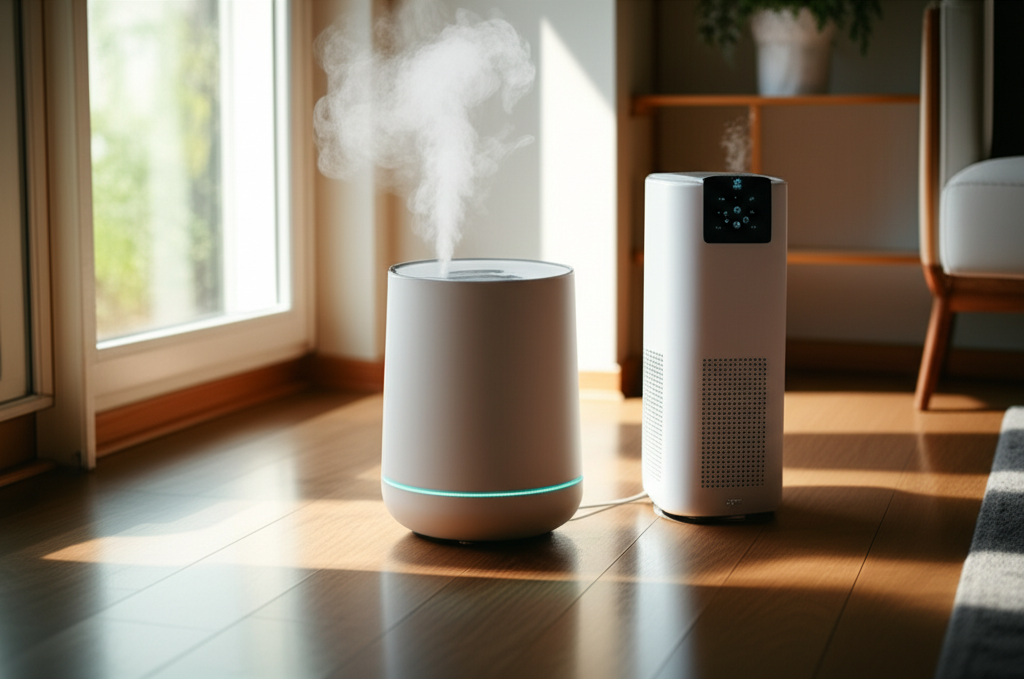
Air purifiers rely on sensors to detect airborne particles and adjust their fan speed accordingly. These sensors, often sensitive to changes in air composition, can sometimes be influenced by the moisture and microscopic particles released by a humidifier. This can lead to your air purifier reacting as if there’s an increase in pollutants when it’s primarily the humidity levels that have changed.
Can a Humidifier Directly Trigger an Air Purifier?
No, a humidifier itself doesn’t have the capability to directly “trigger” an air purifier in the way a pollutant would. The trigger mechanism in an air purifier is its sensor system, which detects particulate matter. However, the increased moisture and potential for fine water droplets or mineral dust from a humidifier can affect these sensors.
The Role of Air Quality Sensors
Modern air purifiers are equipped with sensors, such as particulate matter (PM2.5) sensors, to gauge the air’s purity. These sensors work by detecting the scattering of light from airborne particles. When a humidifier is running, especially if it’s a cool mist or ultrasonic type, it releases water vapor and potentially very fine mineral particles into the air.
How Increased Humidity Impacts Sensors
High humidity levels can sometimes cause condensation on or within the air purifier’s sensor housing. This moisture can interfere with the laser or light source used by the sensor, leading to inaccurate readings. It might interpret the moisture or condensation as an increase in particulate matter, prompting the purifier to increase its fan speed.
What About Mineral Dust from Humidifiers?
If you use tap water in your humidifier, especially in hard water areas, minerals can be released into the air as fine white dust. This dust is a form of particulate matter that an air purifier’s sensors are designed to detect. Therefore, a humidifier running with tap water can indeed cause an air purifier to register higher pollution levels and adjust its operation.
Humidifier Types and Their Impact on Air Purifiers
Different types of humidifiers can have varying effects on your air purifier. Understanding these differences can help you manage their combined operation more effectively.
Ultrasonic vs. Evaporative Humidifiers
Ultrasonic humidifiers use vibrations to create a fine mist. This mist can be particularly effective at carrying minerals into the air, potentially triggering air purifier sensors more readily. Evaporative humidifiers, on the other hand, draw air through a wet wick, releasing moisture through natural evaporation. They tend to release fewer airborne minerals, though they can still increase humidity.
Warm Mist Humidifiers
Warm mist humidifiers boil water to create steam. While this process sterilizes the water, the steam released can still impact humidity sensors. However, the absence of mineral particles in the steam generally means they are less likely to trigger particulate sensors compared to ultrasonic models using tap water.
The “False Trigger” Phenomenon Explained
A “false trigger” occurs when an air purifier increases its fan speed or changes its mode due to conditions that aren’t actual pollutants. In the context of humidifiers, this often happens when the humidifier’s output, either water vapor or mineral dust, is misinterpreted by the purifier’s sensors. This can lead to unnecessary energy consumption and noise from the air purifier.
Optimizing Placement for Both Devices
Proper placement of your humidifier and air purifier is key to ensuring they work harmoniously. Keeping them too close can exacerbate the sensor issue, while adequate spacing can mitigate it.
Recommended Distances
Generally, it’s advisable to place your humidifier and air purifier at least 6-10 feet apart. This distance allows the air purifier’s sensors to get a more accurate reading of the general room air quality without being overly influenced by the direct output of the humidifier. Consider placing them on opposite sides of the room or with furniture acting as a buffer.
Avoiding Direct Airflow Interference
Ensure that the mist or vapor from the humidifier is not blowing directly into the air intake or sensors of the air purifier. This direct stream of moisture can overwhelm the sensors and lead to consistent false triggers.
Using Distilled or Demineralized Water
A simple yet highly effective solution to prevent mineral dust from triggering your air purifier is to use distilled or demineralized water in your humidifier. These types of water have had the minerals removed, significantly reducing the amount of airborne dust produced by the humidifier. This is a critical step for ultrasonic and impeller humidifiers.
Benefits of Filtered Water
Using filtered water can also help, though the effectiveness depends on the type of filter. Specialized demineralization cartridges or filters are the most effective. This practice not only helps your air purifier but also prolongs the life of your humidifier by preventing mineral buildup.
When to Consider a Combined Unit
For those looking for a streamlined solution, consider a humidifier-air purifier combo unit. These devices are designed to work together seamlessly, with integrated systems that can often manage humidity levels without negatively impacting air purification performance. Many modern combo units have advanced sensors that can differentiate between humidity and actual pollutants.
Pros and Cons of Combo Units
Pros: Space-saving, integrated control, potentially more efficient operation.
Cons: Often more expensive, if one component fails, the entire unit may need repair, less flexibility in choosing individual devices.
Troubleshooting Common Issues
If you’re experiencing issues with your air purifier reacting to your humidifier, try these troubleshooting steps. Addressing these can help restore accurate readings and efficient operation for both appliances.
Steps to Resolve Sensor Issues
1. Clean the Air Purifier’s Sensors: Dust and moisture can accumulate on sensors. Refer to your air purifier’s manual for specific cleaning instructions, which usually involve a soft brush or a slightly damp cloth.
2. Relocate Devices: Try moving your humidifier and air purifier further apart. Experiment with different placements to see if it improves the air purifier’s readings.
3. Switch to Distilled Water: If you’re using tap water, switch to distilled or demineralized water in your humidifier. This is often the most impactful change.
4. Adjust Humidifier Output: Lower the mist output of your humidifier if possible. This reduces the amount of moisture and potential particles released into the air.
5. Check Air Purifier Settings: Some air purifiers have sensitivity settings for their auto mode. Consult your manual to see if you can adjust this.
When to Call the Experts
If you’ve tried these steps and are still experiencing persistent issues, it might be time to consult the manufacturers of your devices. There could be a defect with the air purifier’s sensors or a specific incompatibility that requires expert advice.
Maintaining Your Humidifier for Better Air Quality
A clean humidifier is essential not only for its own performance but also for the air quality in your home, and by extension, how your air purifier functions. Regular maintenance prevents the growth of mold and bacteria, which can be dispersed into the air.
Regular Cleaning Schedule
Daily: Empty and rinse the water tank.
Weekly: Disinfect the tank and other washable parts with a mild soap or vinegar solution, following manufacturer instructions.
* Monthly: Descale mineral buildup from the unit, especially if using tap water.
Importance of Filter Replacement
If your humidifier uses filters, ensure you replace them according to the manufacturer’s recommendations. Dirty or clogged filters can reduce efficiency and may contribute to poor air quality, indirectly affecting your air purifier’s job.
Frequently Asked Questions (FAQ)
Q1: Will my air purifier always react to my humidifier?
Not necessarily. The reaction depends on the type of humidifier, the water used, the placement of the devices, and the sensitivity of your air purifier’s sensors. Using distilled water and proper placement significantly reduces the chances of a reaction.
Q2: Is it bad if my air purifier reacts to my humidifier?
It’s not inherently “bad” for your health, but it means your air purifier might be running unnecessarily, consuming more energy and potentially wearing out faster. It also indicates that the sensor readings might not be accurately reflecting the true air pollutant levels.
Q3: Can a humidifier make my air purifier less effective at cleaning the air?
While a humidifier doesn’t directly reduce the air purifier’s ability to capture particles, a “false trigger” might mean it’s not operating at its optimal setting for actual pollution. Also, extremely high humidity can potentially affect filter performance over time, though this is less common.
Q4: Should I run my humidifier and air purifier at the same time?
Yes, you can and often should run them at the same time, especially if you need both for comfort and health. The key is to manage their interaction through proper maintenance, water usage, and placement to avoid false triggers and ensure optimal performance for both.
Q5: How do I know if my air purifier is being triggered by my humidifier?
You’ll likely notice your air purifier’s fan speed increase significantly when you turn on the humidifier, and it may return to a lower setting when the humidifier is turned off, even if no other obvious pollutants are present. Cleaning the sensors and using distilled water might resolve this.
Q6: Can a dirty humidifier affect my air purifier?
Absolutely. A dirty humidifier can release mold spores, bacteria, and mineral dust into the air. These are all things an air purifier is designed to capture, so a dirty humidifier can lead to both false triggers and increased work for your air purifier, potentially reducing its filter life.
Conclusion
Understanding the relationship between your humidifier and air purifier is key to achieving the best indoor air quality. While a humidifier doesn’t directly “trigger” an air purifier in a mechanical sense, the moisture and potential mineral dust it releases can indeed influence the sensitive sensors within your air purifier. By using distilled water, maintaining proper distances between devices, and keeping your humidifier clean, you can prevent false triggers and ensure both appliances work efficiently to create a healthier, more comfortable living space. Pay attention to your devices, perform regular maintenance, and enjoy the benefits of optimized humidity and purified air.
