
Best Air Purifier Without Filter: Genius Clean Air

Discover the best air purifier without filter, a revolutionary solution for cleaner, healthier air. These innovative devices use advanced technology to capture pollutants without costly filter replacements, offering a smart, eco-friendly, and cost-effective way to breathe easier.
Breathing clean air at home is essential for our well-being, yet traditional air purifiers often come with the recurring hassle and expense of filter replacements. If you’re tired of searching for the right filter, dealing with clogged units, and the ongoing costs, you’re not alone. Many are looking for a smarter, more sustainable solution to purify their indoor environment. This guide will explore the groundbreaking world of filterless air purifiers, highlighting why they might be the genius clean air solution you’ve been searching for. Get ready to understand how these advanced technologies work and find the best air purifier without filter for your needs.
Why Consider a Filterless Air Purifier?
Filterless air purifiers offer a compelling alternative to traditional models, promising convenience and cost savings. They eliminate the need for purchasing and replacing expensive filters, which can be a significant ongoing expense. This approach also reduces waste, making them a more environmentally friendly choice for your home.
The Drawbacks of Traditional Air Purifiers
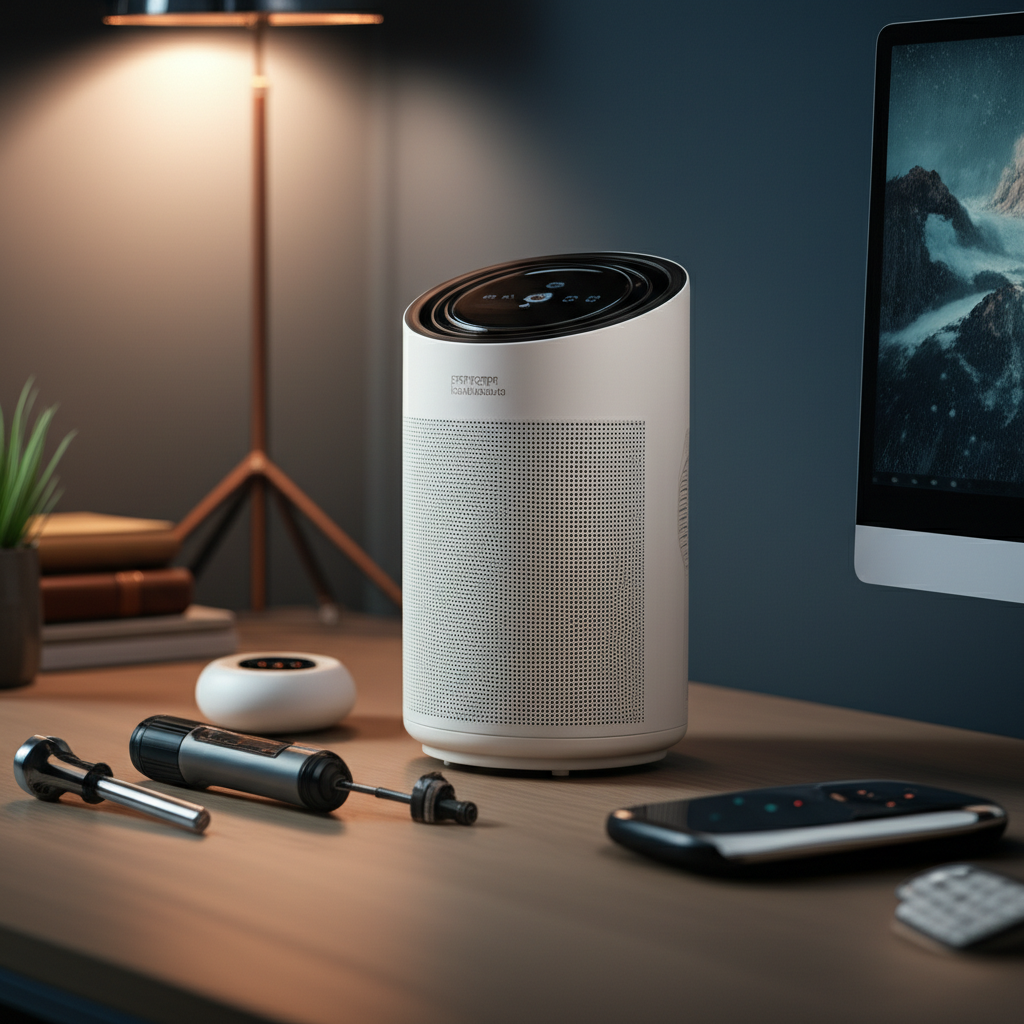
Traditional air purifiers rely on physical filters, such as HEPA or activated carbon, to trap airborne particles. While effective, these filters have a limited lifespan and require regular replacement. Neglecting filter changes can reduce the purifier’s efficiency and even lead to the release of trapped pollutants back into the air.
The cost of replacement filters can add up quickly, making long-term ownership more expensive than initially anticipated. Furthermore, finding the correct replacement filters for specific models can sometimes be a challenge.
How Do Filterless Air Purifiers Work?
Filterless air purifiers utilize a variety of innovative technologies to remove pollutants from the air without relying on disposable filters. These methods often involve electrical charges or advanced oxidation processes to neutralize or capture contaminants. Understanding these mechanisms helps demystify how these devices achieve clean air.
Ionization Technology
Many filterless air purifiers employ ionization. This technology releases negative ions into the air, which then attach themselves to airborne particles like dust, pollen, and smoke. These charged particles become heavier and are more likely to settle on surfaces or be attracted to collection plates within the purifier.
While effective at reducing airborne particles, some ionizers can produce ozone as a byproduct. It’s crucial to choose models that are certified for low or no ozone production for safety.
UV-C Light Sterilization
Another common technology in filterless purifiers is UV-C light. This germicidal light effectively inactivates airborne bacteria, viruses, and mold spores by damaging their DNA. UV-C light is a powerful tool for sanitizing the air, especially in areas where germs are a concern.
UV-C light is typically used in conjunction with other purification methods to provide a comprehensive air cleaning solution. It’s important to note that UV-C light itself doesn’t remove particles from the air, but rather neutralizes microorganisms.
Photocatalytic Oxidation (PCO)
Photocatalytic oxidation (PCO) is an advanced filterless technology that uses UV light and a catalyst (often titanium dioxide) to break down volatile organic compounds (VOCs), odors, and microorganisms. This process creates hydroxyl radicals that oxidize pollutants, converting them into harmless substances like carbon dioxide and water.
PCO systems are highly effective at eliminating odors and chemical pollutants that traditional filters might struggle with. Research into PCO technology continues to explore its potential for even greater air purification capabilities.
Electrostatic Precipitation
Electrostatic precipitators use an electric charge to remove particles from the air. As air passes through the unit, particles are given an electrical charge. These charged particles are then attracted to oppositely charged collection plates, where they accumulate.
These plates can often be removed and washed, eliminating the need for disposable filters. This makes electrostatic precipitators a sustainable and cost-effective filterless option for many households.
Benefits of Choosing the Best Air Purifier Without Filter
Opting for a filterless air purifier brings a host of advantages that enhance convenience, reduce costs, and promote a healthier living environment. The long-term benefits often outweigh the initial investment, providing a superior air purification experience.
Cost Savings Over Time
The most significant financial benefit of a filterless air purifier is the elimination of recurring filter replacement costs. While the initial purchase price might be comparable to or slightly higher than a filter-based model, the savings accumulate rapidly over the years. You avoid the ongoing expense of buying new filters, making it a more economical choice for long-term air purification.
Environmental Friendliness
By avoiding disposable filters, you significantly reduce the amount of waste generated by your air purification system. This makes filterless options a much greener choice for environmentally conscious consumers. Contributing to less landfill waste is a tangible benefit of adopting this technology.
Reduced Maintenance Hassle
Forget about remembering when to order new filters or the effort involved in replacing them. Filterless purifiers simplify maintenance, often requiring just occasional cleaning of collection plates or components. This ease of use frees up your time and reduces a common point of frustration with traditional purifiers.
Consistent Performance
Unlike filter-based systems that can lose efficiency as their filters clog, filterless purifiers tend to maintain consistent performance. As long as the core technology is functioning correctly and any washable parts are clean, the unit can continue to purify the air effectively without a drop in performance due to a dirty filter.
Top Filterless Air Purifier Technologies and Brands
The market for filterless air purifiers is growing, with several innovative brands and technologies leading the way. Understanding these options helps in making an informed decision for your home’s air quality needs.
Notable Brands and Their Innovations
Several companies are at the forefront of filterless air purification. Brands like Dyson, Molekule, and Mila often incorporate advanced technologies, though their approaches can vary. For instance, Dyson has integrated air purification into their fans and heaters, using sealed HEPA and activated carbon filters that are designed for longer life but still require eventual replacement, blurring the lines slightly. However, the focus on sealed systems and advanced filtration is a step towards reduced waste and improved performance.
True filterless technologies, such as those employing PCO or advanced ionization with minimal ozone, are also gaining traction. Companies specializing in these technologies often highlight their long-term cost-effectiveness and environmental benefits. Always research specific models and their stated technologies to ensure they align with your expectations for a truly filterless experience.
Comparing Technologies: Ionizers vs. PCO vs. Electrostatic
Each filterless technology has its strengths and weaknesses. Ionizers are effective at particle reduction but can produce ozone. PCO excels at neutralizing VOCs and odors but might be less efficient with particulate matter alone. Electrostatic precipitators are good for particles and have washable plates, but can also produce ozone and require regular plate cleaning.
| Technology | Primary Function | Pros | Cons |
|---|---|---|---|
| Ionization | Particle reduction | Effective for dust, pollen; no filters | Potential ozone production; may not capture all particles |
| UV-C Light | Microorganism neutralization | Kills bacteria, viruses, mold | Doesn’t remove particles; requires bulb replacement |
| PCO | VOCs, odor, microorganism neutralization | Breaks down chemicals and odors; no filters | Can be complex; potential byproducts |
| Electrostatic Precipitation | Particle capture | Washable plates, no filter cost; effective | Potential ozone production; requires cleaning |
This comparison table helps visualize the different approaches to filterless air purification. Choosing the best air purifier without filter depends on your specific air quality concerns and preferences.
What to Look for in the Best Air Purifier Without Filter
When selecting the best air purifier without filter, several key factors should guide your decision. Focusing on these aspects ensures you choose a device that effectively meets your needs and provides long-term value.
Ozone Production Levels
A critical consideration for any air purifier using ionization or PCO is its ozone output. Ozone can be harmful to respiratory health, especially for individuals with asthma or other respiratory conditions. Look for certifications like CARB (California Air Resources Board) compliance, which indicates that the device meets strict ozone emission standards.
Many modern filterless purifiers are designed to produce negligible or no ozone. Prioritizing these models ensures you’re improving your air quality without introducing new health risks.
Coverage Area and CADR Rating
Even filterless purifiers have specifications regarding the room size they can effectively cover. Check the Clean Air Delivery Rate (CADR) for different pollutants (smoke, dust, pollen) to understand the unit’s purification speed and efficiency. A higher CADR rating means the purifier can clean the air in a given space more quickly.
Ensure the coverage area stated by the manufacturer matches or exceeds the square footage of the room where you intend to use the purifier. This guarantees optimal performance and air quality improvement.
Noise Levels
The operational noise of an air purifier can be a significant factor, especially if you plan to use it in a bedroom or living area. Look for models that specify their decibel (dB) levels on different fan settings. Many filterless purifiers are designed to operate quietly, particularly on lower settings, making them suitable for continuous use.
Quiet operation ensures that the air purifier enhances your living environment without becoming a distraction. This is a crucial aspect for comfort and overall satisfaction with the product.
Ease of Cleaning and Maintenance
While filterless purifiers eliminate filter changes, they still require some maintenance. For electrostatic precipitators, this involves washing collection plates. For UV-C lights, bulbs may need eventual replacement. Assess how easy these maintenance tasks are for the specific model you’re considering.
Simple, straightforward cleaning procedures make it more likely that you’ll maintain the unit properly, ensuring its continued effectiveness. Look for designs with easily removable and washable components.
Addressing Common Concerns About Filterless Air Purifiers
It’s natural to have questions and concerns when considering new technology. Filterless air purifiers, while innovative, sometimes face skepticism regarding their effectiveness and safety. Addressing these common concerns can provide clarity and confidence in your choice.
Are filterless air purifiers as effective as HEPA filters?
The effectiveness of filterless air purifiers varies depending on the technology used. While HEPA filters are excellent at capturing particulate matter, technologies like PCO and advanced ionization can be highly effective at neutralizing VOCs, odors, and microorganisms. Electrostatic precipitators can be very effective at particle removal, similar to HEPA, but require regular cleaning.
For particulate matter, a well-maintained electrostatic precipitator can rival HEPA filter efficiency. For gases and odors, PCO often outperforms traditional activated carbon filters. It’s about choosing the right technology for your specific air quality needs.
What about the potential for ozone production?
This is a valid concern, as some older or poorly designed ionizers can produce ozone. However, reputable manufacturers are keenly aware of this issue and design their products to minimize or eliminate ozone output. Look for models that are CARB certified, indicating they meet strict safety standards for ozone emissions.
Many advanced filterless purifiers use technologies that inherently produce little to no ozone. Always check product specifications and certifications to ensure safety.
How often do I need to clean or maintain a filterless purifier?
Maintenance schedules vary by technology and model. For electrostatic precipitators, you might need to wash collection plates every few weeks or months, depending on usage and air quality. UV-C bulbs typically last for several years before needing replacement. Other technologies might require only occasional dusting or wiping of components.
The maintenance is generally less frequent and less costly than replacing HEPA filters. This simplified upkeep is a major advantage of filterless systems.
Making the Smart Choice: Your Filterless Air Purification Journey
Choosing the best air purifier without filter is a significant step towards healthier indoor air and a more sustainable lifestyle. By understanding the different technologies, benefits, and considerations, you can confidently select a device that perfectly suits your home and needs.
I’ve found that the shift to filterless technology has been revolutionary for many, offering a blend of performance, cost-effectiveness, and environmental responsibility. It’s a smart investment in your home’s air quality for years to come.
Frequently Asked Questions
What is the primary advantage of a filterless air purifier?
The main advantage is the elimination of recurring costs and hassle associated with buying and replacing disposable filters, leading to long-term savings and reduced waste.
Can filterless air purifiers effectively remove allergens?
Yes, many filterless technologies, like electrostatic precipitation and ionization, are effective at capturing airborne allergens such as pollen, dust mites, and pet dander.
Are there any health risks associated with filterless air purifiers?
The primary concern is ozone production. However, choosing models certified for low or no ozone, like those meeting CARB standards, mitigates this risk significantly.
How do I clean a filterless air purifier?
Cleaning methods vary by technology. Electrostatic precipitators usually involve washing collection plates, while other units might require simple dusting or wiping of components.
What is PCO technology in air purifiers?
Photocatalytic Oxidation (PCO) uses UV light and a catalyst to break down VOCs, odors, and microorganisms into harmless substances like water and carbon dioxide.
Are filterless air purifiers noisy?
Noise levels vary by model and fan speed. Many are designed for quiet operation, especially on lower settings, making them suitable for continuous use in living spaces and bedrooms.
How long do UV-C bulbs last in filterless purifiers?
UV-C bulbs typically have a lifespan of several thousand hours, often lasting for 1-2 years or more depending on usage, before they need replacement.
Conclusion: The Future of Clean Air is Filterless
The search for the best air purifier without filter leads to a realm of innovation that promises cleaner air with greater convenience and sustainability. By embracing technologies like ionization, UV-C light, PCO, and electrostatic precipitation, you can significantly improve your home’s air quality without the endless cycle of filter replacements. These filterless solutions offer a cost-effective, eco-friendly, and hassle-free approach to breathing easier every day. Investing in a filterless air purifier is not just about cleaner air; it’s about making a smart, forward-thinking choice for your health and the planet.
