
Can Air Purifiers Make You Stuffy? Proven Relief!

No, typically air purifiers do not make you stuffy; in fact, they are designed to alleviate stuffiness by removing allergens and irritants from your air. If you’re experiencing stuffiness after using one, it’s likely due to a simple issue like filter placement, maintenance, or the unit’s settings, which we’ll explore and fix.
It’s a common concern: you invest in an air purifier hoping for a breath of fresh air, only to find yourself feeling stuffy or experiencing congestion. This can be frustrating, especially when you’re seeking relief from allergies or poor indoor air quality. The good news is that air purifiers are generally beneficial, and any stuffiness you experience is likely a solvable problem. Let’s dive into why this might happen and how to ensure your air purifier works effectively to provide you with clear, comfortable breathing.
Understanding Air Purifiers and Stuffy Noses
Air purifiers are engineered to improve indoor air quality by capturing airborne particles like dust, pollen, pet dander, and mold spores. These are common triggers for nasal congestion and allergic reactions, often leading to that “stuffy” feeling. By removing these irritants, air purifiers should ideally reduce, not cause, stuffiness. If you’re feeling congested, it points to a misunderstanding of how they work or a practical issue with your device.
When an air purifier functions correctly, it actively cleans the air you breathe. This process should lead to less irritation for your nasal passages. Therefore, experiencing increased stuffiness is counterintuitive to their purpose.
How Air Purifiers Work to Combat Stuffy Noses
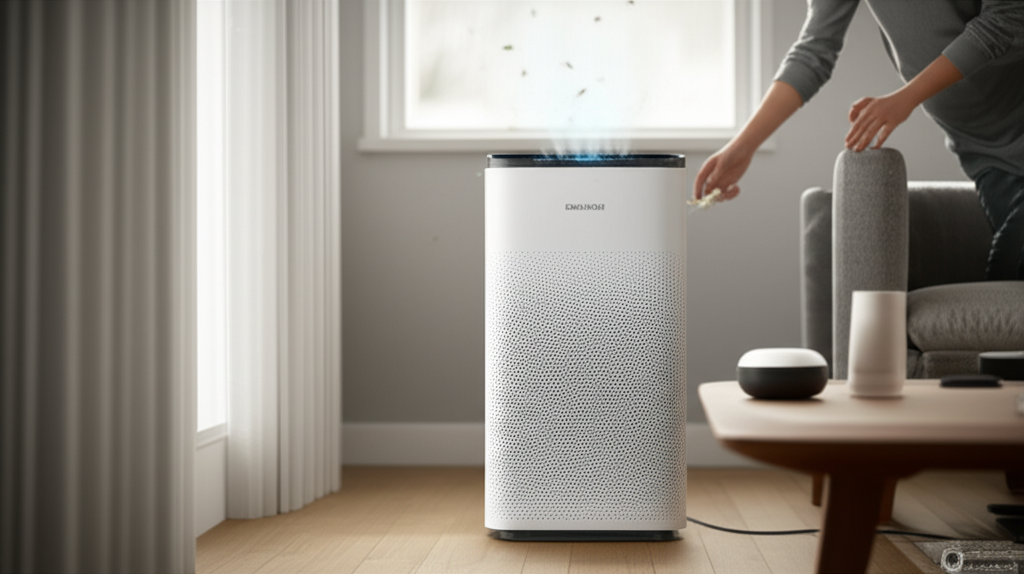
The primary function of an air purifier is to filter out microscopic particles that can inflame your sinuses and airways. True HEPA filters, for example, are certified to capture 99.97% of airborne particles as small as 0.3 microns. This includes common allergens like dust mites, pollen, and pet dander, which are frequent culprits behind nasal congestion.
By trapping these allergens before they can settle on surfaces or be inhaled, air purifiers create a cleaner environment. This reduction in irritants allows your nasal passages to relax, leading to a decrease in that familiar stuffy sensation.
Common Reasons for Stuffy Sensation with Air Purifiers
While air purifiers are beneficial, certain operational or maintenance issues can inadvertently contribute to a feeling of stuffiness. These are often easily rectifiable, ensuring you get the intended relief.
It’s important to differentiate between the purifier causing stuffiness and a situation where the purifier’s presence highlights an existing air quality problem or a minor operational hitch.
1. Incorrect Filter Placement or Type
The effectiveness of an air purifier hinges on its filters being correctly installed and of the appropriate type for your needs. If filters are not seated properly, air can bypass them, meaning the unit isn’t cleaning the air as intended. Similarly, using a purifier without a carbon filter when odors or VOCs (Volatile Organic Compounds) are a concern might mean those irritants remain.
Always consult your air purifier’s manual for correct filter installation. A misplaced filter is a common oversight that can significantly impact performance.
2. Neglected Filter Maintenance
Air purifiers rely on clean filters to function efficiently. Over time, filters become clogged with the very pollutants they are designed to capture. A saturated filter restricts airflow, reducing the unit’s effectiveness and potentially leading to a less clean environment.
This reduced airflow can sometimes feel like stagnant air, which might be misinterpreted as stuffiness. Regular filter checks and replacements are crucial for optimal performance.
3. Inadequate Unit Size for the Room
Every air purifier is rated for a specific room size, often indicated by its Clean Air Delivery Rate (CADR). Using a unit that is too small for your space means it cannot effectively cycle and clean all the air. This results in persistent pollutants and potential for that stuffy feeling to remain or worsen.
Choosing a purifier with a CADR suitable for your room’s square footage is essential for effective air cleaning. You can find helpful guides on selecting the right size from organizations like the Environmental Protection Agency (EPA).
4. Over-Reliance on Ionizers or Ozone Production
Some air purifiers use ionizers or UV-C light, which can sometimes produce small amounts of ozone as a byproduct. While ozone is a powerful oxidant that can neutralize odors and some pollutants, it can also irritate the respiratory system, leading to congestion and stuffiness, especially in sensitive individuals.
If your purifier has these features, check if they can be turned off or if the unit is certified to produce negligible ozone levels. Many reputable brands prioritize ozone-free operation.
5. Airflow Obstruction
Ensure the air purifier has ample space around it to draw in air and expel clean air. Blocking the intake or output vents, perhaps by placing it too close to furniture or curtains, will hinder its ability to circulate and clean the air effectively.
This obstruction can lead to reduced airflow and less efficient purification, potentially contributing to a less-than-ideal indoor environment.
Troubleshooting Your Air Purifier for Stuffy Relief
If you’re experiencing stuffiness, don’t despair. A systematic approach can help pinpoint and resolve the issue, restoring your air purifier’s benefit.
Let’s walk through some practical steps to get your air purifier working optimally for you.
Step-by-Step Guide to Resolving Stuffy Sensations
- Check Filter Installation: Open your air purifier and ensure all filters are correctly seated according to the manufacturer’s instructions.
- Inspect Filter Condition: Look at your filters. If they appear visibly dirty or discolored, it’s time for a replacement or cleaning (if washable).
- Verify Room Size Compatibility: Confirm the air purifier’s CADR rating is appropriate for the room’s square footage.
- Evaluate Ozone Production: If your unit has an ionizer or UV-C feature, check its ozone output or consider disabling it temporarily.
- Ensure Proper Placement: Move the unit to an open area, away from walls, furniture, or curtains, ensuring unobstructed airflow.
- Clean the Unit: Dust the exterior and the fan blades gently to prevent accumulated dust from becoming airborne.
Following these steps can often resolve minor issues causing a perceived increase in stuffiness.
The Role of HEPA Filters in Allergy Relief
True HEPA filters are the gold standard for capturing allergens that cause nasal congestion. Their ability to trap microscopic particles means they directly address the root causes of many allergy symptoms, including stuffiness.
By consistently removing these irritants, HEPA filters contribute to a healthier indoor environment for allergy sufferers.
Why HEPA Filters Are Essential
A True HEPA filter is designed to remove at least 99.97% of airborne particles 0.3 microns in diameter. This includes common allergens like dust mites, pollen, mold spores, and pet dander. When these particles are circulating in your home, they can trigger allergic reactions, leading to inflammation and congestion in your nasal passages.
Using an air purifier equipped with a True HEPA filter can significantly reduce your exposure to these triggers, providing much-needed relief from that persistent stuffy feeling.
Activated Carbon Filters: Tackling Odors and VOCs
While HEPA filters capture particulate matter, activated carbon filters are crucial for adsorbing gases, odors, and volatile organic compounds (VOCs). These can also contribute to a less-than-fresh feeling in your home, which might be perceived as stuffiness.
A good air purifier often combines HEPA and activated carbon for comprehensive air cleaning.
How Carbon Filters Enhance Air Quality
Activated carbon is a highly porous material that attracts and holds onto gas molecules, effectively removing them from the air. This includes odors from cooking, pets, and smoke, as well as VOCs released from cleaning products, paints, and furniture. These gases can irritate the respiratory system and contribute to a feeling of stuffiness or discomfort.
By adsorbing these airborne chemicals and odors, activated carbon filters create a cleaner, more pleasant-smelling environment, further supporting relief from respiratory irritation.
When to Consider Upgrading or Changing Your Air Purifier
If you’ve tried troubleshooting and still experience stuffiness, or if your current unit is old, it might be time for a change. Technology and filter efficiency have advanced significantly.
A new, properly sized, and well-maintained air purifier can make a world of difference.
Signs Your Air Purifier Might Need Replacing
Several indicators suggest your air purifier might not be performing optimally:
- Age: Most air purifiers have a lifespan of 5-10 years. Older models may not be as efficient as newer ones.
- Persistent Odors or Stale Air: If the air doesn’t feel fresh despite regular filter changes, the unit might be struggling.
- Increased Noise Levels: A significantly louder unit could indicate a failing motor or clogged internal components.
- Visible Wear and Tear: Cracks, damage, or a yellowing plastic casing can suggest internal degradation.
- No Noticeable Improvement: If you still experience significant allergy symptoms or stuffiness after consistent use, the unit might be undersized or ineffective for your needs.
Consider consulting reviews from sources like Wirecutter or consumer reports for recommendations on modern, high-performing models.
Comparing Air Purifier Technologies: What Works Best?
Understanding the different technologies used in air purifiers can help you choose a unit that effectively combats stuffiness without causing other issues.
The right technology for you depends on your specific air quality concerns.
Key Air Purifier Technologies and Their Benefits
Here’s a quick look at common air purification technologies:
| Technology | Primary Function | Pros | Potential Downsides |
|---|---|---|---|
| HEPA Filters | Captures particulate matter (dust, pollen, dander) | Highly effective for allergens, widely trusted | Requires replacement, doesn’t capture gases/odors |
| Activated Carbon Filters | Adsorbs gases, odors, VOCs | Removes smells and chemicals, enhances freshness | Needs replacement, effectiveness varies with carbon amount |
| UV-C Light | Kills bacteria and viruses | Sterilizes air, can help with mold spores | May produce ozone, less effective on particles without HEPA |
| Ionizers | Charges particles to clump and fall or stick to surfaces | Can help remove fine particles | May produce ozone, particles can resettle on surfaces |
| PCO (Photocatalytic Oxidation) | Breaks down VOCs and odors using UV light and catalyst | Can neutralize a wide range of pollutants | Effectiveness varies, potential for byproducts if not well-designed |
For most people experiencing stuffiness due to allergens, a combination of True HEPA and activated carbon filtration is the most effective and safest approach.
Expert Tips for Maximizing Air Purifier Benefits
To ensure your air purifier is making you feel better, not worse, here are some expert-recommended practices.
These tips are designed to help you get the most out of your investment in clean air.
Maximizing Effectiveness and Preventing Stuffy Air
- Run it Continuously: For best results, especially during allergy seasons, run your air purifier 24/7 on a low to medium setting. This ensures a constant supply of clean air.
- Strategic Placement: Position the unit in the room where you spend the most time, such as your bedroom or living room.
- Regular Maintenance Schedule: Create a calendar for checking and replacing filters. Many manufacturers provide reminders or apps.
- Clean Pre-filters: If your unit has a washable pre-filter, clean it regularly (e.g., weekly) to extend the life of the main HEPA filter.
- Monitor Air Quality: Consider using a separate indoor air quality monitor to track particulate levels and identify specific pollutants in your home.
Following these practices will help ensure your air purifier effectively combats allergens and irritants, leading to improved breathing comfort.
Frequently Asked Questions (FAQ)
Q1: Can an air purifier really make my stuffy nose better?
Yes, a properly functioning air purifier, especially one with a True HEPA filter, is designed to remove allergens and irritants that cause stuffiness, thereby improving nasal congestion.
Q2: How often should I replace the filters in my air purifier?
Filter replacement frequency varies by model and usage, but typically HEPA filters need changing every 6-12 months, and carbon filters every 3-6 months. Always check your manufacturer’s recommendations.
Q3: Is ozone from an air purifier bad for me?
Yes, ozone can be an irritant to the lungs and nasal passages, potentially causing or worsening stuffiness. It’s best to use ozone-free purifiers or those with features to minimize ozone production.
Q4: My air purifier is making a strange smell. What could it be?
A new filter might have a slight odor that dissipates after a few days. If the smell persists or is unpleasant, it could be a sign of a dirty filter, a problem with the unit, or the capture of strong odors.
Q5: Can I run my air purifier in my bedroom all night?
Absolutely. Running an air purifier in your bedroom overnight can significantly improve sleep quality by providing cleaner air, reducing allergens that might trigger congestion.
Q6: What’s the difference between a HEPA filter and a washable filter?
HEPA filters capture very fine particles and are not washable; they must be replaced. Washable filters (often pre-filters) capture larger particles and can be cleaned and reused, but they don’t offer the same level of filtration as HEPA.
Conclusion: Breathe Easy with the Right Air Purifier
In conclusion, the question “can air purifiers make you stuffy?” is generally answered with a resounding no. When selected, installed, and maintained correctly, air purifiers are powerful tools for alleviating stuffiness by removing allergens and irritants from your indoor air. If you’re experiencing any discomfort, review the common issues discussed – from filter maintenance to unit sizing – and implement the troubleshooting steps provided. By understanding your air purifier’s technology and adhering to best practices, you can ensure it effectively contributes to a healthier, more comfortable home environment, allowing you to breathe freely.
