
Can Air Purifiers Kill TB Bacteria? Proven Essential Solution

Yes, certain air purifiers can effectively help in killing TB bacteria by capturing and inactivating them using advanced filtration and UV-C technology, offering a vital layer of protection against airborne transmission.
The persistent threat of tuberculosis (TB) hangs in the air, a silent concern for many. You might be wondering, can air purifiers kill TB bacteria and provide a safer indoor environment? This is a crucial question for anyone concerned about respiratory health, especially in shared or vulnerable spaces. I understand the anxiety and the need for clear, actionable solutions. Let’s delve into how air purification technology can be a proven essential solution against airborne TB.
Understanding Tuberculosis and Airborne Transmission
Tuberculosis, primarily caused by Mycobacterium tuberculosis, is a serious infectious disease that most often affects the lungs. When an infected person coughs, sneezes, or speaks, they release tiny airborne particles called droplet nuclei, which can remain suspended in the air for hours. These microscopic particles are the primary vehicle for TB transmission, making indoor air quality a critical factor in controlling its spread.
How Air Purifiers Work to Combat Airborne Pathogens
Air purifiers are designed to clean the air by removing pollutants and contaminants. They typically employ a system of fans and filters to draw in air, trap particles, and then recirculate cleaner air back into the room. The effectiveness against specific pathogens like TB bacteria depends heavily on the type of filtration and additional technologies employed by the device.
The Role of HEPA Filters in Capturing TB Bacteria
High-Efficiency Particulate Air (HEPA) filters are a cornerstone of effective air purification for capturing airborne pathogens. A true HEPA filter is certified to remove at least 99.97% of airborne particles 0.3 microns in size. While Mycobacterium tuberculosis is often found within larger respiratory droplets, the smaller droplet nuclei can be as small as 0.5 to 5 microns. HEPA filters are highly effective at trapping these smaller particles, significantly reducing the concentration of TB bacteria in the air.
UV-C Germicidal Irradiation: A Powerful Inactivation Method
Beyond filtration, some advanced air purifiers incorporate Ultraviolet Germicidal Irradiation (UVGI) technology, specifically UV-C light. UV-C light has a wavelength that is damaging to the genetic material (DNA and RNA) of microorganisms, including bacteria and viruses. When TB bacteria are exposed to sufficient UV-C light within an air purifier, their ability to replicate and cause infection is neutralized.
Can Air Purifiers Kill TB Bacteria? The Scientific Evidence
The question of whether air purifiers can kill TB bacteria is met with a resounding “yes, with the right technology.” Numerous studies and guidelines from health organizations acknowledge the role of air filtration and UVGI in reducing airborne pathogens. The Centers for Disease Control and Prevention (CDC) has long recognized the importance of ventilation and air cleaning in TB control strategies. For instance, the CDC’s guidelines on infection control for TB emphasize the use of environmental controls, including air cleaning devices, particularly in settings where patients with infectious TB are present.
Key Features to Look for in an Air Purifier for TB Control
When selecting an air purifier to address TB bacteria, prioritize models that combine robust HEPA filtration with effective UV-C technology. Look for certifications that validate the performance of both components. Additionally, consider the unit’s Clean Air Delivery Rate (CADR) to ensure it’s adequately sized for the room it will be used in.
HEPA Filtration Standards
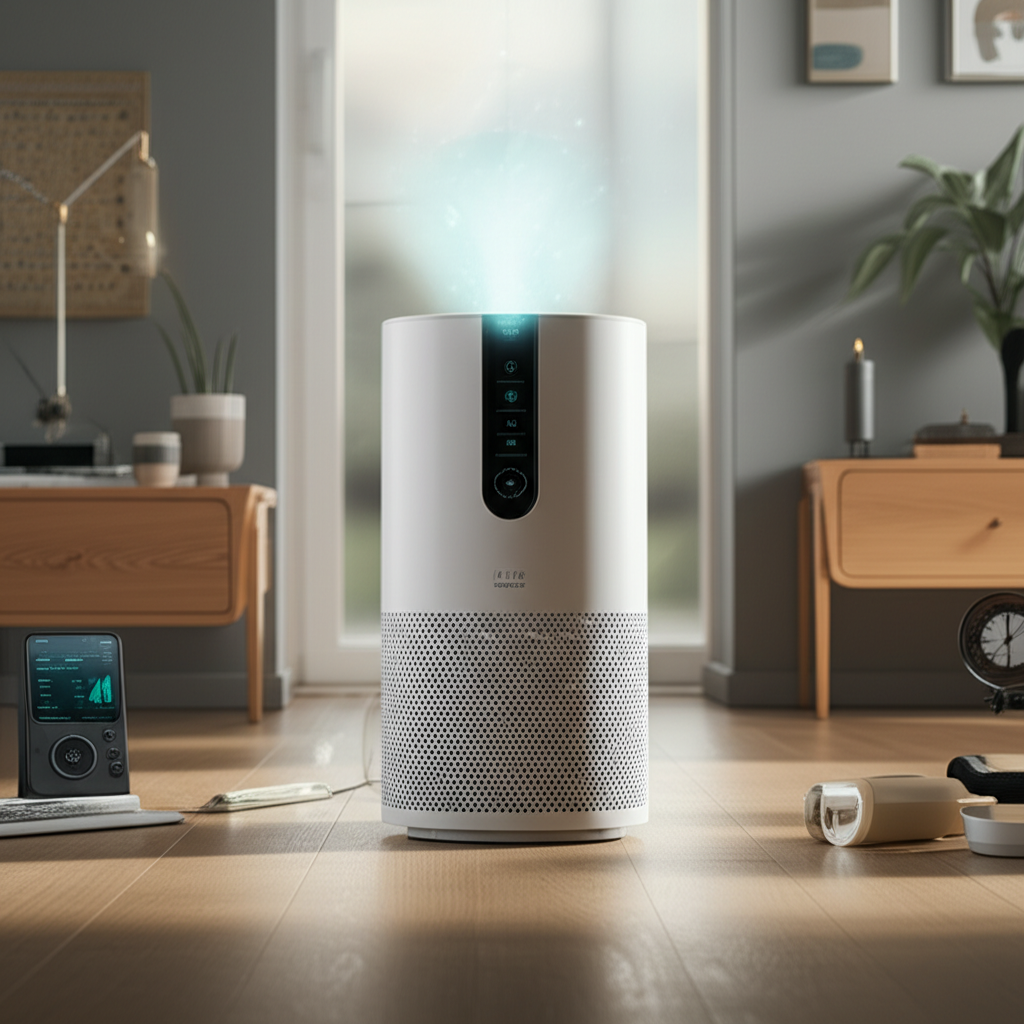
UV-C Effectiveness Factors
Wavelength: Ensure the UV-C light is within the germicidal range (around 254 nm).
Exposure Time: The bacteria must be exposed to the UV-C light for a sufficient duration.
Intensity: The intensity of the UV-C light needs to be strong enough to be effective.
Placement: The UV-C lamps should be strategically placed within the purifier to maximize contact with airborne particles.
Integrating Air Purifiers into a Comprehensive TB Control Strategy
It’s crucial to understand that air purifiers are a complementary tool, not a standalone solution for TB eradication. They work best when integrated with other essential TB control measures. These include proper ventilation, consistent medical treatment for infected individuals, and prompt diagnosis.
Complementary TB Control Measures
Enhanced Ventilation: Increasing fresh air exchange rates dilutes the concentration of airborne pathogens.
Source Control: Educating infected individuals on respiratory hygiene (covering coughs, wearing masks) is paramount.
Medical Treatment: Adhering to prescribed medication regimens for TB patients is the most critical step in stopping transmission.
Regular Cleaning: Maintaining good hygiene practices in shared spaces can further reduce exposure risks.
Real-World Applications and Case Studies
The efficacy of air purification in reducing airborne pathogens has been demonstrated in various settings. Hospitals, clinics, and community centers have utilized air cleaning technologies to improve indoor air quality and reduce the risk of infectious disease transmission. While specific large-scale case studies focused solely on TB bacteria inactivation by air purifiers are emerging, the principles of airborne pathogen control are well-established. Research published in journals like the American Journal of Respiratory and Critical Care Medicine often explores the impact of environmental controls on airborne diseases.
Choosing the Right Air Purifier: What to Consider
When making your choice, consider the size of the room, the specific technologies offered, and the reputation of the manufacturer. Look for air purifiers with multi-stage filtration systems that include pre-filters, HEPA filters, and activated carbon filters for broader air cleaning capabilities.
| Feature | Importance for TB Bacteria Control |
| :————- | :——————————————————————— |
| HEPA Filter| Essential for physically trapping small airborne TB-carrying particles. |
| UV-C Light | Crucial for inactivating bacteria trapped by the filter or passing by. |
| Activated Carbon | Primarily for odor and VOC removal, less direct impact on bacteria. |
| CADR Rating| Ensures the unit can process enough air for the room’s volume. |
| Noise Level| Important for comfort, but secondary to purification efficacy. |
Frequently Asked Questions About Air Purifiers and TB Bacteria
Can any air purifier kill TB bacteria?
Not all air purifiers are equally effective. Those with true HEPA filters and UV-C germicidal irradiation technology are most likely to significantly reduce TB bacteria in the air.
How long does it take for an air purifier to kill TB bacteria?
Air purifiers don’t “kill” bacteria instantly like a disinfectant spray. Instead, they capture bacteria or inactivate them over time as air circulates through the unit. Continuous operation is key.
Are UV-C air purifiers safe?
Yes, when used as intended within a properly designed air purifier, UV-C light is safe as it’s contained within the unit, preventing direct exposure to people.
Do air purifiers completely eliminate the risk of TB transmission?
Air purifiers significantly reduce the risk by lowering airborne bacteria concentration, but they do not completely eliminate it. They are most effective when used alongside other preventative measures like ventilation and medical treatment.
What is the best type of filter for removing TB bacteria?
A true HEPA filter is essential for capturing the small particles that carry TB bacteria. Combining this with UV-C light offers an added layer of inactivation.
Where should I place an air purifier for maximum effectiveness against TB?
Place the air purifier in the room where the greatest risk of exposure exists, ensuring it has good airflow around it and is sized appropriately for the room’s square footage.
Can an air purifier help in preventing TB in crowded indoor spaces?
Yes, in crowded indoor spaces where ventilation might be limited, air purifiers can play a significant role in reducing airborne bacterial load and thus lowering transmission risk.
Conclusion: Air Purifiers as a Vital Tool Against TB
In answering the critical question, “Can air purifiers kill TB bacteria?”, the scientific consensus is clear: when equipped with advanced HEPA filtration and UV-C germicidal irradiation, air purifiers are a proven essential solution. They actively capture and inactivate the microscopic culprits responsible for TB transmission, offering a tangible improvement in indoor air safety. While not a silver bullet, integrating these powerful devices into a comprehensive approach that includes ventilation and medical care provides a robust defense against this persistent airborne threat. By understanding the technology and making informed choices, you can leverage air purifiers to create healthier, safer environments for yourself and your loved ones.
