Can Air Purifiers Help With Odors? Proven Solution

Yes, air purifiers can effectively help with odors by capturing and neutralizing odor-causing particles and gases, offering a proven solution for fresher indoor air.
Persistent odors can turn a comfortable home into an unpleasant living space. From lingering cooking smells and pet dander to musty basement air and chemical fumes, unwanted smells can impact your well-being and even your guests’ impressions. You might be wondering, “Can air purifiers help with odors?” The good news is, they absolutely can, and understanding how they work is the first step to reclaiming your fresh-smelling home. This guide will walk you through the science and practical application of air purifiers for odor elimination, providing a clear, proven solution.
Understanding the Source of Indoor Odors
Before diving into how air purifiers tackle smells, it’s crucial to grasp what causes them. Odors are essentially airborne volatile organic compounds (VOCs) and other microscopic particles released from various sources. These can include cooking, cleaning products, smoke, pet dander, mold spores, and even off-gassing from furniture. Identifying these sources is key to managing indoor air quality effectively.
These invisible culprits can travel throughout your home, settling on surfaces and recirculating, making simple ventilation sometimes insufficient. Understanding the nature of these compounds helps us appreciate the technology designed to combat them.
How Air Purifiers Combat Odors: The Science
Air purifiers work by drawing in air, passing it through a series of filters, and then releasing cleaner air back into the room. For odor elimination, the most critical component is the activated carbon filter. This porous material acts like a sponge, adsorbing gas molecules and VOCs responsible for smells.
The larger the surface area of the activated carbon, the more odor molecules it can capture. High-quality air purifiers often feature substantial carbon filters, sometimes combined with other technologies, to maximize their odor-fighting capabilities. This multi-stage filtration process ensures that not only particles but also gases are removed.
The Role of Activated Carbon Filters
Activated carbon, also known as activated charcoal, is a highly porous substance treated to increase its adsorptive surface area. When air passes through it, odor-causing molecules bind to the carbon’s surface through a process called adsorption. This effectively traps the smell, preventing it from circulating in your home.
The effectiveness of an activated carbon filter depends on its quantity and quality. Thicker, denser carbon filters with a higher weight (measured in pounds or kilograms) generally offer superior odor removal compared to thin, impregnated pre-filters. Look for purifiers that explicitly state the amount of activated carbon used.
Beyond Carbon: Other Odor-Fighting Technologies
While activated carbon is the primary odor fighter, some air purifiers incorporate additional technologies to enhance odor removal. Ionizers release negatively charged ions that attach to airborne particles, causing them to clump together and fall out of the air. UV-C light can neutralize airborne bacteria and viruses that might contribute to certain odors.
Ozone generators, however, are generally not recommended for home use due to potential health risks associated with ozone inhalation. It’s important to choose an air purifier with proven, safe technologies that directly address your odor concerns. Always prioritize purifiers that are certified by reputable organizations like AHAM.
Choosing the Right Air Purifier for Odors
When selecting an air purifier specifically for odor control, several factors are paramount. Prioritize models with a substantial amount of activated carbon. Check the manufacturer’s specifications for the type and weight of the carbon filter. Consider the CADR (Clean Air Delivery Rate) for smoke, as this often correlates with a purifier’s ability to handle other odors.
The size of the room the purifier is intended for is also crucial. Ensure the unit is appropriately sized for your space to ensure efficient air circulation and filtration. Reading reviews from users who have similar odor issues can also provide valuable insights.
Key Features to Look For:
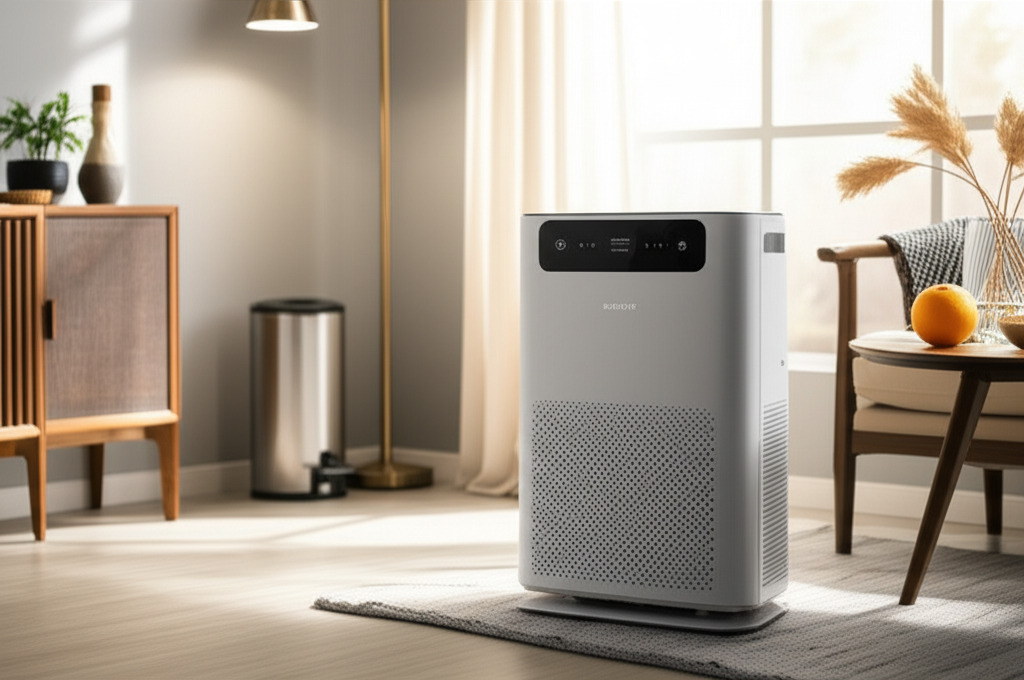
- High-Quality Activated Carbon Filter: The more carbon, the better the adsorption.
- Sufficient Coverage Area: Match the purifier’s room coverage to your space.
- HEPA Filter: While primarily for particles, it helps remove odor-carrying dust and dander.
- Low Noise Levels: Essential for continuous operation without disruption.
- Replaceable Filters: Ensure you can easily find and replace carbon and HEPA filters.
Selecting a unit with a robust pre-filter can also extend the life of the main carbon and HEPA filters by capturing larger particles like pet hair.
Proven Solutions: Air Purifiers in Action
Many studies and user testimonials confirm the efficacy of air purifiers in combating common household odors. For instance, in kitchens, they can significantly reduce the lingering smells of fried foods or strong spices. In homes with pets, they can neutralize the characteristic “pet odor.” For smokers, a good air purifier can be a game-changer in removing the pervasive smell of tobacco smoke.
The key to success lies in consistent use and proper maintenance. Running the air purifier continuously, especially in areas where odors are most prevalent, ensures ongoing odor removal. Regular filter replacement is also vital, as saturated carbon filters lose their adsorptive capacity.
Types of Odors Air Purifiers Can Tackle
Air purifiers are remarkably versatile when it comes to odor elimination. They can effectively address a wide range of smells, including:
- Cooking Odors: From fish and spices to burnt food.
- Pet Odors: Including dander, urine, and general “doggy” or “catty” smells.
- Smoke Odors: Tobacco, wildfire smoke, and burnt material.
- Chemical Odors: VOCs from cleaning products, paints, and new furniture.
- Musty or Moldy Smells: Often found in damp basements or bathrooms.
- Body Odors: Can help freshen up spaces where they linger.
By trapping the VOCs and particulate matter that carry these smells, air purifiers create a more pleasant and healthy environment. Some advanced models even incorporate specialized filters for specific types of pollutants, further enhancing their odor-fighting capabilities.
When Air Purifiers Might Not Be Enough
While highly effective, air purifiers are not a magic wand for all odor problems. If the source of the odor is continuous and substantial, like a severe mold infestation or a sewage leak, an air purifier can only mitigate the symptoms, not solve the underlying issue. In such cases, professional remediation or repair is necessary.
Furthermore, the effectiveness of an air purifier is directly tied to the quality of its filters and its proper operation. If filters are not replaced regularly or the unit is undersized for the space, its odor-reducing capabilities will be diminished. It’s a tool that works best as part of a holistic approach to home air quality.
Maximizing Your Air Purifier’s Odor-Fighting Potential
To get the most out of your air purifier for odor control, consider these tips. Ensure the unit is placed in a central location or near the primary source of the odor. Keep doors and windows closed while the purifier is running to prevent fresh odor-causing air from entering. Regularly clean the pre-filter, as this can improve overall air intake and prolong the life of the main filters.
Always follow the manufacturer’s recommendations for filter replacement. A saturated carbon filter cannot adsorb new odor molecules, rendering the unit ineffective. Consider running the purifier on a higher setting during peak odor times, such as while cooking or when guests are present.
Comparing Air Purifiers for Odor Control
When comparing models, pay close attention to the specifications related to odor removal. Here’s a quick guide to help you evaluate:
| Feature | Importance for Odors | What to Look For |
|---|---|---|
| Activated Carbon Filter | Critical | Weight (lbs/kg), thickness, pelletized vs. granular |
| HEPA Filter | High | H13 or H14 grade for maximum particle capture |
| Pre-filter | Moderate | Washable/replaceable for capturing larger particles |
| CADR (Smoke) | High | Higher numbers indicate faster smoke removal |
| Room Size Coverage | Critical | Ensure it matches or exceeds your room dimensions |
| Noise Level | Important | Lower decibels for continuous operation |
For example, a purifier with a 2-pound activated carbon filter will generally perform better than one with a thin carbon mesh. Checking third-party lab tests or certifications, like those from the California Air Resources Board (CARB) for ozone emissions, can also provide confidence in a product’s performance and safety.
Frequently Asked Questions (FAQ)
Can an air purifier completely eliminate all odors?
Air purifiers can significantly reduce or eliminate most common household odors. However, very strong or continuous odor sources might require addressing the root cause in addition to using an air purifier.
How often do I need to replace the carbon filter?
Replacement frequency varies by model and usage, but typically carbon filters need replacement every 6-12 months. Check your manufacturer’s guidelines and replace when you notice odors returning.
Will an air purifier help with the smell of my pet?
Yes, air purifiers with activated carbon filters are very effective at capturing pet dander and the VOCs that cause pet odors, leading to a fresher-smelling home.
Are there any air purifiers that don’t use filters?
Some technologies like ionizers or UV-C light don’t rely on physical filters for odor control, but activated carbon is still the most effective method for adsorbing gases and smells. Be cautious of ozone-generating devices, as ozone itself can be a lung irritant.
Can an air purifier help with smoke from wildfires?
Absolutely. A good air purifier with a substantial activated carbon filter and a true HEPA filter can effectively remove smoke particles and the associated odors from wildfire events.
What is the difference between a HEPA filter and an activated carbon filter?
A HEPA filter captures tiny airborne particles like dust, pollen, and dander. An activated carbon filter adsorbs gases, VOCs, and odor molecules. Many effective air purifiers use both.
Conclusion
In answer to the question, “Can air purifiers help with odors?” the definitive answer is a resounding yes. By leveraging the adsorptive power of activated carbon filters, often in conjunction with other filtration technologies, air purifiers offer a proven and highly effective solution for neutralizing a wide array of unpleasant household smells. From cooking and pets to smoke and mustiness, these devices can dramatically improve your indoor air quality and create a more comfortable living environment. Remember to choose a unit with ample activated carbon, ensure it’s appropriately sized for your space, and maintain it by replacing filters regularly. Investing in a quality air purifier is a proactive step towards a fresher, healthier home.