
Best Air Purifier For Immunocompromised Patients: Essential Guide

The best air purifier for immunocompromised patients is a crucial tool for creating a safer indoor environment, helping to filter out airborne pathogens, allergens, and pollutants that can pose significant health risks.
Living with a weakened immune system presents unique challenges, and maintaining a healthy home environment is paramount. Airborne contaminants, from viruses and bacteria to dust and mold spores, can easily trigger illness or complications. Finding the right air purifier can feel overwhelming, but I’m here to guide you through it. This essential guide will help you understand what to look for and identify the best air purifier for immunocompromised patients, ensuring your home offers a sanctuary of clean air.
Why Air Purifiers Are Essential for Immunocompromised Individuals
For those with compromised immune systems, even minor airborne particles can lead to serious health issues. Air purifiers actively remove these harmful agents, significantly reducing the risk of infection and respiratory distress. Investing in a quality air purifier is a proactive step towards safeguarding your well-being and creating a healthier living space.
Understanding Airborne Threats to a Weakened Immune System
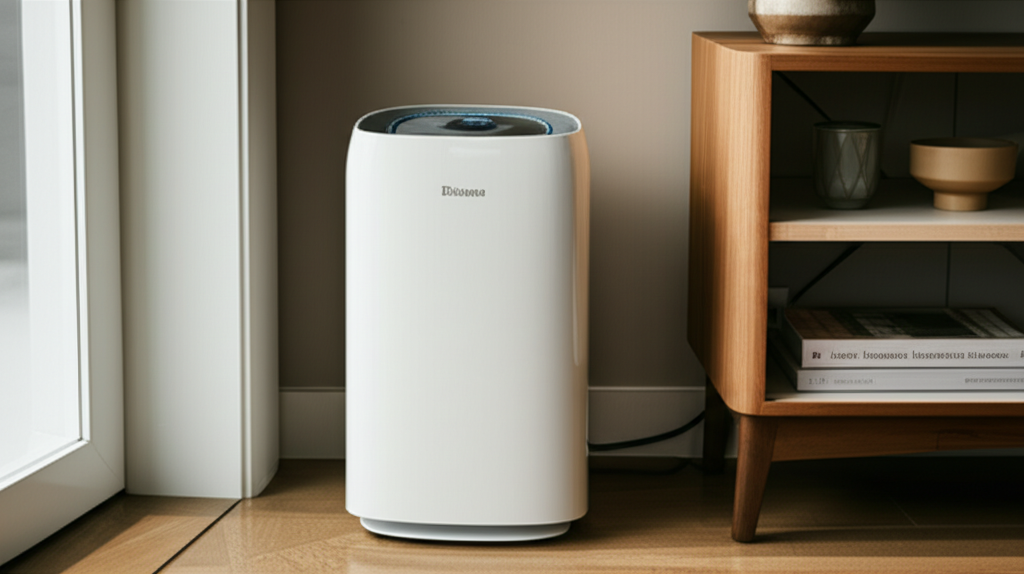
A compromised immune system struggles to fight off common invaders. These can include viruses like influenza and coronaviruses, bacteria, mold spores, pollen, pet dander, and even volatile organic compounds (VOCs) released from household products. Each of these can cause significant illness in vulnerable individuals, making clean air a non-negotiable aspect of health management.
How Air Purifiers Create a Safer Environment
Air purifiers work by drawing in surrounding air, passing it through a series of filters, and releasing cleaner air back into the room. This process effectively traps a wide range of airborne particles, from microscopic viruses to larger dust motes. By consistently circulating and cleaning the air, they create a protective barrier against common respiratory threats.
Key Features to Look for in the Best Air Purifier for Immunocompromised Patients
When selecting an air purifier for immunocompromised individuals, certain features are non-negotiable for maximum effectiveness. Prioritizing these will ensure you invest in a device that truly contributes to a healthier living space.
HEPA Filtration: The Gold Standard
True HEPA (High-Efficiency Particulate Air) filters are essential. They are certified to capture at least 99.97% of airborne particles as small as 0.3 microns. This includes bacteria, viruses, mold spores, pollen, and fine dust, all critical to remove for immunocompromised patients. Look for filters that meet the H13 or H14 standard for superior performance.
Activated Carbon Filters for Odors and VOCs
While HEPA filters capture particles, activated carbon filters are crucial for absorbing gases, odors, and volatile organic compounds (VOCs). These can be emitted from cleaning products, furniture, and cooking, and can be particularly irritating or harmful to those with weakened respiratory systems. A substantial amount of activated carbon is key for effective odor and VOC removal.
CADR (Clean Air Delivery Rate) Matters
The CADR rating indicates how quickly an air purifier can clean a room of specific pollutants like smoke, dust, and pollen. A higher CADR means faster purification. For immunocompromised patients, it’s vital to choose a purifier with a CADR rating suitable for the size of the room it will be used in, ensuring efficient air cleaning.
Room Size and Air Changes Per Hour (ACH)
Ensure the air purifier is rated for the square footage of your room. Most experts recommend an air purifier that can achieve at least 4-5 Air Changes Per Hour (ACH) for optimal air cleaning. This means the unit can filter the entire volume of air in the room that many times every hour, providing continuous protection.
Noise Levels and Sleep Modes
For bedrooms or quiet living spaces, noise levels are a significant consideration. Many purifiers offer lower fan speeds or dedicated sleep modes that operate at a whisper-quiet level. This ensures that the air purification process doesn’t disrupt rest, which is crucial for recovery and overall health for immunocompromised individuals.
Additional Features to Consider
Some purifiers offer smart features like air quality sensors that automatically adjust fan speed, Wi-Fi connectivity for remote control, and filter replacement indicators. While not always essential, these can enhance convenience and ensure the unit is always operating at peak efficiency. Look for models with simple, intuitive controls.
Top Air Purifier Recommendations for Immunocompromised Patients
Based on the critical features discussed, here are some of the best air purifiers that excel in providing a clean and safe indoor environment for immunocompromised individuals.
Coway Airmega AP-1512HH Mighty
The Coway Mighty is consistently praised for its effective multi-stage filtration system, including a True HEPA filter and an advanced deodorizing filter. Its compact size and user-friendly features make it an excellent choice for bedrooms or smaller living areas. It offers a good balance of performance, efficiency, and affordability, making it a popular pick for many.
Blueair Classic 480i
Blueair purifiers are known for their high CADR ratings and whisper-quiet operation. The Classic 480i utilizes a combination of electrostatic filtration and mechanical filtration (HEPASilent™ technology) to capture 99.97% of particles down to 0.1 microns. Its sleek design and robust performance make it suitable for medium to large rooms.
Levoit Core 300S
For those on a budget or needing a compact solution, the Levoit Core 300S is a strong contender. It features a 3-stage filtration system, including a True HEPA filter, and offers smart capabilities. Its quiet operation and small footprint make it ideal for personal spaces like offices or dorm rooms. The filter life is also quite impressive for its price point.
Winix 5500-2
The Winix 5500-2 is a popular choice due to its comprehensive filtration system, which includes a True HEPA filter, an activated carbon filter, and PlasmaWave technology (which can be turned off if preferred). It’s effective at removing allergens, pollutants, and odors, and is well-suited for medium to large spaces. Its auto mode and air quality sensor add to its user-friendliness.
Honeywell HPA300
The Honeywell HPA300 is a powerhouse for larger rooms, offering impressive CADR ratings. It employs a 3-stage filtration process, including a True HEPA filter, to capture a wide array of airborne contaminants. Its robust performance ensures quick and efficient air cleaning, making it a reliable option for high-risk individuals.
Understanding Air Purifier Technologies
Different air purifiers employ various technologies to clean the air. Understanding these can help you make an informed decision about which is best suited for your specific needs.
HEPA vs. HEPA-Type vs. HEPA-Like Filters
It’s crucial to distinguish between these terms. “True HEPA” filters are certified to meet the 99.97% efficiency standard for 0.3-micron particles. “HEPA-type” or “HEPA-like” filters may capture some particles but do not meet the rigorous HEPA certification. Always look for “True HEPA” for maximum protection.
Activated Carbon Filters: The Odor and Gas Specialist
Activated carbon filters are porous materials that have been treated to increase their adsorptive properties. They work by trapping gases, odors, and VOCs through a chemical process called adsorption. The amount and quality of the carbon in the filter directly impact its effectiveness and lifespan. A good carbon filter is often measured in pounds or kilograms, not just grams.
Ionizers and UV-C Light: Benefits and Concerns
Some air purifiers include ionizers, which release negative ions to charge airborne particles, causing them to clump together and fall out of the air or stick to surfaces. UV-C light is used to kill airborne microorganisms like bacteria and viruses. While these technologies can offer additional benefits, it’s important to ensure they don’t produce ozone, which can be harmful to respiratory health, especially for immunocompromised individuals. Always opt for ozone-free certified models.
Where to Place Your Air Purifier for Maximum Effectiveness
The placement of your air purifier significantly impacts its performance. Strategic placement ensures that it can effectively capture airborne contaminants throughout the room.
High-Traffic Areas and Bedrooms
Place the air purifier in the room where the immunocompromised individual spends the most time, such as their bedroom or primary living area. In a bedroom, placing it near the bed can provide direct clean air during sleep. In shared spaces, position it where air circulation is good, away from corners or obstructions.
Avoiding Obstructions and Maximizing Airflow
Ensure there’s at least a foot of clearance around the air purifier. Avoid placing it directly against walls, furniture, or curtains, as this can impede airflow and reduce its efficiency. Placing it in a central location within the room allows for better circulation of purified air.
Maintenance: Keeping Your Air Purifier Working Optimally
Regular maintenance is key to ensuring your air purifier continues to provide the best possible air quality. Neglecting maintenance can reduce efficiency and even lead to secondary contamination.
Filter Replacement Schedule
Follow the manufacturer’s recommendations for filter replacement. HEPA filters typically need replacing every 6-12 months, while carbon filters may need more frequent changes depending on usage and the level of pollutants. Many units have indicators to remind you when it’s time for a change.
Cleaning the Unit and Pre-filters
Clean the exterior of the air purifier regularly with a soft, dry cloth. Many units have washable pre-filters that capture larger particles like hair and dust. Cleaning these pre-filters every 2-4 weeks can extend the life of the main HEPA and carbon filters. Always unplug the unit before cleaning.
Comparing Top Models: A Quick Overview
Here’s a comparative look at some of the top air purifiers for immunocompromised patients, highlighting their key strengths.
| Model | Best For | Key Features | Approximate Room Size |
|---|---|---|---|
| Coway Airmega AP-1512HH Mighty | Medium Rooms, All-around Performance | True HEPA, Advanced Deodorizing Filter, Air Quality Sensor | 350 sq ft |
| Blueair Classic 480i | Medium to Large Rooms, Quiet Operation | HEPASilent™ Technology, High CADR, Energy Star Certified | 400 sq ft |
| Levoit Core 300S | Small Rooms, Budget-Friendly, Smart Features | True HEPA, 3-Stage Filtration, Quiet Operation | 219 sq ft |
| Winix 5500-2 | Medium to Large Rooms, Comprehensive Filtration | True HEPA, Activated Carbon Filter, PlasmaWave (Optional) | 360 sq ft |
| Honeywell HPA300 | Large Rooms, High CADR | True HEPA, Multiple Fan Speeds, Filter Change Indicator | 465 sq ft |
Frequently Asked Questions
What is the most important feature in an air purifier for someone with a weakened immune system?
The most crucial feature is a True HEPA filter, which captures 99.97% of airborne particles down to 0.3 microns, including viruses, bacteria, and mold spores. This provides the most effective barrier against common respiratory threats.
Can air purifiers help with COVID-19 or other viruses?
Yes, air purifiers equipped with True HEPA filters can effectively capture virus-sized particles, including those responsible for COVID-19 and influenza. While they are not a substitute for other preventative measures like vaccination and hygiene, they can significantly reduce the concentration of viruses in the air.
How many air changes per hour (ACH) should I look for?
For immunocompromised individuals, aiming for at least 4-5 Air Changes Per Hour (ACH) is recommended. This ensures the air in the room is filtered multiple times every hour, providing a consistently clean environment.
Do I need an air purifier with an activated carbon filter if I don’t have noticeable odors?
Yes, even without strong odors, an activated carbon filter is beneficial. It removes VOCs and other gaseous pollutants that may not have a discernible smell but can still irritate the respiratory system or pose health risks, especially to those with weakened immunity.
Are ozone-producing air purifiers safe for immunocompromised patients?
No, ozone-producing air purifiers are generally not recommended for individuals with compromised immune systems or respiratory conditions. Ozone can irritate the lungs and worsen breathing problems. Always choose an ozone-free certified air purifier.
How do I know if my air purifier is working effectively?
Regularly check your filter’s condition and replace it according to the manufacturer’s schedule. You can also monitor changes in indoor air quality, such as reduced dust accumulation or fewer allergy symptoms. Some advanced models feature air quality sensors that provide real-time feedback.
Conclusion: Investing in Health with the Best Air Purifier for Immunocompromised Patients
Creating a safe and healthy indoor environment is a cornerstone of well-being for immunocompromised individuals. The best air purifier for immunocompromised patients is a powerful ally in this endeavor, offering robust protection against a myriad of airborne threats. By prioritizing True HEPA filtration, adequate carbon filtration, appropriate room coverage, and diligent maintenance, you can significantly enhance the air quality in your home. Investing in a high-quality air purifier is not just a purchase; it’s a vital step towards safeguarding health and fostering peace of mind. Remember to consult with your healthcare provider for personalized recommendations tailored to your specific health needs.
