
Can Air Purifiers Cause Mold? Essential Warning!

Yes, air purifiers can potentially contribute to mold growth if not properly maintained, but this risk is entirely preventable with the right knowledge and care. This essential guide reveals how to avoid this common household hazard and ensure your air purifier enhances, rather than harms, your home’s air quality.
The idea that a device designed to clean your air might actually cause mold can be unsettling. You invested in an air purifier to breathe easier and create a healthier home environment, so the thought of it becoming a mold incubator is a genuine concern for many. Fortunately, this isn’t a common occurrence, and understanding the “how” and “why” is the first step to preventing it. This article will demystify the relationship between air purifiers and mold, offering clear, actionable advice to keep your home safe and your air pure. Let’s explore how to ensure your air purifier remains a tool for health, not a source of mold.
Understanding the Mold-Air Purifier Connection
Air purifiers themselves don’t inherently create mold, but specific conditions within a poorly maintained unit can become a breeding ground for mold spores, which are ubiquitous in the environment. Mold needs moisture, a food source (like dust and organic matter), and suitable temperatures to grow. If an air purifier traps moisture and organic debris, it can inadvertently provide the perfect environment for mold to flourish.
This issue often stems from neglecting regular maintenance, particularly cleaning or replacing the filters. When filters become saturated with dust, dirt, and other airborne particles, they can retain moisture, especially in humid environments or if the unit is placed near a water source. This damp, organic-rich filter then becomes an ideal surface for mold spores to colonize and multiply.
The Role of Humidity and Moisture
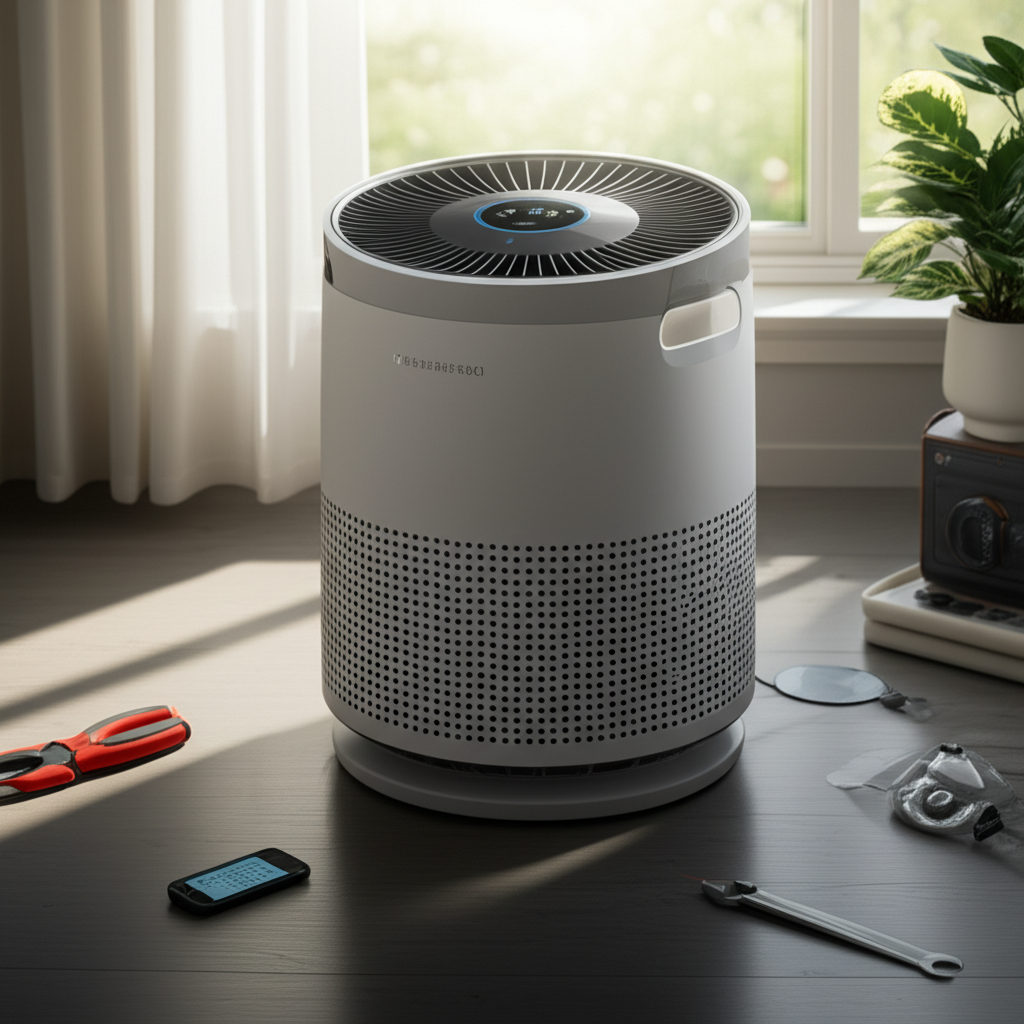
Excessive humidity is the primary culprit that enables mold to grow on air purifier components. Air purifiers work by drawing in air, which always contains some level of moisture. If the ambient humidity is already high, or if the air purifier is placed in a particularly damp area, the internal components can become damp.
When moisture accumulates on filters or within the unit’s housing, it creates the perfect microclimate for mold spores to germinate. This is why understanding your home’s humidity levels and the placement of your air purifier is crucial for preventing mold.
How Filters Become a Mold Haven
Dirty air filters, clogged with dust and debris, can trap moisture, turning them into fertile ground for mold growth. Over time, the filters in your air purifier capture a significant amount of airborne particles, including dust, pet dander, pollen, and even mold spores from your environment. As these particles accumulate, they can reduce airflow and, more importantly, act like a sponge for moisture.
When a filter becomes overly saturated, it can remain damp for extended periods. This sustained dampness, combined with the organic material trapped within the filter, provides mold with the essential elements it needs to thrive. Regular filter replacement is therefore non-negotiable for mold prevention.
Signs Your Air Purifier Might Be Developing Mold
Recognizing early warning signs can help you address potential mold issues before they become serious. While mold growth isn’t always visible, there are several indicators you can look out for. These signs often manifest as changes in the air quality or the purifier’s performance.
Paying attention to these subtle cues can save you from a more significant mold problem. Prompt action is key to maintaining a healthy home environment and ensuring your air purifier continues to function effectively.
Musty Odors
A persistent musty or earthy smell emanating from your air purifier is a strong indicator of mold growth. This odor is characteristic of mold and mildew, as these fungi release volatile organic compounds (VOCs) into the air as they grow. If you notice this smell, especially when the unit is running or shortly after it’s been turned off, it’s time to investigate.
The smell might be faint at first, but it will likely become more pronounced as the mold colony expands. Don’t dismiss this as just “old dust” smell; it’s a critical warning sign that needs immediate attention.
Visible Growth or Discoloration
Spotting visible mold, often appearing as fuzzy patches of black, green, or white, on filters or internal components is a definitive sign of contamination. While you might not be able to see inside the entire unit, checking the accessible filters is a good starting point. If you notice any discoloration or fuzzy textures on the pre-filter or HEPA filter, mold is likely present.
Sometimes, mold can also cause discoloration on the exterior of the unit or around vents if spores are being expelled. This visual evidence requires immediate cleaning and potentially replacement of affected parts.
Reduced Airflow and Performance Issues
A noticeable decrease in the air purifier’s airflow or its overall effectiveness can signal clogged filters due to mold growth. When mold begins to colonize a filter, it can further obstruct airflow, much like a heavily soiled filter. This means less air is being drawn into the unit and, consequently, less clean air is being released into your room.
If you find yourself constantly increasing the fan speed to achieve the same level of air circulation, or if you notice your air quality isn’t improving as it used to, mold within the unit could be the cause. This compromised performance is a functional symptom of an underlying biological issue.
Preventing Mold in Your Air Purifier: A Step-by-Step Guide
Proactive maintenance is the most effective strategy to prevent mold from growing in your air purifier. By implementing a consistent care routine, you can ensure your device continues to purify your air without becoming a source of contamination. This involves regular cleaning, filter management, and proper placement.
Following these steps diligently will significantly reduce the risk of mold and keep your air purifier running optimally for years to come. It’s a small investment of time that yields significant health benefits.
1. Regular Filter Cleaning and Replacement
Adhering to the manufacturer’s recommended schedule for cleaning and replacing filters is paramount to preventing mold. Your air purifier’s manual will specify how often to check, clean (if applicable), and replace each type of filter. HEPA filters, for instance, are typically not washable and must be replaced periodically, usually every 6-12 months depending on usage and air quality.
Pre-filters, which capture larger particles, are often washable. Cleaning them regularly prevents them from becoming overloaded and contributing to moisture retention. Always ensure filters are completely dry before reinserting them into the unit.
2. Ensure Filters are Completely Dry
Never reinsert a damp filter into your air purifier, as this creates an immediate mold-friendly environment. After washing a reusable pre-filter, it is crucial to allow it to air dry completely. Even if the filter looks dry, residual moisture can remain trapped within its material.
A good practice is to lay washable filters flat in a well-ventilated area or use a fan to speed up the drying process. If you’re unsure about a filter’s dryness, it’s better to err on the side of caution and let it dry longer.
3. Maintain Optimal Home Humidity Levels
Keeping your home’s relative humidity between 30% and 50% is essential for preventing mold growth, both in your air purifier and throughout your home. High humidity levels create damp conditions conducive to mold. If your home consistently struggles with high humidity, consider using a dehumidifier.
Monitoring humidity with a hygrometer is a simple way to stay informed. Reducing overall moisture in the air makes it less likely that your air purifier’s internal components will become damp.
4. Proper Air Purifier Placement
Avoid placing your air purifier in areas prone to high moisture or direct water contact to minimize mold risk. Bathrooms, kitchens, and unfinished basements are often high-humidity zones where mold can thrive. If you use an air purifier in these areas, extra vigilance with maintenance is required.
Ensure the unit has adequate space around it for proper airflow, as this helps prevent condensation buildup. Never place it directly against a wall or in a confined space where air circulation is poor.
5. Regular Unit Cleaning
Beyond filters, periodically cleaning the interior and exterior of your air purifier prevents dust and debris buildup that can hold moisture. Dust can accumulate on fan blades, internal casing, and vents. This dust can absorb ambient moisture, creating localized damp spots.
Use a soft, dry cloth or a vacuum cleaner with a brush attachment to gently clean the accessible parts of your air purifier. For more thorough cleaning, consult your user manual for specific instructions on disassembling and cleaning internal components.
Choosing the Right Air Purifier to Minimize Mold Risk
Selecting an air purifier with features designed to combat moisture and contamination can further reduce the likelihood of mold growth. Not all air purifiers are created equal, and some are better equipped to handle potential moisture issues. Considering these factors during your purchase can provide peace of mind.
A well-chosen unit, combined with diligent maintenance, offers the best defense against mold and ensures optimal air purification performance.
Features to Look For
Washable Pre-filters: These are the first line of defense and are easily cleaned, reducing the load on more sensitive filters.
Activated Carbon Filters: While primarily for odor and gas removal, these can also help absorb some ambient moisture.
Durable Materials: Units constructed from materials less prone to moisture absorption or degradation are preferable.
Easy Access to Filters: Units that allow for simple and frequent filter access make maintenance less of a chore.
What to Avoid
Overly Complex Internal Designs: Units with intricate internal structures can be harder to clean thoroughly and may have more nooks where moisture can collect.
Units Designed for Very High Humidity Without Specific Protections: While some units might be rated for certain environments, ensure they have features specifically addressing moisture.
When to Seek Professional Help
If you suspect significant mold growth within your air purifier or notice persistent health symptoms, it’s wise to consult professionals. While home maintenance can handle most issues, sometimes a problem can be more extensive than initially appears. This is especially true if the mold is deeply embedded or if you have respiratory sensitivities.
A professional can properly assess the situation, perform thorough cleaning, and advise on the best course of action, ensuring your home remains a healthy environment.
Identifying Severe Issues
Extensive Visible Mold: If you see mold covering a large portion of a filter or spreading to multiple internal components.
Persistent Strong Odors: If musty smells don’t dissipate after cleaning or filter replacement.
Worsening Allergies or Respiratory Symptoms: If your or your family’s health issues seem to correlate with air purifier use.
Professional Services
Appliance Repair Technicians: For mechanical issues or deep cleaning of the unit.
Mold Remediation Specialists: If mold contamination is suspected to be widespread in your home, not just the purifier.
HVAC Professionals: Can assess overall home air quality and humidity control systems.
Air Purifiers and Mold: Debunking Myths
It’s important to separate fact from fiction regarding air purifiers and mold. Many misconceptions circulate, leading to unnecessary fear or improper handling of these devices. Understanding the reality helps in making informed decisions about air quality.
Dispelling these myths empowers you to use your air purifier effectively and safely.
Myth 1: All Air Purifiers Will Eventually Grow Mold
This is false; mold growth is a result of neglect and specific environmental conditions, not an inherent flaw in air purifier design. As discussed, with proper maintenance and sensible usage, air purifiers are highly effective at removing mold spores from the air, not generating them. The key is consistent care.
Myth 2: If It Smells Musty, the Whole Unit Needs Replacing
Often, a musty smell indicates a dirty or damp filter that can be cleaned or replaced, saving the entire unit. Unless the mold has caused irreparable damage to electronic components or the casing has become compromised, a thorough cleaning and fresh filter installation usually resolves the issue. Always check the manufacturer’s recommendations for cleaning procedures.
Myth 3: Air Purifiers with UV-C Lights Are Mold-Proof
UV-C light can kill mold spores, but it’s not a foolproof solution if moisture and organic matter are present. UV-C light is most effective against airborne spores and requires direct exposure. It cannot penetrate deep into a saturated filter or prevent mold from growing if the conditions are right. It’s a helpful feature but not a substitute for proper maintenance.
Frequently Asked Questions (FAQ)
Can I use my air purifier in a bathroom?
While air purifiers can help reduce odors and airborne particles in bathrooms, these are often high-humidity areas prone to mold. If you use one there, you must be extra diligent with filter cleaning and replacement, and monitor humidity levels closely.
How often should I check my air purifier filters for mold?
You should check your filters at least monthly, and more frequently if you live in a humid climate or notice any potential warning signs like odors. Always refer to your air purifier’s manual for specific maintenance recommendations.
What if my air purifier manual doesn’t mention mold prevention?
Most manuals focus on general maintenance. The principles of mold prevention – controlling moisture, cleaning regularly, and replacing filters – are universal and apply to all air purifiers.
Is it safe to run an air purifier with a slight musty smell?
No, it is not safe. A musty smell indicates mold growth, which means mold spores are likely being released into your air. You should turn off the unit, inspect it thoroughly, and clean or replace filters as needed before running it again.
Can the mold from an air purifier spread to other parts of my house?
Yes, if mold is growing inside the air purifier and it’s running, it can potentially spread spores throughout your home. This is why addressing the issue promptly is critical for your health and home environment.
Conclusion: Breathe Easy with a Well-Maintained Air Purifier
In conclusion, while air purifiers can become a source of mold if neglected, this risk is entirely manageable with consistent, proper care. The key takeaway is that your air purifier is a tool that requires regular attention, much like any other appliance in your home. By understanding the role of humidity, diligently cleaning and replacing filters, and choosing the right unit for your needs, you can confidently ensure your air purifier enhances, rather than compromises, your indoor air quality.
Don’t let the fear of mold prevent you from enjoying the benefits of cleaner air. Embrace a proactive maintenance routine, and your air purifier will remain a valuable ally in creating a healthy, mold-free living space. Remember, a clean air purifier means cleaner air for you and your family.
